Everything clay litter does wrong. Fixed.
An illustrated field guide to the four biggest problems with clay cat litter — and how NEKO's tofu formula quietly solves each one.

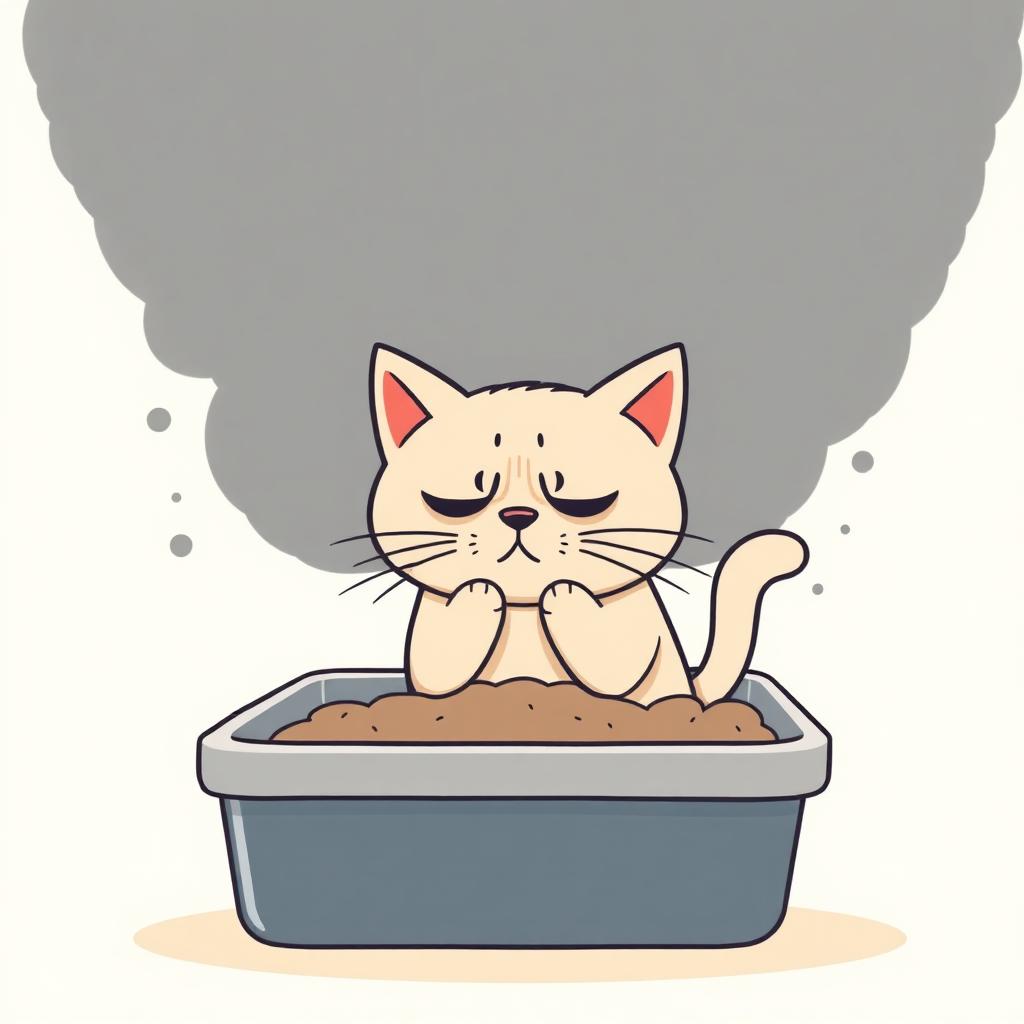
The Dust Problem: Why Clay Litter Makes Your Cat Cough
Silica dust, respiratory irritation, and the invisible cloud that fills your laundry room every scoop.
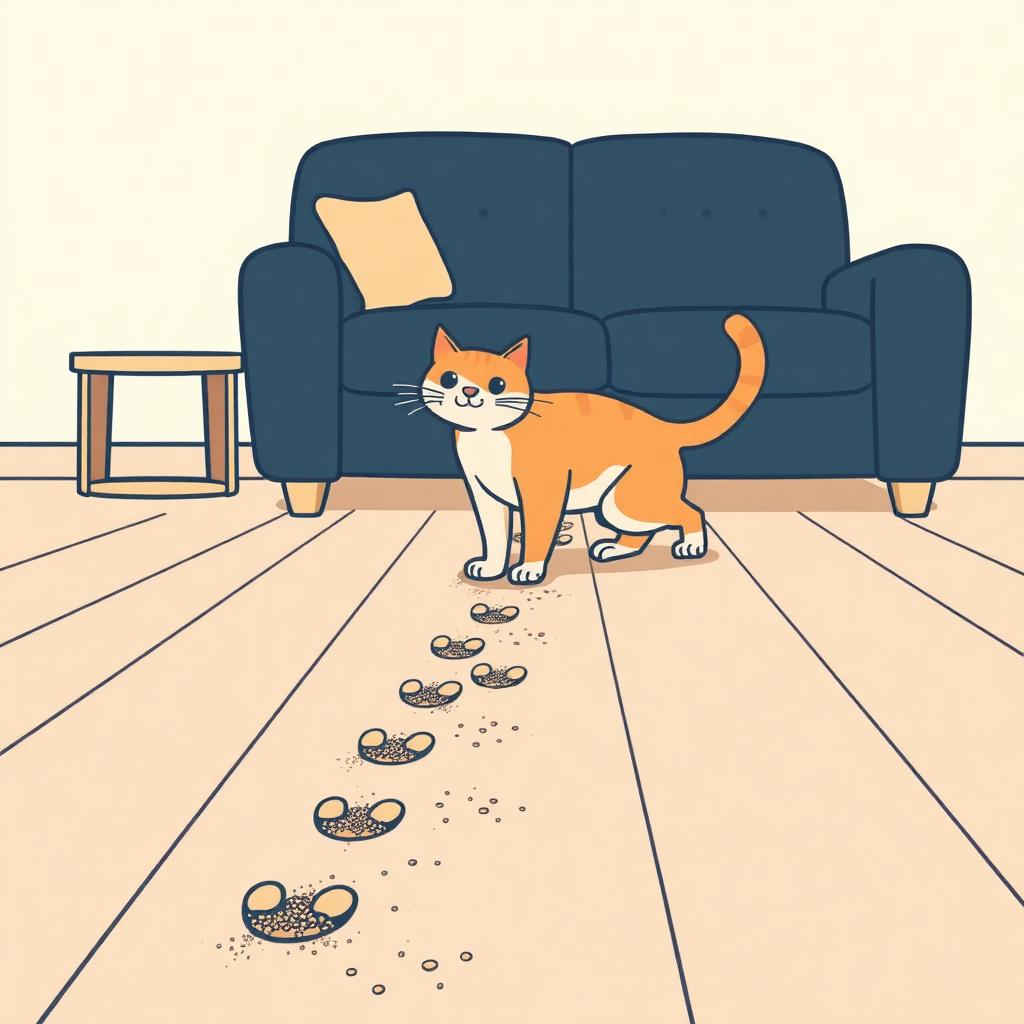
The Tracking Problem: Why Clay Grit Ends Up in Your Bed
Small, jagged clay granules cling to paws. Here's the physics — and the fix.

The Weight Problem: Nobody Wants a 40-lb Litter Box
Clay is basically rock. Tofu weighs a third as much and lasts twice as long.
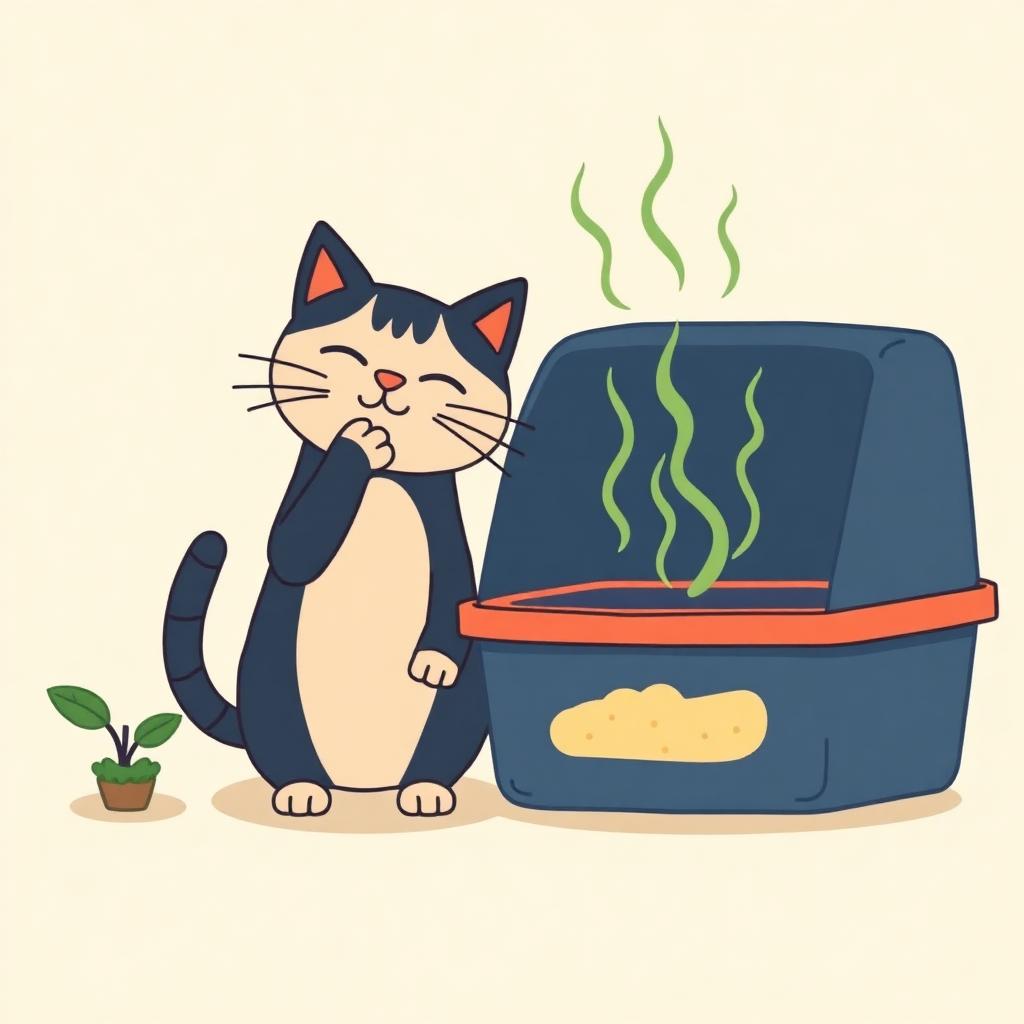
The Odor Problem: Why Clay 'Traps' Smells Then Loses
Clay absorbs moisture but not the compounds that actually stink. Enter plant fibers.
The Best Tofu Cat Litter of 2026: A Cat Owner's Buying Guide
What actually separates a good tofu litter from a bad one — grain size, binders, scent, and the four brands worth trying.
Is Cat Litter Flushable? The Truth About Tofu, Clay, and Your Pipes
What can actually go down the toilet, what your plumber wishes you knew, and the septic-safe alternative.
The Best Cat Litter for Asthma, Allergies, and Sensitive Lungs
Vet-backed advice on choosing a low-dust, low-fragrance litter for cats with feline asthma or allergic bronchitis.
Tofu vs Clay Cat Litter: The Honest Head-to-Head
Dust, odor, tracking, cost, and environmental impact — a side-by-side comparison from a working veterinarian.
Is Tofu Cat Litter Safe? A Veterinarian's Take
Paw safety, ingestion risk, kittens, and the medical evidence behind plant-fiber litter.
How to Switch Your Cat to Tofu Litter (Without Drama)
A 7-day transition plan, troubleshooting for picky cats, and what to expect in the first two weeks.
Low Tracking Cat Litter: How to Stop Litter Scatter for Good
Why most litters track, what 'low tracking' actually means, and the NEKO setup that cuts floor debris by up to 85%.
How to Litter Train a Kitten: A Step-by-Step Guide
Everything you need to teach a kitten to use the litter box, from first setup to troubleshooting accidents.
A Home Checklist for Cats With Breathing Issues Around the Litter Box
Use this practical checklist to review litter, placement, dust control, and cleaning habits that may affect respiratory comfort.
Asthma in Cats: Litter Box Warning Signs That Need a Vet Visit
Learn which coughing, posture, breathing, and activity changes around the litter box can signal a more serious asthma problem.
Best Litter Features for Monitoring Cat Urine Output at Home
See which litter characteristics make it easier to observe urine clumps, notice changes, and support better at-home health tracking.
Best Ways to Clean the Litter Box in an Asthmatic Household
Learn cleaning habits that help reduce airborne dust and fragrance exposure for both cats and people with breathing sensitivities.
Building an Allergy-Friendly Litter Box Routine at Home
Simple adjustments to scooping, storage, ventilation, and product choice can reduce irritation for both cats and people.
Can Cat Litter Cause Watery Eyes or Eye Irritation?
Eye irritation near the litter box may relate to dust or fumes, and this article explains how to troubleshoot safely.
Can Cat Litter Dust Trigger Human Allergies or Asthma?
This article covers how litter dust can affect people in the home and practical ways to lower exposure.
Can Cat Litter Make Allergy Symptoms Worse in Cats?
Understand how dust, fragrance, and contact irritation may overlap with environmental allergies and affect your cat’s comfort.
Can Cats Be Allergic to Their Litter?
This article explains how contact irritation, dust sensitivity, and fragrance exposure can resemble allergy symptoms in cats.
Can Litter Box Stress Contribute to Urinary Problems in Cats?
Learn how stress, box aversion, and competition may affect urination patterns and why management matters for urinary health.
Can You Change Cat Litter While Pregnant?
Get a clear explanation of risk, safer handling steps, and when to ask someone else to take over litter duties.
Can You Scoop Cat Litter While Pregnant?
This article explains the real concerns, common precautions, and safer routines for pregnant cat owners managing litter boxes.
Can the Litter Box Trigger Allergies in People?
Understand how dust, fragrance, ammonia, and cleaning routines may affect allergy-prone households sharing space with cats.
Cat Asthma and Litter: How Dust, Fragrance, and Tracking Can Affect Breathing
Learn how litter dust, added scents, and home habits may influence asthma symptoms and what changes may help cats breathe easier.
Cat Asthma vs Allergies: What Symptoms Overlap at the Litter Box?
Understand the difference between asthma and allergy signs when symptoms show up around litter use and dusty spaces.
Cat Litter Allergy Symptoms in Cats: What Pet Parents Should Notice
Recognize skin, respiratory, and paw-related reactions that may suggest your cat is sensitive to their litter.
Cat Straining in the Litter Box: UTI, Constipation, or Emergency?
This article explains how to spot straining, how to separate common causes, and when immediate veterinary care is needed.
Cat UTI vs Urinary Blockage: How to Tell the Difference
These two problems can look similar at first, but one can become life threatening within hours and needs emergency care.
Choosing a Cat Litter for Homes With Newborns and Babies
Find out which litter traits may be gentler for shared indoor air and easier to manage in homes with infants.
Clay vs Corn Cat Litter: How They Compare for Clumping, Dust, and Smell
This side-by-side comparison explains performance, cleanup, and common concerns to help cat owners pick the better fit.
Clay vs Crystal Cat Litter: Which Fits Your Cat, Budget, and Cleaning Routine?
Compare odor control, dust, cost, tracking, and scoopability so you can choose the litter type that works best at home.
Clay vs Grass Cat Litter: Choosing Between Traditional and Plant-Based Options
Explore how grass and clay litter stack up in clumping, odor control, dust, and cleanup for real households.
Clay vs Paper Cat Litter: Which Is Better for Mess, Smell, and Comfort?
Compare paper and clay litter for absorbency, odor, tracking, softness under paws, and suitability for different cats.
Clay vs Pine Cat Litter: Pros and Cons for Odor, Tracking, and Daily Use
Learn how clay and pine litters differ in smell control, texture, mess, and maintenance for different cats and households.
Clay vs Walnut Cat Litter: A Practical Comparison for Everyday Cat Care
Understand the tradeoffs between walnut and clay litter, including dust levels, odor control, and ease of scooping.
Clay vs Wheat Cat Litter: What Cat Owners Should Know Before Switching
See how wheat and clay litter perform on odor, clumps, tracking, and sensitivity before you make a change.
Common Home Triggers That Can Worsen Feline Asthma
This article explains how litter dust, fragrances, cleaners, and air quality can aggravate breathing problems in sensitive cats.
Common Respiratory Irritants Around the Litter Box
See how dust, air fresheners, cleaners, and poor ventilation can combine to make the litter area harder on sensitive lungs.
Corn vs Clay Cat Litter: Which Is Easier to Scoop and Better for Odor?
Learn where corn and clay litter differ most in clumping strength, smell control, dust, and overall litter box maintenance.
Corn vs Grass Cat Litter: A Helpful Comparison for Cat Owners
See how corn and grass litter differ in clumping ability, smell control, dust levels, and overall litter box cleanliness.
Corn vs Grass Cat Litter: How These Plant Litters Compare in Daily Use
See which litter type may better suit your cat based on clumping strength, smell control, dust, and cleanup.
Corn vs Paper Cat Litter: Which One Suits Your Cat and Home Better?
Compare corn and paper litter for softness, moisture control, odor management, and how much effort each takes to maintain.
Corn vs Silica Cat Litter: Pros and Cons for Dust, Smell, and Clumping
This article compares corn and crystal litter so you can assess odor control, scoopability, mess, and comfort under paw.
Corn vs Walnut Cat Litter: Comparing Clumps, Smell, and Tracking at Home
This comparison helps cat owners weigh performance, mess, and texture when choosing between two plant-based litter types.
Corn vs Walnut Cat Litter: Pros and Cons for Odor, Dust, and Tracking
Find out how corn and walnut litter compare in busy homes, from scooping performance to the mess around the litter box.
Corn vs Wheat Cat Litter: Which Natural Option Performs Better?
This comparison explains how corn and wheat litter stack up on smell, clumping, dust, and long-term box maintenance.
Could Your Cat’s Chronic Cough Be Related to Litter Dust?
Learn how persistent coughing is evaluated, how dust may contribute, and what environmental changes are worth discussing with your vet.
Could Your Cat’s Litter Be Causing Paw Irritation?
Learn the signs of contact sensitivity on paws and skin, plus which litter qualities may be worth avoiding.
Could a UTI Be Why Your Cat Peed Outside the Box?
Accidents outside the litter box can reflect pain or urgency, and this article helps owners connect behavior with urinary health.
Creating a Low-Irritant Home for Pregnancy and Pets
This guide combines litter area setup, ventilation, and fragrance reduction to support respiratory comfort during pregnancy.
Crystal vs Corn Cat Litter: Comparing Absorbency, Dust, and Box Maintenance
Find out how crystal and corn litter differ in odor management, tracking, clumping, and long-term value.
Crystal vs Grass Cat Litter: How to Choose the Right Box Fill for Your Cat
See how grass and crystal litters compare on clumps, smell, tracking, and comfort for kittens, adults, and seniors.
Crystal vs Paper Cat Litter: Better for Odor Control, Dust, or Sensitive Cats?
Learn the main differences between paper and crystal litters, including texture, absorbency, and how often boxes need attention.
Crystal vs Pine Cat Litter: Which Option Handles Odor and Tracking Better?
This comparison breaks down moisture control, smell, texture, and maintenance so you can choose with fewer surprises.
Crystal vs Walnut Cat Litter: Pros, Cons, and What to Expect Day to Day
Compare these two low-clay options on odor, mess, paw feel, and cleanup to match your cat and routine.
Crystal vs Wheat Cat Litter: Which One Works Better in Real Homes?
Get a balanced look at daily upkeep, smell control, dust, and cat acceptance before trying either litter type.
Daily Litter Box Precautions During Pregnancy
Learn simple hygiene, cleaning, and household delegation tips that can make living with cats feel safer during pregnancy.
Do Mother Cats Teach Kittens to Use the Litter Box?
Explore how queens model bathroom behavior, when kittens learn by imitation, and how humans can help when that guidance is missing.
Does Fragrance-Free Cat Litter Help Cats With Asthma?
Explore whether unscented litter can reduce airway irritation and what other product features matter for cats with asthma.
Does Litter Box Ventilation Matter for Cat Respiratory Health?
Find out how airflow, room size, and placement can affect dust exposure and overall comfort for cats with sensitive airways.
Dustless vs Low-Dust Cat Litter: What Matters for Respiratory Health
This comparison explains labeling claims and which litter characteristics are most relevant for cats and people with breathing sensitivities.
Early Signs of a UTI in Cats You May Notice in the Litter Box
Spot subtle urinary changes early so you can act quickly when a cat may be developing a urinary tract infection.
Female Cat UTI Symptoms to Watch for at Home
This guide covers common urinary tract infection signs in female cats and how they may show up in the litter box.
Grass vs Clay Cat Litter: A Side-by-Side Look at Clumping, Dust, and Odor
Compare grass and clay litter for daily use, including how they scoop, smell, track, and fit different household needs.
Grass vs Silica Cat Litter: A Practical Guide to Smell, Dust, and Tracking
Learn how grass and silica litter compare on clumping, odor retention, dust, and the mess they leave around the box.
Helping a New Kitten Use the Litter Box After Adoption
Ease the transition into a new home with simple routines that reduce confusion and support reliable litter box habits.
How Hydration Affects Your Cat’s Urinary Health
Better hydration can support bladder health, and this article explains how to notice dehydration through litter box patterns.
How Litter Box Habits Can Support Better Urinary Health in Cats
Learn how box count, cleanliness, privacy, and litter comfort can influence litter use and help reduce urinary stress.
How Many Litter Boxes Does a Kitten Need?
Find out how many boxes make sense in small homes, larger homes, and multi-level spaces for one kitten or more.
How Often Should Kittens Poop During Weaning?
Know what stool frequency looks like during the weaning stage and how litter habits can reflect diet changes and digestion.
How Often Should You Clean a Kitten’s Litter Box?
Find a cleaning rhythm that supports hygiene and positive box habits without making the space feel unfamiliar to a young kitten.
How Often Should a Cat Pee? What Is Normal and What Is Not
Learn the normal range for urination frequency in cats and when litter box changes may point to illness.
How Socialization Affects a Kitten’s Litter Box Confidence
See how noise, handling, new rooms, and daily activity can shape whether a kitten feels safe using the litter box.
How Weaning Affects Litter Box Training in Kittens
See how changes in diet, digestion, and routine during weaning can influence litter habits and what helps kittens adjust smoothly.
How to Build a Litter Box Routine for a Young Kitten
Use timing, repetition, and observation to create a predictable bathroom routine that helps kittens learn faster with less stress.
How to Choose a Litter for Cats With Allergies and Sensitive Skin
This guide covers litter texture, additives, and cleaning practices that may help reduce itching, sneezing, and paw irritation.
How to Choose a Low-Dust Litter for Cats With Asthma
This article explains what low-dust really means, which features matter most, and how to reduce respiratory irritation at home.
How to Clean a Litter Box When Your Cat Has Asthma
Get practical cleaning steps that lower airborne irritants without compromising hygiene for a cat with chronic respiratory sensitivity.
How to Handle the Litter Box Safely During Pregnancy
This practical article covers daily precautions, hygiene habits, and realistic ways to reduce exposure concerns while pregnant.
How to Litter Train a Pair of Kittens at the Same Time
Manage shared spaces, duplicate supplies, and individual learning speeds when raising two kittens who are training together.
How to Monitor Your Cat’s Pee Clumps for Urinary Health
Understand what clump size, frequency, and appearance can reveal and when changes should prompt a veterinary visit.
How to Set Up a Kitten’s First Litter Box
A practical walkthrough for choosing the right box, placement, and litter so a young kitten can learn quickly and comfortably.
How to Set Up a Lower-Dust Litter Area for Sensitive Cats
Get room-by-room tips for placement, ventilation, cleaning, and box maintenance to create a more comfortable litter space.
How to Tell Whether a Health Change Is Related to Cat Litter
Use a practical checklist to separate litter-related irritation from symptoms that suggest a medical problem needing veterinary care.
How to Tell if You’re Allergic to Cat Litter
See the difference between litter sensitivity, dust irritation, and true allergy symptoms, plus steps to make litter duty easier.
How to Watch for UTI Signs in a Multi-Cat Home
Get practical strategies for tracking which cat is peeing, spotting changes, and reducing litter box stress in shared homes.
Introducing a Kitten to New Rooms Without Litter Box Confusion
Expand a kitten’s space gradually while keeping litter habits consistent and reducing the risk of accidents in unfamiliar areas.
Is Cat Litter Causing Skin Irritation?
Learn how to recognize redness, overgrooming, and paw sensitivity that may be linked to litter materials or cleaning products.
Is Scented Cat Litter Bad for Cats With Respiratory Issues?
Find out why fragrances can be a problem for sensitive cats and how to pick a gentler litter setup.
Is Tofu Litter Better Than Crystal Litter for Sensitive Cats?
Compare tofu and crystal litter for dust, texture, odor, and litter box comfort with a focus on sensitive cats.
Is Tofu Litter Better Than Paper for Odor Control and Easy Scooping?
See whether tofu or paper litter makes more sense for your cat by comparing smell control, clumping, and daily cleanup.
Is Tofu Litter Better Than Pine for Indoor Cats?
This article helps indoor cat owners compare tofu and pine litter by odor control, tracking, dust, and box comfort.
Kitten Litter Box Milestones by Age
Understand what to expect week by week, from early box exposure to consistent bathroom habits in the first months of life.
Litter Box Clues That May Point to a Cat UTI
Learn which changes in urine clumps, litter box behavior, and cleanup patterns can help you spot urinary problems earlier.
Litter Box Hygiene Tips for Homes With a Newborn
Protect indoor air quality and reduce contamination concerns with sensible litter box habits during the early newborn months.
Litter Box Monitoring for Senior Cats With Urinary Concerns
Learn how age-related changes can affect peeing habits and how to use the litter box to catch problems earlier.
Litter Box Training Tips for Orphaned Kittens
Get age-appropriate advice for helping orphaned kittens learn elimination routines without a mother cat to guide them.
Litter Box Training for a Rescue Kitten
Support a rescue kitten with patient training strategies that account for stress, unknown history, and a brand-new environment.
Managing the Litter Box for Cats With Asthma
Learn how litter texture, dust levels, cleaning habits, and placement can support a cat with asthma at home.
Natural Litter Versus Clay: How Plant-Based Options Compare in Everyday Use
Get a practical framework for comparing natural litters with clay on dust, odor, weight, tracking, and cleanup.
Natural Litter Versus Crystal: Which Type Matches Your Cat and Cleaning Style?
This article compares plant-based and crystal litter by texture, absorbency, odor control, maintenance, and household mess.
Natural vs Clay Cat Litter: What Changes Most in Dust, Odor, and Cleanup
If you are comparing plant-based litter to clay, this article explains the main differences in performance and home impact.
Natural vs Silica Cat Litter: Which Option Fits Your Cat’s Needs Better?
Compare natural litter types with crystal litter for odor control, dust, texture, and the routines they require at home.
Nighttime Litter Box Training for Kittens
Set up evenings, overnight confinement, and early-morning routines to help kittens stay successful with the litter box after dark.
Open or Covered Litter Box for a Kitten?
Compare visibility, accessibility, odor control, and confidence-building to decide which litter box style better suits a young kitten.
Open-Mouth Breathing in the Litter Box: What It Can Mean
Open-mouth breathing is never normal in cats, and this article explains urgent causes, including stress and respiratory disease.
Overgrooming After Litter Box Use: Could Irritation Be the Cause?
Find out when licking paws or belly after litter box visits may point to contact irritation rather than stress alone.
Paper vs Clay Cat Litter: Which Is Better for Sensitive Cats and Cleaner Homes?
Explore the differences between paper and clay litter in softness, absorbency, odor control, dust, and maintenance routines.
Paper vs Grass Cat Litter: Which Is Better for Odor, Dust, and Cat Comfort?
Compare paper and grass litter for softness, absorbency, smell control, and how practical each is for regular litter box cleaning.
Paper vs Silica Cat Litter: Which Is Better for Odor Control and Comfort?
Compare paper and crystal litter for softness, smell management, cleanup effort, and how they perform in everyday use.
Pine vs Clay Cat Litter: A Clear Comparison for Smell, Dust, and Tracking
Compare pine and clay litter for odor management, cleanup style, box mess, and how cats may respond to each texture.
Pine vs Corn Cat Litter: Which Natural Litter Is Easier to Live With?
Compare two popular plant-based litters across odor control, texture, cleanup, dust, and overall household mess.
Pine vs Corn Cat Litter: Which Natural Litter Is Easier to Live With?
Compare pine and corn litter for scent, clumping, tracking, and cleanup to decide which works best in your home.
Pine vs Grass Cat Litter: Comparing Clumping, Tracking, and Odor Control
Learn the key differences between pine and grass litter so you can choose a plant-based option that fits daily life.
Pine vs Grass Cat Litter: What to Expect From These Plant-Based Choices
Compare grass and pine litter for odor, tracking, texture, clumping, and how each fits different cat preferences.
Pine vs Paper Cat Litter: Which Is Better for Softness, Smell, and Cleanup?
Compare pine and paper litter across absorbency, odor control, texture, and ease of maintenance for common cat household needs.
Pine vs Silica Cat Litter: Which One Keeps the Litter Box Fresher?
Get a practical breakdown of pine and crystal litter on odor, moisture handling, cleanup, and how cats adjust to each.
Pine vs Walnut Cat Litter: A Side-by-Side Comparison for Everyday Use
See how pine and walnut litter differ in dust, odor, scooping, and how much mess they create outside the box.
Pine vs Walnut Cat Litter: A Side-by-Side Look at Performance and Cleanup
This article compares walnut and pine litter on absorbency, box odor, tracking, and the kind of mess each creates.
Pine vs Wheat Cat Litter: Differences in Smell, Clumping, and Tracking
Understand how pine and wheat litter perform in everyday use, from paw comfort to maintenance and odor control.
Pine vs Wheat Cat Litter: What Matters Most for Odor and Maintenance
This side-by-side look at pine and wheat litter covers smell control, absorbency, tracking, and cat comfort.
Plant-Based Litter vs Clay: What Cat Owners Gain and Give Up by Switching
Learn the real tradeoffs between plant-based litter and clay, from scoopability and smell to tracking and storage.
Plant-Based Litter vs Crystal: A Clear Comparison of Performance and Practicality
Compare crystal litter with plant-based alternatives on odor control, tracking, dust, and how often the box needs care.
Pregnancy-Safe Cleaning Around the Litter Box
Learn which cleaning habits help maintain hygiene without introducing unnecessary fumes or irritants during pregnancy.
Should You Use an Air Purifier Near the Litter Box?
See when an air purifier may help reduce airborne particles in a litter area and how to use one safely.
Should a Kitten Start With a Small or Large Litter Box?
Understand how box size, side height, and entry style affect comfort and access during the earliest training stage.
Should a Kitten’s Food, Bed, or Toys Be Near the Litter Box?
Understand how proximity affects hygiene, comfort, and training so you can arrange a small space more thoughtfully.
Signs Your Cat May Be in Urinary Pain
Cats hide discomfort well, so this guide explains subtle body language and litter box behaviors linked to urinary pain.
Signs Your Cat’s Litter May Be Irritating Their Airways
Understand the coughing, sneezing, and breathing changes that may point to litter-related irritation and when to call your veterinarian.
Silica vs Clay Cat Litter: Which One Handles Odor and Moisture Better?
Understand the real tradeoffs between crystal and clay litter, including dust, odor control, texture, and long-term upkeep.
Small Urine Clumps in the Litter Box: When to Worry
Learn what tiny or unusually frequent clumps may mean and how to tell normal variation from a urinary red flag.
Stress Cystitis in Cats and How It Shows Up in the Litter Box
Learn how feline stress can trigger painful urinary signs that mimic infection and often lead to litter box problems.
Tofu or Clay Litter: Which Cat Litter Type Is Easier to Scoop and Live With?
Compare tofu and clay litter on odor, dust, tracking, weight, and maintenance for a practical switching decision.
Tofu or Corn Litter: Comparing Two Plant-Based Cat Litter Options
Understand the differences between tofu and corn litter in clumping, tracking, odor performance, and daily maintenance.
Tofu or Crystal Litter: Which Is Better for Odor Control and Low-Mess Cleanup?
Learn how tofu and crystal litter differ in absorbency, dust, tracking, and how they feel in everyday use.
Tofu or Grass Litter: Choosing the Right Plant-Based Litter for Your Home
Compare tofu and grass litter for clumping strength, mess, odor, and whether your cat is likely to accept the switch.
Tofu or Paper Litter: Which Is Better for Sensitive Paws and Easy Cleanup?
Learn the practical differences between tofu and paper litter, including softness, odor control, and box maintenance.
Tofu or Pine Litter: How to Choose Based on Smell, Dust, and Tracking
This comparison helps cat owners evaluate tofu and pine litter for cleanup ease, texture, odor control, and home mess.
Tofu or Walnut Litter: What Changes in Odor, Dust, and Box Cleanup?
See how tofu and walnut litter stack up for tracking, clumps, absorbency, and comfort under your cat’s paws.
Tofu or Wheat Litter: Which Clumping Plant Litter Suits Your Cat Best?
Compare tofu and wheat litter for scoopability, smell control, dust, and how each fits different cats and households.
Tofu vs Corn Cat Litter: A Practical Comparison for Odor, Clumping, and Cost
This side-by-side comparison explains how tofu and corn litter perform in real homes, from scooping ease to household mess.
Tofu vs Grass Cat Litter: How They Compare for Dust, Clumping, and Smell
This guide breaks down the everyday differences between tofu and grass litter so you can pick the right plant-based option.
Tofu vs Paper Cat Litter: Which Works Better for Odor and Easy Scooping?
Compare tofu and paper litter on absorption, clumping, smell control, and softness to see which suits your cat and home.
Tofu vs Pine Cat Litter: Pros, Cons, and What Cats Tend to Prefer
Learn how tofu and pine litters differ in texture, odor control, tracking, and maintenance before changing your cat’s litter box setup.
Tofu vs Silica Cat Litter: Which Is Better for Odor, Dust, and Daily Use?
Compare tofu and crystal litter across smell control, dust levels, cleanup, and comfort so you can choose the best fit for your cat.
Tofu vs Walnut Cat Litter: Differences in Odor Control, Tracking, and Cleanup
Find out how walnut and tofu litter stack up for daily maintenance, home cleanliness, and litter box comfort.
Tofu vs Wheat Cat Litter: What to Know Before You Switch
See how tofu and wheat litter compare on absorbency, smell, dust, and cat acceptance so you can make a confident choice.
Toxoplasmosis Facts for Cat Owners Who Are Pregnant
Separate myth from medical guidance with a balanced look at how toxoplasmosis spreads and what precautions actually matter.
Toxoplasmosis Myths That Worry Pregnant Cat Owners
Get evidence-based answers to common concerns about indoor cats, litter handling, and realistic ways to lower risk.
Toxoplasmosis and the Litter Box: What Pregnant Cat Owners Should Know
Separate myth from fact on toxoplasmosis transmission, indoor cats, and daily litter habits that help reduce exposure.
Training an Older Kitten Who Has Never Used a Litter Box
Help late-start kittens build bathroom habits with a calm approach that respects their age, mobility, and previous environment.
Walnut vs Clay Cat Litter: Comparing Dust, Odor, and Everyday Practicality
See how walnut and clay litter perform in busy households, with a close look at scooping, smell, and tracking.
Walnut vs Grass Cat Litter: Comparing Natural Litters for Real-World Use
See how walnut and grass litter stack up for clumping, smell control, tracking, and the daily work of box care.
Walnut vs Grass Cat Litter: What Cat Owners Need to Know Before Buying
This side-by-side article explains odor control, texture, cleanup, and tracking differences between grass and walnut litter.
Walnut vs Paper Cat Litter: Which One Handles Odor and Moisture Better?
Understand the tradeoffs between walnut and paper litter, including dust, texture, cleanup effort, and household cleanliness.
Walnut vs Silica Cat Litter: How They Compare in Real Homes
Find out whether walnut or crystal litter is better for odor, tracking, dust, and simple litter box upkeep.
What Blood in the Litter Box Can Mean for Your Cat
Find out how blood may appear in urine or stool, why it matters, and how to respond quickly and appropriately.
What Changes in Urine Clumps Can Tell You About Cat Health
Clump size, frequency, color, and odor can offer useful clues about hydration, urinary issues, and when to seek care.
What Kind of Litter Is Best for Young Kittens?
Compare safety, texture, dust, and tracking factors to choose a litter that suits developing kittens and cautious new owners.
What Makes a Cat Litter Better for Respiratory-Sensitive Cats?
This article breaks down dust levels, scent, particle size, and cleanup habits that matter for cats with sensitive airways.
What to Do When a Kitten Has Accidents Around the House
Learn how to respond to accidents without punishment and how to adjust setup, timing, and routine to prevent repeats.
What to Know About Pregnancy-Safe Cat Litter and Litter Box Hygiene
Get clear information on litter handling during pregnancy, toxoplasmosis basics, and practical ways to lower risk at home.
What to Look for in a Hypoallergenic Cat Litter
Learn which materials, additives, and performance traits can make a litter more suitable for allergy-prone cats and households.
Wheat vs Clay Cat Litter: What Cat Owners Should Consider First
This comparison helps you weigh wheat and clay litter based on absorbency, odor, dust, and how messy each can be.
Wheat vs Grass Cat Litter: A Practical Guide to Texture, Smell, and Clumping
Understand the real-life tradeoffs between grass and wheat litter before changing your cat’s litter box setup.
Wheat vs Grass Cat Litter: A Straightforward Look at Performance and Mess
This article compares wheat and grass litter for clumping, tracking, dust, and smell so you can choose more confidently.
Wheat vs Paper Cat Litter: Choosing Between Clumping and Soft Low-Dust Pellets
Learn how paper and wheat litters differ in comfort, odor control, mess, and suitability for sensitive cats.
Wheat vs Paper Cat Litter: Which Is Better for Daily Cleanup and Comfort?
Compare wheat and paper litter in terms of texture, odor control, absorbency, and how easy each is to manage.
Wheat vs Silica Cat Litter: Which Option Makes Daily Cleaning Easier?
See how wheat and silica litter differ in absorbency, odor performance, dust, and the type of maintenance each requires.
Wheat vs Walnut Cat Litter: What to Expect From Each Type
Learn how wheat and walnut litter perform for odor, absorbency, mess, and cat acceptance before you choose between them.
Wheat vs Walnut Cat Litter: Which Plant-Based Option Performs Better?
Compare walnut and wheat litter on odor, scooping, tracking, and texture to make a more confident switch.
When Changes in Litter Box Pee Mean It’s Time for the Vet
Understand which urinary changes can wait for an appointment and which may signal a same-day or emergency problem.
When Do Kittens Start Using a Litter Box?
Learn the normal age range for litter box use and how to support healthy habits as kittens grow from birth to adoption.
When Do Kittens Stop Needing Help to Pee and Poop?
Track the developmental shift from caregiver stimulation to independent elimination and how that connects to litter training readiness.
When Is the Best Time to Introduce Litter to Kittens?
Learn the safest window for first litter exposure and how to match setup choices to a kitten’s physical development.
When Urinary Signs in a Male Cat Are an Emergency
Male cats are especially vulnerable to dangerous urinary blockage, and early recognition can save precious treatment time.
When a Litter Box Change Means Your Cat Needs a Urinalysis
Find out which urination changes warrant testing and how a urinalysis helps a vet identify infection, crystals, or inflammation.
Where Should You Put a Kitten’s Litter Box?
Learn how location affects training success, confidence, and accidents so your kitten can find the box easily every time.
Where to Put the Litter Box for a Cat With Respiratory Issues
Placement matters when a cat has breathing problems, and this article covers airflow, humidity, traffic, and cleaning considerations.
Why Does My Cat’s Urine Smell So Strong?
Strong-smelling urine is not always a simple litter issue, and this article explains possible medical and dietary reasons.
Why Fragrance-Free Cat Litter Matters for Sensitive Cats
This article explains when unscented litter is the better choice and how fragrance can affect respiratory and skin comfort.
Why Is My Cat Peeing Small Amounts Frequently?
Frequent tiny clumps can signal urinary irritation, stress, or blockage, and this article explains what to watch for.
Why Is My Cat Sneezing After Using the Litter Box?
Explore common reasons cats sneeze around the litter box, from dust exposure to fragrance sensitivity and household irritants.
Why Is My Cat Visiting the Litter Box More Often?
Explore common causes of frequent litter box trips, including UTIs, stress, crystals, and other conditions that need attention.
Why Is My Cat Wheezing After Using the Litter Box?
Explore possible reasons for wheezing episodes, how litter dust may play a role, and when to seek veterinary advice.
Why Is My Cat Wheezing Near the Litter Box?
Understand possible reasons a cat wheezes around the litter box and when respiratory signs mean it is time to call a vet.
Why Scented Litter Can Be Hard on Sensitive Cats
Fragrance may mask odor for people, but it can irritate some cats’ noses, skin, or lungs more than owners realize.
Why Some Cats Sneeze After Using the Litter Box
Understand how dust, fragrance, litter texture, and underlying illness can lead to sneezing after litter box visits.
Why Taking a Kitten to the Litter Box After Meals Helps
Use natural digestion timing to build reliable habits and reduce accidents during the earliest stages of litter training.
Why Your Cat May Cough More in the Litter Room
Find out how poor ventilation, dust, odors, and nearby products may contribute to coughing episodes around the litter area.
Why Your Cat’s Paws May Be Itchy After Using the Litter Box
Itchy paws can stem from contact irritation, residue, or unrelated skin disease, and this guide helps owners narrow it down.
Why a Kitten Isn’t Using the Litter Box Yet
Review the most common reasons kittens miss the box, including age, setup, stress, and health issues that need attention.
Why a Kitten Pees Outside the Litter Box
Understand the most likely reasons for pee accidents in young kittens and the first steps to correct the behavior safely.
Why a Kitten Poops Outside the Litter Box
Discover common causes of poop accidents in kittens, from box aversion to digestive upset, and when a vet visit makes sense.
Why a Kitten Suddenly Stops Using the Litter Box
Identify common causes of litter box regression in kittens, including developmental changes, stress, and medical issues to rule out.