Dustless vs Low-Dust Cat Litter: What Matters for Respiratory Health
This comparison explains labeling claims and which litter characteristics are most relevant for cats and people with breathing sensitivities.
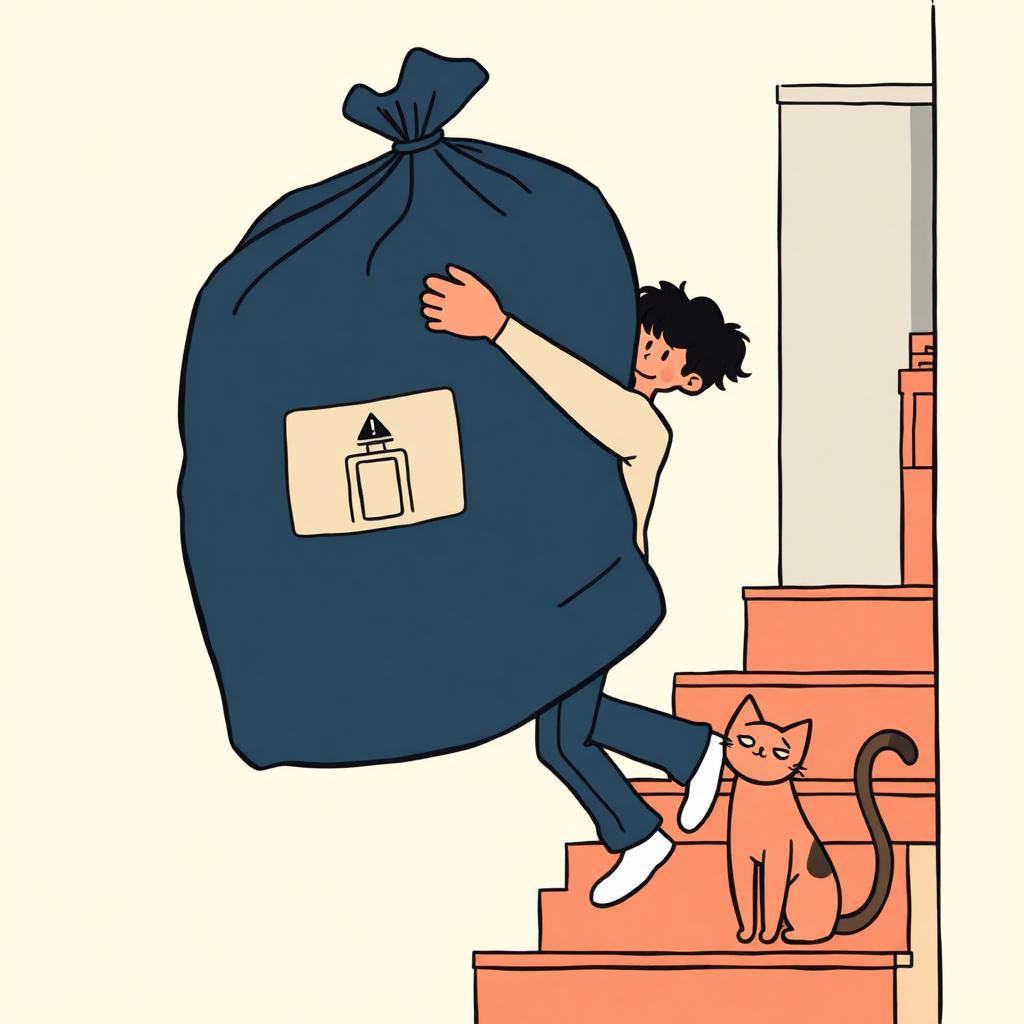
- Litter labels sound reassuring, but “dustless” and “low-dust” are not tightly defined claims.
- Fine particles can irritate sensitive cats, trigger coughing, or bother people with asthma and allergies.
- A litter can seem low-dust in the bag but still create clouds when poured, scooped, or tracked.
- Odor, ammonia, pellet breakdown, and box placement often matter as much as the label on the package.
- Choose litter that produces minimal airborne particles during pouring, digging, and scooping, not just in marketing copy.
- Prioritize larger, heavier granules or pellets that resist crumbling and keep dust down over time.
- Keep the box clean and well ventilated so ammonia and moisture do not add another respiratory irritant.
- If your cat or household is sensitive, a low-dust plant-based pellet litter such as NEKO can be a practical option because tofu pellets typically create fewer fine particles than many loose granular litters.
Why the dustless vs low dust litter label is only the starting point
The main problem with the dustless vs low dust litter debate is that neither term has a universal technical standard in everyday pet retail. One brand may call a litter “dustless” because it creates less visible dust than its older formula. Another may say “low-dust” because it tested better during packaging or transport. Neither claim tells you exactly what happens when your cat jumps in, digs hard, covers waste, and launches particles into the air at nose level. That matters because cats spend time with their face inches from the litter, and people often breathe in whatever gets released while pouring or scooping. For households dealing with asthma, allergies, chronic bronchitis, or a cat with a history of sneezing or airway irritation, the useful question is not what the bag promises. It is how the litter behaves across a full week of real use. A truly respiratory-friendly litter should stay stable when handled, release very little visible dust, and avoid breaking down into powder as moisture builds. If you shop by label alone, you can still end up with a box that looks clean but stirs up irritants every day.
What actually affects respiratory health around a litter box
Dust is only one piece of the respiratory picture. Fine particles matter because they can irritate the nose, throat, and lower airways, especially in sensitive people and cats. But litter boxes also produce ammonia as urine sits and bacteria break waste down. That sharp smell is not just unpleasant. In a poorly maintained or poorly ventilated box, it can add another layer of irritation. Fragrances can do the same. A heavily scented litter may seem fresher, but perfumes often mask odor instead of solving it, and some cats avoid strong smells entirely. Texture matters too. Litters made of fragile granules can shed particles with every paw stroke, while more stable pellets tend to stay intact longer. Moisture handling is another factor. If a litter absorbs urine quickly and forms stable clumps, less wet material sits exposed, which can help keep odor and ammonia down. If it turns mushy, dusty, or sticky as it absorbs, the box can become both dirtier and more irritating. Respiratory health around litter is really a mix of particle control, odor chemistry, cleaning routine, and location. Looking at only the dust claim misses half the problem.
How litter material changes dust production
Material choice has a huge effect on how much dust a litter produces. Clay litters, especially fine-grained clumping formulas, often have the highest risk of visible dust because the granules can abrade against each other in the bag and during scooping. Some perform better than others, but the basic texture makes particle release more likely. Crystal litters can be less dusty in some cases, though small broken fragments may still irritate paws and contribute debris over time. Paper litter usually starts out low in dust, particularly in pellet form, but it can flatten, fray, or hold moisture in ways that affect odor control. Wood pellets are often low in airborne dust at first, yet some break down into sawdust after repeated wetting. Tofu litter sits in an interesting middle ground. Because it is typically extruded into firmer pellets, it often starts with fewer loose particles than fine granular litter and tends to stay relatively stable if the formula is well made. That does not make every tofu litter dustless. It does mean the pellet structure can work in your favor. If dust control is the priority, heavier pellets that resist crumbling usually outperform very fine, lightweight particles, regardless of what the package says.
Particle size, weight, and breakage matter more than marketing terms
The physical behavior of the litter matters more than the adjective on the front of the bag. Three details tell you a lot: particle size, particle weight, and breakage rate. Very small particles are easy to kick up. Lightweight particles stay airborne longer. Brittle particles crack into more dust each time your cat digs. Put those three together and even a “low-dust” litter can become a problem by day three or four. Larger pellets or denser granules usually settle faster and are less likely to hang in the air. That is why some pellet litters feel noticeably easier on the lungs even when they are not perfect. Watch what happens when you pour a fresh bag into the box. Then watch again after several days of use, when urine, scratching, and scooping have stressed the material. If the bottom of the box develops a layer of powder, the litter is degrading. If you see a puff when you remove clumps, same issue. A genuinely better litter for respiratory sensitivity should stay structurally consistent through normal use. NEKO’s tofu pellet format is designed around that principle: fewer fine particles at the start and less breakdown with routine scooping. The honest test is still simple. Pour it, scoop it, and look at the air.
How to evaluate a litter at home without special equipment
You do not need lab tools to compare litters in a useful way. Start with the pour test. Slowly pour a fresh amount into a clean box near a window or under bright side lighting. Visible haze tells you something immediately. Next, do the scoop test after the litter has been used for a few days. Remove one clump and watch whether a cloud appears around the scoop or box edge. Then check the base of the box. Rub a gloved finger along the bottom or corners. A noticeable powder layer means the litter is grinding down. You should also check surrounding surfaces. A shelf, floor, or dark mat near the box can reveal whether fine dust is escaping. For households with sensitive airways, compare how the room smells six to twelve hours after cleaning. Strong ammonia or perfume means the box may still be irritating even if dust is low. Finally, watch your cat. Sneezing once in a while is not unusual, but repeated coughing near the box, reluctance to dig, or quick exits after use can suggest the litter is bothering them. The best home test is not one dramatic moment. It is the pattern across a week of normal use, including pouring, digging, clumping, tracking, and odor control.
Litter box setup can reduce breathing irritation as much as the litter itself
Even a good low-dust litter can underperform in a bad setup. A covered box may trap odor and encourage higher ammonia concentration right where your cat’s face sits, especially if ventilation is poor. Some cats tolerate that. Sensitive cats may not. Open boxes often disperse irritants better, though they can allow more tracking into the room. Placement matters too. A box wedged into a small laundry closet, next to a dryer vent, or in a damp bathroom can hold airborne particles and smells instead of letting them clear. Choose a well-ventilated, quiet area away from food and water. Fill depth matters more than people think. Too little litter exposes the box base quickly, which can increase odor and encourage forceful scratching. Too much can make deep digging and pellet breakage worse. Most cats do well with a moderate depth that supports burying without creating a sandbox. Cleaning frequency also changes the air quality around the box. Daily scooping reduces exposed waste and ammonia. Full refreshes prevent the gradual buildup of fines at the bottom. If someone in the home has asthma, consider wearing a mask during a full litter change or moving that task outdoors or near open airflow. Good litter helps. Good setup makes the help noticeable.
When a cat has asthma, allergies, or chronic sneezing, the margin for error is small
Cats with respiratory issues often show subtle signs before anything dramatic happens. A little wheeze after zoomies, more sneezing after box visits, open-mouth breathing after stress, or a crouched posture during coughing episodes all deserve attention from a veterinarian. Litter will not diagnose or treat those conditions, but it can remove one avoidable irritant. In these cases, unscented formulas are usually the safer bet. A stable pellet litter often makes sense because it reduces the chance of fine dust hanging around the box area. You also want a litter that controls odor without relying on heavy fragrance, since perfumes can be just as annoying as dust. Transition slowly if your cat is particular. Most cats accept a change better over several days, mixing increasing amounts of the new litter into the old one. If symptoms worsen after a switch, stop and reassess. For people in the home with asthma or allergies, consider the whole room, not only the product. Use steady ventilation, vacuum tracked debris with a machine that traps fine particles well, and avoid shaking mats indoors. If you want to trial a litter for a sensitive household, a tofu pellet option like NEKO is a reasonable place to start because pellet structure and low fragrance load typically support cleaner air around the box.
The best low-dust choice also has to be acceptable to your cat
The cleanest air means little if your cat refuses the box. Acceptance depends on texture, scent, depth, and how the litter feels under the paws. Some cats strongly prefer softer, sand-like litter because it resembles what they instinctively want to dig in. Others adapt well to pellets, especially if the pellets are small enough to feel stable rather than awkward. If you switch only for dust control and your cat starts perching on the edge, digging less, leaving waste uncovered, or using rugs instead, the solution has failed. The practical move is to balance respiratory priorities with behavior. Start with one box changed over gradually while leaving another familiar option available if you have multiple boxes. Watch for normal digging, covering, and relaxed post-box behavior. If the cat accepts the new litter and the room feels cleaner to breathe in, you have found a real win. Also remember that “low tracking” and “low dust” are different. A litter can stay out of the air but still ride around the house on paws. Heavier tofu pellets often track less than fine granules, though no litter eliminates tracking completely. The right choice is the one your cat uses consistently while keeping dust, odor, and maintenance at a manageable level.
Common questions
Is dustless vs low dust litter actually different?
Usually, yes in wording, but not in any standardized consumer meaning. “Dustless” suggests very little dust, while “low-dust” suggests reduced dust compared with something else. In practice, both are marketing claims unless you test how the litter behaves during pouring, digging, and scooping. The better question is how much airborne dust you actually see after several days of use.
What type of cat litter is best for respiratory health?
Most sensitive households do best with an unscented litter that releases minimal airborne particles and controls odor without heavy perfume. Stable pellets often perform well because they are less likely to become airborne than very fine granules. A litter also needs good clumping or absorption so urine does not sit and create ammonia.
Can cat litter dust make asthma worse?
It can. Fine particles may irritate the airways in people with asthma and in cats with respiratory sensitivity. Dust is not the only issue, though. Ammonia from urine and strong fragrance can also make breathing discomfort worse. If asthma is a concern, low-dust, unscented litter and frequent scooping are usually smart steps.
Is tofu litter better than clay for dust?
Often, yes, especially when the tofu litter is made as firm pellets. Pellet structure usually creates fewer loose fine particles than many clay litters, particularly fine clumping clay. That said, formulas vary. The best tofu litters stay intact during use instead of softening into crumbs or powder at the bottom of the box.
How can I tell if my cat litter is too dusty?
Look for a visible cloud when you pour it, a puff when you scoop clumps, or a powder layer collecting at the bottom of the box. You may also notice dust settling on nearby surfaces or your cat sneezing more around the box. Those are practical signs that the litter is producing more fine particles than it should.
One switch. Four problems, gone.
Start a NEKO subscription and get your first 7L bag for 40% off. Free shipping, delivered every 4–6 weeks. Skip, pause, or cancel anytime.