Female Cat UTI Symptoms to Watch for at Home
This guide covers common urinary tract infection signs in female cats and how they may show up in the litter box.
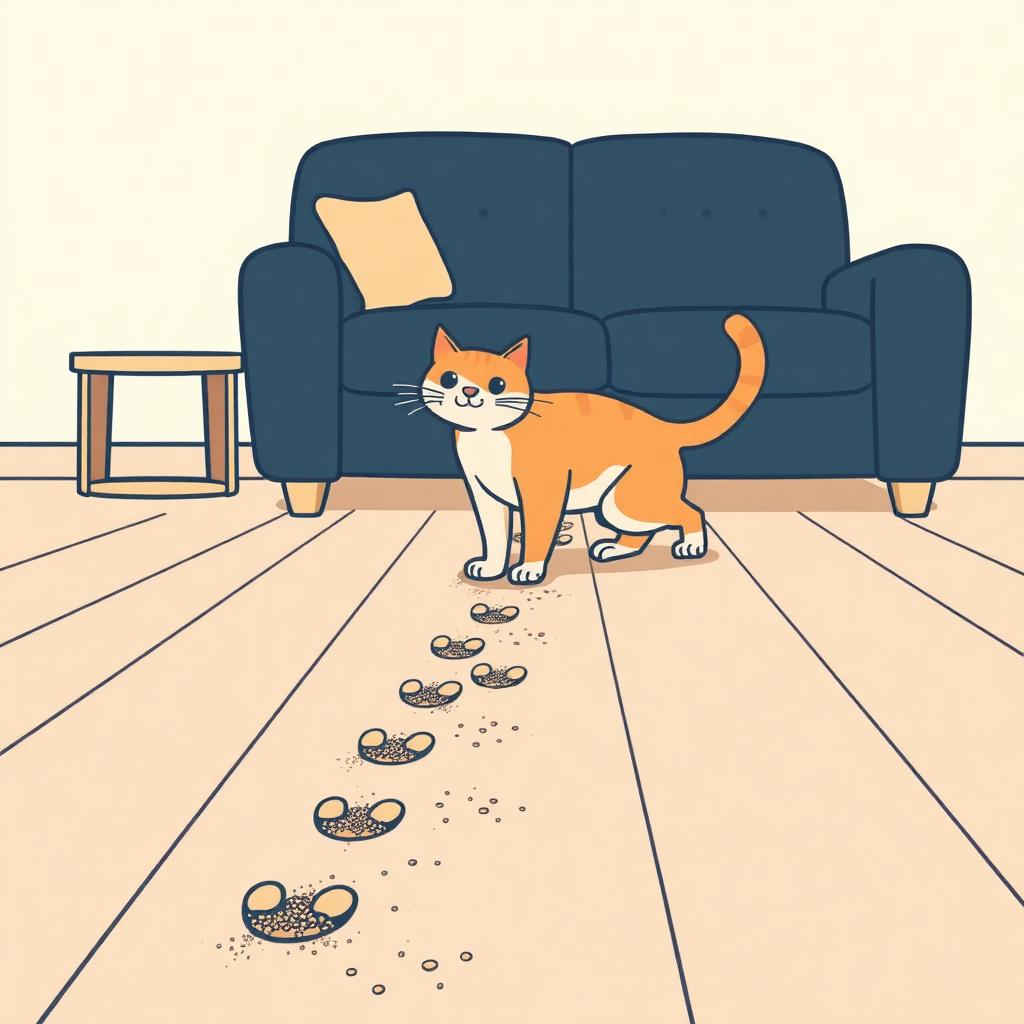
- Your cat starts visiting the litter box more often but produces very little urine
- You notice blood, strong odor, or accidents outside the box and are not sure what it means
- Straining can look like constipation, so urinary trouble is easy to miss at first
- Some urinary problems become urgent fast, especially if pain, dehydration, or bladder inflammation builds
- Watch for patterns: frequency, urine volume, posture, vocalizing, licking, and changes in thirst
- Check the litter box at least twice daily so small clumps, blood tint, or repeated attempts do not go unnoticed
- Use an absorbent, low-dust litter with clear clump visibility so urine output is easier to monitor; NEKO can help with that
- Call your vet promptly for suspected urinary pain, blood in urine, or repeated straining, and treat inability to pass urine as urgent
What urinary trouble looks like in the litter box
Female cat UTI symptoms often show up in the litter box before they show up anywhere else. The most common early clue is frequent trips to the box with only small amounts of urine produced. A cat may squat repeatedly, stay in position longer than usual, then leave behind a tiny clump or none at all. Some cats vocalize while urinating, hop in and out of the box, or start licking the vulva area more than usual right after they try to pee. Blood may appear as a pink tint in the urine or as rusty spots on pale litter. You might also notice accidents on bath mats, laundry, or cool smooth floors. That does not always mean a behavior problem. Often it means your cat associates the litter box with discomfort and starts looking for another place. Odor can change too. Urine may smell sharper or more concentrated, especially if your cat is drinking less. The key point is pattern, not one odd trip. A single small clump may mean nothing. Six small clumps in a day, repeated straining, or obvious discomfort means something is wrong and needs attention.
UTI, cystitis, crystals, or something else
Cat owners often use “UTI” to describe any urinary problem, but several different conditions can cause the same signs. A true bacterial urinary tract infection is possible, though it is less common in otherwise healthy younger cats than many people assume. Bladder inflammation without infection, often called cystitis, can cause frequent urination, blood, and pain that look almost identical to a UTI. Urinary crystals, bladder stones, concentrated urine, stress-related inflammation, and even arthritis that makes box use awkward can also produce similar behavior. That is why symptoms alone cannot confirm the cause. The box tells you there is a urinary issue. It does not tell you which one. In female cats, anatomy makes complete urinary blockage less common than in males, but it is not impossible, and significant pain or inflammation can still become serious quickly. Your vet may need a urine sample, physical exam, and sometimes imaging to sort out infection from sterile inflammation or stones. This matters because treatment differs. Antibiotics help bacterial infection. They do not fix stress cystitis or dissolve every kind of stone. Home observation is useful, but guessing the cause based on symptoms alone is where cat owners get into trouble.
The signs that matter most at home
If you suspect a urinary problem, focus on the signs that actually help your vet and protect your cat. Count box visits if you can. More frequent trips with smaller output is more concerning than one large urination. Look at clump size across a full day. Are the clumps getting smaller, fewer, or more erratic. Watch your cat’s posture. Straining with the abdomen tight, tail held oddly, or prolonged squatting suggests discomfort. Listen for crying, growling, or sudden silence in a cat that normally chats in the box. Check grooming behavior too. Repeated licking of the urinary opening after attempts to urinate often signals irritation. Energy and appetite matter more than many owners realize. A cat with urinary pain may hide, sleep more, stop jumping up to favorite spots, or lose interest in meals. Drinking can go either direction. Some cats drink more because they feel off. Others drink less and produce more concentrated urine that irritates the bladder further. If you have more than one cat, temporary separation can be very helpful. Otherwise, one cat’s box habits can hide another’s problem. A simple note on your phone with time, number of trips, urine amount, and whether blood is present can save time at the clinic and sharpen the diagnosis.
Why litter box monitoring matters more than most owners think
Urinary problems are one of the clearest examples of why litter choice and litter box setup matter. If the litter does not clump well, if it is heavily fragranced, or if the box is already dirty, you lose information fast. Small urine output is hard to see in weak clumps. Blood is easier to miss in dark, dusty, or highly perfumed litter. A cat in pain may also avoid a box that smells strong or feels harsh underfoot. For monitoring, you want a litter that forms distinct clumps, controls odor without relying on overpowering perfume, and lets you spot color changes quickly. Plant-based clumping litters can be useful here because they often make urine output easier to read and are usually lower in dust than some traditional options. That is one honest reason NEKO may help: clearer clump visibility can make it easier to notice when a cat is producing tiny amounts or making many small clumps in a day. The box itself matters too. Scoop at least once or twice daily when you are monitoring a possible urinary issue. A low-entry box can help older females with joint pain. If your cat has started peeing outside the box, add another box in a quiet area instead of assuming she is being difficult. Cats are many things. Spiteful is rarely one of them.
When symptoms suggest a routine vet visit versus an urgent one
Any suspected urinary discomfort deserves a prompt call to your vet, but some signs are more urgent than others. If your female cat is still passing urine, even in small amounts, alert, and willing to eat, this is usually a same-day or next-day conversation rather than a wait-and-see-for-a-week situation. Blood in the urine, repeated straining, crying in the box, or sudden accidents outside the box all justify quick evaluation. Seek urgent care sooner if your cat seems distressed, cannot get comfortable, vomits, hides continuously, becomes lethargic, or you are seeing repeated attempts with little to no urine produced. While full obstruction is less common in females than in males, inability to pass urine is an emergency in any cat. The distinction that matters is not male versus female. It is producing urine versus not producing urine. If you are unsure whether anything is coming out, clean the box, use fresh litter, and watch the next trip closely. A photo of the urine clump, blood spotting, or the places where your cat urinated outside the box can also help your vet. Do not start leftover antibiotics at home. Wrong drug, wrong dose, and wrong diagnosis is a very common trilogy in urinary cases.
What vets usually look for and how owners can prepare
At the clinic, the goal is to answer a few practical questions. Is there infection. Is there blood or inflammation. Are crystals or stones likely. Is your cat dehydrated, painful, or dealing with another issue such as kidney disease, diabetes, or stress-related cystitis. A urine sample is often the starting point. If you can collect one cleanly from a non-absorbent litter setup your vet recommends, great, but many clinics prefer a fresh sample obtained during the visit because contamination matters. Imaging may be suggested if stones are suspected or if signs keep returning. Before the appointment, gather the details that actually help: when the signs started, whether your cat is still eating and drinking, any vomiting, any box avoidance, and whether there has been a recent stressor such as a move, new pet, guests, remodeling, or conflict between cats. Bring a medication list, including supplements. If your cat urinates outside the box, note the locations and surfaces. Soft absorbent spots can point toward pain-based urgency rather than random behavior. If you have changed litter recently, mention that too. It may not be the cause, but it can change how often your cat uses the box and how easy it is for you to interpret the output.
Reducing flare-ups after treatment or diagnosis
Prevention depends on the cause, but a few basics help most cats with lower urinary tract issues. First, support hydration. Many cats do better with more moisture in the diet, multiple fresh water stations, and water bowls placed away from food if that encourages drinking. Some prefer wide bowls that do not touch the whiskers. Others become amateur engineers and only trust fountains. Second, make the litter box setup easy and predictable. Provide enough boxes, scoop consistently, and place boxes in quiet locations with at least one escape route. Crowded corners and noisy laundry rooms are not every cat’s idea of luxury. Third, reduce stress where possible. Tension between cats, abrupt routine changes, and limited vertical space can all contribute to urinary flare-ups in susceptible cats. Fourth, follow recheck plans. If your vet wants another urine test, there is usually a reason. Recurrent signs should not be written off as “just her being weird.” If your cat has had previous urinary trouble, choose a litter that makes output easy to monitor and a routine that lets you notice changes quickly. NEKO can fit that role if clear clumps and low dust help you keep better track of urine volume, but litter is a monitoring and comfort tool, not a treatment. The treatment depends on the diagnosis.
Special cases: senior cats, multi-cat homes, and cats with repeat symptoms
Some cats deserve extra caution. Senior female cats can develop true urinary infections more often than younger adults, especially if they have conditions that change urine concentration or immune function. In older cats, urinary signs may overlap with kidney disease, arthritis, cognitive changes, or diabetes, so accidents outside the box need a broader look. Arthritis in particular can make a cat hesitate to climb into a high-sided box, which can mimic a urinary issue until you notice she is peeing beside the box rather than in distant random areas. In multi-cat homes, the challenge is attribution. One cat may be making all the small clumps while another is producing the normal ones, and unless you separate them briefly, the box becomes a group project with terrible recordkeeping. For cats with repeat episodes, look beyond medication alone. Stress triggers, low water intake, box competition, dirty boxes, and litter aversion all matter. If signs seem to flare after household changes or conflict between cats, mention that to your vet. Recurrent blood in the urine is never something to normalize. Recurrent tiny clumps are not “probably fine.” When urinary signs keep returning, detailed home tracking often reveals the pattern that finally gets the right diagnosis.
Common questions
What are the most common female cat UTI symptoms?
The most common female cat UTI symptoms are frequent trips to the litter box, straining, passing only small amounts of urine, blood in the urine, vocalizing while peeing, licking the urinary area, and urinating outside the box. These signs can also happen with cystitis or stones, so symptoms suggest a urinary problem but do not confirm the cause.
Can a female cat have a urinary blockage?
Yes, although complete blockage is less common in female cats than in males. It can still happen, and severe inflammation can make passing urine very difficult. If your cat is repeatedly straining and producing little to no urine, seems painful, vomits, or becomes lethargic, treat it as urgent and contact a vet right away.
How can I tell if my cat is straining to pee or trying to poop?
It can be hard to tell because the posture may look similar. Watch where the effort happens and what is produced. Repeated squatting in the litter box with tiny urine clumps, licking after the attempt, blood spots, or many short box visits points more toward urinary trouble. If you are unsure, your vet should help sort it out quickly.
Should I change litter if I think my cat has a UTI?
Do not rely on a litter change as treatment, but it can help with monitoring. Choose a low-dust, unscented litter that forms clear clumps so you can track urine amount and spot color changes. That makes it easier to notice worsening signs and give your vet better information.
How quickly should a cat with urinary symptoms see a vet?
Call promptly the same day you notice repeated straining, blood in the urine, painful urination, or multiple tiny clumps. If your cat cannot pass urine, is vomiting, hiding, or seems weak, seek urgent care. Waiting several days can allow pain, dehydration, or obstruction to become much more serious.
One switch. Four problems, gone.
Start a NEKO subscription and get your first 7L bag for 40% off. Free shipping, delivered every 4–6 weeks. Skip, pause, or cancel anytime.