How to Watch for UTI Signs in a Multi-Cat Home
Get practical strategies for tracking which cat is peeing, spotting changes, and reducing litter box stress in shared homes.
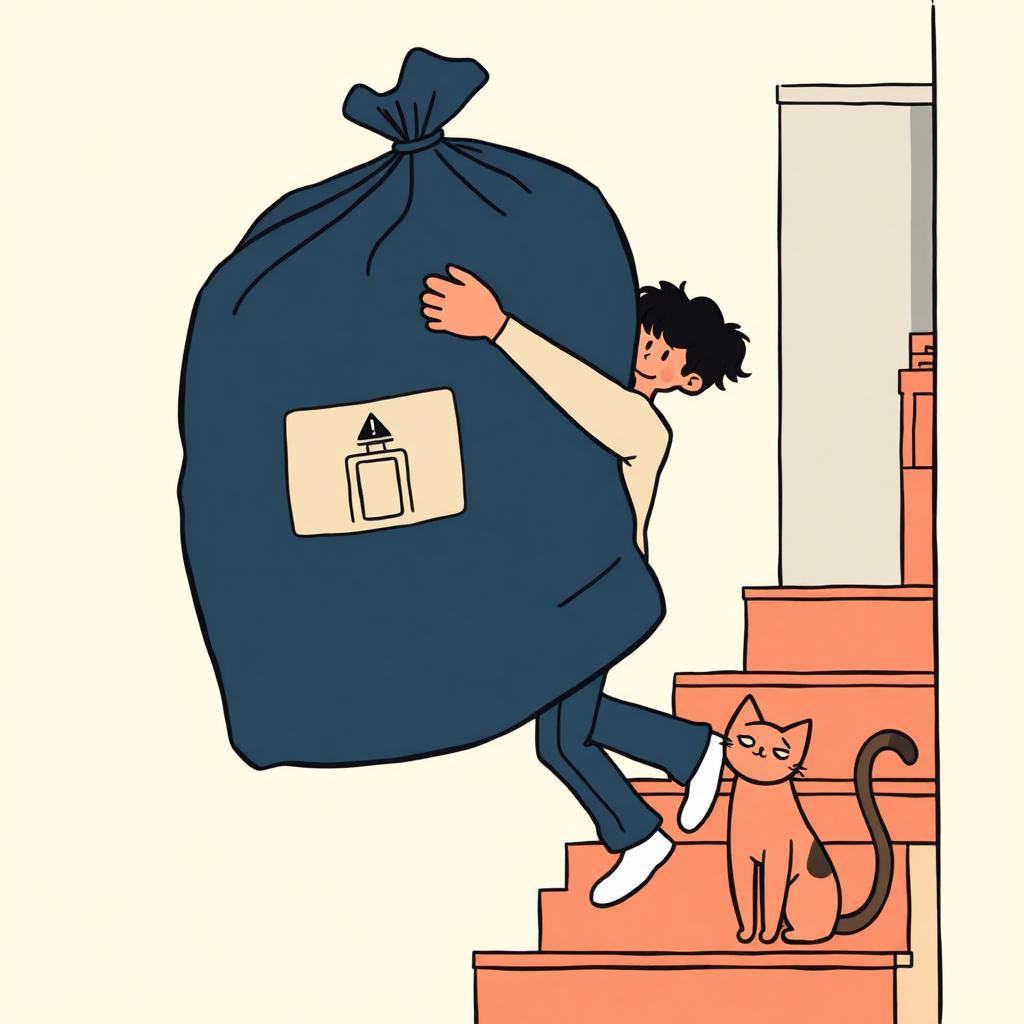
- You notice clumps look different, but you cannot tell which cat made them.
- One cat may be straining, peeing small amounts, or visiting the box more often without obvious accidents.
- Shared litter boxes can hide early urinary changes until a cat is already uncomfortable.
- Stress, crowding, and box competition can trigger litter box changes that look like a medical issue.
- Set up enough litter boxes in separate locations so each cat can toilet without being blocked or watched.
- Track pee size, frequency, posture, and timing for each cat with a simple written log or camera near the box.
- Use a litter that makes urine output easy to see and scoop cleanly; NEKO can help because distinct clumps are easier to monitor.
- Treat straining, repeated box trips, crying, blood, or no urine produced as same-day veterinary problems.
Why multi cat UTI signs are easy to miss
In a one-cat home, urinary changes usually stand out fast. In a shared home, the clues blur together. You may see more frequent box visits, smaller urine clumps, or a cat hovering around the tray, but unless you catch the act, you do not know who did what. That is the main reason multi cat UTI signs often get spotted late. One cat can compensate by using a different box, peeing in tiny amounts, or hiding discomfort until the irritation is more severe. Meanwhile, another cat may simply be digging more, drinking more, or guarding the box, which muddies the picture. Urinary tract irritation can also look like a behavior problem at first. A cat that starts peeing on bath mats may not be “being difficult.” That cat may associate the box with pain or feel too stressed to use a crowded station. The goal in a multi-cat home is not just watching litter. It is linking changes in urine, posture, timing, and behavior to the right individual cat. Once you do that, you can tell the difference between a cat who is stressed, a cat with possible urinary inflammation, and a cat who needs urgent care.
Know the signs that matter most
The classic urinary warning signs are fairly consistent. A cat with a possible UTI or lower urinary tract problem may make repeated trips to the litter box, squat for a long time, pass only tiny amounts of urine, lick the genital area more than usual, vocalize while trying to pee, or leave spots outside the box. Blood-tinged urine can happen, but you should not wait for visible blood before acting. The more useful daily clue is a change from that cat’s normal pattern. If one cat usually produces two or three decent urine clumps a day and now seems to be producing many tiny clumps, that matters. If a cat enters the box often and leaves little behind, that matters too. Behavior around the box also counts. Restlessness, hesitation before entering, abruptly jumping out, or choosing cool smooth surfaces like a sink or tub can point to urinary discomfort. One caveat: not every cat with these signs has a bacterial UTI. Many cats, especially younger to middle-aged adults, have urinary inflammation or stress-related lower urinary tract disease rather than a true infection. For owners, the first step is the same either way: identify the cat, document the pattern, and contact your vet when urination changes.
The emergency line: when it may be a blockage, not a simple UTI
There is one mistake cat owners cannot afford to make: assuming every urinary issue can wait. If a cat is straining and producing little or no urine, especially a male cat, think possible urinary blockage. A blocked cat may go in and out of the litter box repeatedly, crouch and push, cry, lick the area obsessively, hide, vomit, or seem suddenly lethargic. Owners sometimes confuse this with constipation because the posture can look similar. The difference is that a blocked cat cannot empty the bladder normally, and that can become life-threatening quickly. Do not monitor that at home to “see if it passes.” Same-day veterinary care is the right move. Even if it turns out to be severe inflammation rather than a blockage, straining without normal urine output needs prompt assessment. In a multi-cat home, this is where observation quality matters. A single small clump in a shared tray does not prove the straining cat peed. Another cat may have made it. If you suspect one cat is trying and failing to urinate, isolate that cat briefly with water, a litter box, and a quiet room so you can confirm output. It is not overreacting. It is the fastest way to tell who needs help.
How to figure out which cat is peeing
The practical problem in shared homes is identification. Start with controlled observation, not guesswork. For two to four cats, the easiest method is temporary rotation: give each cat short supervised access to a clean box in a separate room once or twice a day, especially if you already suspect a problem. You are looking for whether urine is produced, how much, how long the cat postures, and whether the cat seems comfortable. If isolating cats is stressful, use low-tech tracking instead. Place a simple pet camera facing each litter station and review timestamps when you notice an odd clump pattern. Keep boxes unscented and scooped so clumps stay distinct. A litter that forms clear, separate clumps is helpful because merged wet patches tell you almost nothing. This is one place where NEKO can honestly be useful in a multi-cat setup: cleaner clump definition makes output easier to compare from morning to evening. You can also note paw prints, digging style, or preferred boxes, since many cats develop routines. Some owners even use different box types in different rooms to learn preferences. The point is not to turn your home into a lab. It is to create enough structure that when something changes, you can connect the urine and the behavior to one actual cat.
Set up litter boxes so stress does not create false alarms
Urinary signs and litter box stress overlap all the time. A cat that avoids a box because another cat ambushes the doorway may start holding urine longer, peeing in odd places, or making frantic short visits that look medical. That is why good setup is part of UTI monitoring, not a separate topic. Most vets and behaviorists recommend at least one box per cat plus one extra, spread across more than one area of the home. The spread matters as much as the count. Three boxes lined up in one laundry room function like one guarded bathroom if a confident cat controls access. Place boxes on different floors or in separate zones, with easy entry and a clear escape route. Avoid dead-end closets where one cat can trap another. Large open boxes are usually easier for observation because you can see posture and duration. Scoop at least daily, more often in busy homes, so urine changes are visible and cats are not put off by a dirty tray. Keep the basics consistent while you monitor. If you switch litter, box style, and location all at once, you create behavior changes that can confuse the picture. The less social friction around toileting, the easier it is to tell whether a cat is sick or simply stressed.
Build a simple urine log you will actually use
You do not need a spreadsheet obsession. You need a repeatable record for a week or two. Use a notebook, notes app, or whiteboard near the litter area. Track each cat’s likely box visits, time of day, length of time in the box, whether urine seemed normal, small, or absent, and any extra signs such as licking, vocalizing, or accidents. If you can identify a cat on camera, jot the timestamp and what happened. If you isolate one cat briefly, record whether a normal clump appeared within a reasonable period after access to a clean box. Also note water intake changes if obvious, especially if one cat is spending more time at the fountain. The value of a log is pattern recognition. A single odd trip may mean little. Six tiny urinations over an afternoon is different. The log is also useful for your vet. Saying “he seems off” is less actionable than “he visited the box nine times after dinner, squatted for 20 to 30 seconds each time, and produced only pin-small clumps twice.” If your litter forms visible, scoopable clumps, you can compare output from day to day more easily. That does not diagnose the cause, but it helps you spot deterioration early instead of trying to reconstruct events from memory.
What can mimic a UTI in a shared home
Not every urinary-looking problem is an infection, and not every accident means a bladder issue. Stress-related feline lower urinary tract disease can cause frequent urination, blood, and pain signs without a bacterial infection. Bladder stones, crystals, arthritis, constipation, diabetes, kidney disease, and even obesity can change litter habits or urine volume. A senior cat with sore hips may perch awkwardly or eliminate partly outside the box because the sides are too high. A constipated cat may strain in a way that looks urinary. A cat drinking more for another medical reason may create larger clumps and more frequent trips, which can trigger concern for the wrong reason. In multi-cat homes, social conflict adds another layer. One cat may mark vertical surfaces, another may avoid a hallway box because it feels unsafe, and a third may simply prefer a cleaner tray. None of that rules out disease, but it should stop owners from self-diagnosing a UTI every time litter behavior changes. The practical answer is to pair observation with context. Look at posture, output, frequency, location, and the social environment around the box. Then have your vet sort the medical cause. Your job is not to identify the exact diagnosis from the clump. Your job is to notice that normal has changed and describe how.
How vets usually work up urinary problems, and how to prepare
Once you have identified the likely cat, a vet will usually want a history of symptoms, a physical exam, and often a urine sample. In some cases, imaging or other tests are needed to look for stones, crystals, or bladder changes. The useful part for owners is preparation. Bring your log. Bring clear notes on when signs started, whether the cat is male or female, whether the cat has had urinary issues before, what the litter habits were like before the change, and whether any household stressors changed recently. Stressors can be surprisingly relevant: new pets, guests, renovations, travel, resource competition, or a box moved next to a noisy machine. If your vet asks for a urine sample, follow their instructions rather than improvising. In multi-cat homes, that usually means isolating the suspected cat with a clean box for a short period so the sample or observation belongs to the right individual. Continue monitoring after treatment starts. A cat may seem better because the box trips are less dramatic, but recurring tiny clumps or renewed straining can signal that the problem is not resolved. Good monitoring also helps with prevention, because once you know each cat’s ordinary pattern, future changes are much easier to spot before they turn into a late-night emergency.
Common questions
How do I tell which cat has urinary problems in a multi-cat home?
Use short-term separation with a clean litter box, or set up a camera aimed at each box and review who used it and when. Watch for repeated box visits, long squatting, tiny urine clumps, vocalizing, and genital licking. In multi-cat homes, identifying the individual cat matters more than interpreting the litter alone.
What are the most important multi cat UTI signs to watch for?
The most important multi cat UTI signs are frequent litter box trips, straining, small amounts of urine, blood-tinged urine, crying while peeing, overgrooming the genital area, and peeing outside the box. A change from that cat’s usual pattern is often the earliest clue.
Can stress from sharing litter boxes cause urinary symptoms?
Yes. Stress and box competition can contribute to urinary flare-ups and can also mimic them. A cat that feels blocked, watched, or ambushed may avoid the box, hold urine longer, or urinate in unusual places. More boxes in separate locations usually reduce that pressure.
When is straining to pee an emergency?
If a cat is repeatedly trying to urinate and producing little or nothing, treat it as urgent, especially in male cats. A urinary blockage can become dangerous quickly. Do not assume another cat made the urine you see in a shared box. Isolate the cat briefly and call your vet the same day.
Does the type of litter help with monitoring urinary issues?
It can. A low-dust, unscented litter with clear clumping makes urine output easier to see and compare from day to day. That does not diagnose a UTI, but it can help you notice changes faster. In a shared home, better clump visibility can make tracking much less of a guessing game.
One switch. Four problems, gone.
Start a NEKO subscription and get your first 7L bag for 40% off. Free shipping, delivered every 4–6 weeks. Skip, pause, or cancel anytime.