Plant-Based Litter vs Crystal: A Clear Comparison of Performance and Practicality
Compare crystal litter with plant-based alternatives on odor control, tracking, dust, and how often the box needs care.
- Crystal litter can seem low-maintenance at first, then suddenly smell bad once the tray is saturated.
- Some cats dislike sharp or hard granules and start avoiding the box or perching awkwardly.
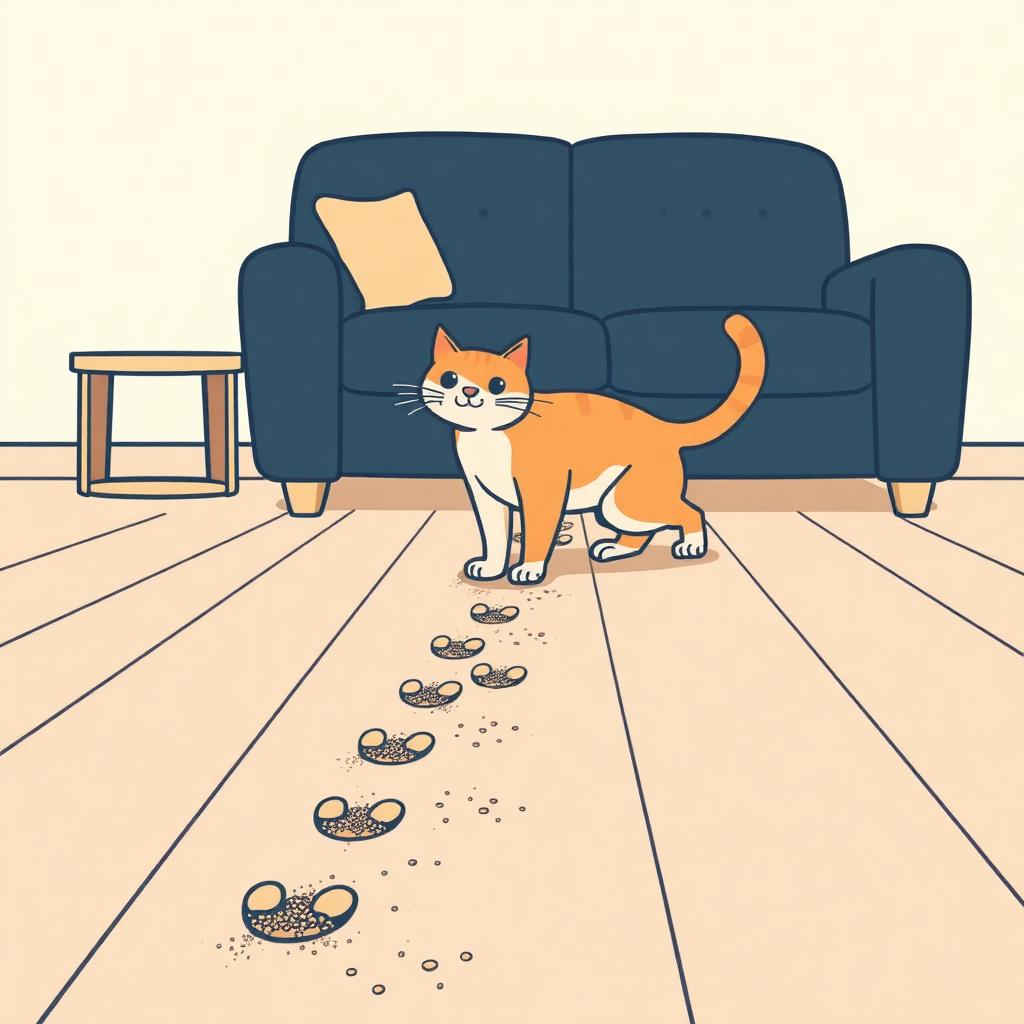
- Dust, tracking, and urine pooling vary a lot between litter types, which makes daily cleanup inconsistent.
- Cat owners often want a cleaner, lower-waste option without giving up odor control.
- Compare how each litter handles urine, solids, odor, dust, and paw comfort before switching.
- Use a gradual transition over several days so your cat accepts the new texture and scent.
- If you want a plant-based option, choose one that clumps quickly and stays low-dust, such as NEKO.
- Match the litter to your real routine: scooping frequency, number of cats, box style, and tolerance for tracking.
What cat owners are really comparing in plant-based litter vs crystal
The real question in plant-based litter vs crystal is not which material sounds more advanced. It is which one keeps the box usable, smells under control, and fits the way you actually clean. Crystal litter is usually made from silica gel granules that absorb urine and slowly release moisture. Plant-based litter is made from renewable materials such as tofu, wood, corn, wheat, or paper, though performance differs a lot by formula. The day-to-day experience is where the difference shows. Crystal litter often asks you to stir and wait, because urine is absorbed into the granules rather than formed into a scoopable clump. Plant-based litter, especially clumping tofu-based litter, tends to trap urine fast so you can remove it directly. That changes odor, hygiene, and how often the whole box needs replacing. For many households, the better choice comes down to a simple tradeoff: absorb-and-refresh versus clump-and-remove. If you have one healthy adult cat and do not mind periodic full changes, crystal can work. If you want more predictable scooping, softer texture, and less lingering urine in the tray, plant-based litter usually makes daily maintenance easier.
How each litter actually handles urine and odor
Odor control depends on what happens in the first few seconds after your cat urinates. Crystal litter absorbs liquid into porous granules. That can reduce surface wetness quickly, but the urine stays in the box until the entire tray is changed. As the crystals approach saturation, smell can go from manageable to obvious with very little warning. This is why some people feel crystal is effortless for a week and terrible on day eight. Plant-based clumping litter works differently. It binds wet spots into a defined mass that can be removed during routine scooping, taking much of the odor source out with it. That does not mean every plant-based litter outperforms crystal. Weak clumps break apart, and poor absorbency leaves damp residue at the bottom of the box. But a good plant-based formula usually gives more consistent odor control because the waste leaves the tray instead of aging inside it. Solid waste matters too. Crystals do not neutralize the smell of uncovered feces by magic. If your cat does not bury well, odor control depends more on prompt scooping than on the litter type. The practical takeaway is simple: crystal manages moisture by storing it, while plant-based litter manages it by containing and removing it.
Scooping, full changes, and how much work each system creates
A litter can look low-maintenance on the shelf and become annoying in real life. Crystal litter is often marketed as requiring less scooping because urine does not form clumps. In practice, most owners still scoop feces daily, stir the crystals to distribute moisture, and watch for yellowing or saturation. Once enough urine has built up, the box usually needs a full dump and clean. That reset can be more dramatic because the entire tray contains aged urine. Plant-based clumping litter shifts the work into short daily sessions. You scoop urine clumps and solids, top up as needed, and do a full wash on a regular schedule. For many people, that feels easier because the box stays more stable and there is less guesswork. Multi-cat homes usually notice this difference fast. More urine means crystal litter saturates sooner and can develop strong odor pockets, especially in corners or under a grate. A strong clumping plant-based litter often scales better because each deposit can be removed. If your cleaning style is little and often, plant-based tends to fit better. If you strongly prefer fewer interactions with the box and can tolerate occasional full swaps that smell like a chemistry set gone wrong, crystal may still appeal.
Dust, tracking, and paw feel are not minor details
Cats experience litter with their paws first, and owners experience it on the floor five minutes later. Crystal litter is typically lower in airborne dust than some clay litters, but that does not automatically make it cleaner overall. Some crystal granules are coarse, sharp-edged, or noisy underfoot, which certain cats dislike. Sensitive cats may hesitate to dig properly, balance on the edge, or avoid the tray altogether. Plant-based litter varies by shape and cut. Tofu-based pellets are often softer and easier on paws, while finer plant granules may feel more natural to cats who like digging. Tracking is a separate issue. Small crystals can travel farther than people expect, and stepping on one barefoot is a memorable experience for all the wrong reasons. Pellet-style plant litter may track less because the pieces are larger, though some formulas break down into smaller bits over time. Dust also depends on how the bag is handled, how dry the litter is, and whether the product crumbles as cats dig. A low-dust plant-based litter with firm clumps can be a strong middle ground: gentler texture than crystal, less mess than many fine litters. If your cat has respiratory sensitivity or dislikes rough substrate, texture deserves as much weight as odor claims.
Sustainability and disposal: where plant-based usually pulls ahead
If sustainability matters to you, crystal litter and plant-based litter are not close equivalents. Crystal litter is generally a silica-based product designed for absorbency and long wear, but it is not renewable in the way plant-derived materials are. Once used, it still becomes landfill waste. Plant-based litter is usually made from agricultural or food-related byproducts or renewable crops, which lowers the dependence on mined materials. That does not make every plant litter automatically perfect. Transport, packaging, flushing claims, and source material all matter. But on a practical environmental level, plant-based litter usually offers a better starting point because the raw materials are renewable and the used litter often weighs less over time when you are removing clumps rather than discarding an entire saturated tray. Disposal rules still matter. Most vets and municipalities recommend putting used cat litter in the trash unless local guidance clearly says otherwise, because cat waste can carry pathogens. So the sustainable advantage is not that you should flush it. It is that the base material is typically more renewable and the cleaning method can be more efficient. If that is important to you, a clumping tofu litter like NEKO is easier to justify than a box of crystals that simply stores waste until bin day.
When crystal litter makes sense and when plant-based is the better fit
Crystal litter can be a reasonable choice in a few specific situations. One-cat households sometimes like it because the box can look dry between cleanings, and some people prefer not seeing urine clumps. It may also suit owners who travel short stretches and use a large box with plenty of litter depth, assuming someone still checks the tray. But crystal becomes less convincing when your cat is picky, your home is small, or you have more than one cat. In those setups, odor changes are more noticeable and saturation happens faster. Plant-based clumping litter is usually the better fit for multi-cat homes, cats with sensitive paws, and owners who want a clear daily reset. It also makes monitoring urinary health easier. A sudden increase in clump size or frequency is more visible than slowly darkening crystals, and that can help you notice changes worth discussing with a vet. Kittens and senior cats may also prefer a softer, more stable surface. If your priority is predictable maintenance and fewer odor surprises, plant-based tends to win. If your priority is stretching time between full changes and you know your cat accepts the texture, crystal can still be functional. The best litter is not the one with the boldest packaging. It is the one your cat uses comfortably and you can manage consistently.
How to switch without causing litter box drama
Cats are famous for treating change as a personal insult, so switching litter should be boring and gradual. Start by adding a small amount of the new litter to the old one, usually around a quarter of the total volume. Keep that mix for a couple of days while watching your cat's behavior. If your cat keeps using the box normally, move to a half-and-half mix, then mostly new litter, then fully new litter over roughly five to seven days. Very sensitive cats may need longer. If you are moving from crystal to plant-based clumping litter, scoop more often during the transition because mixed substrates can form uneven clumps. Keep the box depth consistent so the texture changes but the feel underfoot does not become too shallow or too deep. Avoid changing the box type, location, and cleaning products at the same time. That is how you turn a simple litter switch into a detective story. If your cat has a history of inappropriate elimination, set up a second box with the new litter rather than forcing one mixed option. This gives your cat control and gives you cleaner feedback. A well-made plant-based litter such as NEKO tends to be easier for cats to accept when the texture is soft and the scent is neutral.
Advanced tips for getting better performance from either litter
Most litter complaints are partly product issues and partly setup issues. Box size is the first fix. A cramped tray concentrates odor and causes wet spots to build in the same area, especially with crystal litter. Aim for a box large enough that your cat can turn comfortably and choose different zones. Depth matters too. Too little crystal litter saturates fast. Too little plant-based clumping litter leads to pancake clumps stuck to the bottom. A litter mat helps both types, though it is especially useful for crystal tracking and lightweight plant pellets. Scoop timing also changes results. Removing solids quickly does more for smell than any fragrance ever will. For plant-based litter, break up weak spots immediately if a clump forms against the wall before it hardens there. For crystal litter, stir the tray only if the manufacturer recommends it and replace it as soon as you notice persistent odor after stirring. Covered boxes can help with visual mess, but they also trap humidity and smell, which may shorten the useful life of crystal litter and make plant-based litter seem stronger than it is. Finally, keep one variable honest: if odor is recurring despite good cleaning, consider hydration, diet, or urinary health rather than blaming the litter alone. The box is often reporting on the cat.
Common questions
Is plant-based litter better than crystal litter?
For many homes, yes. Plant-based litter is often better at day-to-day odor control because urine clumps can be removed instead of stored in the box. It is also usually softer on paws and based on renewable materials. Crystal litter can still work for a single cat if you prefer fewer scoopable urine spots and do not mind full tray changes when it saturates.
Which lasts longer: plant-based litter or crystal?
Crystal litter can seem to last longer because it absorbs urine without forming clumps, so the tray volume changes more slowly. But usable life depends on how many cats use the box and how quickly odor builds. In multi-cat homes, a strong clumping plant-based litter often feels more efficient because waste is removed daily rather than left to accumulate.
Does plant-based litter control odor as well as crystal?
A good plant-based clumping litter often controls odor more consistently than crystal because it removes the urine source from the box. Crystal can control moisture well at first, but smell tends to rise once the granules near saturation. Performance depends on scooping habits, box size, and whether your cat buries waste properly.
Is plant-based litter vs crystal better for cats with sensitive paws?
Plant-based litter is usually the safer bet for sensitive paws. Many plant-based formulas, especially tofu-based options, feel softer and quieter underfoot than coarse crystals. Some cats tolerate crystal just fine, but others dislike the hard texture and may dig less, perch on the edge, or avoid the box. If your cat is picky, texture matters.
Can I switch from crystal litter to plant-based litter quickly?
It is better to switch gradually over several days. Mix a small amount of plant-based litter into the crystal litter, then increase the ratio step by step. This reduces the chance that your cat rejects the new texture. If your cat is especially sensitive or has previous litter box issues, offer a second box with the new litter instead of forcing one mixed box.
One switch. Four problems, gone.
Start a NEKO subscription and get your first 7L bag for 40% off. Free shipping, delivered every 4–6 weeks. Skip, pause, or cancel anytime.