Why Some Cats Sneeze After Using the Litter Box
Understand how dust, fragrance, litter texture, and underlying illness can lead to sneezing after litter box visits.
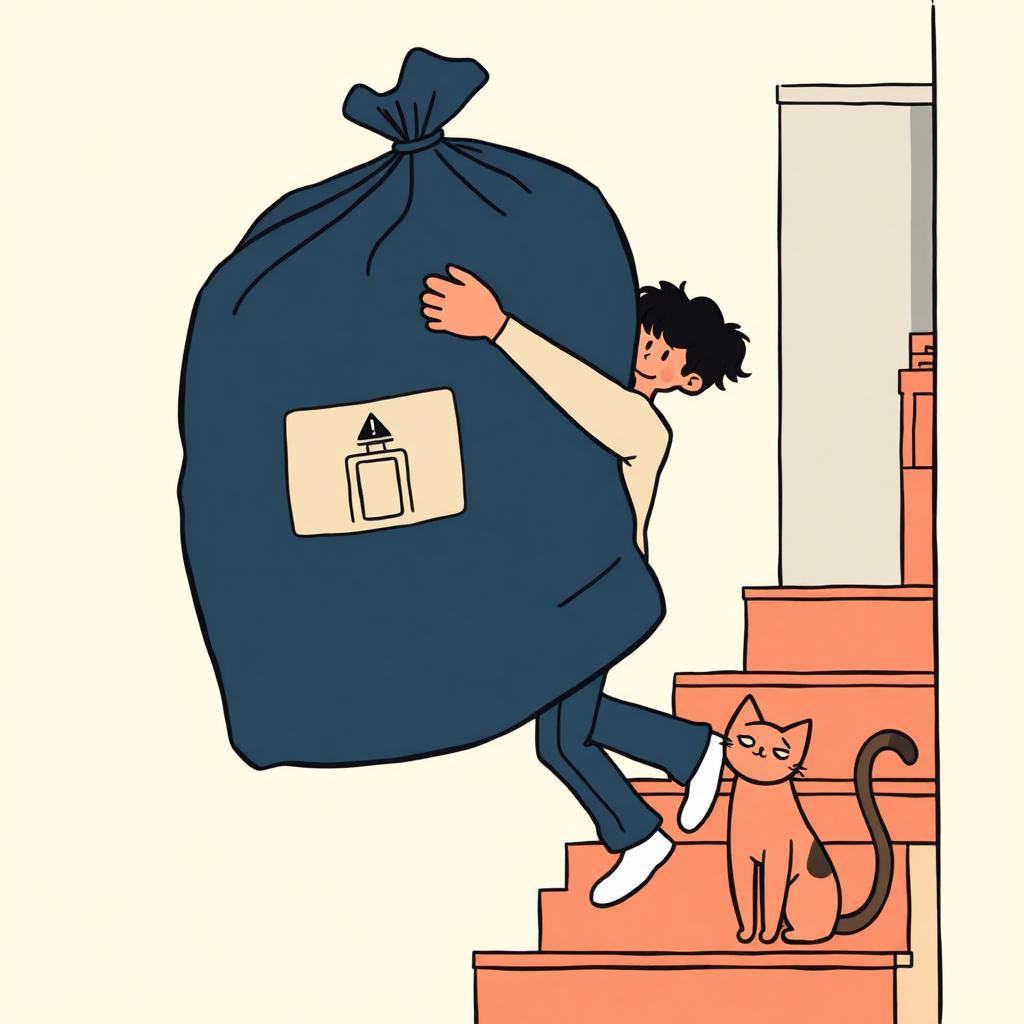
- Your cat sneezes right after digging, covering, or stepping out of the box
- Dust, fragrance, or rough litter texture may be irritating the nose and airways
- A one-off sneeze is common, but repeated episodes can signal allergies or illness
- It is hard to tell whether the problem is the litter itself, the box setup, or a medical issue
- Switch to a low-dust, unscented litter and avoid heavy perfumes or deodorizer additives
- Clean the box and the room more often so dust, urine fumes, and mold have less chance to build up
- Try a softer, low-tracking plant-based litter if your cat digs aggressively; this is where a low-dust option like NEKO can help
- If sneezing comes with discharge, noisy breathing, poor appetite, or lasts more than several days, book a vet visit
When cat sneezing after litter box use is normal and when it is not
A cat that sneezes once or twice after a vigorous digging session is not automatically sick. Litter boxes concentrate tiny particles in a small space. When a cat paws, buries, and launches out like it has completed a covert mission, it can stir up dust that reaches the nose in seconds. That can trigger a brief sneeze reflex, especially in dry indoor air. The concern starts when the pattern is consistent: your cat sneezes after most box visits, sneezing fits are getting more frequent, or other signs appear alongside it. Watch for nasal discharge, watery eyes, coughing, wheezing, mouth breathing, reduced appetite, or reluctance to use the box. Those details matter because simple litter irritation usually causes short-lived sneezing right around box use, while infection or inflammation tends to spill over into the rest of the day. Timing helps too. If your cat is fine everywhere else but starts sneezing after digging in one specific litter, the litter setup moves high on the suspect list. If the sneezing happens during naps, meals, and play as well, think bigger than the box.
Dust is the most common trigger, and it works fast
Dust is the leading reason cats sneeze around litter boxes because it directly irritates the sensitive lining inside the nose. Fine particles become airborne when litter is poured, scooped, or kicked around. Once inhaled, they land on the nasal mucosa, which responds by producing mucus and triggering a sneeze to clear the irritant. Clumping litters can be especially troublesome if they shed a cloud when disturbed. Even products sold as low-dust can release particles as the bag empties or as the granules break down over time. The design of the box matters as well. High-sided covered boxes can trap dust in a small chamber, so your cat sticks its face into a miniature weather system every time it enters. Poor room ventilation makes that worse. You may even notice a light film on nearby surfaces, which is a decent clue that your cat is breathing some of it in. A genuinely low-dust litter reduces that load. Plant-based litters with larger, more stable granules often help because they create less airborne powder during digging. If you want the simplest first test, change only the litter and keep everything else the same for a week.
Fragrance and deodorizer additives can irritate the nose more than odor does
Many cats tolerate scent badly, and their noses are far more sensitive than ours. A litter that smells fresh to you can smell like a chemical spill to your cat. Added fragrance, deodorizer beads, and strong cleaning products around the box can all inflame the upper airways. That irritation does not need to be an allergy in the strict sense. It can be plain chemical sensitivity. The mechanism is simple: volatile compounds are released into the air, contact the nasal lining, and trigger sneezing, watery eyes, or brief avoidance of the box. Some owners unknowingly stack the problem by combining scented litter, litter-box perfume, fragranced trash bags, and a heavily perfumed cleaner. Then the cat gets blamed for being dramatic. The box area should smell like almost nothing. If it smells strongly pleasant, it is often too strong for the cat. Unscented litter is usually the safer baseline, and cleaning should rely on mild soap and water rather than harsh sprays. If you recently changed brands and your cat started sneezing within a day or two, fragrance is one of the first things to eliminate. The fix is usually straightforward: remove the scent source and give the airways a few days to settle.
Texture, granule size, and digging style can turn the box into an irritant cloud
Not all sneezing is about ingredient sensitivity. Sometimes it is physics. Cats that dig deeply, fling litter backward, or bury with the enthusiasm of a small excavator create more airborne debris than cats that politely scratch twice and leave. Fine, sandy litter tends to disperse easily, especially when dry. Very lightweight litter can also scatter upward with each paw stroke. Coarse litter causes a different issue: rough edges may not become airborne as much, but they can encourage vigorous repositioning and repeated digging, which still throws particles around. Kittens and highly active cats often make this worse simply because they move faster. The box shape matters too. If the cat has to crouch low in a tight covered box, its nose stays close to the dust source while it digs. A larger open box with high sides can reduce that concentration without trapping particles around the face. Softer, low-dust granules usually strike the best balance. If your cat sneezes most after extended burying sessions, litter texture is a strong suspect. This is one reason some owners do well with low-dust tofu or other plant-based options: the granules tend to be gentler under paw and can create less fine airborne material than very powdery formulas.
The box itself can contribute: ammonia, mold, poor ventilation, and dirty buildup
Sometimes the litter is not the main problem. The environment around it is. Urine breaks down into ammonia, and if the box is not scooped often enough, the fumes can irritate the nose and throat. Most people recognize a dirty box by smell, but cats experience that irritation at a much closer range. Damp corners, urine-soaked seams, or an old plastic box that holds odor even after cleaning can all contribute. In laundry rooms, basements, and bathrooms, poor airflow makes the concentration stronger. Add humidity and you have the conditions for mold growth nearby, especially behind the box or under mats. That can trigger sneezing too. Covered boxes deserve a special mention. They help with visual mess, but they can trap dust and fumes unless they are cleaned very consistently. A box placed next to a dryer vent, air freshener plug-in, or heating register can also keep irritants circulating right where the cat breathes. A better setup is boring in the best way: open or well-ventilated, scooped at least daily, washed regularly with mild unscented soap, and placed in a dry area with moving air. If the room smells stale, your cat already noticed.
How to test whether the litter is the cause without stressing your cat
The cleanest way to troubleshoot is to change one variable at a time. Start with the highest-probability fix: move to an unscented, low-dust litter and keep the box location, number of boxes, and cleaning routine the same for several days. If possible, avoid mixing old and new litters for too long because that can muddy the result, though some cats need a gradual transition to accept the change. Watch what happens immediately after box use and over the rest of the day. Fewer sneezes right after digging is a useful sign. If there is no change, look next at the environment: uncover the box if it is hooded, improve airflow, remove fragranced cleaners and deodorizers, and clean the area thoroughly. Video can help. A short clip of your cat using the box and sneezing afterward gives you an objective record and can be useful for a vet later. If you want to trial a different litter type, choose one with minimal fragrance and low visible dust rather than chasing marketing claims. A low-dust tofu litter like NEKO is a reasonable option if dust seems to be the trigger, but the real goal is simple: reduce airborne irritants and see if the pattern changes.
When sneezing points to allergies, infection, asthma, or dental disease instead
If litter changes do nothing, the problem may be medical rather than environmental. Upper respiratory infections commonly cause repeated sneezing, nasal discharge, and watery eyes, and the litter box may only seem involved because digging momentarily irritates an already inflamed nose. Allergies can also play a role, though in cats they more often show up in the skin than as dramatic nasal symptoms. Chronic rhinitis, nasal polyps, and less commonly growths in the nose can create ongoing sneezing that flares when dust is present. Asthma usually causes coughing or wheezing more than sneezing, but owners sometimes confuse the two, especially if the episode is brief and low to the ground. Dental disease can even contribute because inflammation or infection near the upper teeth can affect the nearby nasal passages. The key clue is whether symptoms appear outside the box. Sneezing during meals, sleep, grooming, or play suggests the litter box is not the whole story. Thick discharge, blood, facial swelling, noisy breathing, or a drop in appetite need prompt veterinary attention. Cats hide illness with real professionalism. If the sneezing is frequent, do not rely on litter changes alone.
Practical prevention steps that make the biggest difference day to day
Start with the boring fundamentals because they work. Choose an unscented, low-dust litter. Scoop at least once a day so dust is not mixed with decomposing waste and ammonia is less likely to build up. Top up litter gently instead of dumping from a height, which creates a powder cloud fit for a stage production. Wash the box regularly with mild unscented soap, and replace old scratched boxes that hold odor and residue. Consider a larger box so your cat can turn around without pressing its face into the sidewall. If you use a covered box for a messy digger, test an uncovered version for a week and compare symptoms. Vacuum and wipe the surrounding floor and walls because escaped litter breaks down into extra dust. Keep the room ventilated, but avoid blasting a fan directly at the box, which can circulate particles into the cat's face. During dry seasons, moderate humidity in the home may help irritated noses stay calmer. If your cat is particularly dust-sensitive, a low-dust plant-based litter such as NEKO can be a sensible long-term choice, not because it is magic, but because less airborne material generally means less nasal irritation. The goal is a box area that your cat can use without needing a post-dig sneeze reset.
Common questions
Why is my cat sneezing after litter box visits?
The most common reason for cat sneezing after litter box use is irritation from dust or fragrance. Digging sends tiny particles into the air, and scented litter or deodorizer products can aggravate the nose further. If the sneezing only happens right after box use, litter or box setup is a strong suspect. If it happens all day, consider a medical cause too.
Can dusty litter really make a cat sneeze that much?
Yes. Some cats are very sensitive to fine particles, especially in covered boxes or poorly ventilated rooms. A dusty litter can trigger a quick sneeze reflex every time the cat digs or buries waste. The effect is more obvious in cats that dig aggressively or spend a long time covering.
Should I switch to unscented litter if my cat sneezes?
Usually, yes. Unscented litter is a smart first step because fragrance is a common irritant and easy to remove. Pair that change with regular scooping and mild, unscented box cleaning. If symptoms improve within several days, you likely found a major trigger.
Is sneezing after the litter box ever a sign of illness?
It can be. If sneezing comes with nasal discharge, eye discharge, coughing, noisy breathing, poor appetite, or low energy, a vet visit is the safer move. Infection, chronic inflammation, dental disease, and other airway problems can all be made more noticeable by box dust without being caused by it.
Are covered litter boxes worse for sneezing cats?
Often they are. Covered boxes can trap dust, ammonia, and fragrance in a small space, so the cat breathes a higher concentration while digging. Some cats do better in a large open box with high sides, which limits mess without creating a dust chamber.
One switch. Four problems, gone.
Start a NEKO subscription and get your first 7L bag for 40% off. Free shipping, delivered every 4–6 weeks. Skip, pause, or cancel anytime.