Crystal vs Corn Cat Litter: Comparing Absorbency, Dust, and Box Maintenance
Find out how crystal and corn litter differ in odor management, tracking, clumping, and long-term value.
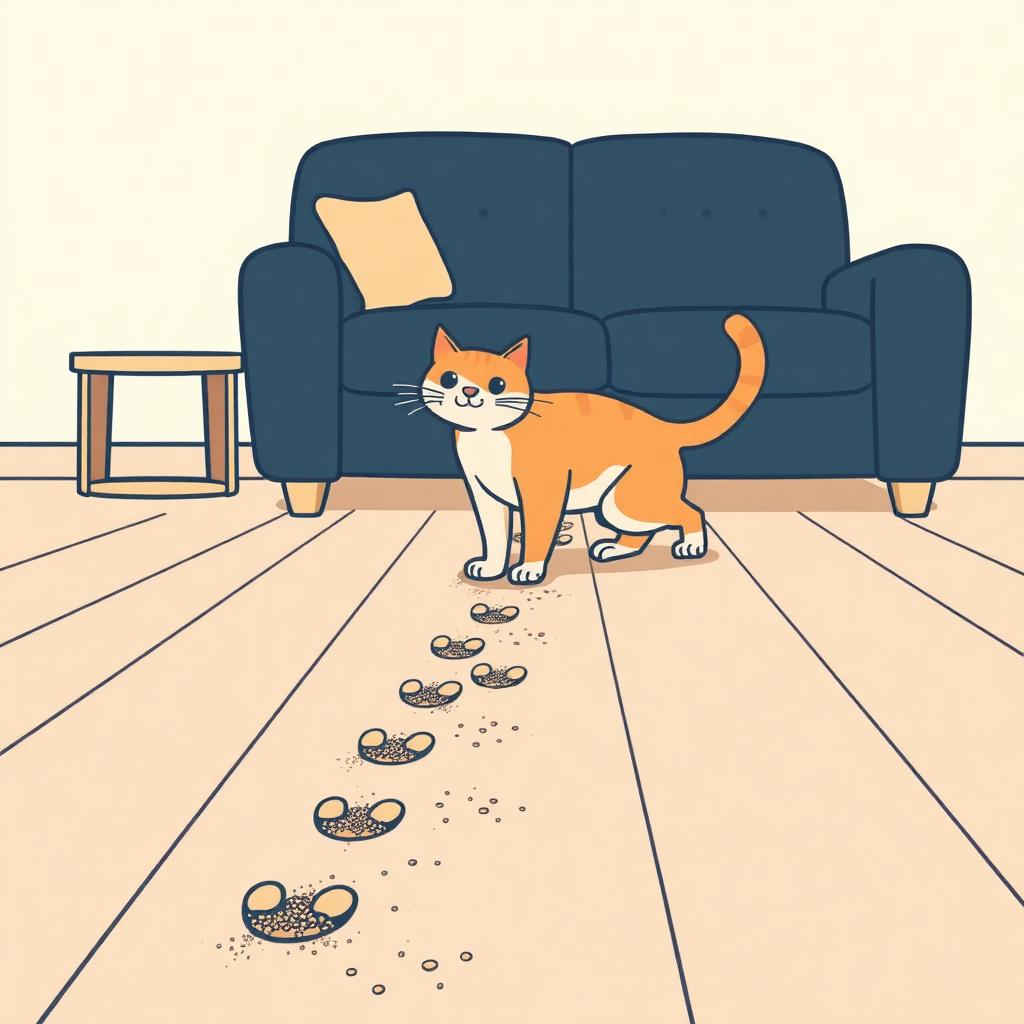
- The box smells fine on day one, then turns sour fast once urine builds up.
- Dust, tracking, or sharp particles end up on floors, paws, and furniture.
- A litter that looks low-maintenance becomes messy when solids, wet spots, or mushy clumps appear.
- Your cat may reject a new texture even if the litter performs well on paper.
- Match litter type to your real priority: odor, low dust, easy scooping, or cat acceptance.
- Use a slow transition over several days when switching between very different textures.
- Clean to the material’s limits: stir and replace crystal on schedule; remove clumps promptly with corn.
- If you want plant-based litter with low dust and easier daily maintenance than many corn options, NEKO is worth considering.
How crystal vs corn litter differs at a glance
The biggest difference in crystal vs corn litter is how each material handles urine. Crystal litter is usually made from silica gel granules that absorb moisture into pores inside each bead. Corn litter is made from processed plant material that absorbs liquid into the granule itself, and many versions are designed to clump. That single difference changes almost everything else: odor pattern, scooping routine, tracking, and how the box feels under a cat’s paws. Crystal litter is often chosen for lower dust and slower odor buildup from urine, especially in single-cat homes. It tends to dehydrate waste rather than form a firm scoopable clump, although some products vary. Corn litter usually appeals to owners who want a lighter, plant-based option with scoopable clumps and easier spot cleaning. The tradeoff is that corn can track more, may form softer clumps if the box is too shallow or too wet, and can smell more obviously when urine sits too long. Neither is universally better. If you hate full-box changes and want to scoop urine daily, corn often fits better. If you want fewer obvious wet spots and your cat tolerates a different texture, crystal can be easier between deep cleans. The right answer depends less on marketing and more on your cat, your cleaning habits, and how many boxes you manage.
Absorbency: what happens after the cat pees
Absorbency sounds simple until you watch how each litter behaves over a week. Crystal granules pull moisture inward, so urine spreads through the bed and evaporates gradually. That can keep the surface looking dry longer, which many people read as cleanliness. It also means urine is not always removed right away unless the system is specifically clumping. Instead, the litter stores and releases moisture over time, and eventually the whole tray reaches its limit. Corn behaves differently. In clumping versions, liquid concentrates in one zone, where granules bind together and create a scoopable mass. That is useful because you physically remove urine from the box instead of leaving it behind to accumulate. The catch is quality varies by formula and use pattern. If a cat urinates in the same corner repeatedly, or if the box is not filled deeply enough, urine can hit the bottom before a strong clump forms. Then you get sticking, crumbling, and the joyless task of scraping sludge off plastic. For heavy urination, frequent use, or a multicat setup, clumping performance matters more than raw absorbency claims. A litter that absorbs but stays in the box can lose freshness fast. A litter that clumps reliably can feel cleaner because waste leaves the tray immediately. Daily maintenance usually tells the truth faster than the package does.
Odor control depends on removal, not just material
People often expect crystal litter to win odor control by default because silica handles moisture well. Sometimes it does, especially for urine odor in a clean, single-cat box that is stirred and replaced on time. By spreading and drying liquid, crystal can delay the swampy ammonia note that builds when urine sits in one saturated patch. But that does not mean it removes smell forever. Once enough liquid accumulates, the box can shift from neutral to very noticeable with little warning. Corn litter usually gives you a more direct relationship between cleaning and smell. When clumps are solid and scooped promptly, odor stays manageable because the waste leaves the box. When clumps break, or an owner skips scooping for a day or two, organic odors can build quickly. Stool odor also tends to linger more when solids are not removed right away, regardless of litter type. For practical odor control, the routine matters more than ideology. Scoop solids at least once daily. With corn, remove urine clumps fully before they soften. With crystal, stir if the product requires it so moisture distributes instead of pooling in one corner. Replace the entire contents before saturation sets in. Covered boxes can trap odor for humans, but they also hide litter failure until it is advanced. Your nose eventually finds out anyway. It always does.
Dust, tracking, and paw feel are where cats vote
Low dust is one of the strongest reasons owners try crystal litter. Many silica granules produce less visible airborne dust than clay, and often less than lightweight plant litters that shed fine particles during pouring and digging. That can matter in small apartments, homes with asthma concerns, or rooms where the litter box shares space with laundry, storage, or a furnace intake. Less visible dust does not mean zero mess, though. Some crystal litters break down into smaller fragments over time, and those bits can travel well beyond the mat. Corn litter is usually softer underfoot, which some cats prefer, especially if they dislike larger, harder crystals. The downside is tracking. Lightweight plant granules can hitch a ride between toes and scatter outside the box, particularly if the cat digs enthusiastically or launches out of the tray like it has urgent board meetings. Some corn litters also create a fine meal-like residue that coats the box edge and mat if cats scratch aggressively. If your cat is texture-sensitive, paw feel may outweigh every performance metric. A litter that looks excellent but feels wrong can lead to hesitation, perching on the rim, or refusing the box. If dust is your priority but your cat dislikes crystals, a low-dust plant-based option may be a better middle ground. That is one reason some owners end up preferring tofu-based litter such as NEKO: softer texture, low dust, and easier daily scooping than many crystal systems.
Clumping and box maintenance: which one is easier to live with
Corn litter generally wins if your definition of easy means scoop, top up, and move on. Good clumps let you remove both urine and stool in a couple of minutes without waiting for a full tray change. That is convenient for owners who prefer small daily tasks over periodic reset days. But not all corn clumps are equal. Softer formulas can crumble if scooped too soon, too late, or from a box that is overfilled with old litter dust and small fragments. Deep litter depth helps because it gives urine room to form a complete clump before hitting the base. Crystal litter asks for a different workflow. You still scoop stool, but urine management may involve stirring the tray so moisture spreads and granules can continue absorbing. Eventually you replace most or all of the litter once saturation reaches a tipping point. Some owners love this because there are fewer urine clumps to chase. Others dislike it because the waste stays present until change day, which can make hygiene feel less controlled. Maintenance also changes with cat habits. A high-volume urinator, a senior cat with frequent visits, or a multicat home usually exposes weak systems quickly. If you want visible proof that waste has left the box, corn is often more satisfying. If you value a drier-looking surface and can commit to timely full changes, crystal can still work well in the right setup.
Long-term value is about waste, replacement rate, and cleanup time
A bag that lasts longer on paper is not always the better value in practice. Crystal litter can seem economical because it is not fully scooped out with each urine event, so total consumption may be slower in some homes. But that value depends on using it within its absorption limits. If the tray saturates early due to a large cat, a second cat, or poor distribution, you may replace the whole batch sooner than expected. Once crystals are spent, there is no rescuing them with a little top-up and optimism. Corn litter often has more obvious day-to-day consumption because every clump removed is material leaving the box. Still, many owners find the cost easier to justify because the box stays fresher with partial maintenance rather than full resets. Time matters here too. Spending extra minutes scraping sticky corners, wiping tracked residue, or replacing a box because old urine baked onto the bottom is a hidden cost, even if nobody invoices you for it. The better long-term value usually comes from fit, not category. A tidy single-cat household that changes crystal on schedule may get excellent mileage. A busy multicat home may save money and frustration with a reliable clumping litter because waste leaves daily instead of overwhelming the tray. If sustainability matters alongside maintenance, many owners compare corn with tofu litters rather than crystal, since both are plant-based and often easier to scoop than non-clumping silica systems.
Which litter works better for kittens, seniors, and multicat homes
Age and household size change the answer more than people expect. Kittens can be messy users and curious chewers, so texture and safety habits matter. Many owners prefer a softer, finer litter during training because it feels more natural to dig in and creates less hesitation. Seniors may also prefer softer material, especially if they have arthritis, reduced balance, or sore paws. Large, hard crystal pieces can be less inviting for cats that move cautiously or spend more time in the box. Multicat homes put stress on every weakness. Crystal litter can fall behind if several cats use one box heavily, because urine accumulates inside the tray even if the surface still looks decent for a while. Corn can manage higher traffic better if clumps stay intact and boxes are scooped often enough, but a crowded setup will still turn any organic litter into a smell problem if maintenance slips. Medical issues matter too. Cats with urinary disease, diabetes, kidney disease, or simply increased thirst produce more urine, and that reveals saturation fast. In those cases, visible clumps can help owners monitor output and keep the box sanitary. If your cat has chronic box avoidance, choose the texture they actually accept first, then optimize dust and odor second. A perfect litter that sits unused is a decorative bag with ambitions.
How to switch litter without triggering box refusal
Switching from crystal to corn, or the reverse, can fail purely because the texture change is abrupt. Cats notice grain size, hardness, scent, and how the surface moves under their paws. A clean box with the wrong feel can still be rejected. The safest method is gradual mixing over several days, sometimes longer for cautious cats. Start with mostly the current litter, then increase the new one in steps while keeping box location, box style, and cleaning routine stable. Watch behavior closely during the transition. If your cat stands in the tray but avoids digging, balances on the edge, pees over the side, or starts using rugs, slow down. Add another box with the new litter instead of forcing a mixed tray. This side-by-side test often gives clearer data than hoping the cat will adapt out of politeness. They rarely do. You can also improve acceptance by fixing preventable problems first: use enough depth, scoop on schedule, wash the box with mild unscented soap, and avoid strong fragrances. If you are changing because corn clumps are too soft or crystal feels too harsh, a low-dust tofu litter can be a useful middle option. NEKO fits that niche for owners who want a plant-based litter with scoopable clumps and gentler texture without the heavier dust some alternative litters produce.
A practical decision guide based on your priorities
Choose crystal litter if your main goal is low visible dust, your cat tolerates the texture, and you are comfortable with a maintenance style built around stool scooping plus scheduled full replacement. It often suits single-cat homes, lower-output cats, and owners who do not mind monitoring saturation rather than removing every urine deposit. It is less ideal if you want clear visual feedback on urine output or if you dislike the idea of waste staying in the box until change day. Choose corn litter if you want scoopable urine clumps, easier spot cleaning, and a plant-based material that can be refreshed incrementally. It usually makes more sense for owners who value daily control and are willing to scoop consistently. Be prepared for some tracking and test clump strength before committing. In shallow boxes, humid rooms, or high-traffic homes, weak clumps become an everyday nuisance quickly. If neither sounds quite right, that is a useful result. Many cat owners discover they want the low dust of crystal and the scoopability of a plant-based clumping litter. That is where tofu litter often enters the conversation. The best choice is the one your cat uses reliably and that you can maintain without resentment. If cleaning the box starts to feel like a personal grievance, the system is probably wrong.
Common questions
Which is better: crystal vs corn litter?
It depends on what you care about most. Crystal litter is often better for low visible dust and can keep the surface drier for longer. Corn litter is usually better for scoopable clumps and removing urine from the box each day. If your cat is picky about texture, that can decide the issue faster than any performance claim.
Does corn litter control odor as well as crystal litter?
It can, but usually only if you scoop promptly and the clumps stay intact. Crystal litter may control urine odor longer between cleanings because it absorbs and dehydrates moisture. Corn can smell fresher overall when waste is removed daily. If maintenance slips, corn tends to announce it sooner.
Is crystal litter lower dust than corn litter?
Often yes, at least in visible airborne dust during pouring and digging. But crystal litter can still break into small fragments that track around the house. Corn litter may feel softer and more natural to cats, yet some formulas shed fine particles or leave residue on mats and box edges.
Which litter tracks more, crystal or corn?
Corn litter usually tracks more because it is lighter and can cling to paws. Crystal litter may track less in some homes, but larger beads and broken fragments can still end up outside the box. High-sided boxes, a good mat, and enough litter depth help reduce tracking with either type.
Is corn litter safe for kittens?
Many owners use plant-based litters for kittens, but supervision still matters because young cats may taste new materials. The bigger issue is often usability: kittens usually do better with a soft texture and a clean, easy-to-enter box. If your kitten is eating litter or avoiding the tray, speak with your vet and simplify the setup.
What if I want something between crystal and corn litter?
That is a common position. Some owners want lower dust than many corn litters but prefer clumping and a softer feel than crystal. Tofu litter is often the middle path. A product like NEKO can make sense if you want plant-based clumps, easier scooping, and less mess without switching to a hard silica texture.
One switch. Four problems, gone.
Start a NEKO subscription and get your first 7L bag for 40% off. Free shipping, delivered every 4–6 weeks. Skip, pause, or cancel anytime.