How to Tell if You’re Allergic to Cat Litter
See the difference between litter sensitivity, dust irritation, and true allergy symptoms, plus steps to make litter duty easier.
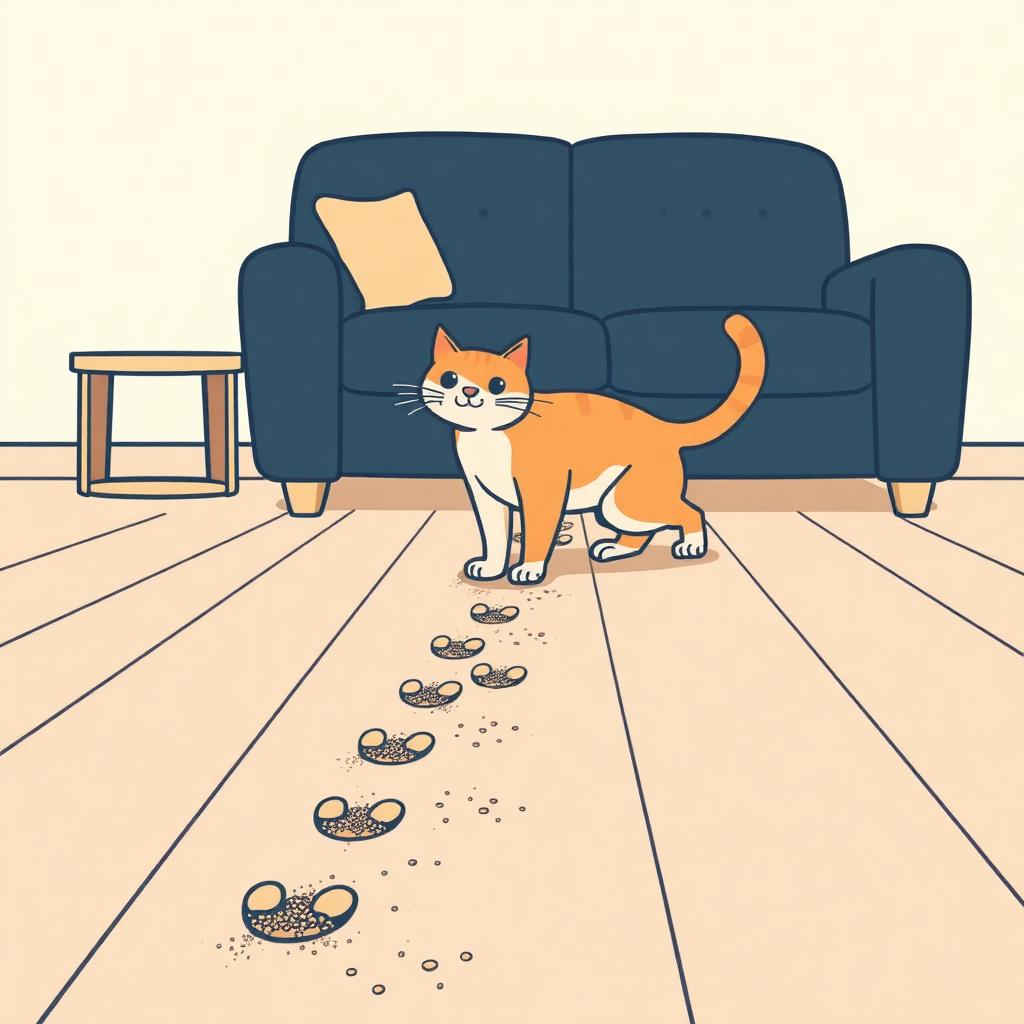
- You sneeze, cough, itch, or get a rash when cleaning the litter box, but you are not sure what is causing it.
- Dust, fragrance, and tracking can make symptoms worse even if you are not dealing with a true allergy.
- Some reactions come from litter ingredients, while others come from urine proteins, mold, or poor box hygiene.
- Changing litters at random often creates more mess without fixing the real trigger.
- Track exactly when symptoms happen: while pouring litter, while scooping, or hours later after skin contact.
- Switch to an unscented, low-dust litter and clean the box often to reduce airborne particles and urine residue.
- Use practical barriers such as gloves, hand washing, a mask while changing litter, and better ventilation.
- If symptoms persist, ask a clinician or allergist whether you are reacting to litter dust, additives, or cat allergens carried in the box; a low-dust tofu litter like NEKO can help if dust is the main problem.
What being allergic to cat litter usually looks like
People who think they are allergic to cat litter are usually noticing a pattern: sneezing when they pour fresh litter, itchy hands after scooping, coughing near the box, or a rash where litter dust touches skin. The key point is that “allergic to cat litter” is not one single problem. Your symptoms may come from a true allergy to something in the litter, irritation from fine dust, sensitivity to fragrance, or exposure to proteins from cat urine and dander that collect in the box. Timing matters. If your nose starts running within minutes of pouring litter, airborne dust is a strong suspect. If your skin burns or gets red after direct contact, you may be dealing with irritant contact dermatitis or a fragrance reaction rather than a classic allergy. If symptoms build over days in a poorly ventilated room, the issue may be chronic exposure to dust, ammonia from urine, or mold in damp litter. The pattern tells you more than the symptom alone. Sneezing, itchy eyes, coughing, wheezing, hives, and hand rashes can all show up around a litter box, but the cause is often different from what people first assume.
Allergy, irritation, and sensitivity are not the same thing
A true allergy involves the immune system reacting to a substance as if it were a threat. That can cause sneezing, congestion, itchy eyes, hives, or asthma-like symptoms in sensitive people. Irritation is simpler and more common: a dusty litter sends tiny particles into your nose, throat, or eyes and they become inflamed. No allergy required. Fragrances and deodorizing additives add another layer. Many scented litters contain perfumes or odor-masking compounds that can trigger headaches, throat irritation, or skin reactions even in people who do fine with unscented litter. Texture also matters. Clay dust tends to become airborne during pouring and scooping. Silica can feel harsh for some people. Plant-based litters vary widely, but lower-dust formulas are often easier on the airways. Then there is contact exposure. If you handle litter with bare hands, residual dust, fragrance, or urine contaminants may sit on the skin long enough to trigger itching or a rash. A real-world test is useful: if symptoms happen mainly during pouring and stop when dust settles, irritation is more likely than allergy. If symptoms happen even with minimal dust and repeat every time you touch a specific product, sensitivity to an ingredient moves higher on the list.
What in the litter box may be triggering your symptoms
The obvious suspect is litter itself, but several triggers can live in the same box. First is dust. Fine particles become airborne when you pour a new bag, top off the box, or scrape the bottom while scooping. Second are fragrances and odor-control additives. A scented litter may smell “clean,” but perfumes can be rough on noses, eyes, and skin. Third is cat urine and feces. Once waste sits in the box, proteins from urine and bits of dander can mix with dust and become part of what you inhale. If the box is not scooped often, ammonia can build up and irritate the airways, especially in small bathrooms or laundry rooms with weak airflow. Moisture is another overlooked issue. A damp scoop, a humid room, or a box kept near a shower can encourage clumping residue and sometimes mold growth on surrounding surfaces. The litter box area may also collect household dust, cleaning spray residue, and stray cat hair, which muddies the picture. This is why a symptom diary helps. Write down the litter type, whether it is scented, when the box was last fully changed, where it sits, and exactly when you react. It is not glamorous detective work, but neither is sneezing over a plastic box twice a day.
How to tell which trigger is most likely
Start with timing, exposure route, and location of symptoms. If you react only when you pour fresh litter, the trigger is probably dust or scent from the product itself. If symptoms happen mainly when you scoop clumps and waste, cat allergens, urine proteins, or ammonia may be playing a bigger role. If your hands itch, sting, or turn red after cleaning the box, think direct contact first. That is especially true if gloves prevent the problem. Breathing symptoms are more important. Coughing, chest tightness, wheezing, or shortness of breath suggest the airways are involved and deserve more caution. The easiest home experiment is controlled elimination. Switch one variable at a time for at least several days: use an unscented litter, keep the box in a better-ventilated spot, wear gloves, or use a mask during litter changes. If possible, ask another household member to handle scooping for a week and note whether symptoms settle. A sharp improvement points to the box routine rather than the cat in general. If your symptoms continue throughout the house, the issue may be cat allergy, dust mites, cleaning products, or another environmental trigger. The goal is not to self-diagnose with perfect certainty. It is to narrow the field enough that your next step is logical instead of random.
The fastest practical changes that reduce reactions
You do not need a complete home overhaul to make litter duty easier. Start with the basics that remove the most exposure. Choose an unscented litter. Fragrance is one of the easiest triggers to eliminate, and many cats prefer unscented boxes anyway. Next, prioritize low dust. Pour slowly, keep the bag opening close to the box, and avoid dropping litter from height like you are salting a motorway in winter. Scoop daily so waste does not sit long enough to intensify odor and irritation. During full changes, open a window or run an exhaust fan if the box is in a bathroom or utility room. Wear disposable or washable gloves, then wash hands well after handling the box. If airborne symptoms are strong, a basic mask during pouring and changing can make a noticeable difference. A litter mat helps reduce tracking, which keeps residue off floors and out of bedding. For some households, a low-dust tofu litter is a practical improvement because it cuts down the cloud that often triggers symptoms; that is the honest case for products like NEKO. It will not fix every reaction, especially if the true issue is cat allergy or fragrance, but less dust usually means less irritation and less mess.
When the problem is actually your cat, not the litter
A common mistake is blaming the litter when the real trigger is cat allergen concentrated in the litter area. Cats produce allergenic proteins in saliva, skin oils, and urine. Those proteins end up on fur, dander, and waste, and the litter box can become a collection point. If you react when scooping but also sneeze on the sofa, rub your eyes after petting your cat, or wake up congested, the litter may be only part of the story. The box can still make things worse because it stirs allergen-rich particles into the air. In that case, changing litter helps only modestly unless you also tackle the broader environment. Useful steps include keeping the box out of the bedroom, vacuuming with a machine that handles fine particles well, washing hands after petting, and cleaning the box area more often so residue does not build up. Regular scooping matters because older waste is more likely to dry out and break into smaller particles. If another household member can take over litter duty, that is often the simplest fix. You can love your cat and still delegate the box. Many enduring relationships are built on exactly this principle.
Skin rashes, asthma symptoms, and other cases that need more care
Not every reaction belongs in the “mild nuisance” category. A small itchy patch on your wrist after brushing against the box is different from widespread hives, persistent eczema, wheezing, or chest tightness. If your skin symptoms are frequent, take photos when they flare and note what touched your skin beforehand: the litter, dust on the box rim, cleaning solution, or waste bag. Contact rashes can come from fragrance, dust, detergents used on the box, or repeated hand washing after cleanup. Airway symptoms deserve quicker attention. If litter duty triggers cough, wheeze, or shortness of breath, especially if you have asthma, reduce exposure immediately and speak with a clinician. A room with poor ventilation and a dusty litter can aggravate sensitive lungs even without a textbook allergy. Children, older adults, and anyone with respiratory disease should be especially careful around box changes. Also watch for infection versus allergy. A red, cracked rash on the hands may be dermatitis, but broken skin exposed to contaminated litter can become infected. If symptoms are severe, unusual, or not improving after switching products and routines, it is time for medical advice rather than another tour through the litter aisle.
How to choose a litter if you suspect a reaction
Pick litter by trigger, not by marketing language. If dust is your main issue, look for an unscented low-dust formula and read how it behaves during pouring, not just how it clumps. If fragrance bothers you, avoid scented products entirely rather than hoping a “light fresh” version will somehow be diplomatic. If skin contact is the problem, focus on gloves first, then test a simpler formula with fewer additives. If tracking spreads irritation around the home, look for pellets or larger granules that stay in the box more reliably, provided your cat accepts the texture. Make transitions gradually over several days so your cat does not boycott the box and create a much worse cleaning problem on the carpet. Keep one variable constant while you test another. Changing litter type, box location, cleaner, and scoop all at once tells you nothing. For households trying to reduce airborne debris, plant-based tofu litter can be a sensible option when it is genuinely low dust and unscented. NEKO fits that use case if the main goal is less dusty handling. But be realistic: no litter can guarantee zero symptoms if your body is reacting to cat urine proteins or to the cat herself. Better litter helps, but accurate troubleshooting helps more.
Common questions
Can you be allergic to cat litter?
Yes, but many people who think they are allergic to cat litter are actually reacting to dust, fragrance, or cat allergens concentrated in the box. A true allergy is possible, but irritation is more common. The timing of symptoms helps: reactions during pouring often point to dust, while symptoms after skin contact may suggest a sensitivity to ingredients or residue.
What are the symptoms of being allergic to cat litter?
Symptoms can include sneezing, runny nose, itchy eyes, coughing, wheezing, throat irritation, hives, or a hand rash after handling litter. Those symptoms do not automatically prove a true allergy. Dust irritation, scented additives, ammonia from urine, and cat allergens in the litter box can produce very similar complaints.
How do I know if I’m allergic to cat litter or just irritated by dust?
Look at when symptoms happen. If they start while pouring or scooping and ease once dust settles, irritation is more likely. If a specific litter causes repeated skin or breathing symptoms even with careful handling, an ingredient sensitivity becomes more likely. Trying an unscented low-dust litter and using gloves or a mask can help narrow it down.
Can scented litter cause allergy-like symptoms?
Yes. Scented litter can trigger sneezing, headaches, throat irritation, and skin reactions, even in people who do fine with unscented products. Fragrance sensitivity is common enough that unscented litter is usually the best first switch if you are having problems around the box.
What type of litter is best if I’m allergic to cat litter?
The best option is usually unscented and low dust. If dust is your biggest trigger, a low-dust plant-based litter may be easier to tolerate than a dusty formula. If the real issue is cat allergen in urine or dander, the litter matters less than frequent scooping, ventilation, gloves, and reducing overall exposure around the home.
One switch. Four problems, gone.
Start a NEKO subscription and get your first 7L bag for 40% off. Free shipping, delivered every 4–6 weeks. Skip, pause, or cancel anytime.