How Hydration Affects Your Cat’s Urinary Health
Better hydration can support bladder health, and this article explains how to notice dehydration through litter box patterns.
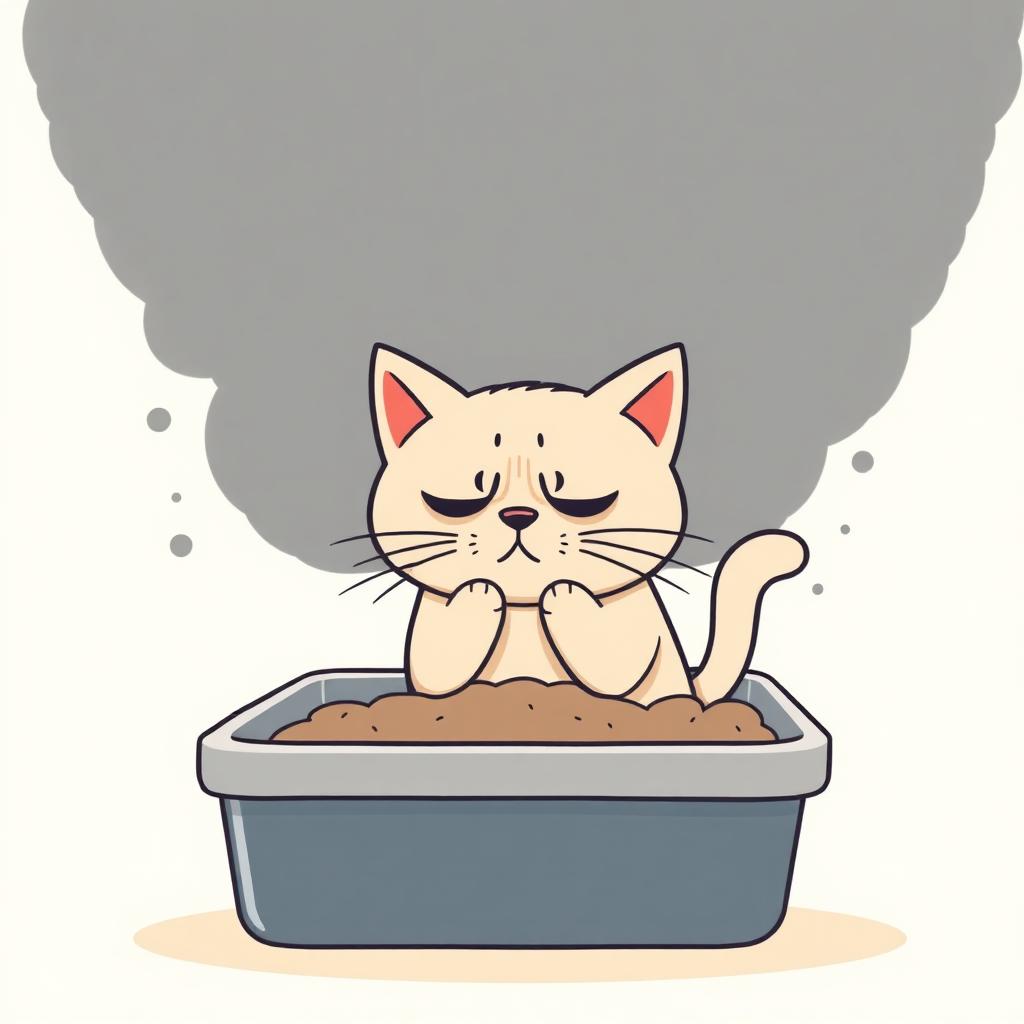
- Your cat seems to pee less often, in smaller amounts, or with stronger-smelling urine
- You are unsure whether litter box changes point to dehydration, stress, or a urinary problem
- Dry diets, low thirst drive, and warm indoor air can quietly reduce daily water intake
- You want better ways to monitor bladder health before a small issue becomes urgent
- Increase total moisture intake with wet food, fresh water stations, and small daily routine changes
- Watch litter box output for clump size, frequency, and straining rather than relying on thirst alone
- Use an easy-to-read litter that helps you notice urine volume and changes in bathroom habits early
- Call your vet promptly if your cat strains, cries, urinates outside the box, or produces little to no urine
Why water intake matters more than most cat owners realize
Cat urinary health hydration is not a small lifestyle detail. It shapes how concentrated your cat’s urine becomes, how much work the kidneys do, and how irritating the bladder environment may be. Cats are descendants of desert-adapted hunters, which means many have a naturally low thirst drive. They often do not drink extra water just because they should. That works fine until diet, age, heat, stress, or mild illness shifts the balance. Then urine becomes more concentrated, and concentrated urine is more likely to irritate the bladder lining and contribute to crystal or stone risk in susceptible cats. A well-hydrated cat usually produces a healthier volume of urine, which helps dilute minerals and inflammatory byproducts. For owners, the problem is that hydration changes can be subtle. You may not see your cat drink much either way. What you do see is the litter box. Smaller clumps, fewer clumps, darker urine, stronger odor, repeat trips to the box, or signs of discomfort can all be useful clues. If you only watch the water bowl, you will miss half the picture. If you watch the box, you are much closer to the truth.
What dehydration does inside the urinary tract
When a cat takes in less water than the body needs, the kidneys conserve fluid by making urine more concentrated. That is efficient biology, but it can create downstream trouble. Highly concentrated urine holds more dissolved minerals in less liquid. In some cats, that can make crystal formation more likely. Concentrated urine can also sting an already inflamed bladder and worsen the urgency, discomfort, or frequent small urinations seen with lower urinary tract problems. The bladder itself is not just a storage bag. Its lining reacts to irritation, stress hormones, urine chemistry, and infection when present. Less dilution can mean more contact between the bladder wall and irritating substances. This is one reason a cat may visit the box often but produce only small amounts. It is also why urinary issues can look dramatic very quickly. The dangerous edge case is a male cat with a urethral blockage. In that situation, you may see repeated straining, crying, licking at the genitals, restlessness, or tiny drops of urine. That is an emergency, not a hydration project for tomorrow. Better hydration supports bladder health, but it does not replace urgent treatment when a cat cannot pass urine normally.
The litter box signs that often show up before obvious dehydration
Most owners expect dehydration to look like a dry mouth, skin tenting, or obvious lethargy. Those signs can happen, but in cats they often appear later or are easy to miss at home. The litter box usually gives earlier, more practical information. Start with clump size. If you use a clumping litter, a healthy pattern tends to produce reasonably consistent urine clumps from day to day. If clumps become noticeably smaller for several days, hydration may be down. Frequency matters too. A cat that normally makes three or four urine clumps in a day and suddenly makes one or two may be taking in less fluid, though stress and access issues can also play a role. Pay attention to repeat visits. Multiple trips with tiny output suggest irritation or obstruction rather than simple low thirst. Stronger odor can reflect more concentrated urine. So can darker yellow color if visible. This is where a clean, low-dust litter can help because it makes changes easier to spot instead of hiding them under heavy fragrance or muddy texture. NEKO’s tofu litter is useful here for one honest reason: clear clumping can make output patterns easier to notice. The important part is not the brand. It is that you are tracking what normal looks like for your cat.
How diet changes daily hydration more than the water bowl does
If you want to improve hydration, start with food before you obsess over fancy bowls. Cats eating wet food typically take in much more moisture during meals than cats eating only dry kibble. That matters because many cats are better at eating water than drinking it. A pouch or can can deliver moisture consistently without requiring your cat to make up the difference later at the fountain. This does not mean every cat must eat an all-wet diet, and some do well on mixed feeding. It does mean that owners who worry about urinary health should think carefully about total moisture intake, not just calories. If your cat eats dry food, adding wet meals, soaking food when appropriate, or offering broth designed for cats can help. Do not use onion, garlic, or salty human broths. Any diet change should be gradual over several days to avoid stomach upset and food refusal. The texture matters too. Some cats reject pâté but accept shredded food with gravy, while others do the opposite. This is less about nutrition theory and more about what your cat will actually eat daily. A perfectly planned hydration strategy is useless if the bowl comes back untouched. The best urinary-supportive routine is the one your cat reliably accepts.
Practical ways to get a cat to drink more without turning it into a battle
Cats are absurdly opinionated about water. One dislikes a bowl near food. Another refuses still water but drinks from a fountain. A third wants a wide ceramic bowl filled to the top because whiskers are apparently a constitutional issue. Work with that. Put water in several places, not one. Many cats drink more when stations are spread across the home, especially in quiet areas away from litter boxes and noisy appliances. Refresh water at least daily, more often if debris collects. Try different bowl materials and shapes. Some cats prefer glass or stainless steel because they hold fewer odors than plastic. A fountain can help if your cat likes moving water, but not every cat does. In warm weather or homes with dry heating, moisture needs can rise, so increase vigilance then. You can also add a spoonful of water to wet food if your cat accepts the texture. Go slowly. Turning dinner into soup without consent rarely ends well. Avoid forcing extra water by syringe unless a vet specifically tells you to do that. The goal is voluntary intake and consistent routine. If your cat suddenly drinks dramatically more than usual, that is not a hydration victory lap. It can be a sign of illness such as kidney disease, diabetes, or hyperthyroidism, and it deserves veterinary attention.
When litter box changes mean dehydration, and when they mean something more serious
Not every urinary change comes down to low water intake. That is the trap. A mildly dehydrated cat may produce smaller, more concentrated urine clumps but otherwise act normal. A cat with bladder inflammation may urinate frequently, strain, lick the genital area, or avoid the box because the box has become associated with pain. A cat with a urinary tract infection may show similar signs, though true bacterial infections are less common in healthy younger cats than many owners assume. Kidney disease often increases urine volume rather than decreasing it, especially in older cats. Diabetes can do the same. This is why pattern recognition matters. Small clumps plus normal behavior may point you toward hydration and routine changes. Repeated trips to the box, crying, blood-tinged urine, accidents outside the box, or no visible urine despite straining point you toward the vet today. Male cats deserve extra caution because obstruction risk is higher and can become life-threatening fast. Think of the litter box as a dashboard light, not a diagnosis. It tells you something needs attention. Your job is to notice the pattern early, improve hydration where appropriate, and know when home management has reached its limit.
How to track urine output at home without becoming a full-time detective
You do not need a spreadsheet worthy of a tax audit, but a simple baseline is useful. Start by scooping at the same times each day for a week and noting how many urine clumps you see and whether they are small, medium, or large compared with your cat’s normal. If you have more than one cat, this gets harder, but not impossible. Separate cats briefly when practical, or use one box in a closed room for a short monitored period if a vet has asked for closer observation. Clean boxes matter because old saturated litter hides fresh changes. Box setup matters too. Most cats prefer an accessible box that is quiet, clean, and easy to enter. If the setup is poor, a hydration problem can get masked by box avoidance. The litter itself should clump clearly and stay low in dust so you can see what is happening without creating a cloud every time you scoop. Plant-based litters like tofu can be helpful if they make urine clumps distinct and odor manageable. Again, the benefit is visibility and daily consistency. If you keep changing litter types, box locations, and cleaning routine, you also keep changing the data. Pick a setup your cat likes, then watch for departures from normal rather than chasing perfection.
Cats that need closer hydration monitoring than average
Some cats can coast along with mediocre water habits for years. Others cannot. Senior cats deserve closer attention because kidney function changes with age, and subtle dehydration can hit them harder. Cats with a history of crystals, stones, cystitis, or urinary blockage need especially consistent moisture intake and fast response to box changes. Cats recovering from surgery or illness may drink less because they feel nauseated or uncomfortable. Overweight cats can also be at higher risk for health problems that complicate urinary patterns, and sedentary indoor cats may have fewer natural prompts to move around and visit water stations. Multi-cat homes add another layer because social tension can reduce both drinking and litter box use. A timid cat may avoid a preferred water spot or hold urine longer if another cat guards a hallway or box. Environmental stress can show up in the bladder before it shows up anywhere else. If your cat falls into one of these groups, do not rely on casual observation. Keep water access easy, offer moisture-rich meals consistently, and know your cat’s normal bathroom rhythm. Prevention here is not glamorous. It is mostly bowls, boxes, habits, and paying attention. That is often what keeps a manageable issue from becoming an emergency weekend vet visit.
Common questions
What is the connection between cat urinary health hydration and litter box clumps?
Hydration affects how concentrated your cat’s urine is and how much urine they produce. Better cat urinary health hydration usually means more diluted urine and more consistent clump size. If clumps get smaller for several days, your cat may be taking in less fluid. If your cat makes frequent tiny clumps or strains, that suggests irritation or possible blockage and needs prompt veterinary advice.
How can I tell if my cat is dehydrated from the litter box alone?
You cannot diagnose dehydration from the litter box alone, but you can spot useful clues. Watch for fewer urine clumps, smaller clumps than usual, stronger odor, and darker urine when visible. Those changes suggest lower fluid intake. If your cat also seems tired, eats less, or vomits, call your vet. If there is straining or very little urine, treat it as urgent.
Does wet food really help prevent urinary problems in cats?
Wet food can help increase total moisture intake, which supports healthier urine dilution. That can be useful for many cats, especially those prone to concentrated urine or bladder irritation. It is not a guarantee against every urinary problem, but most vets consider higher moisture intake a practical part of urinary support. The best diet is one your cat tolerates well and eats consistently.
How much should my cat pee each day?
There is no single number that fits every cat because size, diet, age, temperature, and health all matter. What matters most at home is your cat’s normal pattern. If you usually see several similar clumps each day and that suddenly changes, pay attention. Larger volumes can point to issues like kidney disease or diabetes, while tiny frequent amounts can signal bladder trouble.
When should I worry about straining in the litter box?
Immediately, especially in male cats. Repeated trips to the box, pushing with little or no urine produced, crying, hiding, or licking the genital area can mean a urinary blockage or severe inflammation. A blockage can become life-threatening quickly. Do not wait to see if extra water fixes it. Contact a veterinarian the same day or seek emergency care.
One switch. Four problems, gone.
Start a NEKO subscription and get your first 7L bag for 40% off. Free shipping, delivered every 4–6 weeks. Skip, pause, or cancel anytime.