How to Litter Train a Kitten: A Step-by-Step Guide
Everything you need to teach a kitten to use the litter box, from first setup to troubleshooting accidents.
- Kittens have tiny lungs — clay silica dust is harder on them than adult cats.
- Heavy clay buckets are awkward when you're already juggling toys, food, and a climbing kitten.
- Strong fragrance can overwhelm a kitten's sensitive nose and cause box avoidance.
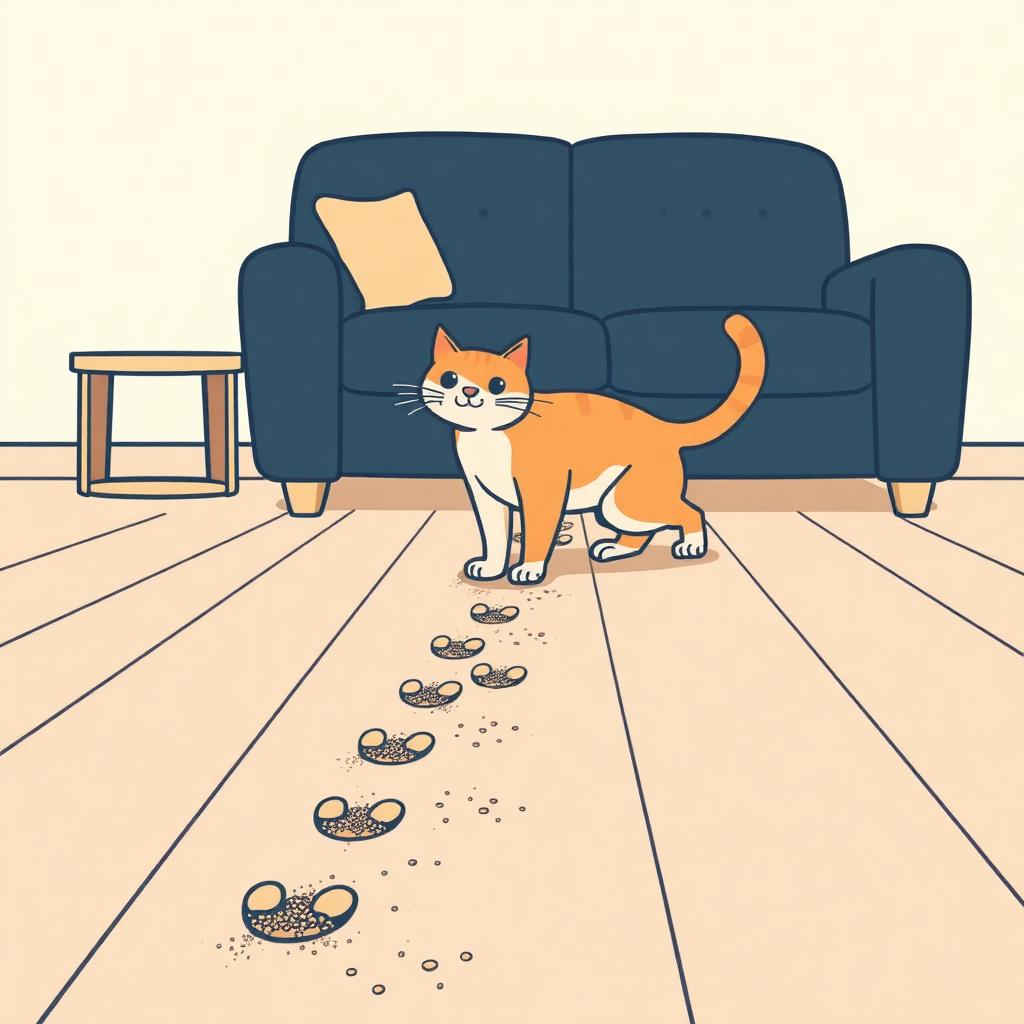
- Tracking litter spreads bacteria and grit through a home with a still-developing immune system.
- NEKO tofu litter is low-dust and food-grade safe if a curious kitten nibbles a pellet.
- A 7L bag is light enough to carry under one arm and lasts 4–6 weeks for one kitten.
- The unscented formula won't mask odors with perfume — it neutralizes ammonia naturally.
- Smooth 2 mm pellets track far less than clay, so cleanup stays minimal during the training weeks.
Step 1: Choose the right box
Start with a low-sided, open litter box. A kitten under 12 weeks may struggle to climb into a high-sided or top-entry box, and covered boxes can feel like traps. A disposable cardboard tray or a shallow plastic storage bin works for the first month. Place it in a quiet spot where the kitten already spends time — not next to a noisy washer or directly beside food and water bowls.
Step 2: Pick a kitten-safe litter
Avoid clay and crystal litters early on. Kittens explore with their mouths, and clay dust irritates developing airways. NEKO Original Tofu is made from food-grade plant fiber, produces almost no dust, and is unscented so it won't discourage a kitten from stepping in. Its soft pellets also feel gentler on kitten paw pads than rough clay granules.
Step 3: Show them the box after meals and naps
Kittens usually need to go within 15 minutes of eating, drinking, or waking up. Gently place the kitten in the box, let them sniff and dig, and praise softly. Repeat this routine for the first 3–5 days. Never scold for accidents — kittens learn faster with positive reinforcement than with punishment.
Step 4: Keep the box clean from day one
Scoop solids at least twice daily and stir the litter so wet spots clump. A dirty box is the most common reason kittens start peeing elsewhere. NEKO clumps in under 60 seconds, making it easy to remove waste without dumping the whole box. A clean box also teaches the kitten that this is the place they want to return to.
Step 5: Handle accidents the right way
If you find a small puddle outside the box, blot it with an enzyme cleaner (never ammonia-based) and place the kitten in the litter box right after. Do not rub their nose in it. If accidents keep happening in the same corner, put a second temporary box there for a few days, then slowly move it closer to the permanent box.
Step 6: Transition off the starter setup
By 12–16 weeks most kittens can handle a standard open box with 3 inches of fill. If you started with a shallow tray, raise the sides gradually or swap to a larger box over a weekend. Keep the same NEKO litter throughout — consistency of scent and texture is one of the best predictors of successful long-term litter habits.
The best starter litter for kittens
NEKO Original Tofu is designed for the problems that matter most during litter training: low dust for small lungs, food-grade safety for curious nibblers, fast clumping for easy cleanup, and low tracking so your floors stay cleaner while your kitten learns. Start with a one-time 7L bag to test the fit, then move to a subscription once the routine sticks.
Common questions
At what age can kittens start using a litter box?
Most kittens begin using a litter box around 3–4 weeks old, guided by their mother. By 8 weeks — typical adoption age — they usually just need the right box, litter, and reminders after meals and naps.
Is tofu litter safe if my kitten eats it?
NEKO is made from food-grade tofu fiber, pea starch, and corn. A small nibble is not toxic, though it isn't food. Most kittens lose interest once they realize it doesn't taste like kibble.
My kitten uses the box sometimes but has accidents too — what am I doing wrong?
You're probably not doing anything wrong. Partial training is normal for the first 2–3 weeks. Add more frequent box visits, check that the box is easy to enter, and make sure you're scooping at least twice a day.
Should I use a covered litter box for a kitten?
Open boxes are better during training. Covered boxes trap odor, reduce escape routes, and can be hard for small kittens to climb into. Add a lid only after litter habits are solid.
How much litter should I put in the box?
For kittens under 12 weeks, start with 1.5–2 inches so they can dig without struggling. Increase to 3 inches once they have the coordination and strength of an older kitten.
One switch. Four problems, gone.
Start a NEKO subscription and get your first 7L bag for 40% off. Free shipping, delivered every 4–6 weeks. Skip, pause, or cancel anytime.