Tofu or Walnut Litter: What Changes in Odor, Dust, and Box Cleanup?
See how tofu and walnut litter stack up for tracking, clumps, absorbency, and comfort under your cat’s paws.
- The box smells fine on day one, then turns sharp or musty by midweek.
- Dust coats the rim, floor, and sometimes your cat’s paws after digging.
- Clumps break apart during scooping and leave wet litter stuck to the tray.
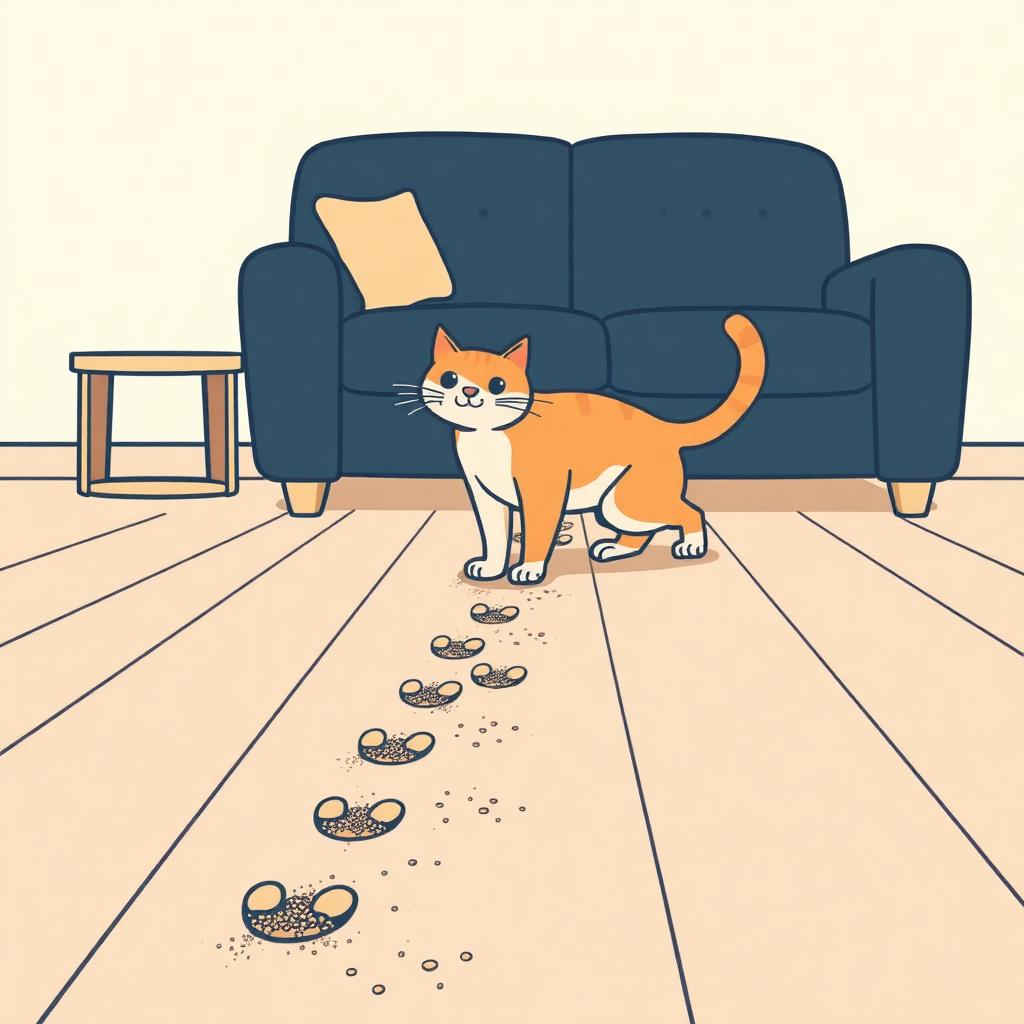
- Tracking spreads litter outside the box and turns quick cleanup into a daily job.
- Choose litter based on how it handles urine: fast absorption usually means better odor control and stronger clumps.
- If dust is the priority, tofu litter typically releases less fine particulate than brittle, crushed-shell options.
- Use enough depth, scoop at least once daily, and keep one box per cat plus one extra to reduce odor overload.
- If you want a plant-based litter with low dust and firm clumps, a tofu formula like NEKO is an honest fit.
What cat owners usually mean when they ask about tofu or walnut litter
Most people comparing tofu or walnut litter are not shopping for abstract materials. They are trying to solve three irritating problems at once: smell that lingers after peeing, crumbs and dust around the box, and clumps that fall apart halfway to the trash. Those issues come from how the litter is made. Tofu litter is usually formed from processed soy byproduct into pellets or small granules that swell and bind quickly when wet. Walnut litter is usually made from ground walnut shells, often with a more irregular particle size and a darker, earthy texture. That difference matters. Uniform pellets tend to absorb in a more predictable way, while shell-based litter often depends on how fine or coarse the grind is. Your cat also notices the difference. Some cats prefer a softer, sand-like feel underfoot. Others adapt well to pellets if the texture is not too chunky. So the right comparison is not “natural versus natural.” It is: which material controls urine odor faster, creates less airborne dust during digging, forms scoopable clumps, and stays off your floor. Once you judge both litters on those practical jobs, the decision gets much easier.
Odor control starts with how fast the litter grabs urine
Urine odor gets worse when liquid sits on the surface or spreads before the litter can lock it in. That is why absorbency is not a side detail. It is the first line of odor control. Tofu litter generally absorbs quickly because the plant fibers swell and trap moisture into a dense mass. When the wet area stays localized, less exposed liquid is left in the box, which usually means less ammonia smell building over time. Walnut litter can control odor reasonably well too, especially when fresh, but it often works more by absorbing and masking with an earthy smell than by forming a sealed clump immediately. That can be fine for some homes, but in humid rooms or multi-cat setups, slower containment tends to show up as stronger odor between scoops. Stool odor is a separate issue. No litter fully fixes uncovered feces or a cat that does a dramatic post-poop sprint out of the box. Still, a litter that dries surrounding moisture quickly will usually keep the box from developing that stale, used smell after a few days. If your main complaint is urine odor by the end of the week, tofu often has the edge because of speed, not perfume.
Dust is where the two materials can feel very different in daily use
Dust is not just an aesthetic problem. It settles on nearby surfaces, gets tracked through the house, and can irritate cats and people who are sensitive to fine particles. Tofu litter is often low dust because the material is pressed into pellets or compact granules instead of being sold as a loose, powdery grind. There can still be some debris at the bottom of the bag, especially after shipping, but day-to-day digging usually throws off less airborne dust than litters made from crushed shells or very fine particles. Walnut litter varies a lot by texture. Coarser walnut formulas may seem cleaner at first, but they can still shed bits as they break down with use. Finer walnut litters can create a visible brown haze when poured or stirred, and the dark dust is easy to spot on pale floors, litter mats, or your cat’s paws. This matters even more if your litter box sits in a small bathroom, laundry room, or enclosed furniture cabinet where particles have nowhere to go. For homes with asthma concerns, long-haired cats, or a robot vacuum working overtime, lower-dust litter usually makes the biggest quality-of-life difference. It is one of the strongest practical arguments for tofu.
Clumping strength decides whether cleanup is quick or mildly infuriating
A good clump should do one simple thing: hold together from the moment you scoop it until it lands in the bin. When clumps crack apart, wet litter gets smeared across the tray, fresh litter becomes contaminated, and odor ramps up faster. Tofu litter usually performs well here because the fibers swell, knit together, and form a compact mass that can be lifted in one piece if the box has enough depth. The key phrase is enough depth. Even strong clumping litter struggles if there is only a thin layer and urine reaches the bottom before the clump has time to set. Walnut litter can clump, but the results are often less consistent. Some clumps stay intact near the top and crumble where they touch the base of the box. That leaves a damp patch stuck to the tray, which is exactly the kind of cleanup cat owners hate. Texture also affects scooping. Pellet-style tofu litter is easy to sift because the clean pieces are distinct from the clump. Walnut litter can blur into smaller fragments, so scooping can feel like chasing muddy crumbs. If your routine is one fast scoop before work, stronger, cleaner clumps usually matter more than any marketing claim on the bag.
Tracking and paw feel depend on particle shape more than marketing labels
Cats do not care whether a bag says sustainable, premium, or natural. They care whether the litter feels stable, dry, and comfortable under their paws. You care whether it ends up in your bed. Tofu litter often tracks less because the particles are larger and more uniform than finely ground litter. A pellet or short-cut granule is simply harder to wedge deep between paw pads than dusty small particles. There is still some carryout, especially with enthusiastic diggers, but it is usually easier to contain with a mat just outside the box. Walnut litter tends to be lighter and more irregular, so pieces can hitch a ride more easily, particularly if the litter has broken down into smaller bits after several days of use. Paw comfort is the tradeoff people worry about most with tofu. Some cats raised on soft clay or sand-like textures may hesitate around larger pellets at first. Others switch with no complaint. A good middle ground is a smaller-grain tofu litter that keeps the low-dust, low-tracking benefits without feeling too chunky. If your cat is senior, declawed, or generally fussy about texture, that detail matters more than the base ingredient itself.
The real-world maintenance difference shows up after day three
Freshly poured litter can make almost anything look good. The test is what the box looks and smells like after several days of normal use. Tofu litter usually degrades more slowly in a useful way: clean particles stay distinct, clumps remain scoopable, and the box surface does not turn uniformly dirty as fast. That means partial maintenance works better. Scoop daily, top up as needed, and you can keep the box functional without feeling like everything in it is half-used. Walnut litter can start strong, but once more small fragments accumulate, the line between clean and dirty litter gets harder to manage. The box may look darker overall, and moisture can spread through those fines instead of staying neatly isolated in a clump. That is when people start replacing the entire box sooner than expected. Cleanup around the box matters too. Brown shell dust and tiny tracked pieces tend to show up clearly on light tile, while pale tofu crumbs are often fewer and easier to sweep. If your goal is to reduce the total time spent dealing with litter, not just improve one feature on paper, maintenance stability over the week should carry a lot of weight.
How to choose for multi-cat homes, sensitive noses, and picky cats
Different homes push litter in different ways. In a multi-cat setup, the box gets saturated faster, so clump integrity and fast moisture control become non-negotiable. Tofu litter usually handles that workload better because repeated urination does not spread as easily through the box when each wet spot binds quickly. For sensitive noses, think beyond fragrance. The best odor control usually comes from removing waste easily and keeping surrounding litter dry, not from adding strong scent. That again tends to favor tofu over walnut, particularly in smaller apartments where smells do not dissipate much. For picky cats, texture can override every other benefit. If a cat refuses the box, the best-performing litter in the world is irrelevant. Transition gradually by mixing old and new litter over several days, and watch behavior closely. Digging, covering, and relaxed posture are good signs. Hovering, rushing out, or choosing laundry piles are not. If your cat likes a soft substrate, choose a finer tofu style rather than assuming walnut will automatically feel better. A low-dust tofu litter like NEKO is especially honest for homes that need cleaner air, firmer clumps, and less daily mess, but any switch should still be made on your cat’s terms.
Small setup changes matter almost as much as the litter itself
Even the better litter will disappoint in a bad setup. Start with depth. Most clumping litters work better when there is enough material for urine to pool into the litter instead of hitting the tray immediately. Too shallow, and both tofu and walnut are more likely to stick. Scoop at least once a day, twice if you have multiple cats or one cat that urinates heavily. A litter mat helps, but placement matters more than size. Put it where the cat actually steps out, not where it looks tidy in the room. High-sided boxes reduce scatter from vigorous diggers, while larger open boxes often improve acceptance for cats that hate cramped spaces. If odor remains an issue, check the room before blaming the litter. Poor ventilation, a dirty scoop, or an old plastic box that has absorbed smells can make any litter seem worse. Wash the box regularly with mild soap and warm water, then dry it fully before refilling. For automatic boxes, check whether the litter size is compatible with the sifting mechanism. Some pellet formats work beautifully; others are too large. Choosing between tofu and walnut gets easier when the setup is doing its share of the work.
Common questions
Which is better for odor: tofu or walnut litter
In most homes, tofu litter has the edge because it absorbs urine quickly and forms tighter clumps, which leaves less exposed moisture in the box. Walnut litter can control odor decently when fresh, but it often relies more on absorption plus a natural earthy smell. In busy or humid setups, tofu usually stays cleaner-smelling for longer between scoops.
Does tofu or walnut litter make more dust
Usually walnut, especially if the particles are finely ground or break down over the week. Tofu litter is often pressed into pellets or compact granules, so it tends to release fewer airborne particles during pouring and digging. There can still be some crumbs in the bag, but overall dust is typically lower with tofu.
Is tofu or walnut litter better for tracking
Tofu litter often tracks less because the particles are larger and more uniform. Walnut litter pieces are usually lighter and more irregular, and as they break down, smaller bits can stick to paws more easily. A mat helps either way, but tofu generally creates less scatter around the box.
Do cats prefer walnut or tofu litter
It depends more on texture than ingredient. Some cats prefer a softer, finer feel, while others accept pellet-style litter without hesitation. If your cat is picky, transition gradually and watch their behavior. If you want the cleanliness benefits of tofu but worry about comfort, a finer-grain tofu litter is often a safer compromise.
Is tofu or walnut litter easier to scoop
Tofu litter is usually easier to scoop because the clumps tend to stay together better. Walnut clumps can be less consistent and may crumble where they contact the bottom of the box, leaving damp residue behind. Whichever you use, a proper litter depth and daily scooping make a noticeable difference.
One switch. Four problems, gone.
Start a NEKO subscription and get your first 7L bag for 40% off. Free shipping, delivered every 4–6 weeks. Skip, pause, or cancel anytime.