How to Clean a Litter Box When Your Cat Has Asthma
Get practical cleaning steps that lower airborne irritants without compromising hygiene for a cat with chronic respiratory sensitivity.
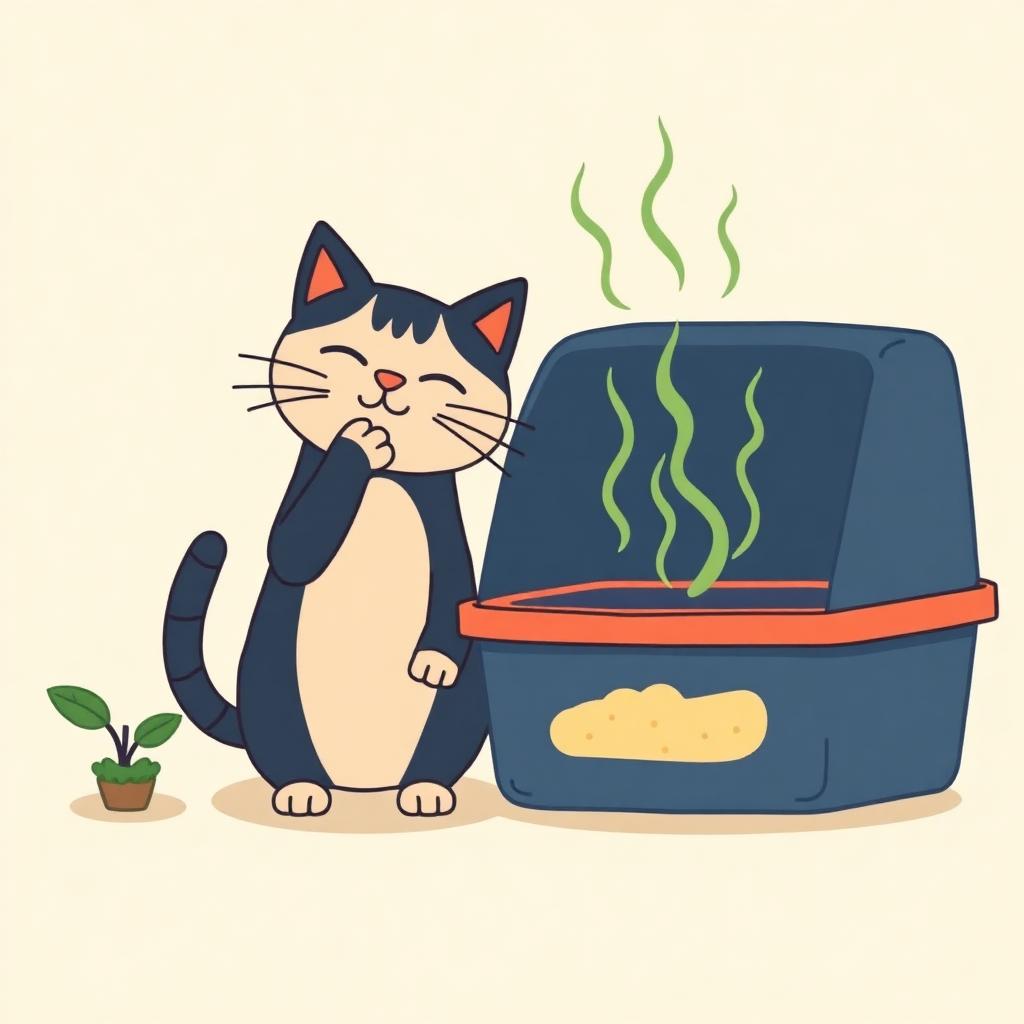
- Scooping and dumping can throw dust, dried waste particles, and fragrance into the air your cat breathes.
- Many common cleaners leave strong fumes that can irritate sensitive airways even after the box looks clean.
- Deep cleaning too aggressively can spike airborne irritants right when your cat is nearby.
- Fear of triggering coughing or wheezing can lead to under-cleaning, which creates odor and ammonia problems.
- Use a low-dust, unscented litter and remove waste gently and often so less material gets airborne each time.
- Clean the box in a separate, ventilated area and keep your cat away until litter dust and cleaning moisture have settled.
- Wash with mild soap and warm water, rinse thoroughly, and skip bleach, ammonia, and strongly fragranced products.
- If your current litter is dusty, a tofu-based option like NEKO can honestly help reduce airborne particles during normal scooping.
What makes litter box cleaning harder when a cat has asthma
If you need to clean litter box asthma cat routines more carefully, the issue is not just odor. It is airborne irritation. Feline asthma involves inflamed, reactive airways. That means everyday triggers can matter more than they would for another cat. Litter dust is the obvious one, but it is not the only problem. Tiny particles from dried urine and stool can become airborne during scooping. So can fragrance from scented litter, deodorizing powders, liners, and spray cleaners. Even a "fresh" chemical smell can be enough to bother a cat with chronic respiratory sensitivity. The hard part is that hygiene still matters. A dirty box creates ammonia from urine breakdown, and ammonia is also irritating to the respiratory tract. So the goal is not less cleaning. It is lower-irritant cleaning. That means choosing lower-dust materials, handling waste gently, avoiding harsh products, and controlling where and when you clean. Most owners focus on the litter itself, but the cleaning method often makes the biggest difference. A dusty litter used carefully can still be a problem, and a better litter can be undermined by bleach fumes or a vigorous dump-and-scrub session with the cat standing three feet away watching.
The main irritants to reduce: dust, ammonia, fragrance, and fumes
Think of litter box triggers in four buckets. First, dust. Fine litter particles rise when you pour fresh litter, scrape the scoop across the pan, or dump the whole box. Dust also settles on nearby floors and shelves, then gets stirred up again later. Second, ammonia. If urine sits too long, ammonia levels increase, especially in poorly ventilated rooms or boxes with high walls and little airflow. Third, fragrance. Scented litter, odor crystals, room sprays, and perfumed detergents are common choices for humans, but they can be rough on sensitive feline airways. Fourth, cleaning fumes. Bleach, ammonia-based cleaners, disinfectant sprays, and strong degreasers are not made with asthmatic cats in mind. Some leave residue or lingering vapor long after the surface looks dry. What helps most is reducing all four at the same time rather than obsessing over one. A low-dust litter is useful, but if the box is cleaned only once a week, ammonia will still build. An unscented setup is good, but if waste is flung around during scooping, particulates still become airborne. The safest routine is boring, which is usually a good sign. Frequent light cleaning, gentle handling, unscented supplies, and good airflow solve more than dramatic deep-cleaning sessions ever do.
Set up a lower-irritant cleaning routine before you touch the box
Preparation matters because the worst air exposure often happens during the few minutes before and during cleaning. Start by moving your cat out of the area. Close the cat in another room with water, or clean while someone else occupies them. Do not clean the box with your cat sitting beside it. Next, improve airflow without creating a dust storm. Open a window if the weather allows, or run the room's exhaust fan. A fan that blows directly across the box can scatter particles, so aim for ventilation that removes air from the space rather than blasting dust around it. Gather supplies first: scoop, waste bag, mild unscented dish soap, warm water, paper towels or a dedicated cloth, and fresh litter. If the bag crackles loudly and sends puffs of dust into the room while you wrestle with it one-handed, that is not helping anyone. Place the waste bag close to the box so waste travels a short distance. Keep scented trash liners, litter deodorizers, and spray air fresheners out of the process entirely. If you are changing litters, do it gradually over several days so your cat does not reject the box. NEKO and other tofu-based litters can be useful here because lower dust during pouring and scooping means less airborne material right from the start.
How to scoop daily without sending particles into the air
Daily scooping is usually the single best habit for an asthmatic cat's box. Less waste sitting in the pan means less odor, less ammonia, and fewer brittle dried bits that break apart into fine particles. The technique matters. Insert the scoop slowly and slide under clumps instead of chopping through them. Lift steadily. If a clump sticks to the bottom, do not scrape furiously like you are removing burnt cheese from a casserole dish. Give it a moment, approach from another angle, or plan a full wash if the base has become too soiled. Hold the scoop low over the waste bag before tipping, so clumps do not fall from height and shatter. If the litter is visibly dusty, pause after scooping and let the room settle before your cat re-enters. Spot-clean around the box too. The powdery ring on the floor mat and the litter tracked onto nearby surfaces can become a secondary dust source later. A handheld broom can kick particles back up, so a damp paper towel or a vacuum with decent filtration is usually better. Keep litter depth consistent rather than topping up haphazardly for weeks. When litter gets too shallow, urine reaches the base more easily and creates stubborn residue, which then requires more aggressive cleaning than an asthmatic cat's environment really needs.
Deep-clean the box the safe way: mild soap, thorough rinse, complete drying
Most boxes need a full wash on a regular schedule, but the safer method is simpler than many people think. Empty the litter slowly to avoid a dust plume. If possible, do this outdoors or in a utility area away from the cat. Wash the box with warm water and a small amount of mild, unscented soap. Use a soft sponge or cloth rather than anything abrasive that scratches the plastic. Scratches trap odor and residue, which makes future cleaning harder and can encourage more scrubbing, more product, and more fumes. Rinse extremely well. Soap residue is not your friend if your cat is sensitive to smells or texture underfoot. Skip bleach, ammonia, strongly scented disinfectants, and essential-oil cleaners. They are unnecessary for routine litter box cleaning and may leave irritating vapors. If the box has stubborn urine scale or persistent odor despite regular care, replacement is often smarter than escalating to harsher chemicals. Plastic does not age gracefully in this job. After washing, dry the box fully before refilling. Damp surfaces can make litter cling and break down faster, creating paste, odor, and more dust later. Once refilled, give the area a few minutes for any disturbed particles to settle before your cat returns. That short delay is a small change with a real upside.
Choose the right litter and box design for a cat with respiratory sensitivity
No litter is literally dust-free in every home, but some are far less irritating in practice. For asthmatic cats, unscented and low-dust should be the default. Heavily perfumed formulas, deodorizing beads, and powdered additives are hard to justify when the goal is fewer airborne irritants. The texture and clumping behavior also matter. A litter that forms firm clumps can reduce breakup during scooping. Tofu-based litter is often a good fit because it tends to create less airborne dust than many clay-heavy options, especially during pouring and daily maintenance. That is the honest case for NEKO: if your current litter leaves a visible haze, coats nearby surfaces, or makes you cough while scooping, a cleaner-handling plant-based option may reduce part of the problem. The box itself matters too. Very high-sided covered boxes can trap odor and concentrate ammonia around your cat's face, even if they help with tracking. Open boxes usually provide better airflow, though every cat and home layout is different. A roomy box reduces accidents over the side and gives your cat more space to turn without kicking litter everywhere. Avoid liners if they bunch, tear, or encourage scratching. They often create extra noise, extra movement, and extra debris, none of which improves the experience for a cat already working harder to breathe.
Room placement, air quality, and what not to use near the litter area
Where the box lives can either support your cleaning efforts or sabotage them. A cramped laundry closet with poor airflow, detergent fumes, and a rattling machine is rarely ideal for a cat with asthma. Aim for a quiet, well-ventilated room that is easy to clean and not shared with strong household chemicals. Avoid placing the box beside air fresheners, scented candles, diffuser oils, or cleaning-product storage. Those smells linger at nose level where your cat spends time. If you use a purifier in the room, make sure it is appropriate for particulates and keep the intake unobstructed, but do not assume it cancels out a dusty litter or harsh cleaners. It is support, not a free pass. Keep the area around the box simple: washable mat, easy-to-wipe floor, no fabric clutter that traps dust. When cleaning the room itself, choose unscented products and avoid aerosol sprays. Sprays are efficient at one thing: putting particles into the air. If you need to mop nearby, let the floor dry fully before your cat returns so they are not breathing fragrance from a damp surface at ground level. Asthmatic cats often benefit from consistency. A calm litter zone with low odor, low dust, and predictable maintenance is easier on the lungs than a cycle of buildup followed by major cleanup.
When symptoms flare: adjust the routine and know when the box is not the only trigger
If your cat starts coughing, wheezing, open-mouth breathing, or showing obvious effort after box cleaning, treat that as a signal, not a coincidence to shrug off. First, remove the cat from the area and let the air clear. Review what changed. New litter, scented trash bags, a disinfectant, a room spray, a rushed deep-clean, or even construction dust elsewhere in the house can all stack triggers on top of each other. During a flare period, keep litter maintenance more frequent and smaller in scale so each session disturbs less material. You may need to wash boxes one at a time rather than doing every box in the home on the same day. If one box is old, scratched, and impossible to get truly clean without heavy scrubbing, retire it. Also remember that the litter box may not be the only issue. Smoke, fireplace ash, dusty vacuum exhaust, pollen at open windows, and fragranced laundry products on nearby bedding can mimic a box problem. Most vets recommend urgent evaluation for any severe breathing effort and routine follow-up for recurring coughing, because asthma management often requires more than environmental changes alone. Better box cleaning can reduce respiratory load, but it cannot replace medical care when the lungs are already inflamed.
Common questions
How often should I clean a litter box if my cat has asthma
Scoop at least once daily, and twice daily is often better if you have one cat and one box. Frequent light cleaning reduces ammonia and means less dried waste breaks apart during scooping. Full washing depends on the litter, box condition, and number of cats, but regular gentle washing is better than waiting until odor forces a harsh deep clean.
What is the safest way to clean litter box asthma cat setups
Use an unscented, low-dust litter, move the cat out of the area, scoop gently, and wash the box with mild unscented soap and warm water. Rinse thoroughly and let the box dry completely before refilling. Avoid bleach, ammonia, essential oils, and perfumed sprays. The goal is good hygiene with fewer airborne irritants.
Can scented litter trigger asthma symptoms in cats
It can. Many cats tolerate scented litter, but a cat with asthma or chronic respiratory sensitivity may react to added fragrance more easily. Unscented litter is usually the safer choice because it removes one unnecessary source of irritation. If your cat coughs more after a litter change, fragrance is one possible reason.
Is a covered litter box better for an asthmatic cat
Not always. Covered boxes can reduce tracking and contain some scatter, but they may also trap odor and concentrate ammonia inside the space your cat has to enter. Many asthmatic cats do better with an open, roomy box in a well-ventilated area. If you use a covered style, watch closely for odor buildup and symptom changes.
Should I switch litter if scooping makes visible dust
Yes, that is a reasonable place to start. Visible dust means airborne particles are being generated during normal use and cleaning. An unscented lower-dust litter, including some tofu-based options such as NEKO, may reduce that load. Change gradually over several days so your cat accepts the new texture and smell.
One switch. Four problems, gone.
Start a NEKO subscription and get your first 7L bag for 40% off. Free shipping, delivered every 4–6 weeks. Skip, pause, or cancel anytime.