Corn vs Walnut Cat Litter: Pros and Cons for Odor, Dust, and Tracking
Find out how corn and walnut litter compare in busy homes, from scooping performance to the mess around the litter box.
- The box still smells even when you scoop every day
- Dust kicks up during pouring and sticks to floors
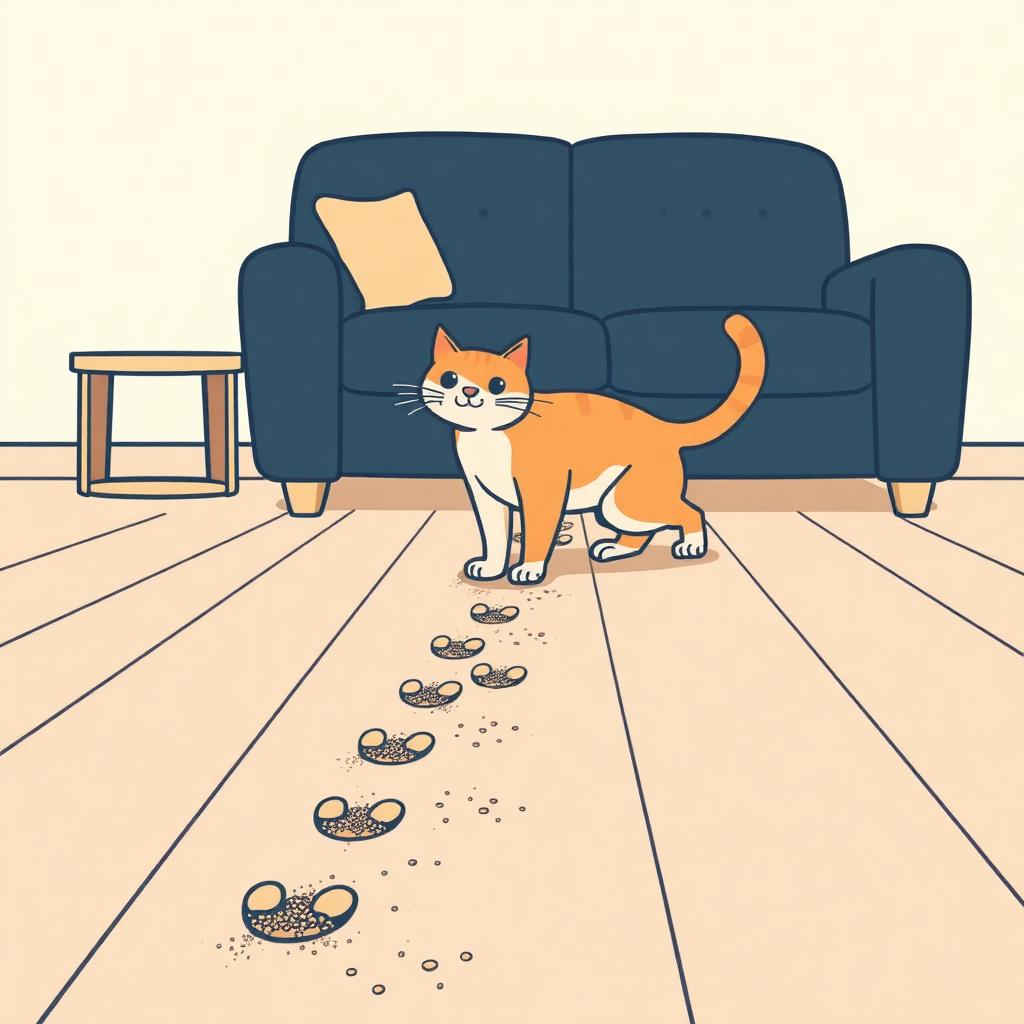
- Litter trails through the house on paws and fur
- Clumps break apart, leaving dirty bits behind
- Match the litter material to your real problem: odor, dust, tracking, or clump strength
- Use a large open box, fill to the right depth, and scoop on a consistent schedule
- Pair low-tracking litter with a textured mat and box placement that slows cats down
- If you want a plant-based option with strong clumping and easy cleanup, NEKO’s tofu litter is worth considering
How corn and walnut litter differ in real homes
The useful way to compare corn vs walnut litter is not by marketing words like “natural” or “eco.” It is by what happens at 7 a.m. when one cat has just peed, another has launched out of the box, and you are about to walk barefoot across the floor. Corn litter is usually made from ground corn fibers or kernels processed into granules. Walnut litter is typically made from crushed walnut shells. Both are plant-based, both are usually lower in mineral dust than clay, and both appeal to owners who want something lighter than traditional scoopable litter. The differences show up in texture and behavior. Corn tends to form lighter-colored clumps and often feels softer under paw. Walnut is darker, more granular, and often better at disguising stains between scoops, though that can also make it harder to spot small urine clumps. In busy homes, the daily experience often comes down to three things: how fast the litter absorbs moisture, how firmly it clumps, and how much of it leaves the box on paws. Neither material wins every category for every cat. The better choice depends on whether your biggest pain point is smell, airborne dust, or the gritty trail leading out of the laundry room.
Odor control comes down to absorption speed and waste removal
Odor control is not magic. It is chemistry plus routine. Urine starts producing stronger smells as it sits, spreads, and breaks down. A litter that absorbs liquid quickly and traps it in a tight clump usually smells better because less wet material is left exposed to air. Corn litter often performs well here because plant starches and fibers can take up moisture quickly. In a single-cat home with prompt scooping, many owners find corn litter keeps the box fairly neutral. Walnut litter can also control odor well, especially for solid waste, because the shell material is naturally porous and tends to dry the surface fast. Where things diverge is in saturation. If your cat urinates large amounts or the box goes too long between scoops, some corn litters can get sticky at the bottom. Some walnut litters can form softer edges that crumble back into the clean bed if the clump is removed too early. In practical terms, odor control is best when clumps have enough material around them to form completely. That means proper fill depth matters. So does box count. Most vets recommend at least one box per cat, plus one extra. No litter can fully compensate for an undersized, overcrowded setup.
Dust levels depend on particle breakdown, not just the label
“Low dust” is one of the most abused claims in cat litter. Both corn and walnut are usually less dusty than many clay litters, but dust is still possible, especially at the bottom of the bag where fine particles collect. Corn litter can create a light powder if the granules are brittle or if the bag gets knocked around in shipping. Walnut litter often starts low-dust, but crushed shell fragments can still produce fine dark residue over time as cats scratch and churn the box. The key question is when dust appears. If a litter makes a visible cloud while pouring, that is one problem. If it stays calm when poured but leaves residue on the box rim, nearby furniture, or your cat’s paws after a week, that is another. Homes with asthma, allergies, or brachycephalic cats tend to notice both. Box design also matters. Covered boxes can trap airborne particles for a moment, then release them in one concentrated puff when the cat exits or you lift the lid. Open boxes ventilate better but may allow more scatter. If dust is your top concern, sift the last portion of a new bag before pouring, avoid overfilling, and clean the empty box regularly so old fines do not keep mixing into the fresh litter.
Tracking is mostly about granule shape, paw fur, and exit speed
Tracking frustrates people because it feels random, but it is fairly mechanical. Litter tracks when particles wedge between paw pads, cling to damp fur, or hitch a ride in long toe fluff. Corn litter is often made in small, lightweight granules, which can cling easily and travel farther than you expect. Walnut litter is usually slightly heavier and more irregular in shape, which can reduce long-distance scatter in some homes, but the darker particles are easier to see on pale floors. A white or beige corn granule may be tracked just as much, you just notice it less on oak flooring than a dark walnut crumb. Cats also affect the result. Long-haired cats, enthusiastic diggers, and cats that rocket out of the box after pooping can make even a well-designed litter look bad. You can improve either type by using a larger box with high enough sides to contain the digging phase and a wide landing area outside the box. A textured mat helps, but only if the cat actually walks across it rather than vaulting over it. Placing the box so the cat must take a few steps before turning sharply often captures more litter than tucking it into a tight corner.
Clumping strength changes how clean the box stays over time
A litter does not need a rock-hard clump to be usable, but weak clumps create a dirtier box by degrees. A clump that breaks apart during scooping leaves damp fragments behind. Those fragments dry out, mix back into the bed, and gradually turn the whole box sour. Corn litter often forms fast clumps, which is helpful for multiple-cat homes, but the firmness can vary a lot depending on the exact grain size and how long the litter had to absorb before scooping. Scooping too soon can shear the clump apart. Walnut litter can produce decent clumps, but many owners describe them as more fragile at the edges, especially when urine reaches the bottom or side of the box. That does not make walnut unusable. It means technique matters more. Keep a full enough litter depth so urine can gather into a contained mass rather than cementing to plastic. Wait a little before scooping fresh urine. Use a scoop with slots sized for the litter you use; if the gaps are too wide, smaller fragments fall through. If clump integrity is your non-negotiable requirement, some plant-based litters made from tofu are often chosen specifically because they tend to clump firmly while staying comparatively easy to handle.
Safety and household fit matter more than marketing claims
Both corn and walnut litter are commonly sold as natural alternatives, but “natural” is not the same as universally ideal. Start with your cat. If your cat has a history of eating litter, any plant-based product deserves closer supervision during the transition. Kittens and highly curious cats sometimes sample what is in the box, and that alone may push you toward a different texture or pellet size. Then consider your household. Walnut litter is made from shells, not the edible nut meat, but if someone in the home has severe nut sensitivities, many owners prefer to avoid introducing shell dust into shared spaces just to simplify risk. Corn litter raises a different practical issue: storage. Plant-based litters generally do best when kept dry, sealed, and off humid floors, but corn in particular can become less pleasant to use if it absorbs moisture from the air and starts to smell stale in the bag. Also be realistic about disposal. Some natural litters are advertised as flushable, yet local plumbing and municipal guidance vary widely. A flushable label is not a command. For most households, sealed trash disposal is the safer default. If your main goals are low odor, strong clumps, and easy handling without the darker residue of walnut or the finer granules of some corn litters, that is where alternatives like tofu-based litter can honestly make sense.
Which litter works better in multi-cat, small-space, and high-traffic setups
Environment changes performance more than people expect. In a studio apartment, odor tolerance is lower because there is nowhere for the smell to hide. In that case, the winner is usually the litter that forms the most complete clump in your box style and scoop routine, not the one with the nicest ingredient story. In a multi-cat home, turnover is higher, so clump durability matters more than in a quiet one-cat setup. Corn litter can work very well if boxes are scooped at least once daily and topped up regularly, but if several cats use one box heavily, saturation can expose weaknesses quickly. Walnut litter may hold surface odor reasonably well yet still leave you battling scattered dark crumbs around the room. In homes with kids, dogs, or constant foot traffic near the box, visual cleanliness also matters. Tracked walnut is more obvious on light tile. Tracked corn may be easier to miss until you feel it underfoot. Small litter closets add another variable: ventilation. Poor airflow amplifies any litter’s odor and can make both corn and walnut seem worse than they really are. If your setup is demanding, choose for maintenance tolerance. The best litter is the one that still performs decently when life gets busy for two days, not only when the box is managed perfectly.
How to test corn or walnut litter without creating a week of chaos
Switching litter is where many people get misleading results. If you dump out the old litter, fill the box with something new, and your cat protests, that does not always mean the material is bad. It may just be unfamiliar under paw or smell different enough to trigger caution. The cleaner way to test corn or walnut litter is with side-by-side boxes if you have space. Use the same box size, same litter depth, and same room. Watch four things for at least several days: which box your cat chooses for urine, which one controls odor better by the next scoop, whether clumps stay intact, and how much mess appears outside each box. If you only have one box, transition gradually by mixing the new litter into the old over about a week, unless your cat is especially sensitive and needs a slower pace. Scoop on a fixed schedule while testing so you are comparing the litters fairly, not your habits. Keep notes if you need to. It sounds excessive until you are standing in an aisle trying to remember whether the dark litter tracked less or just smelled worse. A simple test usually reveals your household’s real priority fast. For some homes that ends with corn, for others walnut, and for plenty of people it leads to another plant-based option entirely.
Common questions
Which is better for odor: corn vs walnut litter
It depends on how often you scoop and how heavily the box is used. Corn often absorbs urine quickly and can smell fresher in regularly maintained boxes. Walnut can do well with surface odor and solid waste, but some formulas have weaker clumps, which can leave residue behind. In busy homes, the better odor performer is usually the one that forms cleaner, more complete clumps in your specific setup.
Is walnut litter less dusty than corn litter
Often, but not always. Both are usually lower in dust than many clay litters. Walnut can start out very low-dust, though fine dark particles may build up as the litter breaks down. Corn can be clean at first but produce more powder if the granules are brittle or crushed in the bag. Check how it behaves when poured and after several days of use.
Does corn litter track more than walnut litter
Corn often tracks more because the granules tend to be small and light. Walnut is usually a bit heavier, which can help, but its darker color makes tracked bits much more visible on light floors. Your cat’s coat, paw fluff, and box exit path matter almost as much as the litter itself.
Is corn or walnut litter better for multiple cats
For multiple cats, prioritize clumping strength and maintenance tolerance. Corn can work well if boxes are scooped consistently and kept deep enough. Walnut may be fine in moderate use, but fragile clumps can become more noticeable under heavy traffic. If several cats share space, test for whether the litter still performs when boxes get busy, not just right after a full refresh.
Are corn and walnut cat litters safe for kittens
Many owners use plant-based litters successfully, but kittens need extra caution because some nibble litter. If a kitten is prone to eating non-food items, ask your vet what texture is safest during the early months. Whatever you choose, supervise the transition and watch for chewing, vomiting, or stool changes.
What if neither corn nor walnut litter solves odor and tracking
Then the issue may be the overall setup rather than the material alone. Increase box size, improve placement, use a proper litter depth, and add one more box if you are short. If you still want a plant-based litter but need tighter clumps and simpler cleanup, a tofu-based litter such as NEKO may be a better fit for your home.
One switch. Four problems, gone.
Start a NEKO subscription and get your first 7L bag for 40% off. Free shipping, delivered every 4–6 weeks. Skip, pause, or cancel anytime.