Why Taking a Kitten to the Litter Box After Meals Helps
Use natural digestion timing to build reliable habits and reduce accidents during the earliest stages of litter training.
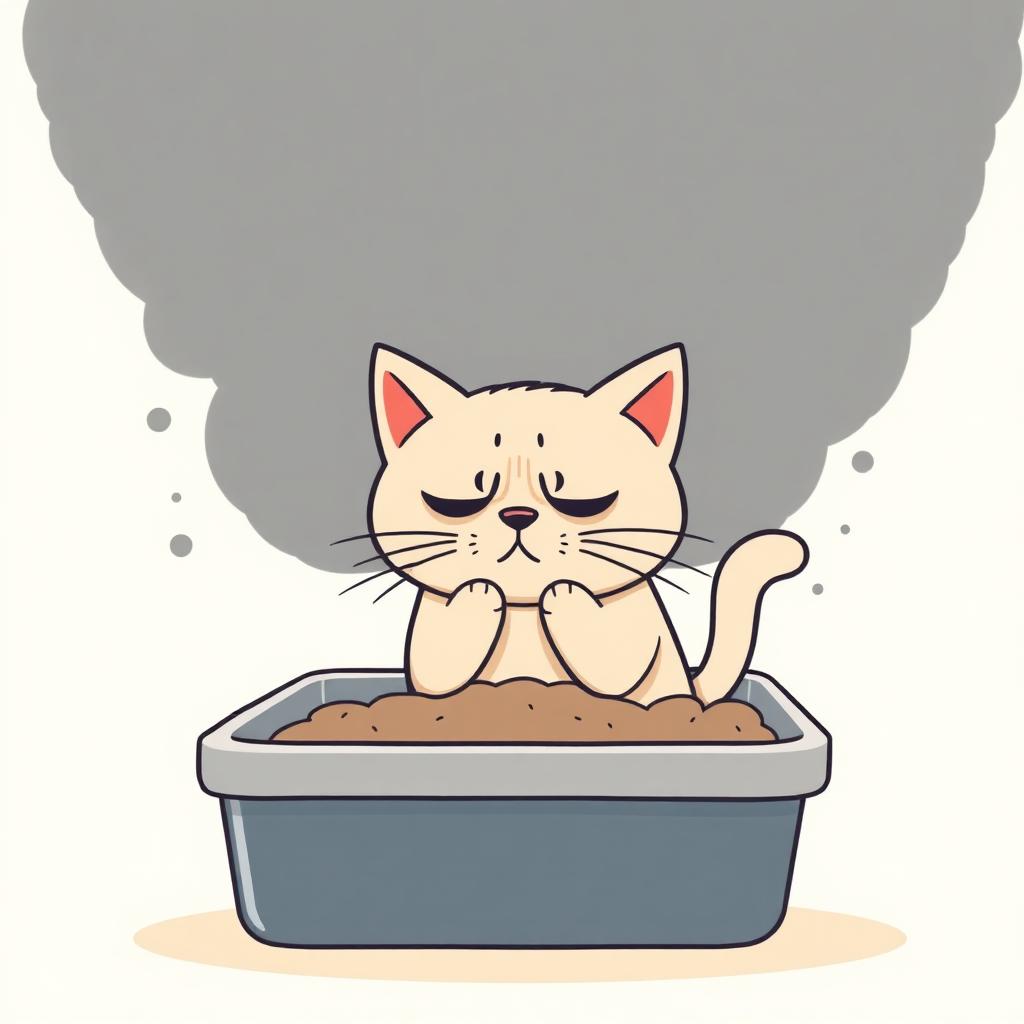
- Your kitten eats, wanders off, and then has an accident a few minutes later.
- You are cleaning small messes because the litter box timing feels random.
- A young kitten seems to forget where the box is, especially after play or naps.
- You want faster litter training without scolding or constantly hovering.
- Use meals as a predictable potty cue and place your kitten in the box right after eating.
- Keep the box close, low-sided, and easy to reach so the habit forms before urgency wins.
- Watch for the usual post-meal signs: sniffing, circling, squatting, or suddenly leaving the room.
- Choose a litter texture your kitten accepts readily; a soft, low-dust option such as NEKO can help keep the box inviting.
Why meal timing makes litter training easier
A kitten litter box after meals routine works because it uses biology instead of guesswork. Most kittens feel the urge to poop soon after eating, and many will urinate around the same predictable windows too, especially after meals, naps, and play. Young kittens do not have polished self-control. When the urge arrives, they need a box that is nearby and familiar, not one hidden down a hallway or behind a closed door. Taking your kitten to the box right after meals turns a vague training goal into a repeatable pattern: eat, walk to box, dig, go, leave. That sequence matters. Kittens learn through repetition tied to context, and mealtime is one of the strongest daily cues you can use. It also reduces the number of chances your kitten has to choose a rug, corner, or laundry pile instead. The point is not to force a result every time. The point is to create many easy opportunities for the right behavior to happen in the right place. Over several days, that timing usually becomes one of the fastest ways to reduce accidents without punishment, drama, or standing guard over the litter tray like a nightclub bouncer.
The digestive reflex behind the post-meal potty window
There is a simple mechanism behind this: eating stimulates movement in the digestive tract. In very young animals, that post-meal reflex can be fairly strong, which is why breeders, fosterers, and shelter staff often build litter routines around feeding times. Food enters the stomach, the gut gets the message that more contents are coming, and the lower bowel becomes more active. The result is a natural potty window that often opens shortly after a meal. Not every kitten goes immediately, and the exact timing varies with age, meal size, hydration, stress level, and whether the kitten has just been playing hard. Still, the pattern is common enough to be useful. This is why free-feeding all day can make litter timing harder to read. Scheduled meals create cleaner signals. You feed, then you guide your kitten to the box, then you wait quietly for a minute or two. If nothing happens, you do not need a courtroom cross-examination. Just let the kitten out and try again after the next meal, nap, or play session. Training works best when you stack natural reflexes in your favor rather than expecting a baby animal to manage perfect timing on its own.
How to build the after-meals routine step by step
Start with a simple sequence and keep it boringly consistent. Feed your kitten in the same general area each time. As soon as the meal ends, calmly carry or guide the kitten to the litter box. Place them in the box and give them a minute or two of privacy without staring them down. Some kittens will dig right away. Others will hop out, then go back in after a short sniff around. That still counts. If your home is large, use a temporary setup: keep the kitten in a smaller room or pen with food, water, bed, toys, and a nearby box during the earliest training period. Distance is often the real enemy. A kitten that has to race across several rooms may not make a very principled choice under pressure. Repeat this after every meal, after every nap, and after energetic play. Those are the highest-probability moments. When the kitten uses the box, reward immediately with calm praise or a tiny treat if they are food-motivated. Keep the reward close enough in time that the kitten can connect it to the act. If nothing happens, do not nag or keep the kitten trapped in the box. You are building familiarity and timing, not running a hostage negotiation.
The litter box setup that makes success more likely
Good timing can still fail if the box itself is wrong for a kitten. Size, location, and litter feel matter. A young kitten needs a low entry they can step into easily without climbing like a mountaineer. High-sided boxes can be useful later, but in the early weeks they can slow access or make the box feel awkward. Place the box in a quiet, easy-to-find area away from noisy appliances and away from the food dish. Cats do not want to toilet beside dinner any more than you do. In multi-level homes, one box on each main level is usually smarter than expecting a tiny kitten to commute. Keep the litter depth moderate so it is easy to dig but not swampy. Unscented litter is usually the safest starting point because strong perfumes can put some kittens off. Texture counts too. Many kittens prefer a soft substrate that feels natural underfoot. If a litter is dusty, heavily fragranced, or full of oversized pellets the kitten dislikes, they may avoid the box even when your timing is perfect. This is one place a soft, low-dust, plant-based litter such as NEKO can be a practical fit, especially if you want a gentle texture and less airborne dust around a very young cat.
What to do when your kitten does not go after eating
Do not treat the after-meal trip as a test your kitten can fail. The routine raises the odds. It does not guarantee an instant result. Some kittens poop ten minutes after eating. Some take longer. Some are more likely to urinate after a meal and poop after a nap. If your kitten does not go, simply let them leave the box and keep watching for body language. Common signs include sudden sniffing, circling, tail twitching, pausing mid-play, heading to a corner, or scratching at the floor. At that point, scoop them up or guide them back to the box without fuss. If accidents are happening despite good timing, make the environment smaller for a few days. More freedom is not always a reward; sometimes it is just more square footage for mistakes. Also review meal schedule consistency. If feeding times drift all over the day, the potty pattern often gets messier too. Clean accidents thoroughly with an enzymatic cleaner so no scent remains to invite a repeat performance. Avoid punishment, rubbing a nose near the mess, or loud reactions. Those methods do not teach the box location. They usually teach that humans become strange and theatrical near bodily functions.
How age, stress, and routine changes affect litter habits
Very young kittens are still developing coordination, bladder and bowel control, and confidence. That means training should match their age, not your ideal timeline. A recently weaned kitten may need more frequent guidance than an older kitten who has already copied litter habits from their mother or littermates. Stress also changes toileting behavior. Moving to a new home, meeting other pets, switching food, or hearing unfamiliar sounds can disrupt a kitten that seemed to be doing well. This is another reason the after-meals routine helps: it gives the kitten one stable anchor during a chaotic adjustment period. Keep other variables steady where possible. Feed on a schedule, keep box locations predictable, and avoid changing litter type repeatedly just because one accident happened. If you must change litters, mix gradually so the texture shift is not abrupt. In a multi-cat home, provide enough boxes that your kitten never has to negotiate access with a larger, opinionated resident cat. A good general rule is more boxes than cats, placed in separate areas rather than lined up like parking spaces. When a kitten can find a familiar, unoccupied box quickly after a meal, your training timing has a fair chance to do its job.
Accidents that point to a setup problem rather than a training problem
Patterns matter more than isolated mishaps. If your kitten consistently pees in one corner, poops beside the box, or uses the box only for one function, assume the setup needs work before assuming the kitten is stubborn. Boxes that are too dirty are a common issue. Scoop frequently. Young kittens can be surprisingly opinionated about stepping into a used patch. Box placement is another culprit. A laundry room beside a banging dryer may look convenient to you and deeply suspicious to a kitten. If the kitten enters the box, scratches, and then exits to toilet nearby, the litter depth or texture may be the problem. If they seem frantic, vocal, or repeatedly enter and leave without going, think discomfort or stress. Diarrhea can make timing much harder because urgency outruns learning. Constipation can lead to box avoidance if the kitten associates the box with straining. Neither issue should be brushed off if it persists. The same goes for frequent tiny urinations, blood, or obvious pain. Litter training works best with a healthy kitten. Behavior can only tell you so much when the body is sending distress signals. Sometimes the fix is a better routine. Sometimes the fix is a vet, and pretending otherwise is not noble.
Advanced habit-building once the basics are working
Once your kitten is using the box reliably after meals, you can use that momentum to strengthen independence. Gradually increase supervised access to more of the home rather than granting instant full-house privileges. Keep one box very close to the main living area while habits are still new. If you want the permanent box location to be farther away, move it in small increments over several days instead of overnight. Continue using transitions as cues: after meals, after naps, after play, and first thing in the morning. Most kittens start anticipating the routine and will head toward the box on their own. You can support that by briefly pausing play after a meal and steering traffic in the right direction before zoomies take over. Maintain the box well enough that using it stays easy. If odor builds up, dust puffs up, or clumps break apart, the box becomes less appealing and accidents become more likely. That is one reason many owners prefer an unscented, low-dust litter that clumps cleanly and does not fight the cat for control of the room. The real goal is not just fewer accidents this week. It is a litter habit so automatic that your kitten does the right thing with almost no help, even when life gets a little less scheduled.
Common questions
How soon should I take my kitten to the litter box after meals?
Right after eating is usually best. Do not wait until you see an accident brewing. Many kittens feel the urge within minutes of a meal, while others take a bit longer. Place your kitten in the box as soon as the meal ends, wait briefly, then try again later if nothing happens.
Does the kitten litter box after meals routine work for pee and poop?
Yes, it can help with both, but it is usually most reliable for bowel movements. Urination may also happen after meals, naps, waking, or play. Use all of those predictable transitions, not meals alone, if you want faster training and fewer accidents.
How long does it take a kitten to learn litter box habits?
Some kittens catch on within a few days, especially if they have seen other cats use a box. Others need a week or two of steady routine. Age, stress, box setup, and cleanliness all affect the timeline. Consistency matters more than intensity.
What if my kitten eats and then goes somewhere else instead of the box?
Reduce the distance between food area and box, supervise closely, and guide the kitten to the box immediately after meals. If accidents keep happening, limit space for a few days so the box is always nearby. Also check box size, litter texture, and cleanliness.
Should I put my kitten in the litter box after every meal?
Yes, during early training that is a smart routine. Also do it after naps and energetic play. You are not forcing the kitten to perform on command. You are creating frequent chances for the right behavior to happen in the right place.
When should I worry that litter box issues are medical, not training?
Contact a vet if your kitten strains, cries, has diarrhea that continues, seems constipated, urinates very frequently in tiny amounts, has blood in urine or stool, or suddenly stops using the box after doing well. Training cannot fix pain or digestive upset.
One switch. Four problems, gone.
Start a NEKO subscription and get your first 7L bag for 40% off. Free shipping, delivered every 4–6 weeks. Skip, pause, or cancel anytime.