How Weaning Affects Litter Box Training in Kittens
See how changes in diet, digestion, and routine during weaning can influence litter habits and what helps kittens adjust smoothly.
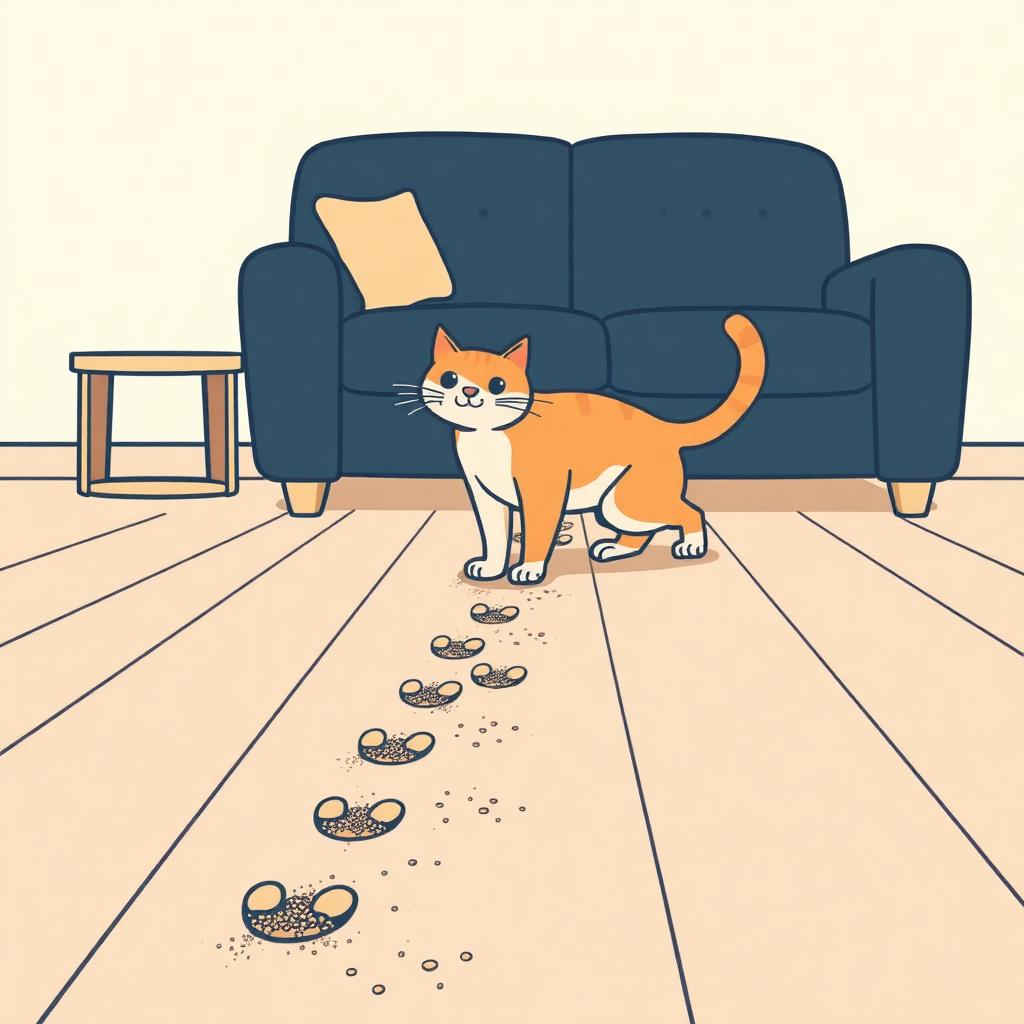
- A kitten suddenly starts missing the box right when solid food is introduced
- Loose stools, constipation, or urgency make litter habits seem inconsistent
- New food, new space, and less nursing change the kitten’s routine all at once
- The box setup is often too big, too dirty, or too hard for a small kitten to use
- Keep weaning gradual so digestion stays steadier and bathroom timing is easier to predict
- Use a shallow, easy-entry litter tray placed close to where the kitten eats, sleeps, and plays
- Choose a gentle, low-dust litter and keep the box very clean so the kitten wants to return
- If stools are normal but accidents continue, tighten the routine and consider a soft plant-based litter such as NEKO for easier acceptance
Why weaning changes litter habits so quickly
Kitten weaning litter training often gets messy for one simple reason: two major systems are changing at the same time. A kitten is moving from milk to gruel or solid food while also learning where and when to eliminate without constant help from the mother. During nursing, bowel movements can be less variable because the diet is consistent. Once wet food, softened kibble, or new textures enter the picture, stool volume, smell, frequency, and urgency can change within days. That means a kitten who seemed naturally tidy may suddenly squat beside the tray, have softer stools, or forget the box when distracted. None of this automatically means the kitten is stubborn or poorly trained. It usually means the body and routine are in transition. Weaning also changes timing. Kittens may eat more defined meals instead of nursing in small bursts, so they often need the litter box shortly after eating or waking. If no one places them near the tray during those windows, accidents are predictable. The good news is that this stage is usually very trainable because young kittens are developing habits fast. If the setup is simple, the box is close, and diet changes are not rushed, most kittens adapt much more smoothly than worried owners expect.
What happens in the gut during the switch from milk to solid food
The digestive side of weaning explains a lot of litter box confusion. Milk and solid food move through the gut differently, hold different amounts of water, and produce different stool texture. A kitten that starts eating a mushy wet mixture may pass stool more often for a few days. Another may get temporarily constipated if the change is too abrupt, if solid food is drier than expected, or if the kitten is not drinking enough. Either extreme can interfere with training. Loose stool creates urgency, so the kitten may not reach the tray in time. Hard stool creates discomfort, and a kitten that associates the box with straining may hesitate to return. This is why gradual change matters so much. Most vets recommend a stepwise transition over several days rather than replacing nursing or familiar food all at once. It also helps to keep one variable stable at a time. If the food changes, avoid changing the litter type, tray style, and room layout on the same day if possible. Watch stool quality closely. Formed but not hard is the goal. Repeated diarrhea, blood, marked bloating, vomiting, or a kitten that stops eating is a medical issue, not a training problem. Healthy digestion gives you a fair chance at healthy litter habits.
The best litter box setup for a newly weaned kitten
A newly weaned kitten needs a box designed for tiny legs, short attention spans, and limited bladder and bowel control. Start with a shallow tray that the kitten can step into without climbing. High-sided boxes help contain mess in adult cats, but for very young kittens they can act like a wall. Low entry matters more than style. Size matters too. The tray should be large enough for the kitten to turn around comfortably but not so large that it feels distant or hard to reach in time. Put the box close to the kitten’s main area, especially in the first days of weaning. A kitten allowed to roam a large space with only one distant tray is being set up to fail. In multi-level homes, use more than one tray. The litter itself should be soft underfoot, low in dust, and unscented or very lightly scented. Strong perfume can put off kittens with sensitive noses. Clumping litter can be useful for cleanup, but whatever you choose, monitor curiosity closely because some kittens try to taste everything. Keep litter depth modest so footing stays stable. Most importantly, scoop fast. During weaning, kittens form surface-level associations quickly. If the first box they investigate smells dirty or feels unpleasant, they may choose a towel, rug, or corner instead.
How feeding schedule and routine shape elimination timing
Routine is one of the strongest tools in litter training, especially during weaning. Kittens usually need to eliminate after meals, after waking, and after energetic play. Those windows are your training opportunities. Instead of waiting for an accident, quietly place the kitten in or near the box at those predictable times. You are not forcing a performance. You are matching the body’s natural rhythm to the correct location. This is much more effective than reacting later. Keep meals consistent rather than free-feeding random amounts all day if your veterinarian has not advised otherwise. Consistent input makes bathroom timing easier to spot. If one kitten in a litter tends to wander off and squat behind furniture, reduce available space for a few days and keep the tray within a few steps of the nest or pen. This is management, not punishment. Calm repetition matters more than correction. If the kitten uses the box, leave it at that. If the kitten has an accident, clean thoroughly and reset the routine. Harsh responses can create avoidance, especially during a stage when the kitten is already dealing with a changing body and environment. Reliable litter habits usually come from predictable meals, close supervision, and many low-pressure chances to get it right.
Common weaning accidents and what they usually mean
The pattern of the accident often tells you what needs fixing. Stool right beside the tray usually points to a timing or access problem. The kitten got close but not close enough, often because the urge was sudden or the tray edge was awkward. Small dribbles elsewhere can suggest the kitten was distracted by play and waited too long. Straining in the box with little output may point to constipation, dehydration, or discomfort rather than a training failure. Soft stool tracked through bedding often means the kitten made the correct choice at first but had poor stool control because the food change moved too fast. Repeated avoidance of one specific tray may signal that the substrate, smell, or location is unpleasant. Covered boxes can trap odor and feel cramped to some kittens. Boxes near noisy appliances can be a hard no. If urine accidents appear but stooling is normal, check whether the box is too dirty or whether another kitten is crowding access. In foster settings, traffic jams happen. One tray for a group is rarely enough. Keep notes for a few days: meal time, stool quality, accident location, and whether the kitten had just woken or played. That simple record usually reveals whether you need a diet adjustment, a second tray, more frequent scooping, or a vet visit.
Choosing litter when paws, noses, and stomachs are all sensitive
Weaning is not only a digestive transition. It is also a sensory one. Kittens are suddenly walking farther, exploring textures, and investigating everything with their paws and mouths. That makes litter choice more important than many owners expect. A harsh, dusty, strongly scented litter may be tolerated by an adult cat that already has habits, but a newly weaned kitten is still deciding whether this strange box is a good place to return to. Soft texture helps. Low dust helps. Minimal fragrance helps. Cleanliness helps most of all. Plant-based litters can work well here when they stay gentle underfoot and do not throw up much dust during digging. NEKO’s tofu litter fits that preference honestly because it is soft, low-dust, and easy to scoop, which makes it simpler to keep a kitten tray consistently fresh. That said, no litter fixes a rushed diet change or a poorly placed box. Safety also matters. Some kittens nibble litter pellets out of curiosity, so supervision is sensible during the earliest stage, and any repeated eating of non-food items deserves attention. Whatever litter you choose, keep it consistent during the first training stretch. Constantly switching texture or scent can reset preferences just when the kitten was starting to learn.
When it is not training at all: health issues that mimic litter problems
Young kittens can go downhill quickly, so it is important to know when a litter issue is really a health issue wearing a training costume. A kitten with frequent watery diarrhea, vomiting, weight loss, a bloated belly, or low energy needs veterinary guidance, not stricter box practice. Parasites, dietary intolerance, infection, and dehydration can all show up as sudden litter failure during weaning because that is when the digestive system is under pressure. Constipation also deserves attention if a kitten strains repeatedly, cries, passes very little stool, or goes noticeably longer than usual without a bowel movement. Pain changes behavior fast. A kitten may avoid the box simply because the last trip hurt. Urinary concerns are urgent too, even in young cats. Repeated straining, tiny urine spots, obvious discomfort, or no urine output should never be written off as training delay. If the kitten was using the tray reasonably well and then abruptly stops while showing physical signs, assume body first, behavior second. The practical rule is simple: if the stool or urine looks abnormal, if appetite drops, or if the kitten seems dull, pause the home troubleshooting and call the vet. Better one unnecessary call than one late one.
Advanced tips for multi-kitten homes, fosters, and tricky learners
Some kittens need more structure, especially in rescues, foster rooms, or busy homes with several littermates. Start by increasing tray access more than you think you need. Group dynamics matter. One bold kitten can monopolize a tray just by roughhousing nearby, while a shy kitten quietly chooses the laundry pile. Spread trays across the space instead of lining them up side by side, which does little for a kitten that is intimidated by one location. If one kitten repeatedly misses, create a smaller living area for a few days with bed, food, water, and tray separated but close. This reduces the distance between urge and box and usually speeds learning. For kittens that play in the litter rather than use it, shorten unsupervised sessions and place them in the tray after meals and naps before excitement ramps up. If a kitten prefers a soft surface like towels, remove that option temporarily and clean the area with an enzymatic product so odor does not invite a repeat performance. In long-haired kittens, check whether stool is sticking to fur and causing confusion after a partial success. A quick hygiene trim under veterinary or groomer guidance can help. Difficult cases usually improve when you make the environment simpler, access easier, and the daily rhythm boringly consistent. Boring is underrated in kitten training.
Common questions
Does kitten weaning litter training usually get harder before it gets easier
Often, yes. During weaning, food type, stool consistency, meal timing, and independence all change at once. A kitten may have a few days of accidents even if they seemed to understand the box earlier. That does not mean training failed. It usually means the routine and digestion need time to stabilize. Keep the tray close, the setup simple, and the food transition gradual.
At what age do kittens usually start using a litter box reliably
Many kittens begin learning very young, but reliability depends on development, environment, and digestive stability. During the weaning period, progress is often uneven. Some kittens use the tray consistently with only reminders after meals and naps, while others need more supervision. A shallow box, small space, and predictable schedule usually help more than waiting for maturity alone.
Can changing food during weaning cause litter box accidents
Yes. A quick food change can lead to loose stool, constipation, gas, or urgency, all of which make box use less consistent. If accidents start right after introducing new food, look at the pace of the transition first. Gradual changes usually give the gut more time to adapt. If digestive signs are severe or the kitten seems unwell, contact a veterinarian.
What type of litter is best for a newly weaned kitten
Choose a litter that is soft, low-dust, and not heavily scented. Kittens are sensitive to texture and smell, and a harsh substrate can create avoidance. The tray should also be shallow and easy to enter. A plant-based option like NEKO can be a good fit if your kitten accepts the texture well, but litter choice works best when paired with a clean box and a stable routine.
When should I worry that it is more than a training issue
Worry less about one accident and more about the whole picture. Call your vet if you see frequent diarrhea, blood, repeated straining, vomiting, poor appetite, low energy, bloating, or a sudden loss of litter habits after earlier success. Those signs suggest discomfort or illness, not simple training delay. Young kittens can become dehydrated quickly, so early advice is wise.
One switch. Four problems, gone.
Start a NEKO subscription and get your first 7L bag for 40% off. Free shipping, delivered every 4–6 weeks. Skip, pause, or cancel anytime.