Introducing a Kitten to New Rooms Without Litter Box Confusion
Expand a kitten’s space gradually while keeping litter habits consistent and reducing the risk of accidents in unfamiliar areas.
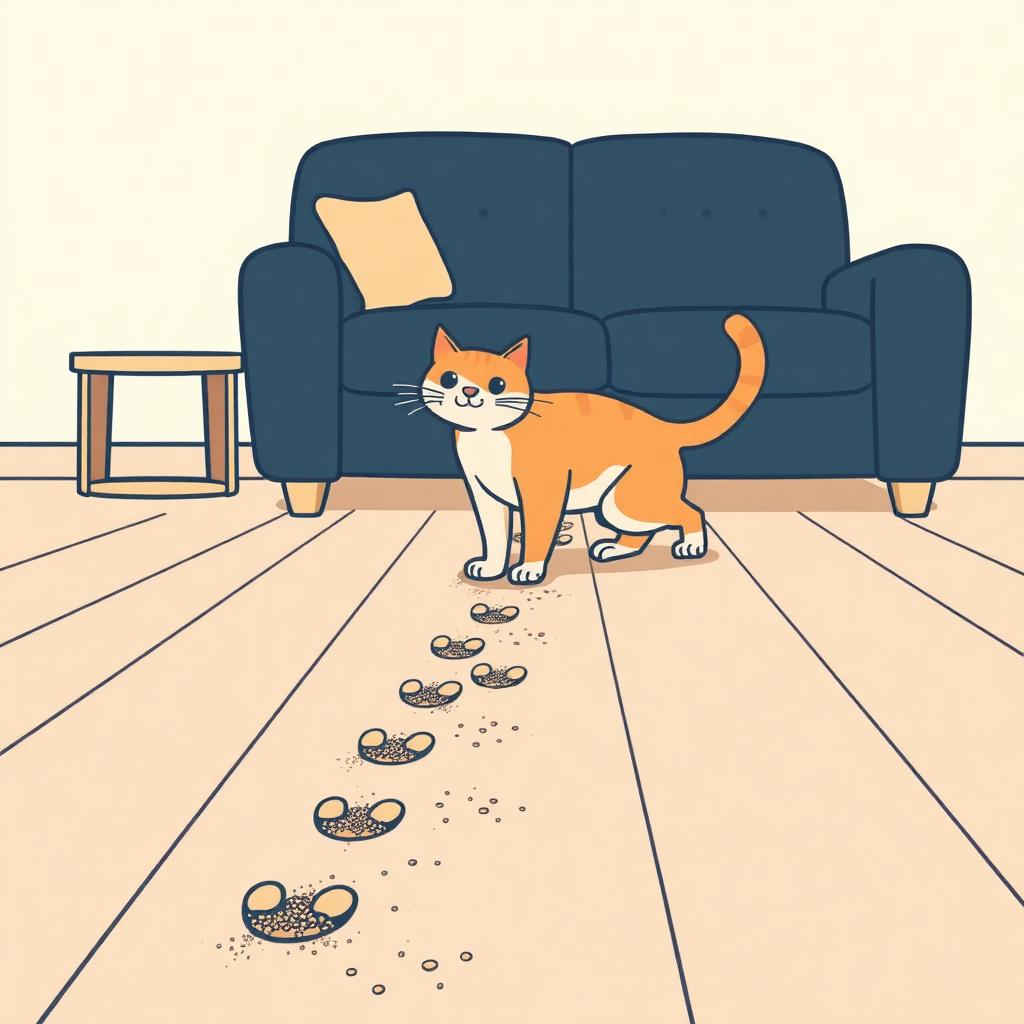
- A kitten explores a bigger space, then forgets where the litter box is.
- New smells, carpets, and hiding spots compete with the box and trigger accidents.
- Owners expand access too fast, so the kitten loses a reliable routine.
- A second room changes feeding, play, and sleep patterns, which can disrupt toileting.
- Expand territory one room at a time only after several accident-free days.
- Keep the litter box setup identical at first: same box style, same litter, same placement logic.
- Guide the kitten to the box after meals, naps, and active play when elimination is most likely.
- Use an easy-to-dig, low-dust litter with a consistent feel; many owners prefer a plant-based option like NEKO for that reason.
Why introducing kitten to new room too fast causes litter problems
Kittens do not generalize bathroom habits as neatly as owners hope. A kitten may be perfect in one room, then suddenly miss the box after gaining access to a hallway, bedroom, or office. That is not stubbornness. It is usually a mix of immature bladder control, weak spatial memory, distraction, and stress. In a small starter room, the litter box is always nearby, easy to smell, and hard to forget. Add distance, corners, rugs, furniture, and closed doors, and the same kitten has more choices and more chances to get confused. Young kittens also switch states quickly: asleep one minute, sprinting the next, then urgently needing the box with little warning. If the route is longer or unfamiliar, the nearest soft surface can win. This is why accidents often happen right after owners say the kitten was doing great. The habit was real, but it was tied to a simpler environment. The fix is not punishment or endless cleaning. It is controlled expansion. When you treat each new room as a training step rather than a freedom upgrade, litter habits stay stable and the kitten learns that every part of the home still follows the same bathroom rules.
Start with a base camp and do not rush the graduation
A kitten should first master one small, quiet area before getting access to more of the home. This base camp usually includes the litter box, water, bed, scratcher, and a safe hiding spot. The goal is boring consistency. If the kitten is using the box reliably, eating well, and moving around the room with confidence, that room is doing its job. Most owners get into trouble when they open the whole house after one or two good days. A better benchmark is several days of clean box use with no accidents and no signs of anxiety around the setup. Watch the details, not just the headline. Is the kitten entering the box easily. Digging normally. Covering waste. Returning to the same spot each time. If yes, you have a stable routine worth protecting. If not, expansion will usually make the weak point worse. Keep the box in a predictable location, away from food and loud appliances, and avoid changing litter texture or box type during this stage. If you want to use a lightweight, plant-based litter such as NEKO, introduce it before room expansion or after the kitten is fully stable, not at the same time as a territory change. One variable at once is the rule.
How kittens decide where to go: scent, surface, distance, and timing
Litter habits are not just about preference. They are built from cues. The box smells like the right toilet area. The litter feels diggable under the paws. The route is short enough to reach in time. The timing lines up with body rhythms after sleep, meals, and play. Change any one of those cues and success can drop. Change all of them at once by opening a new room and you get confusion. Carpets and piles of laundry are common problems because they feel soft and absorbent, which can resemble a safe elimination surface. Corners behind furniture can attract anxious kittens because they feel sheltered. A box tucked too far away can become effectively invisible during a moment of urgency. This is also why strong cleaners can backfire if they leave perfumed residue near an accident site but not near the actual box. The kitten may still be reading the room by scent in ways humans miss. Good setup design works with these cues. Keep a low-entry box if the kitten is small. Use a litter texture that is easy to dig and not heavily scented. Place the box where the kitten can get to it fast without crossing noisy bottlenecks. Repeat box visits at biologically predictable times. Reliable habits usually come from reliable cues.
The right way to open a second room
When it is time to expand space, open just one new room and keep sessions short at first. Think supervised field trip, not permanent access. Bring the kitten into the new room after it has already used the litter box, eaten, and played a bit. That reduces the chance that the first association with the room is an urgent bathroom need. Spend ten to twenty minutes there, then guide the kitten back to base camp before it gets overtired or overstimulated. During the visit, quietly place the kitten in the litter box once or twice so the location is refreshed in memory. Do not force it to stay there. Just make sure the map is clear. Repeat this over several sessions. If all goes well, increase time in the new room, then begin allowing the kitten to walk there on its own while supervised. In larger homes, a temporary second box near the new area can be smart, especially for young kittens or homes with stairs. It does not have to be permanent, but it can prevent avoidable mistakes while navigation is still developing. If you add a second box, keep it as similar as possible to the first one. Same shape, similar depth, same litter. Consistency reduces the mental load. Variety is for adult cats with stable habits, not for kittens still learning the floor plan.
Placement rules that prevent accidents in unfamiliar spaces
Good litter box placement is less about aesthetics and more about path of travel. A kitten should be able to reach a box quickly from wherever it is allowed to roam. That usually means no dead-end placements behind closed doors, no isolated laundry corners beside clanging machines, and no setup that requires squeezing past a dog gate or vacuum closet. If the new room is upstairs or far from base camp, assume the distance matters. A tiny kitten can get distracted, delayed, or intimidated by the trip back. Temporary convenience beats idealized minimalism. Keep one box in the core living area and, if needed, one near the newly opened zone. Avoid moving the original box just because the kitten has expanded territory. The familiar box is the anchor. Also pay attention to the surfaces in the new room. If there is a thick rug, bath mat, or pile of blankets, remove it for the first week of access. You are reducing tempting alternatives while the habit transfers. For kittens that start scratching a particular corner, block that area with furniture or place an appropriate scratcher there so the behavior has a harmless outlet. Small environmental edits prevent repeated accidents from turning into a pattern. Once a kitten has succeeded in a room many times, you can gradually make the space look normal again.
What to do if the kitten has an accident in the new room
Treat the first accident as information, not a character flaw. Do not scold, rub the nose in it, or chase the kitten to the box. That teaches fear around you, not understanding of the toilet location. Instead, shrink the territory immediately. Go back to the last room setup where litter habits were reliable, clean the accident thoroughly with an enzyme-based cleaner, and review what changed. Was the kitten unsupervised too long. Was the door to the box closed. Was there a rug or bedding pile in the room. Did you switch litter or move the box. Did a noisy appliance, guest, or resident pet create stress. Once you identify the likely trigger, fix that variable and retry the room more gradually. One accident does not mean the kitten needs full confinement for weeks, but it does mean the previous step was too big. If accidents repeat despite careful management, look at the box itself. Kittens often avoid boxes that are too high to enter comfortably, too dirty, too scented, or too close to food. Stool or urine changes also matter. Straining, crying, diarrhea, or very frequent tiny pees deserve a vet call because medical issues can look exactly like training setbacks. The cleanest training plan in the world cannot overcome pain.
Multi-room homes, stairs, and other tricky layouts
Some homes are simply harder than others. Long hallways, split levels, closed-door bedrooms, and busy family traffic all increase the odds of litter box confusion. In these homes, think in zones. A kitten should earn one zone before gaining the next. If stairs are involved, do not assume the kitten will calmly go up or down when it needs the bathroom. Stairs are interesting, tiring, and sometimes a little intimidating. Keep a box on the same level where the kitten currently spends most of its time. The general rule most cat professionals use is enough boxes that no cat has to make a stressful trek, with at least one on each commonly used floor in larger homes. For a single kitten, that may mean using an extra temporary box during the learning phase, then reducing later if habits stay strong. If resident pets are present, the route to the box matters as much as the box itself. A playful dog, an adult cat guarding a doorway, or a toddler who likes to follow can turn a technically available box into an emotionally unavailable one. Make sure the kitten has a private, low-pressure path and an escape route after using the box. A bathroom trip should feel routine, not like a tactical operation.
Advanced habit-building: routines, box checks, and when to phase out extras
Once the kitten is moving through multiple rooms without accidents, your job shifts from prevention to maintenance. Keep the daily rhythm predictable. Many kittens need the box soon after waking, after meals, and after intense play, so those are smart moments for quiet check-ins. You are not hovering forever. You are reinforcing a pattern until it becomes automatic. Scoop frequently because kittens can be surprisingly opinionated about cleanliness. If one box gets used much more than another, note that preference before removing anything. The busiest box often tells you where the kitten feels safest or where access is easiest. If you plan to phase out a temporary second box, do it only after at least a week or more of fully reliable behavior in that area, and never during another life change such as a move, new pet introduction, or schedule disruption. Remove the least-used box first and watch closely for setbacks. Keep litter texture and box style steady during this period. Stability matters more than optimization. If you want a lower-tracking or plant-based litter for the long term, consistency still wins: choose one the kitten accepts and stick with it. A product like NEKO can fit well for owners who want a simple, low-fuss routine, but the main point is not the brand. It is keeping the bathroom experience easy, familiar, and available in every room the kitten is ready to call part of home.
Common questions
How do I start introducing kitten to new room without accidents?
Start after several accident-free days in one base room. Open only one additional room at a time, keep visits short and supervised, and guide the kitten back to the litter box after naps, meals, and play. If the new room is far away, use a temporary second box nearby.
Should I put a litter box in every new room?
Not in every room. But you may need an extra box in a larger home, on another floor, or near a newly opened area if the original box is a long trip away. Think practical access, not decoration. Temporary extra boxes are often useful during training.
How long should a kitten stay in one room before exploring more?
There is no exact universal timeline, but most kittens should show several consecutive days of confident, accident-free litter box use before getting more space. Confidence matters as much as cleanliness. A shy or easily distracted kitten usually needs longer than a bold one.
Why is my kitten using the box in one room but peeing on carpet in another?
The new room may be too far from the box, too stimulating, or full of soft surfaces that feel appealing. Carpet can become the nearest acceptable option when urgency hits. Reduce access, remove rugs if possible, clean accidents with an enzyme cleaner, and reintroduce the room more gradually.
When can I remove the extra litter box?
Wait until the kitten has been reliably using the preferred boxes across the expanded space for at least a week or more, with no accidents and no hesitation. Then remove the least-used box first and monitor closely. If accidents return, put it back and slow down.
One switch. Four problems, gone.
Start a NEKO subscription and get your first 7L bag for 40% off. Free shipping, delivered every 4–6 weeks. Skip, pause, or cancel anytime.