Is Cat Litter Causing Skin Irritation?
Learn how to recognize redness, overgrooming, and paw sensitivity that may be linked to litter materials or cleaning products.
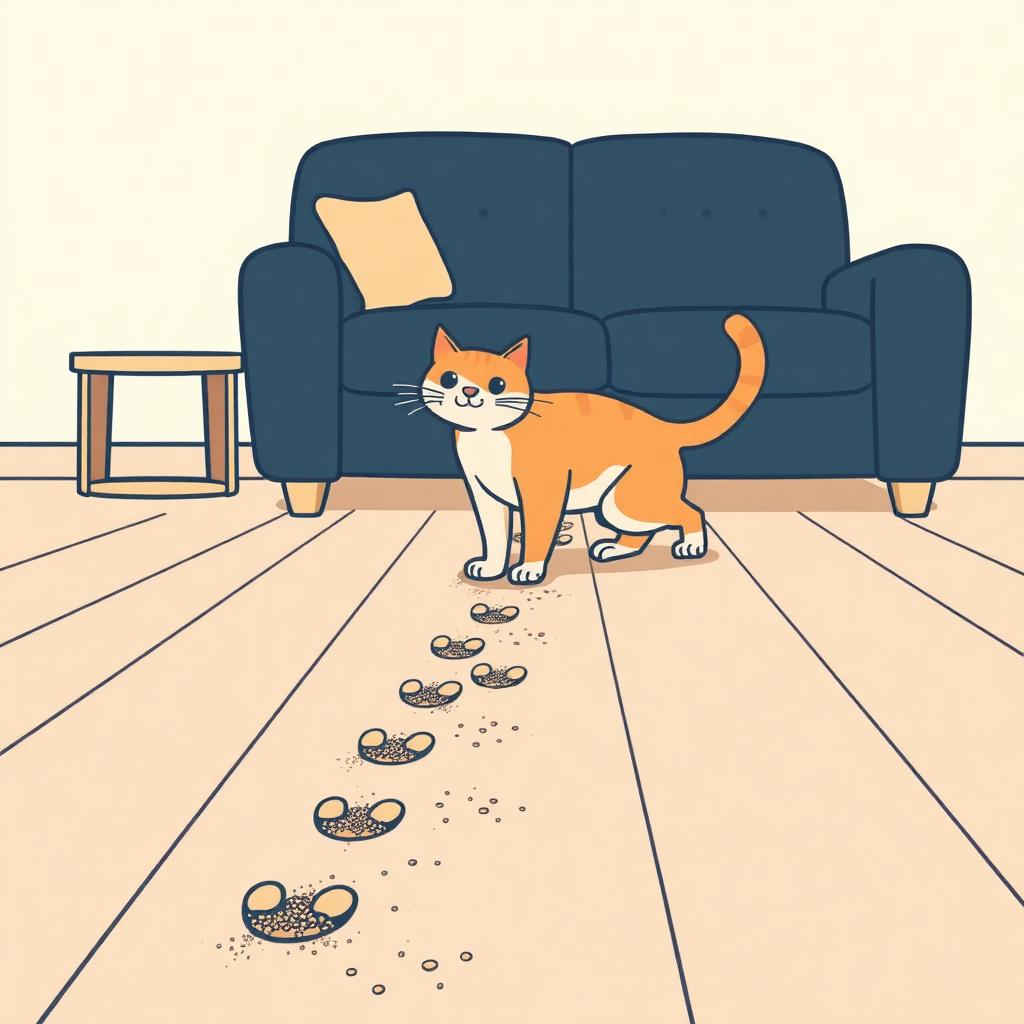
- Your cat suddenly licks paws, belly, or rear more than usual after using the box
- You notice red skin, small sores, or dandruff around the paws, legs, or underside
- Dust, fragrance, or cleaning residue may be irritating skin even when the litter looks clean
- Box avoidance can start when litter feels painful on sensitive paws or inflamed skin
- Switch to an unscented, low-dust litter and avoid heavily perfumed formulas
- Rinse litter boxes thoroughly and skip harsh cleaners that leave residue behind
- Track whether symptoms improve over 1-2 weeks after changing litter, liner, or cleaning routine
- If you want a gentler option, a low-dust plant-based litter like NEKO may help reduce contact irritation for some cats
When cat litter skin irritation is the real problem
Cats get itchy for many reasons, so it is easy to miss the litter box as the trigger. But cat litter skin irritation is real, and it usually shows up where the body touches litter most: paws, between toes, the back of the legs, the belly, and the area around the rear. Some cats start overgrooming after they leave the box. Others shake out their paws, limp briefly, or hesitate before stepping in. Redness, flaky skin, hair thinning, and tiny scabs can all happen when the skin barrier is being irritated again and again. The timing matters. If symptoms started after a litter change, a new deodorizer, a different box cleaner, or more aggressive deep cleaning, the box moves higher on the suspect list. The same goes for a cat who seems fine elsewhere but gets uncomfortable right after elimination. The tricky part is that irritation does not always mean a true allergy. Much more often, the skin is reacting to dust, fragrance, rough granules, moisture, or chemical residue. That distinction matters because the fix is usually practical: reduce exposure, simplify the setup, and watch closely for improvement over several days.
What irritation from litter usually looks like
Most cats do not walk up and file a complaint. They show discomfort in small, repetitive ways. You may see frequent paw licking, chewing between the toes, or grooming the lower belly after each box visit. Some cats develop pink skin on the paw pads or along the inner thighs. Others get dry, flaky skin that looks more like dandruff than a rash. Sensitive cats can start tiptoeing in the box, scratching less before they go, or trying to balance on the edge to avoid contact. A rough or painful texture can also make a cat leave the box quickly, which sometimes means urine or stool ends up outside the box. If the irritation is stronger, small bumps, scabs, or hair loss can appear. Dust can add another clue: a fine coating on the paws, fur, or the floor around the box. What you usually will not see is a perfectly neat textbook rash. Contact irritation in cats is messy and behavioral as much as visual. The pattern is often more helpful than the appearance. If discomfort clusters around litter box use and improves when your cat spends time away from the box, litter should stay on your list of possible causes.
The most common triggers: dust, fragrance, texture, and residue
The biggest offenders are usually not mysterious. They are right on the label, or floating in the air. Fragrance is a common problem because cats spend time close to the litter surface, where scent compounds are strongest. What smells clean to a human can be irritating to feline skin and airways. Dust is another frequent trigger. Fine particles stick to damp paw pads, settle into fur, and can collect in the folds between the toes. Clumping litter can also leave residue on slightly wet skin, especially in long-haired cats or cats with urinary dribbling. Texture matters more than many owners realize. Sharp granules, coarse crystals, or very hard pellets may abrade already sensitive paws, especially in seniors, declawed cats, or cats with arthritis who put weight down differently. Then there is the box itself. Harsh sprays, bleach mixtures, disinfectant wipes, and strongly scented soaps can leave residue behind even when the box looks rinsed. Add a plastic liner that traps moisture or powdery deodorizers sprinkled on top, and you have several contact points working against the skin. This is why solving irritation often means simplifying the whole box routine, not just swapping one bag of litter for another.
Why some cats react and others do not
Two cats can share the same litter box setup and only one develops problems. That does not mean the box is innocent. It usually means one cat has a weaker margin for irritation. Cats with allergies, sensitive skin, asthma, arthritis, obesity, or poor grooming habits are often less tolerant of dusty or abrasive litter. A cat with diarrhea, urine leakage, or long fur around the rear has more moisture on the skin, and moisture makes contact irritation worse. Senior cats are another special case. They may stand in one spot longer, avoid digging, or have thinner skin and sore joints that make rough litter feel harsher. Kittens can react too, simply because their skin is more delicate and they are more likely to investigate with their whole body. Stress can even play a supporting role. A stressed cat may overgroom, and overgroomed skin becomes easier to inflame when dust or residue hits it. If your cat already has fleas, food allergy, ear mites, or a skin infection, litter may not be the only cause, but it can still be making the picture worse. In real life, irritation is often layered. The box is not always the original spark. Sometimes it is the thing keeping the fire going.
How to test whether the litter box is causing the skin issue
The cleanest way to test this is a controlled reset. Change one category at a time and keep the rest stable. Start with the obvious: use an unscented, low-dust litter, remove any deodorizer, and wash the box with warm water plus a small amount of mild unscented dish soap. Rinse thoroughly and let it dry fully before refilling. If you use liners, skip them for now. If the current litter is very coarse or heavily fragranced, replace it gradually enough to avoid box rejection, but quickly enough to reduce exposure. For most cats, a transition over several days works better than an abrupt swap, unless the irritation is severe. Then observe like a scientist, not a worried detective with a flashlight at 2 a.m. Note grooming after box use, paw licking, redness, and willingness to step in the box. Take photos every few days because skin changes are easier to judge side by side. Improvement often shows up first in behavior, then in skin appearance. If there is no change after about one to two weeks with a simpler setup, litter may not be the main issue. At that point, a veterinary exam is the sensible next step, especially if sores, swelling, discharge, or significant hair loss are present.
Choosing a gentler litter when your cat has sensitive skin
For a cat with suspected contact irritation, the safest default is simple: unscented, low dust, soft underfoot, and easy to keep dry. That usually means avoiding strong perfumes and formulas that release a visible cloud when poured. A litter that tracks less can also help because less material stays on the fur and paws after the cat leaves the box. Plant-based litters can be useful here if they are low in dust and do not rely on added fragrance. Some cats do better on softer granules because there is less mechanical rubbing on the paw pads. That said, there is no universal perfect litter. A pellet that feels gentle to one cat may be annoying to another who prefers a finer texture. NEKO can be a reasonable option if your goal is to reduce dust and skip added fragrance while keeping the box practical for daily use. The key is not the marketing claim. It is the contact experience your cat actually has: less dust on the paws, less sticking to damp fur, and less obvious discomfort in the box. If you switch, monitor both skin and litter habits. The best litter for sensitive skin is the one your cat will use consistently without looking miserable.
Cleaning habits that help, and the ones that quietly make things worse
A surprising number of skin problems are made worse by over-cleaning the wrong way. The goal is a box that is hygienic without leaving behind irritants. Scoop daily so urine and stool are not sitting against the cat's skin on the next visit. Empty and wash the box regularly, but keep the cleaning chemistry boring. Warm water and a mild unscented soap are usually enough. Rinse until there is no slick feel left on the plastic. Skip heavily scented cleaners, disinfectant sprays, essential oil products, and powder deodorizers. Cats stand in that residue with bare paws. Plastic boxes also develop scratches over time, and those scratches trap odor, grime, and cleaner residue. If a box still smells strange right after washing, it may be time to replace it rather than escalating to stronger products. Box depth matters too. Very deep litter can increase contact with the lower legs and belly in squatters or long-haired cats. Around two to three inches is comfortable for many cats, but watch your individual cat's digging style. Finally, keep the area dry. Humidity, urine splash, and damp mats can all prolong skin contact with irritants. Clean is good. Chemically polished is not.
When it is probably not the litter, and when to call the vet
Litter can irritate skin, but it is not the most common cause of itch overall. Flea allergy, food sensitivity, environmental allergies, yeast, ringworm, mites, bacterial skin infection, and pain-related overgrooming are all strong competitors. If your cat is scratching the head and neck, has ear debris, develops widespread sores, or seems itchy far from the litter-contact areas, look beyond the box. The same applies if multiple body regions are involved or the symptoms continue despite a careful litter reset. Get veterinary help promptly if you see open wounds, swelling, bleeding paw pads, limping that lasts more than a day, straining in the box, frequent urination, or urine accidents paired with licking of the genitals. Urinary discomfort can cause frantic grooming that looks like a skin problem when the real issue is deeper. A vet may recommend skin tests, a flea control review, antifungal checks, or a short treatment plan to calm inflammation while you sort out triggers. If your cat improves after changing the litter but does not fully recover, that does not mean the experiment failed. It often means litter was one piece of a bigger puzzle, which is very on-brand for cats.
Common questions
Can cat litter cause skin irritation in cats?
Yes. Cat litter skin irritation can happen when dust, fragrance, rough texture, or cleaning residue repeatedly contacts the paws, belly, legs, or rear. It is often irritation rather than a true allergy. Signs include paw licking, redness, flaky skin, overgrooming after box use, and reluctance to step into the litter box.
What kind of litter is best for cats with sensitive skin?
Most vets and dermatology-minded owners start with an unscented, low-dust litter that feels comfortable underfoot. Avoid strong perfumes and litters that create a visible cloud when poured. Softer textures may help cats with sore paws, arthritis, or thin skin. The best choice is the one your cat uses comfortably while symptoms improve.
How long does it take to know if litter is the problem?
Behavioral improvement can show up within a few days after switching to a simpler setup. Skin changes often take longer, typically around one to two weeks, because irritated skin needs time to settle. If there is no meaningful improvement after that, or if the skin looks worse, schedule a veterinary exam.
Can cleaning products in the litter box irritate my cat's paws?
Absolutely. Residue from scented sprays, bleach mixtures, disinfectant wipes, and deodorizing powders can sit on the plastic and transfer to the paws. Even a small amount can matter because cats step in the box several times a day. Use mild unscented soap, rinse very well, and let the box dry completely.
Should I stop using clumping litter if my cat has a rash?
Not always, but it is worth testing a different formula if clumps or dust stick to your cat's paws or fur. Some cats do fine with clumping litter as long as it is unscented and low in dust. If your cat has damp fur, long hair, or sensitive paw pads, sticking and residue can be more of a problem.
One switch. Four problems, gone.
Start a NEKO subscription and get your first 7L bag for 40% off. Free shipping, delivered every 4–6 weeks. Skip, pause, or cancel anytime.