Pregnancy-Safe Cleaning Around the Litter Box
Learn which cleaning habits help maintain hygiene without introducing unnecessary fumes or irritants during pregnancy.
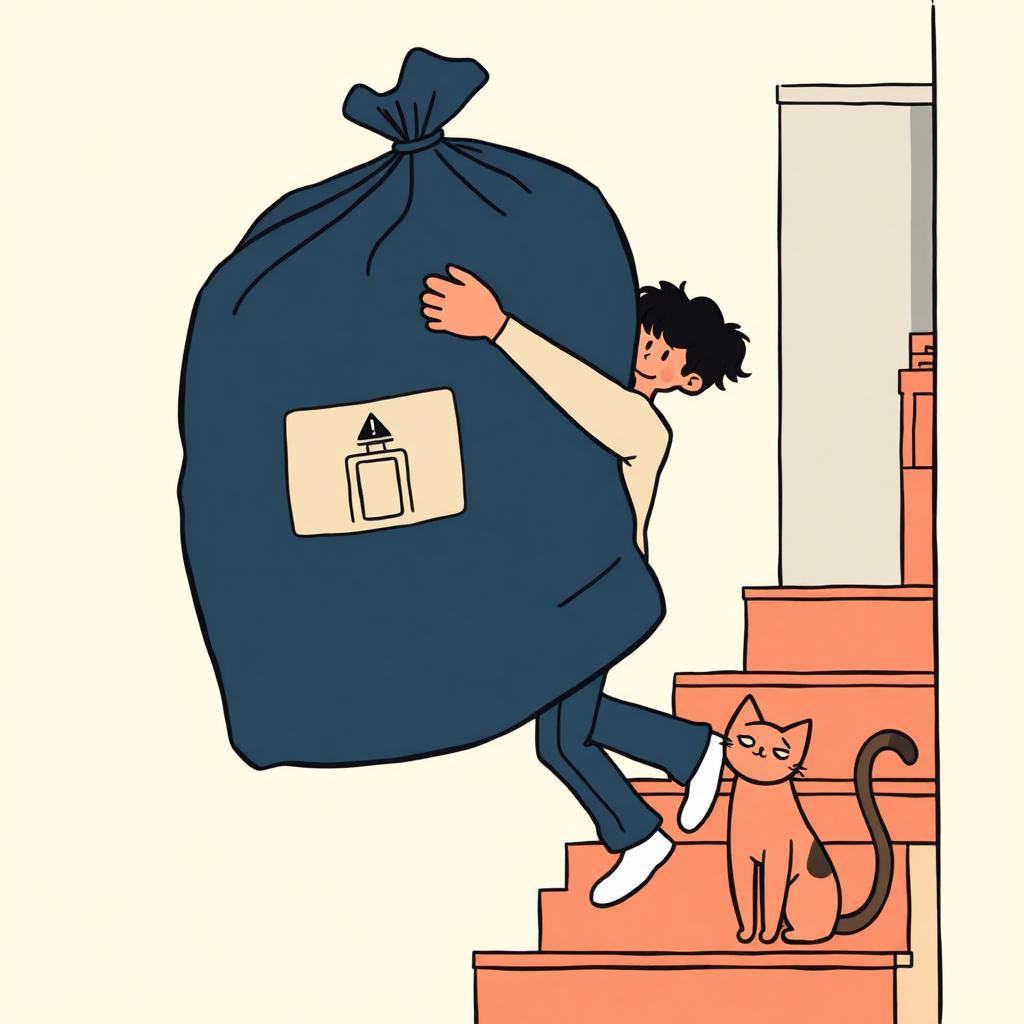
- The litter area can collect dust, tracked litter, urine residue, and odor quickly.
- Many common cleaners add strong fragrance or fumes that feel worse during pregnancy.
- People focus on the box itself but forget nearby floors, walls, mats, and scoops.
- Confusing advice makes it hard to know what is actually helpful versus overkill.
- Keep daily litter tasks simple: scoop promptly, contain tracking, and clean small messes before they dry.
- Choose low-odor cleaning methods around the box and avoid mixing products or using harsh sprays in a closed room.
- Use gloves, wash hands well, and have someone else handle litter duty when possible during pregnancy.
- A low-dust tofu litter such as NEKO can help reduce airborne particles around the box if your current litter is especially messy.
What matters most with pregnancy safe litter cleaning
The goal with pregnancy safe litter cleaning is straightforward: limit contact with litter waste, reduce airborne dust and fumes, and keep the area sanitary without turning it into a chemical cloud. During pregnancy, smell sensitivity often spikes, so a product that seemed fine before can suddenly feel unbearable. The bigger issue, though, is not creating extra exposure while cleaning. Strong disinfectants, heavy fragrance, and aggressive scrubbing sprays can irritate the nose, throat, and eyes in a small bathroom or laundry room fast. A safer routine is usually a simpler one. Scoop waste promptly so it does not sit and break down into stronger odors. Remove tracked litter before it gets ground into the floor. Clean spills while they are fresh, using the mildest product that can do the job. If someone else in the household can take over litter duty, that is typically the preferred setup during pregnancy. If not, wear disposable or washable cleaning gloves, avoid touching your face, and wash your hands thoroughly afterward. Good cleaning around the box is less about sterilizing every inch and more about cutting down the things that actually create mess, odor, and unnecessary irritation.
Why the area around the box gets dirty faster than you expect
Most of the mess is not coming from dramatic accidents. It is coming from repetition. Tiny bits of litter leave the box on paws, cling to fur, or bounce over the edge after digging. Fine dust can settle on baseboards, the front of the box, nearby walls, and any shelf or window ledge close by. Urine residue can build up in less obvious places too: under the front lip of the box, on the scoop holder, on the floor where a cat steps out, or on a mat that never fully dries between cleanings. Once organic residue sits, odor gets harder to control and people often compensate with stronger cleaners than they really need. The setup of the box matters. Covered boxes can trap some scatter but may also concentrate odor inside, which can encourage more frantic digging when a cat exits. High-traffic spots spread debris farther through the home. Lightweight litters may track more; dusty litters can make the entire cleaning job feel dirtier. This is why the surrounding area deserves as much attention as the litter itself. A box can look passable from above while the floor seams, mat fibers, and side panels are doing the real work of holding onto the smell.
Cleaning products that make sense and the ones to avoid
For routine cleaning around the litter box, mild soap and warm water solve more problems than people think. A damp microfiber cloth can lift dust from hard surfaces without blasting particles into the air. For floors, a lightly soapy wipe followed by a clean-water pass is usually enough for tracked litter and everyday grime. If you need to tackle urine residue, choose a cleaner that is low-odor and appropriate for the floor or wall material, then use only the amount needed. The main things to avoid are product combinations and heavy fumes. Never mix bleach with ammonia-based cleaners, and be cautious with any strongly scented spray in a tight space. Cat urine already has an ammonia-like smell, so using harsh chemicals near it can make the room feel much worse quickly. Fragrance is not cleanliness. It often just masks odor while adding another irritant. During pregnancy, that matters. The safest habit is to ventilate the area, use one product at a time, and wipe rather than mist the air with overspray. If a label says to use in a well-ventilated space, take that seriously. Open a window if possible, run the exhaust fan, and step out briefly if the smell becomes strong.
A low-fume daily routine that actually keeps up
The easiest routine to maintain is usually the one with the fewest steps. Once or twice a day, scoop solid waste and clumps promptly. This keeps odor lower and reduces the chance that your cat will step on soiled litter and track it out. After scooping, use a small handheld broom, vacuum attachment, or damp paper towel to remove scattered litter from the floor around the box. Damp pickup works better than dry wiping for dust because it catches particles instead of moving them around. Every couple of days, wipe the outside of the box, the scoop handle, and the nearby wall or baseboard if your cat is an enthusiastic digger. Once a week, wash the litter mat and clean the floor under and around the box more thoroughly. If your litter creates a visible dust plume during pouring or scooping, slow down and pour from a lower height. You can also leave the room for a minute after topping up. A litter that is naturally low in dust can make this routine easier. That is one honest place where NEKO or another low-dust tofu litter may help: less airborne debris means less wiping, less irritation, and fewer reasons to reach for stronger cleaning products.
How to handle urine splashes, stuck-on residue, and odor without overdoing it
Small accidents need speed, not drama. Blot wet spots first instead of scrubbing immediately. Press with paper towels or a clean cloth to lift as much moisture as possible, then clean the area with mild soap and water or a suitable low-odor surface cleaner. For dried residue on the side of the box, floor edge, or wall, place a damp cloth over the spot for a minute to soften it before wiping. That cuts down on hard scrubbing and reduces the chance of sending flakes and dust into the air. If odor lingers after the mess is gone, the problem is usually hidden residue, not a need for more fragrance. Check the underside of the box rim, the corner where the wall meets the floor, and the bottom of the litter mat. Soft mats and textured plastic can hold onto urine more than smooth surfaces. Sometimes the fix is simply washing or replacing the mat, not spraying the room repeatedly. If the area still smells despite regular care, review the box size, litter depth, and your cat's bathroom habits. A cat urinating over the edge or standing awkwardly may need a higher-sided box or a larger one. Better mechanics solve more odor than any perfume-heavy cleaner ever will.
Protective habits during pregnancy that are worth the effort
If another adult can manage the litter box during pregnancy, that is generally the easiest and most conservative choice. If that is not possible, a few habits matter more than anything else. Wear gloves every time. Scoop daily so waste spends less time in the box. Avoid shaking dusty mats or dumping litter forcefully, since that can aerosolize fine particles. Wash your hands well with soap and water after any contact with the box, scoop, mat, or surrounding floor. Keep cleaning tools for the litter area separate from kitchen tools. A dedicated sponge, cloth, or brush prevents the sort of cross-contamination nobody needs. It also helps to keep the litter box in a well-ventilated area if your home allows it. That reduces both odor buildup and the concentration of any cleaning-product smell. There is no prize for deep-cleaning the box enclosure while feeling nauseated and lightheaded. Break tasks into short sessions if needed. Scoop now, wipe later, wash the mat another day. The point is consistent hygiene with minimal exposure, not a heroic scrub-down. Practical beats perfect, especially during pregnancy, when tolerance for dust, smell, and bending over a plastic box tends to be lower than usual.
When your current litter is making the area harder to keep clean
Sometimes the cleaning problem is really a litter problem. If every scoop sends up visible dust, if grains spread halfway across the room, or if the box smells sour quickly even with regular scooping, the material may be working against you. Litters differ in dust level, clump strength, weight, odor control, and how much they stick to paws. During pregnancy, those differences feel less theoretical. A dusty litter means more surface dust nearby and more irritation during refills. Weak clumps break apart, leaving damp bits behind that soil the box faster. High tracking means more cleaning around the box every single day. A plant-based tofu litter can be a practical switch when you want lower dust and easier cleanup, not because it is magic but because the mechanics are better for some homes. NEKO fits that use case honestly if you want a premium option that helps reduce airborne litter dust and everyday scatter compared with a messier alternative. Still, no litter solves poor box placement or inconsistent scooping. The smart approach is to combine a cleaner litter material with a high-sided box, a washable mat, and a routine that catches mess before it sets.
Special situations: small bathrooms, multiple cats, and cats with messy aim
The tighter the space, the more careful you need to be with both odor and product use. In a small bathroom, overspraying a disinfectant can make the room uncomfortable long before it makes it cleaner. Use cloth-applied cleaner instead of fogging the area with mist. With multiple cats, scoop more often rather than trying to rescue a heavily used box with stronger products. More traffic means more moisture, more digging, and more tracking, so frequency matters more than force. If one cat has poor aim, look at box design first. Higher sides, a larger footprint, or a top-entry style for the right cat can reduce wall splatter and floor cleanup. Senior cats or cats with mobility issues may need lower entry points, so pairing an accessible box with surrounding protection, such as a washable mat and wipeable wall guard, may work better. If your cat routinely urinates outside the box, do not assume it is a cleaning failure. It can be a medical or behavioral issue and may need veterinary attention. A sudden change in habits deserves investigation. Cleaning well matters, but not every recurring mess is solved by another bottle under the sink. Sometimes the smartest housekeeping move is changing the setup or checking the cat.
Common questions
What is pregnancy safe litter cleaning?
Pregnancy safe litter cleaning means reducing direct contact with cat waste, limiting dust and fumes, and using simple low-odor cleaning methods around the box. If possible, have someone else handle litter duty during pregnancy. If not, wear gloves, scoop daily, avoid harsh sprays in enclosed rooms, and wash hands thoroughly afterward.
Can I use bleach around the litter box while pregnant?
It is best to be cautious. Bleach fumes can be irritating, especially in small spaces, and bleach should never be mixed with other cleaners. For routine mess around the litter box, mild soap and water or a low-odor surface cleaner is usually enough. If you do use a stronger product, ventilate the area well and use only as directed.
How often should I clean around the litter box during pregnancy?
Scoop at least daily, sometimes more often if you have multiple cats. Pick up tracked litter around the box once or twice a day, and wipe nearby surfaces every few days. A more thorough clean of the floor, mat, and box exterior about weekly keeps residue from building up and cuts down on odor without requiring heavy products.
Is scented cleaner a bad idea near the litter box?
Usually, yes. Strong fragrance can make nausea and smell sensitivity worse during pregnancy, and it often masks odor instead of fixing the source. It is better to remove the residue causing the smell, then let the area air out. Low-odor products and damp wiping are generally more comfortable and just as effective for routine cleaning.
Does switching litter help with pregnancy safe litter cleaning?
It can. If your current litter is dusty, tracks badly, or forms weak clumps, the area around the box will need more cleanup. A low-dust litter with solid clumping can reduce airborne particles and scattered debris. That does not replace good cleaning habits, but it can make the whole routine easier and less irritating.
One switch. Four problems, gone.
Start a NEKO subscription and get your first 7L bag for 40% off. Free shipping, delivered every 4–6 weeks. Skip, pause, or cancel anytime.