Grass vs Clay Cat Litter: A Side-by-Side Look at Clumping, Dust, and Odor
Compare grass and clay litter for daily use, including how they scoop, smell, track, and fit different household needs.
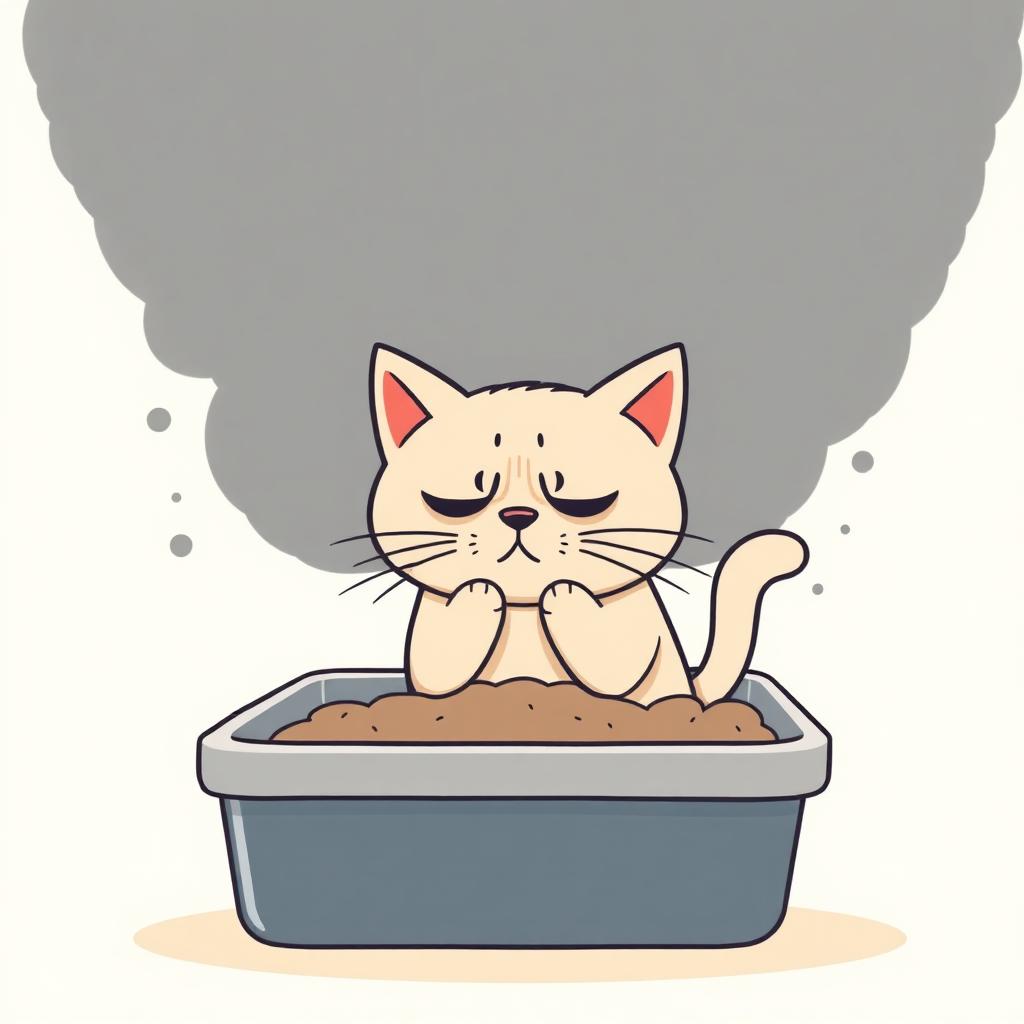
- Dust clouds during pouring or scooping can irritate cats and people
- Some litters clump fast but stick hard to the box or break apart mid-scoop
- Odor control varies widely once urine sits for a few hours
- Tracking turns a good litter box setup into a daily floor-cleaning job
- Compare the material itself, not just the marketing claims: absorption, particle size, and clump structure matter most
- Match the litter to your household needs, especially dust sensitivity, odor tolerance, and number of cats
- Use box depth, scoop timing, and a litter mat to improve performance regardless of litter type
- If you want a plant-based option with low dust and easy scooping, NEKO can make sense
How grass and clay litter differ in daily use
The real grass vs clay cat litter question is not which one is more "natural" or more popular. It is which one behaves better in your house, with your cat, and under daily scooping. Clay litter is usually made from absorbent mineral granules, often bentonite when it clumps. Grass litter is made from processed grass fibers or seeds formed into lightweight granules. That difference changes almost everything: dust level, clump texture, box weight, and how odors are handled over time. Clay tends to feel denser and heavier in the box. Many cat owners like that because the box feels stable and the clumps can be firm. Grass litter is usually lighter, easier to carry upstairs, and often produces less airborne dust during pouring. It also tends to have a softer texture under paw, which some cats accept quickly. None of this makes one universally better. A large cat that digs aggressively may do well with a heavier litter that stays put. A household with asthma concerns may prioritize low dust over all else. Start with daily behavior, not labels. The best litter is the one your cat uses consistently and you can maintain without turning scooping into a small daily argument.
Clumping performance: fast set versus firm structure
Clumping is where expectations usually meet reality. Clay litter often clumps quickly because sodium bentonite swells on contact with moisture and forms a dense mass. That can be excellent for scooping, especially when urine lands in a box with enough litter depth. The downside is familiar: if the box is too shallow or you scoop too late, the clump can weld itself to the bottom like a stubborn kitchen mistake. Grass litter usually absorbs fast too, but its clumps often form differently. Instead of a hard mineral ball, you get a plant-fiber mass that can be lighter and sometimes more fragile if the litter is underfilled or if a cat urinates in the same corner repeatedly. Good grass litter can still scoop cleanly, but it benefits from technique. Keep 2.5 to 3.5 inches in the box, scoop once or twice daily, and do not churn the box aggressively after each use. When comparing the two, clay usually wins on raw clump firmness. Grass often wins on easier release from the box and less scraping. If your priority is the neatest possible clump with minimal breakage, clay has the edge. If your priority is acceptable clumping without heavy, cement-like masses, grass can be a better compromise.
Dust levels and air quality around the litter box
Dust is not a minor complaint. It affects respiratory comfort, surfaces around the box, and how pleasant basic maintenance feels. Clay litter has a well-earned reputation for dust, though quality varies. Fine mineral particles can become airborne when you pour a new bag, top off the box, or shake the scoop. That means dust settles on the rim, floor, nearby shelves, and occasionally your cat's back if they are an enthusiastic digger. Some cats do not care. Others sneeze, avoid the box right after fresh filling, or track dusty paw prints across dark floors like tiny forensic evidence. Grass litter is usually lower dust because the particles are larger and the material is not a brittle mineral. That does not mean dust-free. Any litter can produce fines from shipping, crushing, or bottom-of-bag debris. But in most homes, grass litter creates less visible airborne dust during normal use. This matters more in small apartments, laundry closets, and homes with children, allergies, or respiratory sensitivity. If dust is your main complaint, grass is often the more comfortable option. A premium tofu litter such as NEKO may appeal for the same reason: plant-based granules tend to keep air cleaner than dusty mineral blends. The practical test is simple. Pour both from waist height into an empty box and see what ends up in the air and on the floor.
Odor control depends on absorption speed and scoop habits
Most cat owners say they want strong odor control, but what they really want is a litter that buys them time without announcing each bathroom trip to the room. Clay and grass handle odor differently. Clay clumping litter often traps urine inside a compact clump, which can reduce spread through the rest of the box. Some formulas also rely on the natural absorbency of the mineral itself. If scooped promptly, odor can stay manageable. If left too long, however, saturated clay can smell distinctly like used litter rather than simply cat waste. Grass litter tends to absorb quickly and can do a good job controlling fresh urine odor, especially in single-cat homes. Because it is plant-based, the smell profile is often milder and less chalky. But once heavily loaded, any plant material can start to smell stale if the box is not maintained. Feces odor is its own category and depends more on immediate scooping than litter material. In multi-cat homes, clay often handles cumulative load a little better because the clumps stay localized and dense. In lower-traffic boxes, grass can be impressively clean-smelling. If odor is your biggest issue, your routine matters as much as the litter. Scoop at least daily, keep enough depth for full clump formation, and fully refresh the box on a regular schedule instead of trying to stretch a tired litter beyond reason.
Tracking, scatter, and the mess outside the box
Tracking is where many litter comparisons get personal fast. One owner can tolerate a little dust but hates stepping on granules in socks. Another would rather sweep than deal with heavy bags. Clay litter is usually heavier, which helps reduce dramatic scatter when a cat launches out of the box. But fine particles can cling to paws and settle far beyond the box area. You may not see big pieces everywhere, but you will notice gritty floors and a faint dusty halo around the setup. Grass litter is usually lighter and the pieces are often larger, which can mean less fine residue but more visible granules outside the box. A long-haired cat with toe fluff can carry almost anything into the hallway, so no litter gets a free pass here. Box design matters as much as material. High sides help with kick-out. A large box gives the cat room to turn without firing litter over the edge. A textured mat catches more than a smooth one. Place the box where the cat takes several steps before reaching carpet. If your home has dark floors, clay dust shows quickly. If your main annoyance is crunchy bits underfoot, grass may still track, but cleanup is often easier because you are collecting pieces rather than wiping powder.
Weight, storage, and how each litter fits real households
A litter can perform beautifully and still be wrong for your life. Clay is heavy. That is not inherently bad, but it matters if you carry litter up stairs, store it in a small apartment, or manage multiple boxes. A dense clay bag can be awkward to lift, pour, and dispose of. The box itself also becomes much heavier when full, which is relevant when you need to dump and wash it. Grass litter is typically much lighter by volume, so it is easier to move and top up. That convenience alone can improve consistency because people are more likely to maintain a setup that does not feel like moving paving stones. Storage is another practical point. Lighter plant-based litter often comes in packaging that is easier to handle in closets or utility cabinets. On the other hand, if your cat is a powerful digger or you use a very shallow box, a lightweight litter may shift more during use. For elderly cat owners, people with back issues, or anyone managing several boxes, weight is not a small detail. It directly affects adherence to a good cleaning routine. A litter that is easy to carry, pour, and refresh often gets maintained better, and better maintenance almost always beats theoretical performance on the bag.
Which cats do better with grass and which do better with clay
Cats care about texture, smell, and consistency more than marketing categories. Kittens and easygoing adults often adapt to either grass or clay without much drama, as long as the box is clean and accessible. Picky cats are another story. Many cats prefer a fine, sand-like texture, which can give clay an advantage during transitions. If a cat has used clay for years, switching to a coarse or unfamiliar plant litter too abruptly can trigger box avoidance. Grass litter can work very well for cats that dislike dusty environments or seem bothered by strong litter smells. Some owners also report good acceptance in cats with sensitive paws because the granules feel softer and lighter underfoot. For multi-cat homes, clay often provides more predictable clumping under heavy use, which can reduce box breakdown between scoops. For senior cats, either material can work, but low-dust options are often worth prioritizing if breathing or mobility is an issue. The safest approach is to test acceptance, not assume it. Set up one box with the new litter and one with the old if you have space. Watch for hesitation, digging changes, or holding behavior. A technically superior litter is useless if your cat treats it like a tax audit.
How to switch litters without causing a litter box strike
If you decide grass is a better fit than clay, or the other way around, the switch matters. Cats notice texture and smell immediately. A hard swap can work for some, but it is unnecessary risk with a species famous for strong opinions in a small body. Start by mixing about one-quarter new litter into the old for a few days. If the cat continues using the box normally, move to half and half, then three-quarters new litter over the next week. In homes with a very sensitive cat, take longer. During the transition, keep the box extra clean so the new material is not unfairly associated with odor or dirty footing. Maintain the same box location, scoop style, and depth. Change one variable at a time. If clumps are softer with grass, scoop a little more gently and a little sooner. If clay creates more dust than expected, pour slowly and ventilate the area during full changes. NEKO or another plant-based litter can be a sensible landing spot for owners leaving dusty clay behind, but the transition still matters. Watch the cat, not the calendar. If they start hovering, sniffing repeatedly, or eliminating elsewhere, slow down and restore a higher percentage of the familiar litter before trying again.
Common questions
Is grass vs clay cat litter mainly about dust or are there bigger differences?
Dust is one of the biggest differences, but not the only one. Grass litter is usually lighter and lower dust, while clay often forms firmer clumps and can feel more familiar to cats used to sand-like textures. Odor control, tracking, weight, and how easily clumps release from the bottom of the box all matter too.
Does grass litter control odor as well as clay litter?
It can, especially in a clean single-cat setup with regular scooping. Grass litter often absorbs urine quickly and keeps fresh odors down well. In heavier-use boxes, clay may hold up longer because the clumps stay dense and localized. If odor is a major issue, box cleaning frequency matters as much as the litter material.
Which litter tracks less, grass or clay?
Neither is perfect. Clay tends to leave more fine residue and dust, while grass often leaves larger visible pieces near the box. In practice, clay can make floors feel gritty, while grass can create more scattered granules. A large litter mat and the right box placement usually make a bigger difference than brand claims.
Is grass litter safer for cats with allergies or asthma?
It may be more comfortable in dusty environments because it typically releases fewer airborne particles than many clay litters. That can help cats and people sensitive to dust. Still, any litter can bother an individual cat, so monitor for sneezing, coughing, or avoidance and ask your vet if symptoms continue.
Can I switch from clay to a plant-based litter like grass or tofu all at once?
Some cats tolerate a direct switch, but a gradual change is safer. Mix the new litter into the old over several days to a week or more, depending on your cat. Sudden texture changes can lead to box avoidance, especially in older cats or cats with established litter preferences.
One switch. Four problems, gone.
Start a NEKO subscription and get your first 7L bag for 40% off. Free shipping, delivered every 4–6 weeks. Skip, pause, or cancel anytime.