Stress Cystitis in Cats and How It Shows Up in the Litter Box
Learn how feline stress can trigger painful urinary signs that mimic infection and often lead to litter box problems.
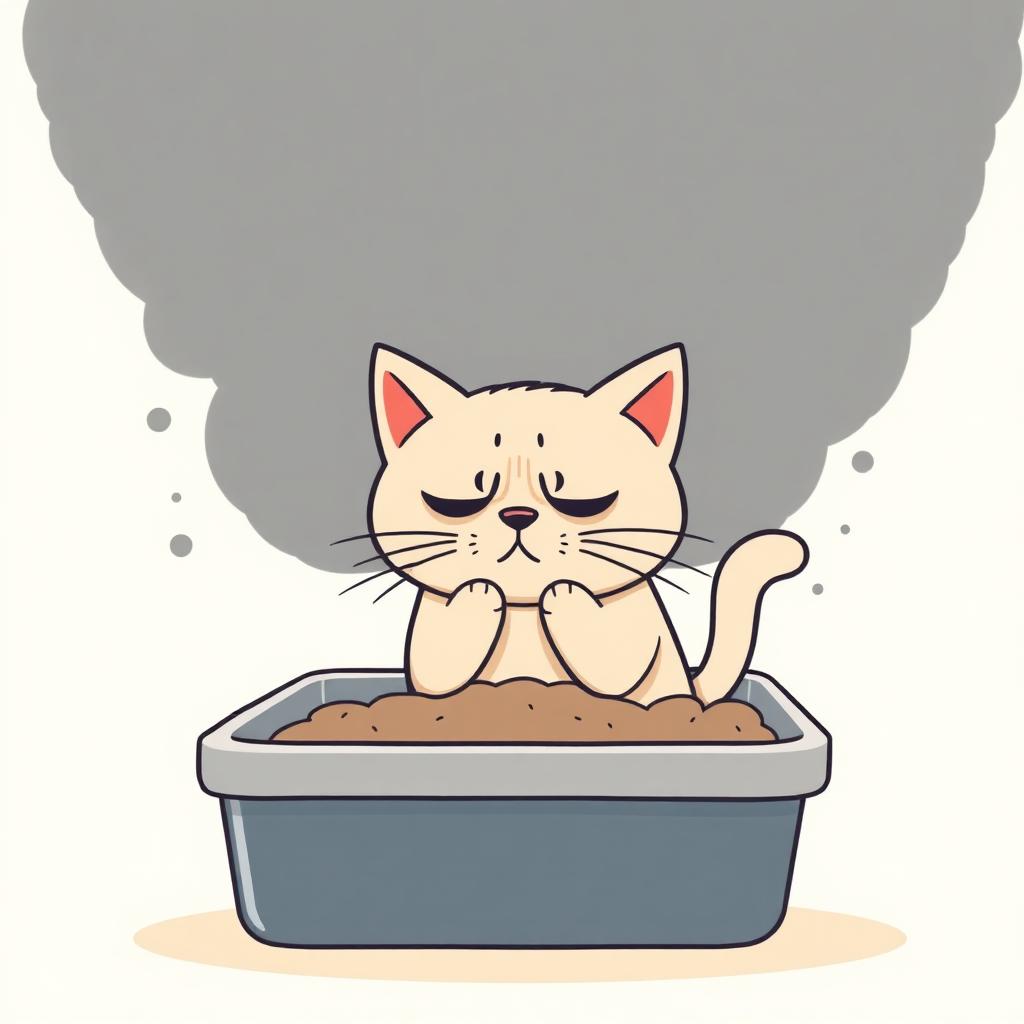
- Your cat strains, pees tiny amounts, or visits the box over and over
- Accidents start outside the litter box even though your cat seems to be trying
- The signs look like a UTI, but the cause may be stress and bladder inflammation
- It is hard to know when to monitor at home and when it is an emergency
- Treat frequent trips, straining, and crying in the box as a medical issue first, not a behavior problem
- Reduce household stressors and make the litter box setup easy, quiet, and predictable
- Use enough boxes, keep them very clean, and choose a low-dust litter your cat will readily use
- If your cat is sensitive to texture or smell, a soft, unscented option like NEKO may help remove one avoidable stressor
Why bladder pain often looks like a litter box problem
Stress cystitis in cats is one of the most common reasons a cat suddenly starts acting strange around the litter box. The bladder wall becomes inflamed, which creates pain, urgency, and the feeling of needing to urinate even when very little urine is there. From a cat owner’s point of view, it can look behavioral: repeated box visits, squatting for a long time, peeing on the bath mat, crying in the tray, or producing a few drops on hard floors. It is not usually stubbornness. It is discomfort. This condition is often called feline idiopathic cystitis, or FIC. Idiopathic means no single obvious cause such as stones, diabetes, or a simple bacterial infection. Stress is a major trigger in many cats. A move, new baby, conflict with another cat, loud renovations, schedule changes, or even a less obvious problem like not enough safe resting spots can set things off. The important point is that urinary signs and litter box signs overlap. When cats associate the box with pain, they may start avoiding it or trying other places. That is why a medical problem can quickly turn into a house-soiling problem if the pain and the environmental stress are not addressed together.
What stress does to the bladder
A stressed cat does not just feel worried in a vague emotional sense. The body shifts into a heightened state. Stress hormones and nerve signaling change how the bladder functions, and in some cats the protective lining of the bladder appears to become more vulnerable. The result is inflammation, pain, and a bladder that feels irritated even when it is not full. That irritation causes frequent squatting, small urine spots, licking at the genitals, and the urge to rush back to the box again and again. Cats are particularly good at hiding illness, but the litter box records what they are not saying. Owners may notice clumps that are smaller than usual, many tiny clumps in one day, or little puddles beside the box where the cat could not wait. Some cats become restless and startle easily. Others hide, stop eating normally, or seem offended by everything, which frankly is saying something for a cat. The key mechanism is that stress and pain feed each other. Stress contributes to bladder inflammation, then urinating hurts, then the cat becomes more anxious about the box and the surrounding environment. Breaking that cycle usually requires two tracks at once: veterinary care for the urinary episode and practical changes at home so the cat feels safer, more in control, and more willing to use the box comfortably.
The litter box signs owners notice first
The earliest clue is often not blood in the urine. It is behavior around the tray. A cat with cystitis may run to the litter box, squat, produce almost nothing, leave, then return a few minutes later. You may hear vocalizing during urination. You may see your cat licking the area under the tail more than usual. Some cats perch half in and half out of the box, as if they cannot settle. Others use sinks, tubs, laundry piles, or cool tile because those places feel available in the moment or become linked with less pain than the box. Look closely at quantity and frequency. Lots of tiny clumps can matter more than one normal clump with a slight pink tinge. Straining is a bigger red flag than one isolated accident. A cat that starts spraying vertically is a different pattern and can be stress-related too, but true urinary urgency usually looks like repeated squatting to pass small amounts. The challenge is that these signs can resemble a urinary tract infection, crystals, stones, or a blockage. Owners cannot reliably sort that out at home by appearance alone. If your cat is trying to urinate and not producing much, assume pain is present. If the cat is male, treat that as especially urgent because male cats are at higher risk of dangerous urethral obstruction.
When it is an emergency and when it still needs a prompt vet visit
Any cat with urinary signs should be evaluated by a veterinarian, but some signs mean do not wait. If a cat is straining repeatedly with little or no urine coming out, crying, hiding, vomiting, becoming weak, or refusing food, that can indicate a urinary blockage. In male cats especially, a blocked urethra can become life-threatening quickly. A blocked cat often visits the litter box many times, postures to urinate, and produces only drops or nothing at all. The belly may become painful, and the cat may seem suddenly quiet or distressed. Even when it is not a blockage, cystitis is still a real medical problem. A vet will usually want a history, a physical exam, and often a urine sample. Depending on the case, they may check for crystals, blood, concentration of the urine, or signs that point away from stress-related inflammation and toward stones, infection, or another disease. Bacterial UTIs are less common in otherwise healthy younger cats than many people assume, so antibiotics are not always the answer. That is one reason guessing can backfire. Pain control, hydration support, and environmental management are often more relevant than a leftover antibiotic from the cupboard. If your cat has repeated episodes, the goal is not just to stop this flare. It is to reduce the chances of the next one.
How to set up the litter box so it lowers stress instead of adding to it
A cat with a painful bladder needs a litter box that is easy to reach, easy to trust, and easy to use. Start with number and placement. Most vets recommend one box per cat plus one extra, spread across the home rather than clustered in one room. If all boxes sit side by side, many cats treat that as one location, not several. Place boxes in quiet areas with two-way escape routes, away from noisy appliances and away from where another pet can ambush the exit. Cleanliness matters more during a cystitis flare because the cat already feels conflicted about urinating. Scoop at least daily, and more often if your cat is making many small deposits. Use a box large enough for a full turn and a comfortable squat. Covered boxes can trap odor and reduce visibility, which some cats dislike. Litter choice matters too. Unscented, low-dust litter is usually the safer bet because strong fragrance and airborne dust can make the experience more aversive. Texture can be surprisingly important. A softer, fine-textured litter is often accepted more readily than coarse or pellet-style products by cats with delicate preferences. If your cat has been avoiding the box, removing unnecessary irritants is sensible. That is the honest place for a product like NEKO: not as a treatment for cystitis, but as one part of a low-stress litter setup if your cat prefers a soft, unscented substrate.
Reducing the stress triggers that keep episodes coming back
For many cats, the bladder flare is only the visible part of the problem. The driver is chronic stress from the environment, social tension, or unpredictability. Start by asking what changed in the last few days or weeks. New pet. Visiting relatives. Furniture moved. Construction noise. A favorite sleeping spot taken over by a dog. Even positive changes can be stressful if they disrupt routine. Cats like control, and they like it delivered on schedule. Practical stress reduction is not fancy. Feed on a predictable timetable. Create several safe resting places at different heights and in quiet corners. Make sure each cat can access food, water, litter, and resting spots without crossing another cat’s territory. Add hiding options and vertical space so a nervous cat can retreat without being trapped. Daily play can help, especially for indoor cats with a lot of pent-up energy and not much to do with it besides overanalyze your vacuum cleaner. If conflict exists between cats, watch doorways and hallways, because those are common choke points. The goal is to reduce surprise and competition. Some cats also benefit from increasing water intake with wet food or extra water stations, since more dilute urine may be less irritating to an inflamed bladder. None of these changes are dramatic on their own. Together, they can substantially lower recurrence.
What to do at home after the vet visit
Once your veterinarian has ruled out or treated urgent causes, home care becomes the long game. Follow the pain-relief plan exactly as prescribed. A cat that still hurts is a cat at risk of avoiding the box again. Encourage hydration in ways your cat will actually accept. That may mean more canned food, adding a little water to meals if your vet approves, or placing several water bowls in favored areas. Some cats drink better from wide bowls set away from food, where the whiskers do not brush the sides. Track patterns for a couple of weeks. Count how often your cat visits the box, note appetite, and pay attention to the size of urine clumps. This record helps you notice whether signs are easing or quietly returning. Keep the litter setup stable while your cat recovers. Do not switch litter scents, box locations, or cleaning products unless a change is clearly necessary. If there have been accidents, clean them with an enzymatic cleaner designed for pet urine so the area does not keep calling the cat back. If your cat strongly prefers one type of box or one room, work with that preference rather than against it. Recovery is not the moment for design principles. It is the moment for boring consistency, low friction, and giving the bladder and the cat’s nervous system a chance to settle.
Recurring cases, male cats, and other situations that need extra caution
Some cats have one stressful episode and then do well for years. Others flare repeatedly, especially if there is ongoing household tension or if previous pain has created a lasting box aversion. Recurrent urinary signs deserve a deeper look with your veterinarian because not every repeat episode is simple stress cystitis. Crystals, stones, arthritis that makes the box hard to enter, obesity that limits comfortable posture, and chronic kidney or endocrine disease can all complicate the picture. Senior cats, in particular, may need a broader workup. Male cats deserve special caution. Their narrower urethra means inflammation, mucus, or debris can block urine flow more easily. Owners sometimes mistake repeated straining for constipation, which delays care. If a male cat is making many trips to the box and not producing normal urine, treat it as urgent until proved otherwise. Multi-cat homes also raise the difficulty level. A cat may avoid the box not because of the litter itself, but because another cat guards the hallway, sits nearby, or attacks after use. A simple camera near the litter area can reveal patterns humans miss. For complicated or recurrent cases, details matter: box dimensions, litter depth, exact placement, social dynamics, mobility, and water intake. The more specific the observations, the better the plan.
Common questions
What is stress cystitis in cats?
Stress cystitis in cats is bladder inflammation linked to stress and nervous-system changes rather than a simple bacterial infection. It often causes frequent urination, straining, blood in the urine, and pain. Many cases are called feline idiopathic cystitis because there is no single obvious cause such as stones or infection.
Can stress cystitis make a cat pee outside the litter box?
Yes. A cat with bladder pain may feel urgent, associate the box with discomfort, or avoid a box that feels hard to access, dirty, noisy, or threatening. That can lead to accidents on rugs, bedding, tubs, or smooth floors. It is usually a medical and stress issue, not a spite issue.
How do I know if it is stress cystitis or a UTI?
You usually cannot tell at home with confidence. Both can cause straining, frequent trips, and blood in the urine. Cats also can have crystals, stones, or a blockage, which may look similar. A veterinary exam and urine testing are the safest way to sort out the cause and choose the right treatment.
Is stress cystitis an emergency?
It can be. Any cat that is straining to urinate needs prompt veterinary attention. If your cat is producing little or no urine, crying, vomiting, hiding, or seems weak, seek urgent care right away. Male cats are at higher risk of a life-threatening urinary blockage.
What kind of litter is best for a cat with urinary stress?
Most cats with urinary sensitivity do best with an unscented, low-dust litter and a clean, roomy box in a quiet location. Texture matters too, and many cats prefer a soft, fine litter over coarse options. If your cat is picky, using a gentle option like NEKO may help remove one source of litter box stress, though it will not treat the bladder condition itself.
One switch. Four problems, gone.
Start a NEKO subscription and get your first 7L bag for 40% off. Free shipping, delivered every 4–6 weeks. Skip, pause, or cancel anytime.