Tofu vs Wheat Cat Litter: What to Know Before You Switch
See how tofu and wheat litter compare on absorbency, smell, dust, and cat acceptance so you can make a confident choice.
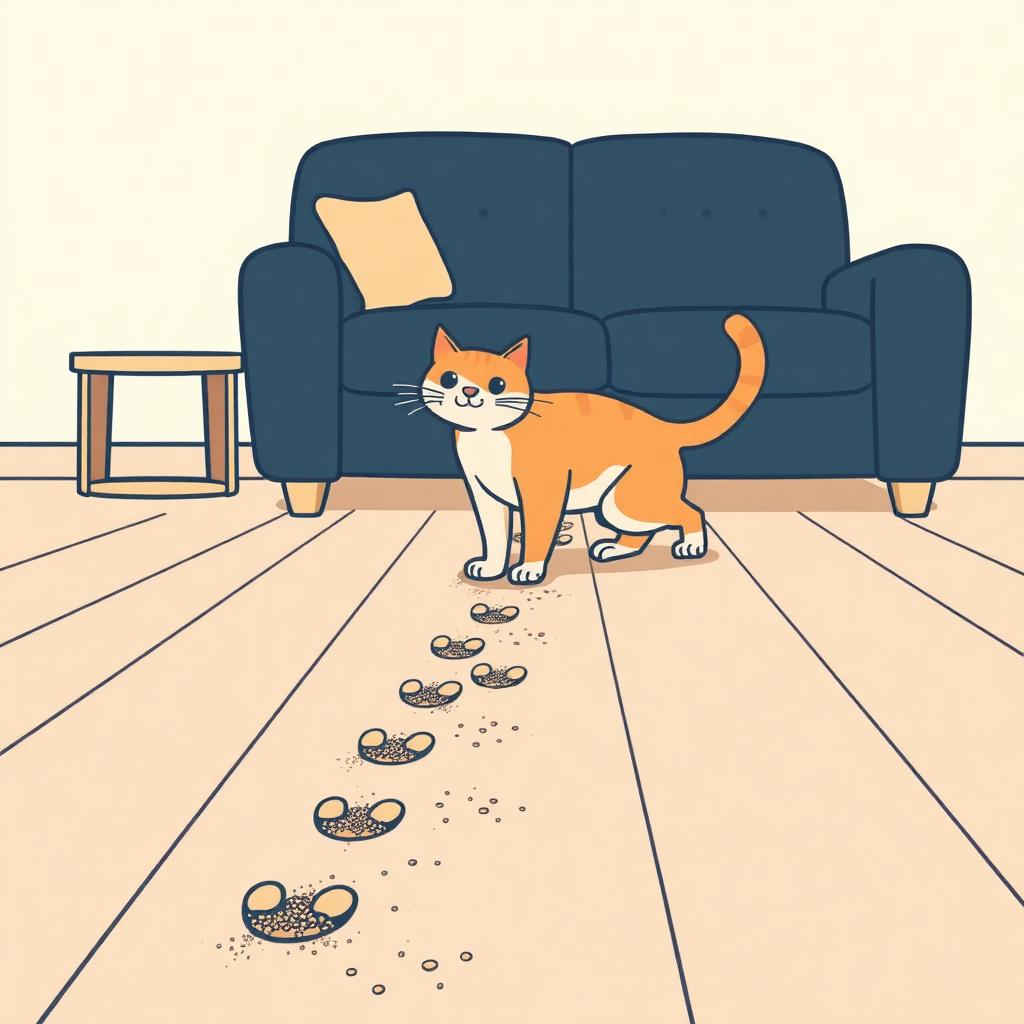
- Your current litter smells bad fast or needs constant scooping
- Dust, tracking, or muddy clumps are making cleanup more annoying than it should be
- Your cat is picky and may reject a sudden litter change
- You want a plant-based option but are not sure which one handles moisture better
- Compare the litter shape and clumping behavior, not just the ingredient on the bag
- Switch gradually over 5–7 days so your cat has time to accept the new texture
- If odor and low dust matter most, a tofu litter like NEKO is often the simpler fit
- Use box depth, scoop timing, and storage habits to get better results from either litter
Why tofu vs wheat litter matters more than the label
Most cat owners comparing tofu vs wheat litter are not really shopping for beans or grains. They are trying to solve four practical problems: urine smell, dusty cleanup, tracked crumbs on the floor, and a cat that may boycott the box if the texture feels wrong. Both tofu and wheat are plant-based litters, but they behave differently once liquid hits them. That difference affects how fast odors are trapped, how firmly clumps hold together, and how much material gets carried out on paws. Tofu litter is usually made from compressed soybean fiber, often formed into pellets that swell and bind when wet. Wheat litter is typically a finer granule or pellet made from processed wheat, and it can feel closer to a traditional scoopable litter underfoot. Neither type is automatically better for every home. A single-cat apartment with one box has different needs than a multi-cat home where clumps sit longer between scoops. The useful comparison is not “natural versus natural.” It is how each litter handles moisture, airflow, waste volume, and cat preference in real daily use. That is the part that determines whether switching feels like an upgrade or just a new kind of mess.
How tofu litter and wheat litter actually work
The core difference is structure. Tofu litter usually starts as soy fiber left after food processing, then gets compressed into small pellets. When those pellets contact urine, they soften, swell, and stick together into larger clumps. Because the particles are larger to begin with, tofu litter often creates less airborne dust when poured. Wheat litter tends to use ground wheat or wheat byproducts formed into finer particles or small pellets. Those smaller pieces can spread liquid quickly across the surface area, which helps clumping, but they can also break down faster if the box gets overloaded. Odor control comes from a similar basic mechanism in both products: absorb liquid quickly, isolate waste, and reduce the time urine sits exposed to air. Some wheat litters are known for using naturally occurring starches and enzymes in the material itself to help with odor, while tofu relies heavily on fast absorption and firm clump formation. In practice, the question is not whether one ingredient is more “natural.” It is whether the litter stays structurally stable after repeated use. Once a litter starts crumbling into damp bits, smell increases, scooping gets messier, and the whole box needs changing sooner. That structural stability is where many owners notice the biggest day-to-day difference.
Absorbency and clumping: where the cleanup battle is won
If you want less scraping and fewer broken clumps, focus on what happens in the first few seconds after your cat urinates. Strong litter performance starts with fast absorption. Tofu pellets are good at pulling moisture inward, which can create compact clumps that lift out in one piece if the box has enough litter depth. That matters because intact clumps leave less damp residue behind, and residue is what turns a clean box into an odor factory by day three. Wheat litter can also clump well, especially when fresh, but finer granules may sometimes stick to the bottom if too little litter is used or if scooping is delayed. In busy boxes, wheat can begin to fragment into smaller damp chunks, which means more careful scooping and more waste left behind. Box setup matters here. Most plant-based litters perform better with a deeper fill than owners expect, because shallow layers let urine hit the base before the litter has time to bind. Scoop too early and soft clumps break apart. Scoop too late and the moisture spreads. A practical sweet spot is usually giving clumps a little time to set, then removing them before they dry onto the pan. If your top priority is easy, clean scooping, tofu often has the edge because pellet structure tends to produce larger, more coherent clumps.
Odor control depends on moisture management, not perfume
A litter that smells fine in the bag can still lose badly once it meets real cat urine. The best odor control is mechanical: absorb fast, trap the wet mass, and let you remove it cleanly before ammonia builds. Tofu litter usually performs well here because firm clumps are easier to lift out completely. Less leftover damp material means less ongoing odor between scoops. Many cat owners also find tofu litter has a relatively mild base smell, which matters if you dislike heavily scented products covering one bad smell with another. Wheat litter can control odor well too, especially when scooped promptly, but it may be less forgiving if clumps soften and break. Tiny damp remnants left in the box continue releasing smell even when the surface looks clean. Stool odor is a separate issue. No plant-based litter can perform miracles against an uncovered bowel movement that has been marinating for half a day. For that, scoop frequency matters more than ingredient choice. In humid homes, odor can become harder to control because litter absorbs moisture from the air as well as from waste. That can make both tofu and wheat feel tired sooner. If your current problem is urine smell returning too quickly, choose the litter that forms the cleanest removable clumps in your setup. In many homes, that points toward tofu, including premium options like NEKO, because clean removal is half the deodorizing job.
Dust, tracking, and paw feel: the details your cat notices first
Cats are not reading the packaging. They are evaluating texture, smell, and whether the box feels stable under their paws. Owners usually notice dust first, especially when pouring a new bag or sifting the box. Tofu litter often produces less visible dust because the particles are larger and more compact. That can be helpful for cats sensitive to airborne particles, and it makes the area around the box less gritty. Wheat litter, especially in finer formats, may kick up more dust during pouring and scratching, though actual performance varies by processing and particle size. Tracking is a different problem. Smaller pieces tend to hitch a ride more easily in fur and between toe pads, so some wheat litters can spread farther beyond the mat. Tofu pellets are often easier to catch near the box because they are larger and heavier. The tradeoff is that some cats prefer a finer substrate that feels more like sand, while others adapt quickly to pellets. Kittens, seniors, and declawed cats can be more texture-sensitive than healthy adult cats. If your cat has a strong preference for soft, fine litter, a coarse tofu pellet may require a slower transition. If your home priority is cleaner floors and less airborne dust, tofu usually has the practical advantage. Your vacuum will not send a thank-you card, but it may get a lighter workload.
Cat acceptance: how to switch without triggering a litter box protest
The safest way to switch litters is slowly enough that your cat barely notices. Sudden changes in texture or smell can lead to hesitation, box avoidance, or the classic protest pee in the one place you did not put a waterproof mat. Start by mixing a small amount of the new litter into the old, then increase the proportion over roughly 5–7 days. Very cautious cats may need longer. Watch behavior, not just output. If your cat sniffs, enters, and uses the box normally, keep progressing. If they perch awkwardly on the edge, dig less, or start visiting the box without using it, slow down. Texture matters here. Wheat litter may be easier for some cats to accept immediately because the granules can feel closer to familiar scoopable litters. Tofu pellets may take an adjustment period, especially for cats used to very fine clay. You can help by keeping the box extra clean during the transition so your cat is evaluating texture, not a buildup of smell. In multi-cat homes, change one box first rather than all of them at once. That gives you a read on preference before committing. If your cat is healthy but unusually selective, choose the option that best matches their current litter feel. A technically superior litter is useless if your cat files a formal objection on the rug.
Best choice for small apartments, multi-cat homes, and sensitive households
Context changes the answer. In a small apartment, odor spread and tracking usually matter more because the litter box is close to where you live, eat, and pretend not to notice the cat judging you. Tofu litter often works well in tight spaces because it tends to be low dust, easy to scoop, and less likely to leave a fine film around the box area. In multi-cat homes, litter gets stress-tested quickly. More urine volume means clumps sit closer together, and weak clumping gets exposed fast. Tofu can have an advantage here if it forms durable clumps that do not break during frequent scooping. Wheat can still work, but it may require stricter maintenance to stay fresh under heavier use. For allergy-prone households or people bothered by dusty pours, the lower-dust profile many tofu litters offer can be a deciding factor. For cats with mobility issues, evaluate particle feel carefully. Some older cats may prefer a softer, finer litter they can dig in easily. Also consider storage. Plant-based litters should be kept dry and sealed well, because ambient moisture reduces performance before the litter even reaches the box. If your home has humidity swings, one open bag in a laundry room can quietly sabotage your results. The best litter is the one that still performs on day five of ordinary life, not the one that impressed you for ten minutes after opening the bag.
How to get better performance from either litter
A good litter can perform badly if the box setup is wrong. Start with enough depth. Plant-based clumping litters usually need a proper layer so urine can be absorbed before it reaches the pan. Too shallow and both tofu and wheat are more likely to stick, smear, or form weak clumps. Scoop at least daily, and more often in multi-cat homes. Prompt removal matters more with natural litters because once moisture spreads through the box, odor control drops fast. Use a litter mat that actually traps particles rather than one decorative rectangle that accomplishes very little beyond existing. Keep the box in a dry, ventilated area, but not next to loud appliances that make your cat question your judgment. Wash the box periodically with mild soap and water, then dry it fully before refilling. Residual detergent smell can deter sensitive cats, and leftover moisture weakens fresh litter immediately. If you are trying tofu litter for the first time, avoid mixing in scented additives that mask how the litter itself performs. Premium tofu options such as NEKO tend to work best when used simply: enough depth, consistent scooping, dry storage, and a gradual transition. If wheat is your preference, choose a format with a stable particle size and watch for crumbling over time. Most litter failures are not dramatic. They are a series of small compromises that add up to one bad-smelling box.
Common questions
Is tofu vs wheat litter better for odor control?
Usually, the better odor control comes from the litter that forms the cleanest removable clumps in your box. Tofu often has an edge because pellet-based clumps can stay more intact during scooping, leaving less damp residue behind. Wheat can control odor well too, but it may need more consistent scooping if clumps break apart.
Do cats prefer tofu litter or wheat litter?
It depends on the cat’s texture preference. Wheat litter often feels more familiar to cats used to fine scoopable litter, so some accept it faster. Tofu litter can take a little adjustment if it comes in larger pellets. A gradual transition over several days usually improves acceptance with either type.
Which litter tracks less around the house?
In many homes, tofu litter tracks less because the pieces are larger and heavier, so they are easier to catch near the box. Finer wheat granules can travel farther on paws and fur. A good mat helps either way, but particle size is the main reason tracking differs.
Is wheat litter dustier than tofu litter?
Often, yes. Tofu litter is commonly lower dust because it is made in compact pellets rather than fine granules. Wheat litter performance varies by format, but finer particles usually create more airborne dust during pouring and digging. If dust is a major concern, check particle size before switching.
Can I switch from wheat litter to tofu litter all at once?
It is better not to. Most cats handle a gradual switch more smoothly than a full overnight change. Mix a small amount of tofu litter into the current litter and increase it over about 5–7 days. If your cat seems hesitant or avoids the box, slow the transition down.
One switch. Four problems, gone.
Start a NEKO subscription and get your first 7L bag for 40% off. Free shipping, delivered every 4–6 weeks. Skip, pause, or cancel anytime.