Is Cat Litter Flushable? The Truth About Tofu, Clay, and Your Pipes
What can actually go down the toilet, what your plumber wishes you knew, and the septic-safe alternative.
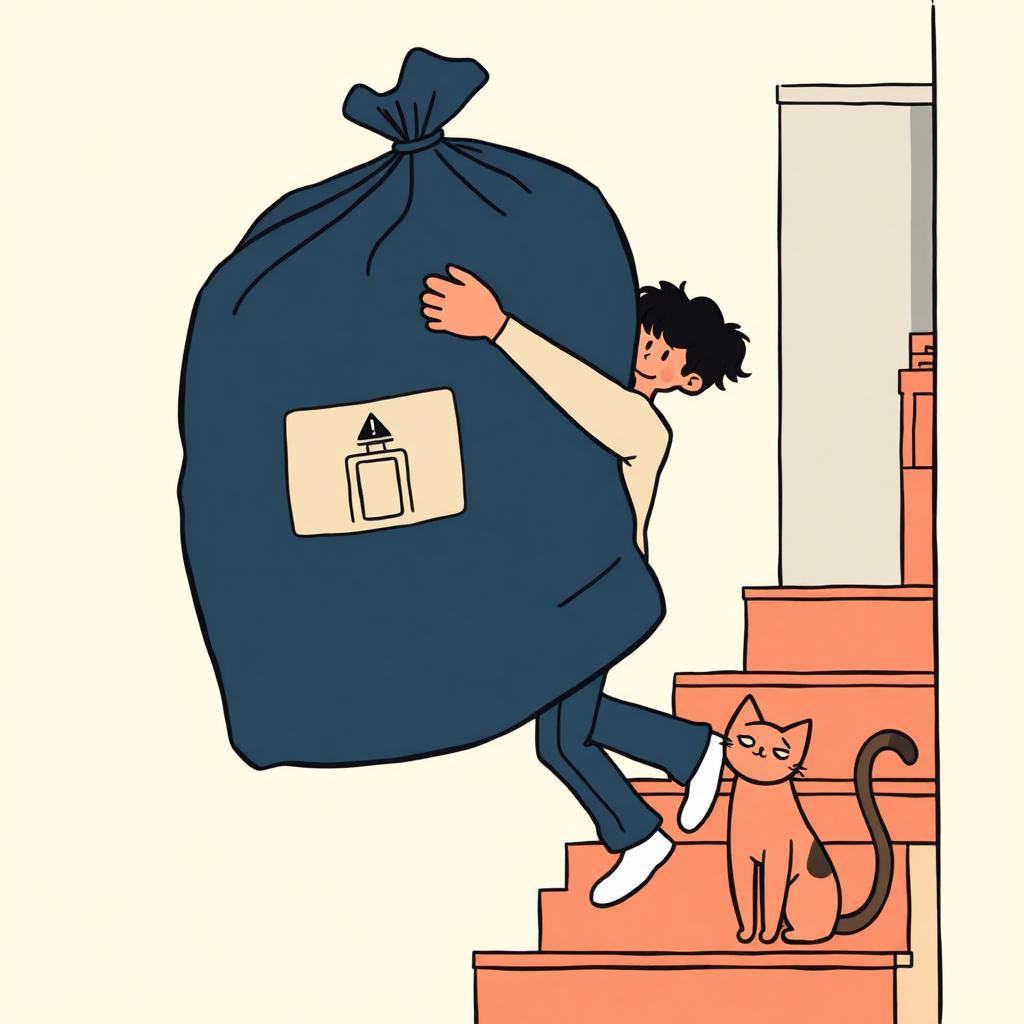
- 'Flushable' is one of the least regulated words in the pet industry — most brands print it without any real testing.
- Clay is never flushable. It hardens in pipes and is the #2 cause of household drain blockages after wet wipes.
- Even legitimately flushable litters can wreck a septic tank if you dump the entire box at once.
- Only plant-fiber tofu, wheat, corn, or pine litters are genuinely flushable — in small amounts, and only on city sewer.
- Flush a maximum of one clump per flush, and never the whole box.
- If you're on septic, compost the clumps in a dedicated pet-waste bin instead — flushing overloads the tank's biology.
The three definitions of 'flushable'
There's the marketing definition (whatever a brand says on the bag), the plumbing definition (can it pass through a 3-inch pipe without accumulating), and the environmental definition (does it break down at a wastewater treatment plant). A true flushable litter meets all three. Clay meets none of them.
Why clay clogs pipes
Bentonite clay is designed to absorb water and swell — that's how it clumps. In your toilet, it does the same thing. A single scoop of clumped clay flushed monthly will, within a year, form a hard mass in the P-trap that no plunger can move. Plumbers quote $200–$600 to snake a clay-blocked line.
Why tofu litter is safe (in small amounts)
Tofu pellets dissolve on contact with water. Within about 30 seconds a clump breaks into fibers that behave like toilet paper — soft, buoyant, and easily transported through pipes. Wastewater treatment plants handle them as ordinary organic waste. The 'small amounts' caveat isn't about the pipe — it's about the flush volume needed to move them. One clump per flush, not five.
What to do if you're on septic
Even the best flushable litter can throw off a septic tank's bacterial balance if you flush daily. On septic, we recommend composting cat waste in a dedicated outdoor pet-waste composter (kept 20 feet from any vegetable garden) or bagging clumps for regular trash. Tofu litter's biodegradability means bagged waste breaks down in a landfill within months instead of the geologic timescale of clay.
Legal & municipal notes
Some US cities — including San Francisco and much of California — prohibit flushing any cat waste at all, regardless of litter type, because Toxoplasma gondii can survive wastewater treatment and harm marine mammals. Check your local water district before making flushing a habit. When in doubt: compost or trash.
Common questions
Can I flush the whole litter box at once?
No — even with a flushable litter, one clump per flush is the maximum. A whole box of anything is a guaranteed clog.
Is 'flushable clay litter' a real thing?
Some brands market low-track clay as 'flushable in small amounts.' Take it as marketing. Bentonite doesn't dissolve, and it'll accumulate — just more slowly than the sock-in-a-pipe version.
What about pregnant women and Toxoplasma?
The CDC advises pregnant women not to scoop or flush cat litter, regardless of type. Have someone else handle the box, and wash hands thoroughly afterward.
One switch. Four problems, gone.
Start a NEKO subscription and get your first 7L bag for 40% off. Free shipping, delivered every 4–6 weeks. Skip, pause, or cancel anytime.