Why a Kitten Isn’t Using the Litter Box Yet
Review the most common reasons kittens miss the box, including age, setup, stress, and health issues that need attention.
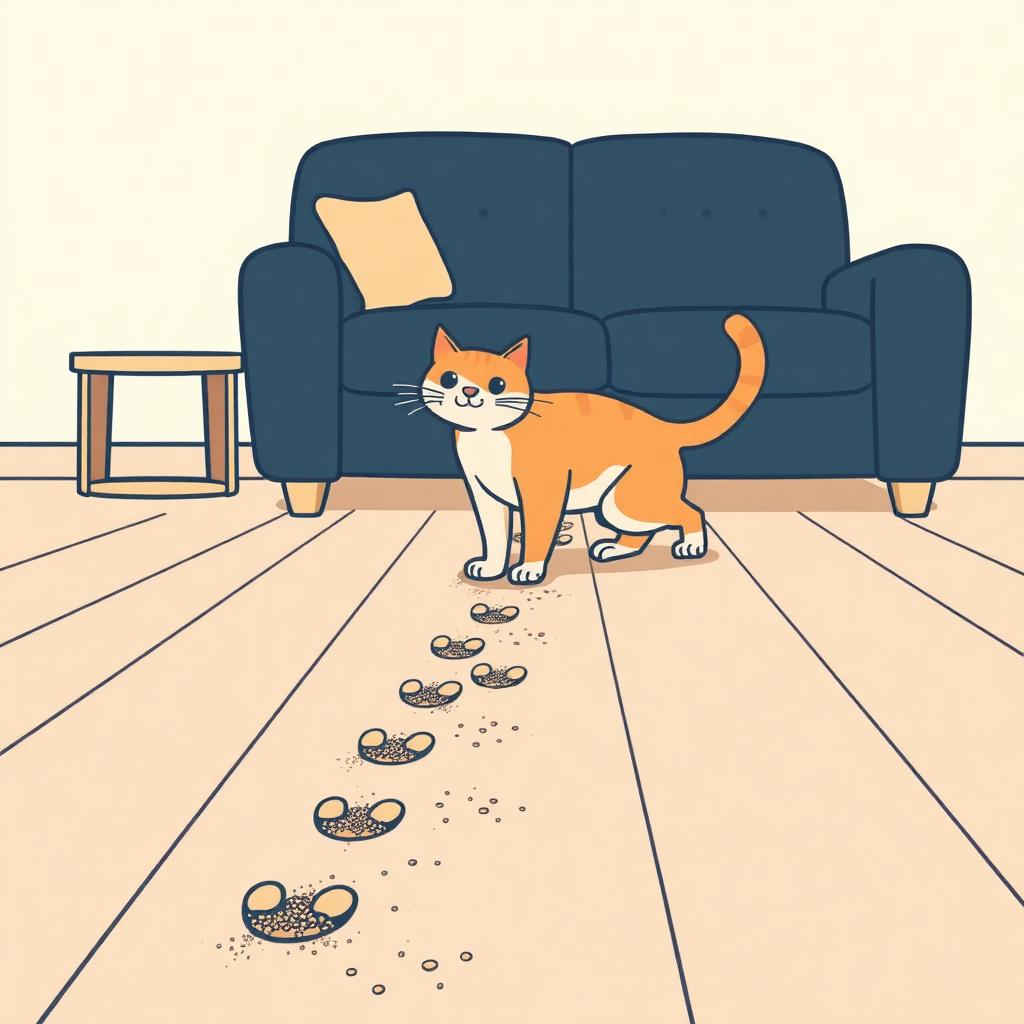
- A young kitten pees or poops beside the box, on bedding, or in corners
- The box is technically available, but the kitten seems confused, scared, or inconsistent
- Accidents started after a move, new pet, litter change, or different box setup
- You are not sure whether this is normal training, a preference issue, or a health problem
- Match the box setup to the kitten’s age: low sides, easy access, quiet location, and one extra box
- Use a soft, unscented litter and keep the box very clean so the kitten forms a clear habit
- Limit space for a few days, guide the kitten to the box after meals and naps, and reward success
- If accidents are sudden, frequent, or paired with straining, diarrhea, or lethargy, call a vet promptly
Most kittens are not being stubborn
If your kitten not using litter box situation feels personal, it usually is not. Young kittens are rarely making a point. They are dealing with biology, timing, environment, or discomfort. Very small kittens may not yet have reliable bladder and bowel control. Slightly older kittens may understand the general idea but still miss when the box is too far away, too tall to enter easily, or hard to find during play. A kitten can also avoid a box that smells harsh, feels unpleasant underfoot, or sits beside a noisy appliance. Stress matters too. A new home, unfamiliar people, another cat staring from across the room, or even a different litter texture can interrupt a habit that looked solid yesterday. Then there is the medical category, which owners often notice last. A kitten that associates the box with pain from diarrhea, constipation, or urinary irritation may start avoiding the area entirely. The useful mindset is simple: assume confusion or discomfort before attitude. Once you look at age, setup, routine, stress, and health in that order, the cause is usually easier to spot and much faster to fix.
Age and development change what is realistic
Very young kittens do not all arrive litter trained in the same way. Under about four weeks, many still need stimulation from their mother or caregiver to urinate and defecate. Around four to five weeks, most begin learning the box, but their coordination and timing are still rough. By six to eight weeks, many can use a litter box fairly reliably, though misses are still common if the setup is poor or the home is large. That means expectations matter. A tiny kitten should not have to travel down a hallway, around furniture, and over a high-sided box wall while holding a full bladder. During active play, they often wait too long and then have seconds to decide. The practical fix is to shorten every step. Use small, shallow boxes with a low entry. Put them close to where the kitten eats, sleeps, and plays, especially for the first week or two. If the kitten has access to multiple rooms, add more boxes rather than expecting marathon bladder control. For very young kittens, consistency beats complexity. The goal is not a designer setup. It is a clear, easy path from urge to box, repeated enough times that the habit sticks before the kitten has a chance to practice accidents elsewhere.
The box itself may be the problem
Owners often focus on training and overlook the equipment. Kittens care a great deal about box design. High walls can feel like a hurdle. Covered boxes can trap odors and make a small kitten feel cornered. A box that slides on the floor when they step in can be enough to create avoidance. Size matters too. A tiny tray may seem appropriate for a tiny cat, but the kitten still needs room to turn, dig, and choose a spot. Texture matters just as much. Many kittens prefer a soft, fine litter because it is easier on sensitive paws and feels more natural for digging. Strong fragrances can be a deal breaker. If the box smells like perfume to you, it may smell like a chemical factory to a kitten. Start simple: open box, low entry, stable base, unscented litter, easy access. Place at least one box on every level of the home and avoid tucking all boxes into a basement or laundry room. If you want to use a plant-based litter, choose one that is unscented and low-dust. NEKO can make sense here if your kitten accepts the texture well and the box is kept clean, but the brand matters less than comfort, cleanliness, and access. The best litter is the one your kitten reliably uses.
Location mistakes cause more accidents than people expect
A litter box can be clean and appropriately sized and still fail because it is in the wrong place. Kittens need a location that is quiet, predictable, and easy to reach in a hurry. A box placed beside a washing machine, near a slamming door, or in a busy hallway can become associated with surprise and noise. A corner that looks private to you may also feel like a trap if another pet can block the exit. Cats prefer to eliminate where they can see danger coming and leave easily. Food and water should also be kept separate from the box. Many kittens dislike toileting near where they eat, and the aversion is sensible. If your kitten keeps using one corner of a room, do not just clean it and hope for the best. That corner is giving the kitten something the box is not: convenience, privacy, texture, or a clear line of sight. Try moving a box temporarily to that area or as close as practical, then adjust gradually after the habit improves. During retraining, reduce roaming space. A kitten with access to an entire home often has too many options and too little urgency control. One room with everything needed usually produces faster, cleaner results.
Stress can interrupt litter habits almost overnight
Kittens are small, but their opinions about change are large. A move to a new home, separation from littermates, unfamiliar sounds, visitors, a new dog, or an older resident cat can all trigger accidents. The mechanism is straightforward. Stress changes routine, attention, confidence, and body function. Some kittens hide and avoid walking to the box. Others become so aroused during play or vigilance that they miss the early urge to go. Multi-cat tension is especially common. A kitten may technically have access to the box but avoid it if another cat watches, chases, or ambushes nearby. You may never see the conflict directly. The clue is often odd timing: the kitten uses the box when the house is quiet but has accidents during busier periods. The fix is environmental calm, not punishment. Give the kitten a smaller safe zone with food, water, bed, toys, and at least one easy box. Keep interactions gentle and predictable. Introduce other pets slowly and make sure there is no competition around litter areas. In a larger home, multiple boxes in separate zones help because they reduce both travel distance and social pressure. If accidents started right after a change in routine or household composition, treat stress as a serious cause, not a side note.
How to retrain a kitten without making the problem worse
The fastest retraining plans are boring, and that is exactly why they work. Start by cleaning old accident sites thoroughly with an enzymatic cleaner so the smell does not keep inviting repeat visits. Avoid ammonia-based products, which can smell urine-like to cats. Next, limit the kitten to a manageable area for several days with one or two boxes, depending on room size. Put the kitten in the box after naps, after meals, after energetic play, and any time you see sniffing, circling, or sudden crouching. If the kitten uses the box, reward immediately with calm praise, a small treat, or play. Timing matters more than intensity. Do not punish accidents or carry on dramatically. That often creates fear around elimination and makes box avoidance worse. Scoop frequently. Kittens notice fast. If you are testing litter preference, offer two boxes side by side with different unscented litters and see which one the kitten chooses more often. Make only one change at a time so you can identify the real cause. Most kittens improve within several days when the setup is simplified and the routine is consistent. If there is no progress despite a good plan, stop blaming training and start looking harder at pain, digestive upset, or urinary discomfort.
When a health issue is the real reason
A kitten that suddenly stops using the box, strains, cries, produces only tiny amounts of urine, has diarrhea, or seems lethargic needs medical attention sooner rather than later. House-soiling can be a behavior problem, but it can also be the first visible sign of illness. Diarrhea creates urgency and can lead to misses even in kittens that know the box well. Constipation can make the box feel associated with effort and pain. Urinary irritation can cause frequent small trips, accidents, or choosing cool surfaces like tubs or tile. Parasites, dehydration, diet changes, and infections can all play a role. Young kittens can also decline quickly compared with adult cats, so it is worth being cautious. Another clue is a cleanly motivated kitten who keeps trying but failing: going in and out of the box repeatedly, posturing without result, or leaving tiny spots around the house. That is not poor manners. That is a symptom. Call your vet promptly if you see blood, vomiting, obvious pain, poor appetite, belly distension, or a dramatic change in energy. The goal is not to diagnose from the litter pan. It is to notice patterns early. Training fixes confusion. It does not fix discomfort.
Advanced troubleshooting for kittens who seem selective
Some kittens use the box for one function but not the other, use one room only, or prefer rugs, laundry, or plant soil. These patterns are useful clues. Pooping outside the box can point to constipation, fear of being trapped while in a vulnerable position, or dislike of a dirty box. Peeing on soft items often suggests a texture preference or a stress response. If rugs are the target, block access temporarily and add a box with a similar underfoot feel nearby, then transition to the litter you want over time. If plant pots are irresistible, cover the soil and provide a deeper box with good digging depth. For selective kittens, box number and spacing matter more than owners expect. The common rule of one box per cat plus one is a solid starting point, but placement is just as important as count. Spread boxes across the home instead of grouping them all together, because a cluster can function like one location in the kitten’s mind. Watch for subtle barriers too: slippery floors near the box, a hood that bumps the kitten’s ears, litter that clumps on damp paws, or a room the robot vacuum invades like an enemy patrol. Minor details often explain stubborn cases better than big theories.
Common questions
How long does it take for a kitten to learn the litter box?
Many kittens start using a litter box reliably between about six and eight weeks, but the timeline varies with age, setup, and stress level. A very young kitten may still be learning basic control, while an older kitten may improve within a few days if the box is easy to access and the routine is consistent.
Why is my kitten not using litter box even though the box is clean?
Cleanliness is only one piece of the puzzle. The box may still be too tall, too covered, too far away, in a noisy spot, or filled with a litter the kitten dislikes. Stress, pain, diarrhea, and urinary irritation can also cause avoidance even when the box is spotless.
Should I put my kitten in the litter box after eating?
Yes. After meals, naps, and active play are the best times to guide a kitten to the box. Do it calmly, without forcing or scolding. The goal is to help the kitten connect body signals with the right location, not to make the box feel like a punishment zone.
What type of litter is best for a kitten?
Most kittens do best with a soft, unscented, low-dust litter that feels gentle on the paws. Avoid strong fragrance and abrupt changes. If you prefer a plant-based option, choose one your kitten actually uses consistently and monitor for any chewing or play with the litter.
When should I worry about a medical problem?
Call your vet if your kitten strains, cries in the box, has diarrhea, constipation, blood, vomiting, poor appetite, low energy, or sudden frequent accidents. Also call if a previously reliable kitten abruptly stops using the box. Behavior issues are common, but pain and illness need quicker attention.
One switch. Four problems, gone.
Start a NEKO subscription and get your first 7L bag for 40% off. Free shipping, delivered every 4–6 weeks. Skip, pause, or cancel anytime.