What to Look for in a Hypoallergenic Cat Litter
Learn which materials, additives, and performance traits can make a litter more suitable for allergy-prone cats and households.
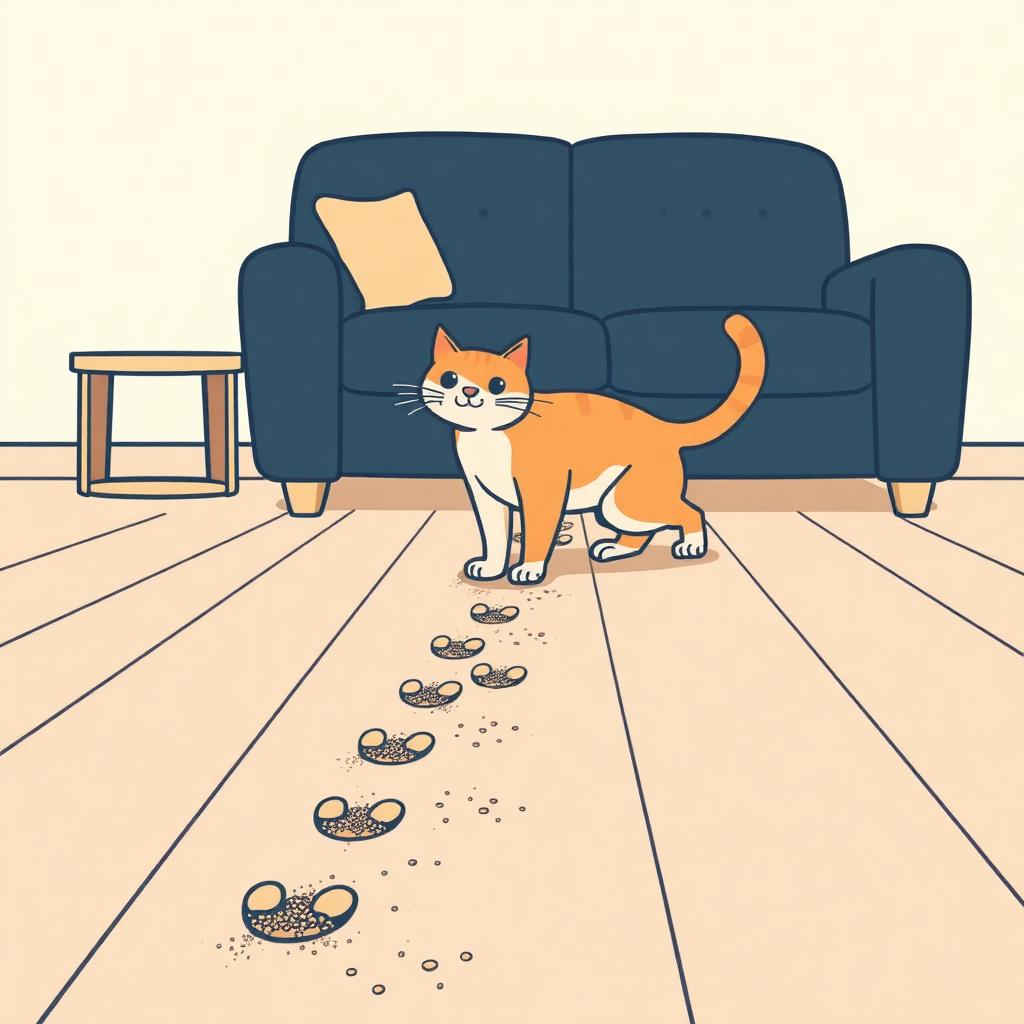
- Your cat sneezes, scratches, or avoids the box after a litter change
- Dust clouds from scooping leave people with itchy eyes, coughing, or congestion
- Strong fragrances and deodorizing additives seem to make irritation worse, not better
- You want odor control and clumping, but many litters trade performance for comfort
- Choose a hypoallergenic cat litter with very low dust, no added fragrance, and minimal chemical additives
- Read the material first: some cats do better with tofu, paper, or other soft, low-dust plant-based options
- Transition gradually over several days so you can tell whether the litter itself is the trigger
- If you want a plant-based option, NEKO’s tofu litter fits the low-dust, unscented, simple-formula profile many sensitive households prefer
Why some litter causes irritation in the first place
A hypoallergenic cat litter is not a medical category with one official standard. It is a practical description for litter that is less likely to irritate sensitive cats or people in the home. The main culprits are usually predictable: airborne dust, added fragrance, harsh deodorizing agents, and rough particles that stick to paws and fur. When a cat digs, covers, or jumps out of the box, tiny particles become airborne. If the litter is dusty, those particles end up in the nose, eyes, and lungs. That can mean sneezing, watery eyes, coughing, or simply a cat that starts spending less time in the box. Fragrance is another common problem. A scent that smells “clean” to people can be overwhelming to a cat, whose sense of smell is far more sensitive. Some litters also rely on chemical odor blockers or antimicrobial additives that may bother sensitive skin or airways. The goal is not to find a magical perfect product. The goal is to reduce avoidable triggers while keeping the box clean, dry, and acceptable to your cat. A litter that irritates less but fails at odor control or clumping is not much help if the cat stops using the box.
Start with the material, because it determines most of the experience
The base material matters more than the front-of-bag marketing. Clay litters often clump well and control odor effectively, but some versions can produce noticeable dust, especially when poured or scraped. Silica crystal litter can be low in dust for some households, but the texture is not every cat’s favorite, and some cats dislike the feel underfoot. Paper litter tends to be soft and relatively gentle, though clumping and odor control may be weaker depending on the format. Wood and grass litters can work well, but scent sensitivity matters here too, since some natural materials have a stronger inherent smell. Tofu litter is worth a close look for allergy-prone homes because it is typically soft, low dust, and plant-based, with simple pellets that break down differently from fine mineral granules. That combination can reduce airborne mess and feel easier on paws. It also tends to track differently, which some owners prefer. None of these materials is universally best. A senior cat with tender paws, a kitten that likes to taste litter, and a brachycephalic cat prone to respiratory irritation may all need different priorities. If you are choosing for sensitivity first, start by narrowing your list to unscented, low-dust options in a material your cat is likely to tolerate physically.
Low dust is not a bonus feature, it is the filter for everything else
If you remember one thing, make it this: dust is often the fastest way to rule a litter out. Even a litter with excellent clumping and decent odor control can be miserable in a small apartment if it throws a visible cloud during pouring or scooping. Dust does not just irritate human sinuses. Cats put their faces close to the litter every single day. They dig in it, inhale around it, and groom residue off their paws later. Fine particles can also settle on nearby surfaces, which means the exposure is not limited to the litter box corner. When shopping, look for language like low dust or minimal dust, but do not rely on labels alone. The better test is practical: pour it slowly into a clean box in good light and watch what goes airborne. Then scoop after use and see whether scraping creates another plume. Texture matters here. Very fine granules often move more easily into the air than larger, denser pellets, though there are exceptions. Storage matters too. If a litter breaks down easily in the bag, the last third of the package may be dustier than the first. A genuinely hypoallergenic-leaning litter should stay relatively calm during pouring, digging, and daily scooping, not just on day one.
Fragrance, deodorizers, and additives are common trouble spots
Many owners assume that if a litter smells fresh, it must be cleaner. Cats usually disagree. Added fragrance can be one of the biggest reasons a sensitive cat avoids the box, especially if the scent is strong enough for you to notice from across the room. A cat’s nose is not interested in linen breeze. It is interested in whether the box feels safe and familiar. The same caution applies to deodorizing additives. Some litters use baking soda, odor-locking compounds, color indicators, antimicrobial claims, or scented beads. None of these is automatically harmful, but each added feature is another variable if your cat or someone in your home is reacting. A simpler formula is easier to troubleshoot. If your cat starts sneezing, over-grooming, scratching around the face, or hesitating at the box after a change, fragrance is one of the first things to remove. Unscented is usually the safest default for a hypoallergenic setup. If odor control is a concern, solve it mechanically rather than cosmetically: scoop more often, keep enough litter depth, wash the box regularly, and use a litter that dries waste effectively. A clean unscented litter box typically works better than a heavily perfumed one. Cats are many things. Enthusiastic fans of artificial lavender rarely make the list.
Clumping, moisture control, and paw feel still matter for sensitive cats
A litter can be gentle on airways and still fail in daily use. That matters because box avoidance creates a much bigger problem than mild inconvenience. Clumping affects how quickly urine is isolated and removed. Better clumps usually mean less smear on the bottom of the box, lower odor between scoops, and fewer damp areas touching your cat’s paws. Moisture control matters for skin comfort as well as smell. If urine spreads instead of setting, sensitive paws and fur can stay in contact with dirty litter longer. Texture is another big factor. Some cats strongly prefer soft, finer litter because it feels natural to dig in. Others do better with pellets that stay cleaner and reduce residue on paws. There is no perfect universal texture, but there is often a clear preference once you pay attention. Watch how your cat enters the box, how long they dig, whether they shake out paws afterward, and whether litter sticks between toes. A softer, low-dust tofu litter can be a good middle ground for many homes because it usually offers clumping and gentle feel without relying on heavy fragrance. That is one reason some owners choose products like NEKO when they want a plant-based option that balances comfort with practical cleanup, rather than chasing a sterile marketing term.
How to test a new litter without causing box avoidance
The safest way to test a new litter is gradually. A sudden full-box switch makes it hard to tell whether your cat dislikes the smell, the texture, or simply the change itself. Start by mixing a small amount of the new litter into the old one, then increase the ratio over several days. Many cats do well with a transition over about a week, though cautious cats may need longer. If you have space, a side-by-side test with two identical boxes is even better. Use the old litter in one and the new litter in the other. That gives you useful information quickly: which box the cat chooses, whether one creates more mess, and whether anyone in the household reacts during scooping. Keep the rest of the setup constant. Do not change box location, liner use, cleaning products, and litter all at once. If symptoms appear, think like a detective. Sneezing during pouring points toward dust. Box refusal points toward scent or texture. Red paws or intense grooming may suggest contact irritation or another medical issue that needs a vet’s input. Also remember that “natural” does not automatically mean non-irritating. A simpler ingredient list helps, but the real test is how your specific cat responds over several days of normal use.
Household setup can make a good litter seem worse than it is
Sometimes the litter gets blamed for problems caused by the setup around it. A covered box can trap odor and concentrate dust right where the cat has to stand and breathe. That may help human noses while making the experience worse for the cat. A very high-sided box can also funnel dust upward during digging. Placement matters too. A box tucked beside a dryer, HVAC vent, or busy walkway may feel stressful regardless of litter type. Cleaning habits can amplify irritation. Scraping aggressively with a metal scoop, topping off endlessly without fully emptying, or using strongly scented box cleaners can all undermine a sensitive-litter strategy. Keep at least one box in a quiet, ventilated area. Wash it with mild soap and water, not heavy fragrance. Maintain enough litter depth for clumping, but do not overfill to the point that digging launches pellets or granules over the side. Tracking control helps as well. A mat outside the box reduces how much residue gets spread through the home, which matters if a person in the household has allergies. If your cat is sensitive and your home is small, a low-dust litter plus better ventilation often accomplishes more than switching between ten different formulas. The litter box does not need to be fancy. It needs to be boring, predictable, and easy to breathe around.
When the real issue is not the litter at all
Not every sneeze or itchy patch points to litter. Cats can react to pollen, cleaning sprays, smoke, dust already present in the home, or unrelated skin conditions. A cat with a respiratory infection may seem suddenly litter-sensitive because any extra dust becomes harder to tolerate. Over-grooming around the belly or legs can be stress, parasites, pain, or allergies of several kinds. Constipation, arthritis, urinary discomfort, and mobility problems can also show up as box avoidance that owners blame on a new product. The timing matters. If symptoms began right after a litter switch, the litter is a reasonable suspect. If they persist after switching back, look wider. Red flags that justify a veterinary call include labored breathing, repeated coughing, wheezing, blood in urine, straining in the box, skin sores, sudden refusal to use any box, or a dramatic drop in appetite or activity. For people in the home, persistent symptoms may be caused more by dander than litter, though dusty litter can clearly make things worse. A good hypoallergenic cat litter can reduce one source of irritation. It cannot diagnose the rest. The smart approach is simple: remove obvious triggers, observe carefully, and involve your vet if the pattern does not clearly improve.
Common questions
What is the best hypoallergenic cat litter material?
There is no single best material for every cat. For most sensitive households, the safest starting points are unscented, low-dust litters with simple formulas. Tofu and paper are often good options to test first because they tend to be gentler and less dusty than many finer mineral litters. The best choice is the one your cat will actually use comfortably.
Can cat litter cause sneezing in cats and people?
Yes. Dust is a common trigger, especially during pouring, digging, and scooping. Added fragrance can also irritate sensitive noses. If sneezing starts after a litter change, switch to an unscented, low-dust product and keep the box in a well-ventilated area. If symptoms continue, the cause may be something else in the environment or a medical issue.
Is unscented litter better for allergy-prone cats?
Usually, yes. Unscented litter removes one of the most common irritants: added fragrance. Cats have a much stronger sense of smell than people, so a scent that seems mild to you can be overwhelming to them. If your cat is sensitive, unscented is the default choice unless you have a specific reason to use something else.
How do I switch to a hypoallergenic cat litter without stressing my cat?
Mix the new litter into the old litter gradually over several days, increasing the amount a little at a time. If possible, offer two boxes side by side so your cat can choose. Keep the location, box style, and cleaning routine the same. That makes it easier to judge whether the new litter itself is working.
Are plant-based litters good for cats with allergies?
They can be. Many plant-based litters are lower in dust and free from heavy fragrance, which can help sensitive cats and people. Tofu litter is a common example because it is often soft, clumping, and relatively low dust. Still, plant-based does not automatically mean hypoallergenic, so check for added scent and watch how your cat responds.
One switch. Four problems, gone.
Start a NEKO subscription and get your first 7L bag for 40% off. Free shipping, delivered every 4–6 weeks. Skip, pause, or cancel anytime.