Crystal vs Pine Cat Litter: Which Option Handles Odor and Tracking Better?
This comparison breaks down moisture control, smell, texture, and maintenance so you can choose with fewer surprises.
- Odor builds up fast when the litter cannot lock in urine where it lands.
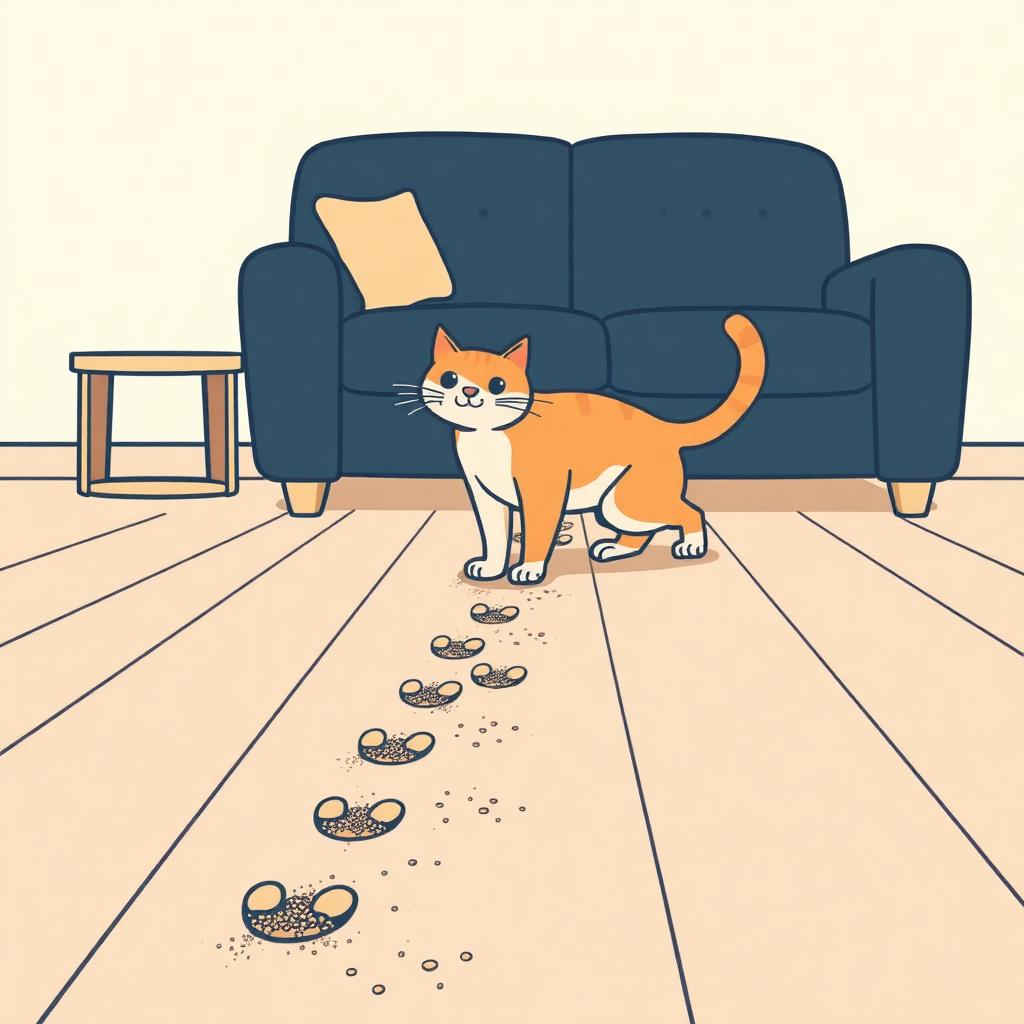
- Tracking turns into a daily mess when particles stick to paws or break into dust.
- A litter that looks good on paper can feel wrong under a cat’s feet and cause box avoidance.
- Maintenance gets annoying when you need constant stirring, full dumps, or heavy scrubbing.
- Match the litter’s absorption method to your biggest pain point: smell, tracking, dust, or feel under paw.
- Use a large box, enough litter depth, and a tracking mat to improve performance before blaming the litter.
- If your cat is picky about texture, transition gradually over 5–7 days instead of swapping overnight.
- If neither crystal nor pine gives the balance you want, a plant-based clumping option like NEKO can be easier to scoop cleanly while staying low-dust.
What cat owners really mean when they compare crystal vs pine litter
Most people searching crystal vs pine litter are not doing a chemistry project. They want to know two things: which one keeps the house from smelling like a litter box, and which one stays in the box instead of following the cat into the kitchen. Those are fair questions because crystal and pine work in very different ways. Crystal litter is usually made from silica gel. It absorbs moisture into porous granules and slows bacterial odor by drying waste quickly. Pine litter is typically compressed wood pellets or granules. It handles smell partly by absorbing liquid and partly by the natural wood scent that masks some odor at first. The catch is that performance depends on what kind of mess your cat makes. Crystal often does better with urine control in a single-cat box if you stir regularly. Pine can do well on smell early on, but once pellets break down into damp sawdust, odor control can fade fast if you do not remove the saturated material. Tracking is also not one-size-fits-all. Larger pine pellets usually track less than small crystal granules, but loose pine sawdust can spread once the pellets disintegrate. Your cat’s paw size, coat length, digging habits, and the box setup matter almost as much as the litter itself.
How each litter handles moisture, and why that decides odor
Urine management is the real engine behind litter odor. If moisture sits exposed, bacteria get to work and the smell follows. Crystal litter tackles this by pulling liquid into the granules. Many formulas do not clump, so the urine is absorbed and distributed through the box. That can delay odor, but only if you stir the litter and remove solid waste promptly. If you leave wet zones untouched, the box can go from fine to sour fairly quickly. Pine works differently. Pellets absorb urine and then break apart into damp sawdust. In a sifting box, this can be useful because the spent sawdust drops below the intact pellets, letting you separate wet material more efficiently. In a regular pan, though, the damp layer often stays mixed in, which means the box can smell stronger sooner. Pine’s wood smell can make the box seem fresher at first, but it does not replace actual waste removal. For heavy urinators or multi-cat homes, both types can struggle if the box is too small or too shallow. A generous litter depth and frequent maintenance matter more than marketing claims. If your priority is pure moisture control with easy scoop-out, many owners eventually prefer a clumping plant litter because it removes the wet waste entirely rather than storing it in the box.
Which one controls odor better in real homes
Odor control depends on what kind of odor you mean. Fresh urine smell, old ammonia smell, and feces smell are three separate problems. Crystal litter usually has the edge on fresh urine because it dries liquid quickly. That reduced moisture can delay the ammonia phase. But because many crystal litters are non-clumping, the urine stays in the box until the full change, which means odor often creeps up over time. Pine can suppress smell decently at the start because dry wood absorbs some moisture and has its own clean scent. The problem shows up later, when broken-down wet sawdust sits in the pan. At that point, pine can smell more “barn” than “forest.” For feces, neither litter is magical. Immediate scooping matters far more than material type. Covered boxes can trap smell for humans, but they also trap humidity, which can make both crystal and pine work worse if cleaning slips. In small apartments, where odor has nowhere to hide, crystal often feels better for short-term urine control, while pine can be acceptable if you are disciplined with a sifting setup. If your cat has strong-smelling urine, medical issues, or you are managing more than one box, odor performance often comes down to waste removal frequency rather than crystal versus pine alone.
Tracking, dust, and the mess you notice outside the box
Tracking is where the crystal-versus-pine decision gets more interesting. Pine pellets usually win the first round because they are large, heavier pieces that do not cling to paws as easily as small granules. A cat can kick them out, but they tend to fall near the box rather than travel across the house. Crystal litter is more mixed. Larger crystals may stay put reasonably well, while finer silica granules can hitch a ride in fur and toe fluff and turn up in surprising places. Then there is the second-round mess: what happens after the litter gets used. Pine pellets break down into lightweight sawdust, and that material can spread fast, especially if your cat digs aggressively or exits the box like it owes money. Crystal does not usually break down the same way, but some formulas create fine dust from abrasion over time. For households sensitive to dust, this matters. Less visible dust does not always mean no airborne particles. Box style changes the outcome too. High sides reduce scatter. A textured mat catches what paws leave behind. Placing the box where the cat takes several steps before hitting hardwood helps more than people expect. If tracking is your top complaint and your cat tolerates pellets, pine often starts stronger, but the long-term mess can even out unless you stay ahead of the sawdust.
Texture, noise, and whether your cat will actually use it
Cats care about texture more than many owners expect. Crystal litter can feel hard, angular, and a bit unnatural under sensitive paws, especially if the granules are large. Some cats accept it without hesitation. Others step in once, look offended, and begin negotiating with the bathroom rug. Pine pellets have a different issue. They are usually softer in material but much larger in shape, so some cats dislike the uneven footing. Kittens, seniors, and cats with arthritis can be especially choosy because stable footing matters. Noise also plays a role. Crystals can make a distinct crunchy sound when scratched. Pine pellets can rattle against the plastic box. A nervous cat may notice. If your cat has always used a fine-textured clumping litter, either switch can be a big sensory change. That is why sudden full swaps often fail. Start by mixing in a small amount of the new litter and increase gradually over several days. Keep one box with the familiar litter if you have space. Also pay attention to paw preference after surgery or with declawed cats, who may reject hard or chunky materials more readily. The best odor control in the world does not help if your cat starts avoiding the box. From a behavior standpoint, acceptance comes first, cleanup technology second.
Daily maintenance: scooping, stirring, sifting, and full box changes
Neither crystal nor pine is truly low effort if you want steady performance. They simply ask for different chores. With crystal litter, you usually scoop feces daily and stir the granules so wet spots do not stay concentrated in one area. Without stirring, the box can develop hidden saturated patches that smell stronger than the surface suggests. Full replacement depends on the cat load and box size, but waiting until the whole box smells bad is usually too late. Pine pellets reward a different routine. Solids should still be scooped daily, but the key task is separating intact pellets from wet sawdust. A sifting litter box makes this much easier. Without one, cleanup becomes a rummaging exercise few people enjoy twice. Pine users also need to top off more strategically because adding fresh pellets over damp sawdust can disguise a dirty box rather than fix it. Deep-cleaning the pan matters for both types because neither removes all urine residue on its own. If you want the simplest waste-removal routine, clumping litters tend to have a practical advantage because you can physically remove both urine and stool each day. That is one reason some owners move from crystal or pine to tofu-based litter such as NEKO when they want less guesswork and fewer full dumps.
Best use cases: apartments, multi-cat homes, sensitive cats, and budget tradeoffs
Crystal and pine each make more sense in certain households. Crystal can fit well in a small apartment with one cat, especially if odor control is your top concern and your cat tolerates the texture. It is also useful for owners who want a dry-looking box between cleanings, though that can create a false sense of cleanliness if urine is still sitting there. Pine often suits owners who prioritize lower tracking from larger pellets and prefer a wood-based material. It can also work well in a sifting box setup where wet sawdust can be removed efficiently. In multi-cat homes, both options get tested harder. More urine means faster saturation, and more traffic means more scatter. A litter that does not clump can become labor-intensive quickly when several cats share boxes. For sensitive cats, texture is the decider. Senior cats, cats with sore paws, and cats already prone to box issues often do better with a softer, finer substrate than either large pellets or coarse crystals. Budget is trickier than it looks because bag price alone does not tell the whole story. How often you replace the box, how much gets wasted, and whether poor performance leads to accidents on rugs all count as cost. Cheap litter becomes expensive when it fails in the wrong room.
How to choose based on your cat’s habits, not the label on the bag
The fastest way to pick between crystal and pine is to observe your cat like a mildly judgmental detective. Does your cat produce large urine clumps or many small visits? Crystal often handles frequent small urinations better than occasional flooding. Does your cat dig like a backhoe operator? Pine pellets may scatter less at first, but if your cat pulverizes them, you will be living with sawdust. Does your cat have long fur or fluffy feet? Fine crystal granules are more likely to hitch a ride. Does your cat dislike unstable footing? Large pine pellets may be a hard sell. Then look at your cleaning style honestly. If you will not stir crystal daily, it will underperform. If you do not want to sift pine, it will underperform. There is no shame in choosing the litter that matches your actual habits rather than your ideal self. You can also test with two boxes side by side if your cat is comfortable with that. Give each option a fair setup: enough depth, similar box size, same location, and a week of observation. If both still feel like compromises, that tells you something useful. Many owners land on a soft, plant-based clumping litter because it balances odor control, scoopability, and cat acceptance without asking for so much work from either species in the house.
Common questions
Which is better for odor: crystal vs pine litter?
For urine odor, crystal often performs better at first because it dries moisture quickly. For pine, the natural wood smell can seem fresh early on, but odor usually rises once wet pellets break into sawdust. For stool odor, neither has a major advantage if you scoop promptly. In practice, crystal vs pine litter comes down to your cleaning routine and whether your cat saturates the box quickly.
Does pine litter track less than crystal litter?
Usually, yes at the start. Pine pellets are larger and heavier, so they tend to stay closer to the box. The catch is that used pine turns into fine sawdust, which can spread more than people expect. Crystal litter may track more if the granules are small or your cat has furry paws. A mat and high-sided box help both.
Is crystal litter safer than pine litter for cats?
Both can be used safely when the product is intended for cats and the box is kept clean. The bigger issue is tolerance. Some cats dislike the hard feel of crystal or the chunky shape of pine pellets and may avoid the box. If your cat has respiratory sensitivity, pay attention to dust from any litter and keep the area well ventilated.
Do vets recommend pine or crystal litter?
Most vets care less about the category and more about whether your cat uses the box consistently and the litter allows you to notice health changes. A litter that hides urine too well can make monitoring harder. For cats with sore paws, arthritis, or litter box avoidance, many vets lean toward softer, unscented textures over harder crystals or large pellets.
Can I switch from crystal litter to pine litter right away?
It is better to transition gradually over about 5–7 days, sometimes longer for picky cats. Mix a small amount of pine into the current litter and increase it bit by bit. Watch for hesitation, accidents, or perching on the edge of the box. If your cat seems stressed, slow the transition rather than forcing a clean break.
One switch. Four problems, gone.
Start a NEKO subscription and get your first 7L bag for 40% off. Free shipping, delivered every 4–6 weeks. Skip, pause, or cancel anytime.