Open or Covered Litter Box for a Kitten?
Compare visibility, accessibility, odor control, and confidence-building to decide which litter box style better suits a young kitten.
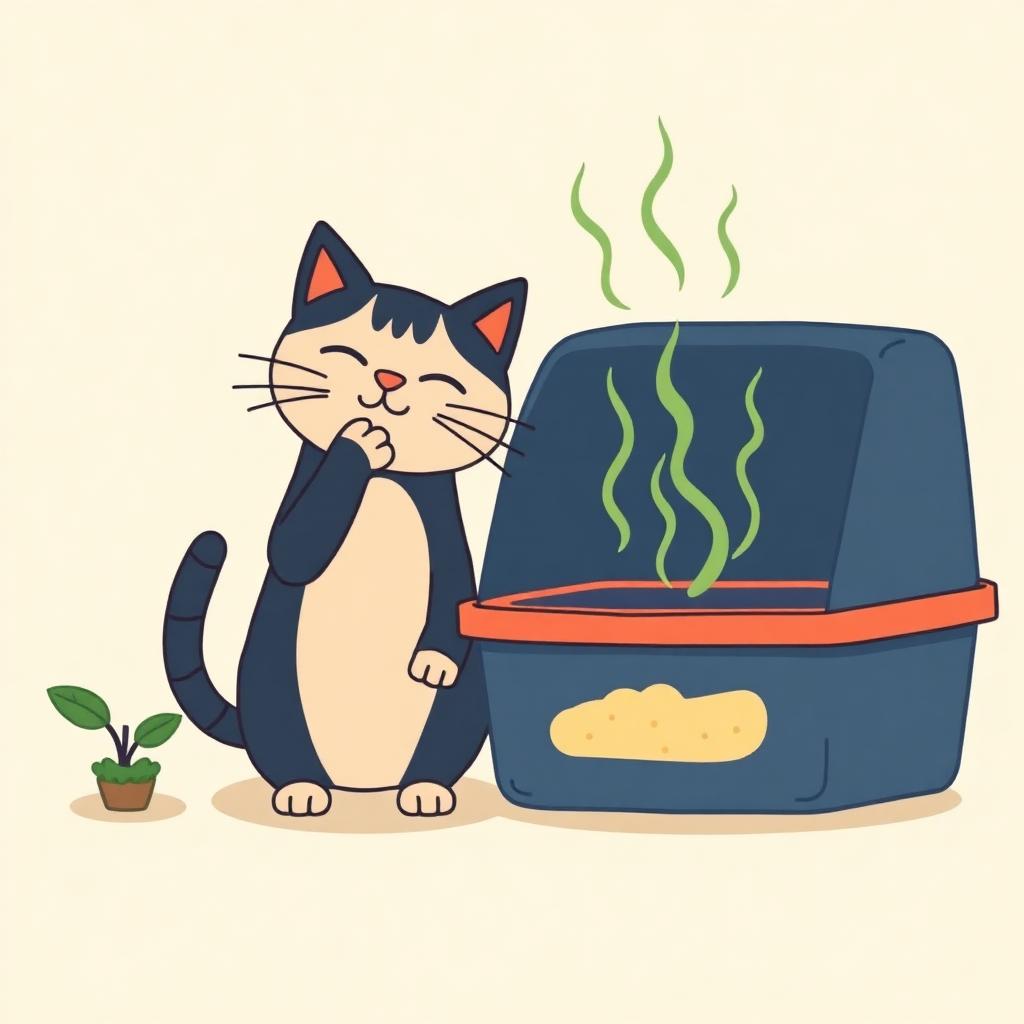
- A very young kitten may avoid a box that feels hard to enter or visually confusing.
- Covered boxes can trap odor and make it harder to notice when the box needs cleaning.
- Open boxes can scatter more litter and offer less privacy in busy homes.
- Early litter box stress can turn into accidents, hiding, or inconsistent habits.
- Start most kittens with a low-sided open box so entry, exit, and sightlines stay easy.
- Place the box in a quiet, predictable spot and scoop often so the box always smells usable.
- If odor or scatter is the issue, solve that first with litter choice, mat placement, and cleaning routine.
- Only try a covered box after your kitten is confidently using the box, and switch gradually; a low-dust plant-based litter like NEKO can help keep the setup comfortable.
Why the safer default for most kittens is an open box
For most homes, the best answer to the open or covered litter box kitten question is simple: start open. Kittens are small, easily startled, and still learning where to eliminate. An open box gives them the clearest possible setup. They can see the litter, see an exit, and understand the space without pushing through a flap or stepping into a dark enclosure. That matters more than many owners expect. Young kittens build bathroom habits through repetition and confidence. If the first few trips feel awkward, cramped, or scary, some kittens look for a simpler option such as a corner, a bath mat, or the space behind furniture. An open box also lets you monitor what is happening. You can see whether your kitten is digging normally, struggling to climb in, perching on the edge, or leaving because the litter feels dirty. Those small observations catch problems early. Covered boxes do have benefits in some adult-cat households, especially for odor containment and visual tidiness, but they ask more from a kitten at the exact stage when the goal is to make the box obvious and easy. Start with the setup that asks the least and teaches the most.
How visibility and escape routes affect litter box confidence
Cats do not use a litter box based on logic. They use it based on whether it feels safe enough in the moment. For a kitten, visibility is part of safety. Open boxes offer full sightlines, which means a kitten can scan the room, watch for people or pets, and leave quickly if something startles them. That quick exit matters in multi-pet homes, homes with children, or apartments where sudden noise travels fast. A covered box can turn one surprise into a bad association. If a dog noses the entrance, a door slams, or a child rushes by while the kitten is inside, the box can start to feel like a trap. Once that happens, some kittens hesitate, then delay going, then choose another spot. You may never witness the original event. You just notice accidents. Open boxes reduce that risk because they do not block the kitten’s line of sight or narrow the escape path. This is also why many kittens prefer a box placed against a wall but not tucked into a deep closet or cabinet. They want a quiet area, not an ambush point. Privacy for cats usually means low traffic and predictability, not necessarily a roof over their head. Humans often project our own idea of privacy onto the setup. Kittens usually prefer confidence over architecture.
Accessibility matters more than style in the first few months
A box can be open and still be wrong for a kitten if the sides are too high. Accessibility is not just about whether the box has a lid. It is about whether a kitten can step in without effort, turn around comfortably, and dig without balancing awkwardly. Very young kittens and smaller breeds can struggle with tall entries, especially after meals, naps, or play when they need to go quickly. If they have to climb, they may not make it in time. A low-front box usually works best early on. Many owners use a box with one lowered side or a shallow tray designed for easy entry. Size matters too. The box should be large enough for the kitten to turn and scratch naturally, but not so huge that it feels like an exposed field in the middle of a loud room. Accessibility also includes surface feel. Some kittens dislike rough pellets, dusty litter, or heavily scented products. If the litter irritates their paws or nose, they may blame the box itself. A soft, unscented, low-dust litter is usually the easiest starting point. This is one honest place where NEKO-style plant-based tofu litter can help: soft texture, low dust, and easy maintenance support the training process better than a box upgrade alone.
Odor control is real, but covered boxes solve less than people think
Most people consider a covered box for one reason: smell. That is understandable, but the lid often solves the symptom more than the cause. Odor comes from waste sitting too long, poor ventilation, too little litter depth, and a litter that does not control moisture well. A covered box can hide the smell from you for a while, but that trapped odor becomes much stronger for the kitten inside because their nose is far more sensitive than yours. In practical terms, a covered box may smell better from across the room and worse from the cat’s point of view. It also makes many owners slower to notice when scooping is overdue. You do not get the same visual reminder. For kittens, that can be enough to create hesitation. Better odor control usually comes from routine: scoop at least once or twice daily, remove clumps completely, replace litter on schedule, and wash the box with mild unscented soap rather than strong cleaners. Good room airflow helps. So does choosing a litter that clumps cleanly and holds odor without heavy perfume. If odor is your main concern, improve litter quality and cleaning frequency before changing box style. A lid is a management tool. It is not a substitute for a setup the kitten actually wants to use.
When a covered box can work, and which kittens tolerate it best
A covered box is not automatically wrong. It is just rarely the best first box for a kitten. Some kittens adapt well once litter habits are already established. This is more likely if the kitten is confident, physically agile, and living in a calm household without competition around the box. Covered boxes can also suit older kittens who are enthusiastic diggers and launch litter like they are burying treasure from a pirate film. In those cases, the cover may reduce scatter and make the area look tidier. The key is timing. Do not use a covered box to fix accidents in a kitten who is already unsure. That usually adds another obstacle. Instead, wait until the kitten is using an open box consistently for at least several weeks, then introduce the covered option alongside the open one. Keep both available. If your box has a swinging door flap, remove it at first. Many kittens dislike pushing through a moving panel because it blocks the view and brushes against their back. A cover without a flap is easier to accept. Watch for subtle refusal signs: standing half in and half out, entering then leaving, excessive meowing inside, or using the floor nearby. Those are not quirks. They are feedback. A box that works should require no bravery.
A practical setup that prevents accidents better than box swapping
If you want cleaner habits, focus on the whole system. Start with one low-sided open box per cat, plus one extra if your space allows. For a single kitten, that often means two boxes in different quiet locations, especially in a larger home or one with multiple floors. Keep them away from food and water, noisy laundry machines, and areas where a dog can lurk outside the box like an amateur toll collector. Use enough litter for digging and covering, but not so much that a tiny kitten sinks or slides. Scoop frequently. Kittens can reject a box surprisingly fast if a previous deposit is still obvious. Put a litter mat outside the entry to catch scatter instead of expecting the box style to do all the work. During the first weeks, gently place the kitten in the box after waking, after meals, and after energetic play, then leave them alone. Hovering can make some kittens jump out. If accidents happen, clean with an enzymatic cleaner so no residual odor marks that spot as a future toilet. If your kitten came from a shelter or foster home, ask what litter and box style they used there. Familiarity helps. Consistency usually beats novelty. The goal is a box your kitten understands instantly and reaches without thinking.
Special cases: shy kittens, long-haired kittens, and multi-pet homes
Some situations change the calculation slightly. Shy kittens often do best with open boxes in protected but visible corners, where they are not exposed in the middle of a room yet still have a clear line out. A covered box may seem more private, but for a nervous kitten it can amplify the fear of being cornered. Long-haired kittens present a different challenge. Fine litter can cling to fur around the paws and rear, so owners sometimes blame the open box when the real issue is litter tracking. In that case, try a larger mat, regular paw-area grooming, and a litter texture that tracks less while staying soft enough for a young cat. In multi-pet homes, open boxes help because they reduce blind confrontations. A kitten can see if another cat is nearby before entering and can leave quickly if needed. If one cat likes to guard resources, a covered box makes ambushes easier, not harder. This is also why hidden furniture-style enclosures are often poor choices for young kittens in busy homes. They may look elegant. The kitten may disagree. If you have children, teach them that the litter area is off-limits. The best box in the world fails if the kitten expects company every time they squat. Cat behavior is often simple once humans stop improving it.
How to transition from open to covered without creating a setback
If you eventually want a covered box, make the change in stages. First, confirm that your kitten has several weeks of reliable box use with no accidents and no hesitation entering. Then place a covered box next to the familiar open one with the same litter inside. Do not change litter type, room, and box style all at once unless you enjoy detective work. Leave the flap off if there is one. Scoop both boxes equally so cleanliness does not bias the test. Many kittens will inspect the covered box for a few days before using it. That is normal. If they continue choosing the open box, keep waiting. You are not training for a performance review. Once the covered box is used comfortably, you can decide whether to keep both styles or remove the open box gradually. If accidents appear during the transition, revert immediately to the open setup for at least a week or two before trying again. Also pay attention to growth. A covered box that seems roomy for a small kitten may become cramped fast. Interior height and turn radius matter. What owners call cozy, cats often call inconvenient. The right final answer is the one your cat uses freely, every time, without coaxing. Preference is not a personality flaw. It is the whole point.
Common questions
Is an open or covered litter box better for a kitten?
Usually open. For the open or covered litter box kitten decision, open boxes are the safer default because they are easier to enter, easier to understand, and less likely to trap odor or make a kitten feel cornered. Covered boxes can work later, once litter habits are solid.
At what age can a kitten use a covered litter box?
There is no perfect age, but most kittens do better once they are physically agile and already using an open box consistently for several weeks. The real test is confidence, not birthday math. If the kitten hesitates, keep the open box and try again later.
Do covered litter boxes smell less?
They can reduce how much odor spreads into the room, but they do not eliminate the source. Waste, moisture, and infrequent scooping still create odor. For the kitten, a covered box may actually smell stronger inside because airflow is reduced. Good litter and regular cleaning matter more.
Why is my kitten peeing next to the covered box?
The box may feel hard to enter, too enclosed, too dirty, or too close to noise or traffic. Some kittens dislike the flap or the trapped smell. Switch back to a low-sided open box, clean the area with an enzymatic cleaner, and monitor for any signs of urinary discomfort if the behavior continues.
Should I remove the door flap on a covered box?
Yes, at first. Many kittens dislike pushing through a flap because it blocks their view and brushes against them. If you use a covered box, introduce it without the flap and only consider adding it later if your cat is already fully comfortable with the box.
One switch. Four problems, gone.
Start a NEKO subscription and get your first 7L bag for 40% off. Free shipping, delivered every 4–6 weeks. Skip, pause, or cancel anytime.