Pine vs Walnut Cat Litter: A Side-by-Side Look at Performance and Cleanup
This article compares walnut and pine litter on absorbency, box odor, tracking, and the kind of mess each creates.
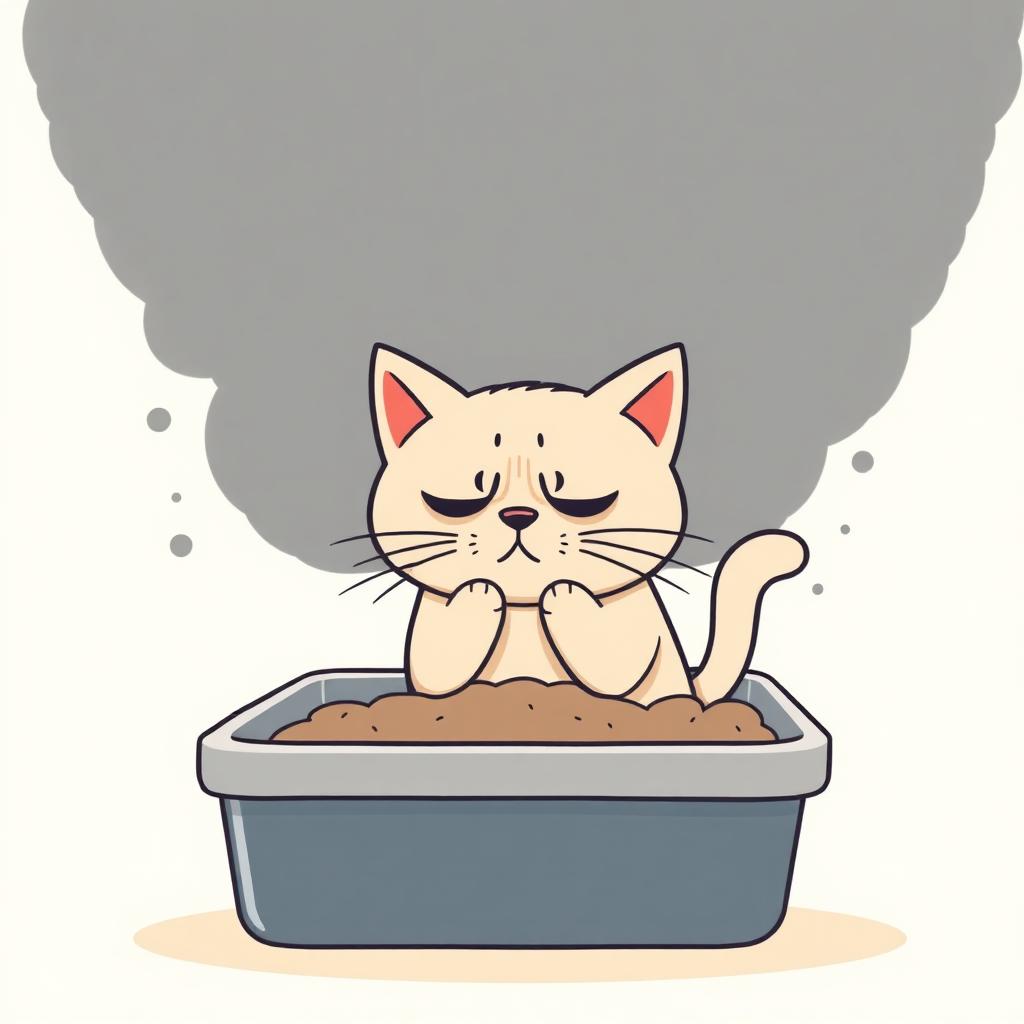
- The box still smells even when the litter claims to control odor
- Pellets, granules, or dust get tracked farther than expected
- Urine can pool, crumble, or turn into soggy sawdust that is annoying to remove
- A litter that looks natural on the bag may still be high-maintenance in daily use
- Match the litter format to your cat and your cleanup style, not just the ingredient
- Use a large box, enough fill depth, and a tracking mat to cut daily mess
- If odor control is the priority, choose a litter that traps moisture quickly and forms removable waste
- If you want a cleaner plant-based option than many pine or walnut litters, NEKO’s tofu formula is worth considering for low dust and simple scooping
What cat owners usually mean when they compare pine vs walnut litter
Most searches for pine vs walnut litter are really about one thing: which one creates less work after a cat uses the box. Both are plant-based alternatives to clay, but they behave very differently once urine and stool hit them. Pine litter often comes as compressed pellets or loose granules made from wood fiber. Walnut litter is usually a finer granule made from ground walnut shells. That difference in shape matters as much as the raw material. Pellets tend to stay in the box better but can break down into damp sawdust. Finer walnut granules usually feel more familiar to cats that already use clumping litter, but they can track more and leave dark specks outside the box. Odor control also works by different mechanisms. Pine depends heavily on natural wood scent and absorption. Walnut depends more on surface area and, in many formulas, clumping behavior that helps remove wet waste before smell spreads. So the better litter is not universal. It depends on whether your biggest problem is odor, paw tracking, box refusal, or cleanup time. If your current litter annoys you twice a day, the answer is probably in the mechanics, not the marketing.
How pine litter handles urine, stool, and daily scooping
Pine litter performs best when your expectations match its design. Pellet pine absorbs urine into the wood fibers, then the pellet gradually swells and breaks apart. In a single-cat home with regular maintenance, this can be fairly tidy at first. The issue comes later. Once enough pellets turn to damp sawdust, you need a system to separate the broken material from intact pellets. Some owners use a sifting litter box for this reason. Without one, cleanup can feel like trying to sort breakfast cereal from sand. Pine also tends to mask odor with the natural smell of softwood rather than sealing odor inside a firm clump. That can work well for mild odors, but if your cat produces strong urine smell, the box may start smelling like pine and ammonia at the same time, which is not the fragrance profile anyone requested. For stool, pine can do an adequate job if you scoop quickly, but loose granules or broken pellets may stick to soft waste. Some cats also dislike walking on large pellets, especially kittens, seniors, or cats with tender paws. When pine works, it is often because the cat tolerates pellets and the owner is willing to manage the sawdust phase consistently.
How walnut litter performs on clumping, odor, and mess outside the box
Walnut litter usually wins points for familiarity. Its granules are closer in texture to traditional clumping litter, so many cats accept it without drama. That matters more than people think, because the best litter on paper is useless if your cat objects and starts peeing on a bath mat. In terms of function, walnut litter often absorbs quickly and can form scoopable clumps, which makes daily removal more straightforward than non-clumping pine pellets. Better waste removal usually means better odor control over time, especially in homes where the box is scooped once or twice a day. The tradeoff is mess profile. Walnut granules are typically lighter and smaller than pellets, so they can hitch a ride on paws and scatter around the box area. Because the material is dark, the tracked bits are often visible on light floors. Some formulas also produce fine dust during pouring or heavy digging, though that varies by grind and manufacturing. Another practical issue is clump strength. If the clump is weak, it can crumble during scooping and leave damp particles behind, which slowly degrades odor control. So walnut litter often feels easier day to day than pine, but it is not automatically cleaner. It simply moves the problem from box sifting to floor cleanup and clump quality.
Absorbency is not the same thing as odor control
Cat owners often treat absorbency and odor control as if they are the same feature. They are related, but not identical. A litter can absorb liquid well and still manage odor poorly if the wet waste stays in the box or spreads across a large surface area. Pine is a good example. Wood fiber can take in moisture effectively, but when pellets crumble, the wet material remains distributed through the box until it is sifted out. That means odor-causing compounds have more time to sit there. Walnut litter can have the opposite pattern. A decent walnut formula may absorb quickly enough to make a scoopable clump, which limits how much wet material remains exposed. That usually helps with urine odor between full litter changes. Stool odor is different again. No plant-based litter can perform miracles if feces sits uncovered for hours. Coverage, scoop speed, and box ventilation matter. The practical takeaway is simple: if your household struggles most with urine smell, a strong clumping litter usually has an advantage over a litter that just absorbs and breaks down. If your main issue is moisture saturation in a high-volume box, fill depth and box size matter as much as the litter choice. NEKO’s tofu litter is relevant here because tofu typically combines fast moisture uptake with firm scoopable clumps, which is exactly the combination many owners are trying to get when pine or walnut falls short.
Tracking, dust, and the kind of cleanup each litter creates
Not all litter mess is equal. Some litter stays mostly in the box but turns cleanup into a maintenance project. Other litter scoops well but leaves a dotted trail across the room. Pine, especially in pellet form, usually tracks less because the pieces are bigger and heavier. You may still see the occasional pellet kicked out during enthusiastic digging, but it tends to stop near the box instead of migrating into bed sheets. Dust behavior changes over time, though. Fresh pine pellets can be relatively clean to pour, while used pine can create more fine wood residue as pellets disintegrate. Walnut tends to do the reverse trade. It can be easier to scoop consistently, but the finer granules are more likely to cling to fur and settle outside the box. Long-haired cats and cats with fluffy toe fur are especially good at exporting evidence. Color matters too. Walnut’s darker crumbs are obvious on pale tile, rugs, or litter mats, so owners often perceive it as dirtier even when the total amount is modest. If you are deciding based on cleanup burden alone, ask yourself whether you prefer occasional deeper maintenance inside the box or more frequent sweeping around it. That single preference often predicts satisfaction better than absorbency claims on the bag.
Which litter works better for kittens, seniors, and picky cats
Cat comfort is a major tiebreaker in this comparison. Kittens usually transition more easily to a finer, sand-like texture than to large pellets. Walnut often has the advantage here because it feels closer to what many cats naturally want to dig in. Seniors can go either way. A cat with arthritis or sore paws may dislike stiff pellets, especially if the box is shallow or the cat spends time balancing before squatting. In that case, walnut may be easier on the joints and feet. On the other hand, if a senior cat is messy around the box, lower-tracking pellet pine may reduce how much litter ends up stuck to fur or spread across the floor. Picky cats deserve a slow transition regardless of your choice. Mix a small amount of the new litter into the old one and increase gradually over about a week, longer if your cat is suspicious by nature. Cats are creatures of routine and professional critics of change. If a cat already has a history of avoidance, choose the texture most likely to be accepted first, then optimize the cleanup around it with a larger mat or high-sided box. For many sensitive cats, a soft clumping plant-based litter is the easiest compromise, which is why tofu-based litter often succeeds where pellet formats do not.
How to set up the box so pine or walnut performs better
A lot of litter disappointment is really setup failure. Start with a box large enough for your cat to turn comfortably without stepping on used areas. Cramped boxes make any litter smell worse and track more because cats dig aggressively when they feel confined. Fill depth matters too. Pine pellets generally need enough depth to absorb without leaving bare plastic patches, while walnut clumping litter needs enough material to let urine form a clump before it reaches the bottom and cements itself there. Scoop frequency is equally important. If you want an honest test, scoop at least once daily, twice if you have more than one cat using the same box. For pine pellets, a sifting system can dramatically improve the experience by separating sawdust from intact pellets before the whole box gets swampy. For walnut, use a wide, steady scoop and lift clumps slowly so weaker ones do not crumble. Add a large litter mat outside the exit side of the box, not a tiny decorative rectangle that catches three grains and your optimism. If odor persists despite good setup, the issue may be the litter’s waste-removal mechanics rather than your routine. That is often the point where owners move from pine or walnut to a better-clumping plant litter with lower dust and easier daily scooping.
When pine is the better choice, when walnut wins, and when to skip both
Choose pine if your top priority is lower tracking, you do not mind a pellet system, and your cat accepts the texture. Pine can also be a reasonable fit for owners who prefer a more obvious visual cue for litter breakdown and are willing to use a sifting box. Choose walnut if your priority is more familiar feel underfoot, easier scooping of urine waste, and better day-to-day odor removal through clumping. It often suits cats that reject pellets or owners who want a simpler routine without shaking sawdust out of the box. Skip both if your household has one of three patterns: strong urine odor that overwhelms absorbent litters, a cat that tracks everything onto soft furnishings, or a multi-cat setup where clump strength and fast cleanup matter more than ingredient novelty. In those cases, the better answer is often a low-dust clumping litter that locks moisture quickly and stays stable during scooping. That is the lane where tofu litter tends to outperform both pine and walnut. NEKO fits honestly here because tofu litter is designed for firm clumps, low residue, and cleaner daily maintenance, not because every plant-based litter problem can be solved by changing the bag color. The right litter is the one your cat uses consistently and you can maintain without resenting it by Thursday.
Common questions
Which is better for odor, pine vs walnut litter?
In many homes, walnut has the edge if it forms solid clumps and you scoop daily. Clumping lets you remove urine waste before odor spreads through the box. Pine can absorb well, but pellet formulas often break into damp sawdust that stays behind until sifted out, which can let smell build over time. If your cat’s urine is especially strong, clump quality matters more than natural scent.
Does pine litter track less than walnut litter?
Usually, yes. Pine pellets are larger and heavier, so they tend to stay closer to the box. Walnut litter is typically finer and more likely to stick to paws or fur, especially in long-haired cats. The tradeoff is that pine may create more internal box mess as pellets break down, while walnut often creates more visible floor mess.
Is pine vs walnut litter better for cats with sensitive paws?
Many sensitive cats prefer walnut because the texture is finer and softer underfoot. Large pine pellets can feel awkward or uncomfortable for kittens, seniors, and cats with arthritis or paw tenderness. Some cats tolerate pine perfectly well, but if your cat is picky or has mobility issues, a softer clumping litter is usually the safer bet.
Can you flush pine or walnut cat litter?
Do not assume either one is safe to flush. Even plant-based litters can swell, clump, or stress plumbing and septic systems. Local wastewater rules also vary. The safer default is to bag waste and dispose of it according to your local guidance. If flushability matters to you, check the package and your plumbing reality, not just the marketing.
What is the best way to transition between pine and walnut litter?
Mix the new litter into the old one gradually over about 5–7 days, or longer for a cautious cat. Start with a small amount, then increase the ratio every day or two. Keep the box extra clean during the transition so your cat does not blame the new texture for old odors. If your cat has a history of litter avoidance, go slower.
One switch. Four problems, gone.
Start a NEKO subscription and get your first 7L bag for 40% off. Free shipping, delivered every 4–6 weeks. Skip, pause, or cancel anytime.