Why a Kitten Suddenly Stops Using the Litter Box
Identify common causes of litter box regression in kittens, including developmental changes, stress, and medical issues to rule out.
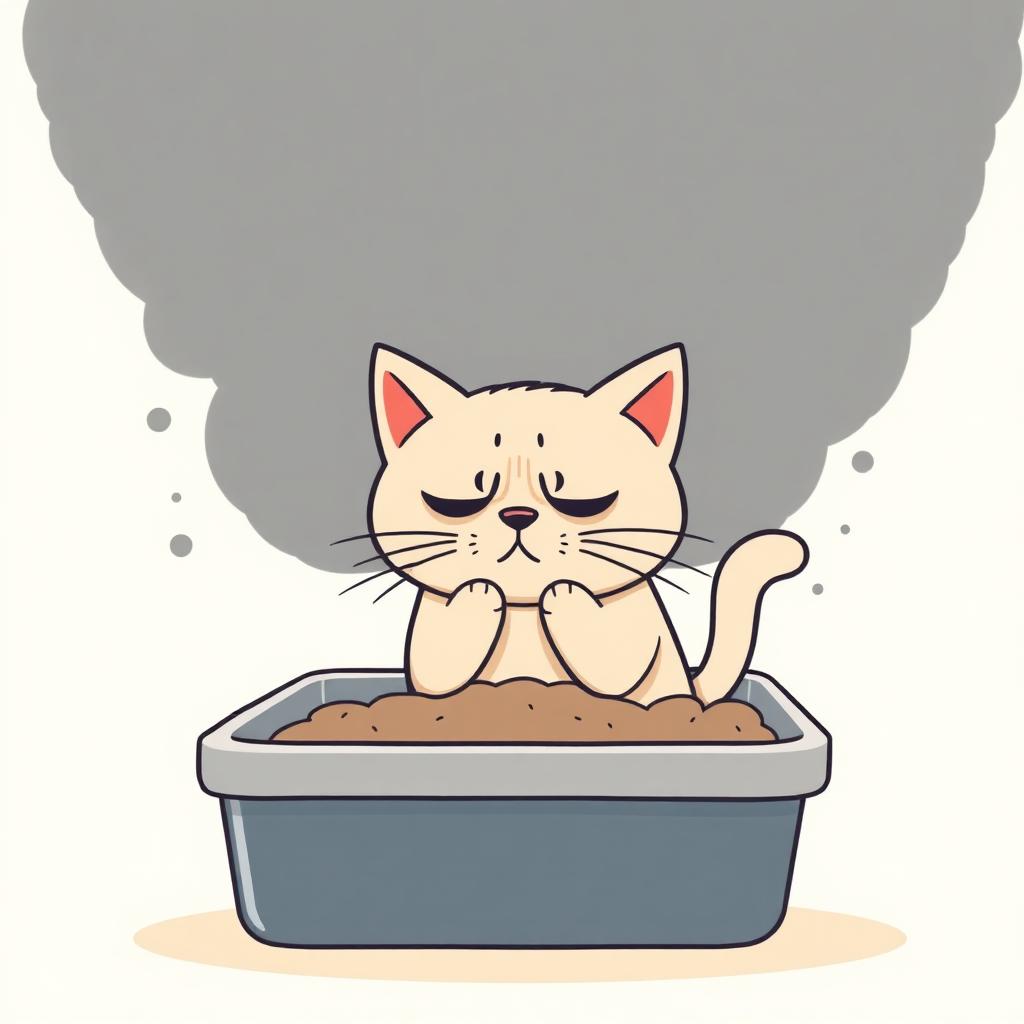
- A kitten that was using the box starts peeing or pooping on rugs, beds, or corners
- Accidents seem sudden, but the trigger is often easy to miss
- Owners assume it is spite or stubbornness when stress or pain is more likely
- The wrong box, litter, location, or cleaning routine can quietly push a kitten away
- Rule out pain first, especially if the change is abrupt or your kitten strains, cries, or urinates often
- Make the litter setup easy: one box per cat plus one extra, low entry, quiet location, and daily scooping
- Keep litter texture and scent consistent; many kittens prefer soft, unscented litter, and NEKO can help if your kitten accepts plant-based tofu litter
- Reduce stress from moves, guests, new pets, and schedule changes while gently rebuilding the habit
When a well-trained kitten starts having accidents
Kitten litter box regression usually looks dramatic because the change feels sudden. One week your kitten uses the box normally. The next, you find pee on a bath mat or stool behind the sofa. Most of the time, this is not revenge, dominance, or a personality flaw. Cats repeat what feels safe, comfortable, and easy. If the box stops meeting those conditions, behavior changes fast. The trigger may be physical discomfort, a frightening event near the box, a litter change, a dirty box, or a developmental shift as a confident little kitten becomes a more sensitive adolescent. Start by looking at the pattern. Is it urine, stool, or both. Is the accident always in one place. Does it happen right after meals, during the night, or when the house gets busy. Is your kitten entering the box and then jumping out, or avoiding the room completely. Details matter because they narrow the cause. A kitten who squats often but produces little urine raises different concerns than one who poops beside the box once the household adopts a loud puppy. Treat regression as a clue, not bad behavior. That mindset gets you to the fix much faster.
Medical issues to rule out before you work on behavior
If litter box habits change abruptly, rule out medical problems first. Kittens can develop urinary irritation, constipation, diarrhea, parasites, or pain that makes the box feel associated with discomfort. A kitten with a urinary problem may make frequent trips, strain, lick the genital area, cry, or pass only small amounts. A constipated kitten may posture repeatedly, produce hard stool, or avoid the box because defecation hurts. Diarrhea creates urgency, so accidents can happen simply because a kitten cannot get there in time. Even minor soreness from a fall or rough play can make climbing into a high-sided box unpleasant. Call your vet promptly if you see straining, blood, repeated unproductive trips, vomiting, lethargy, loss of appetite, or a sudden increase in thirst. Urinary blockage is an emergency, especially in male cats. Bring useful information: when the accidents started, whether it is urine or stool, any diet changes, stool consistency, and a photo or short video if your kitten is straining. If the vet clears medical causes, you can move confidently to setup and stress. That order matters. You do not want to spend a week changing litter brands when the real issue is pain.
How normal development can disrupt good litter habits
Kittens do not stay behaviorally static. Early on, many use the nearest acceptable substrate without much fuss. As they mature, preferences sharpen. A kitten that tolerated a scented pellet litter at ten weeks may reject it at five months because the smell is stronger to them, the texture feels wrong on more sensitive paws, or the box now seems too cramped for a growing body. Confidence changes things too. Young kittens often stay close to one safe area. As they gain range, they may become choosier about location, privacy, and cleanliness. Hormonal development can also add complexity. Around adolescence, some intact kittens begin urine marking, which looks different from regular peeing. Marking is often a small amount of urine on vertical surfaces, usually during stress, arousal, or territory changes. Regular elimination is usually on horizontal surfaces with a squat. Development also affects routine. A kitten with huge bursts of play may ignore the urge until the last minute, then fail to reach a distant box. None of this means training failed. It means the setup that worked for a tiny baby may no longer suit the cat in front of you. Reassess the environment with fresh eyes: size, number of boxes, accessibility, litter feel, and whether your kitten can get to a box within a few seconds from their favorite sleeping and play spots.
The litter box setup mistakes that cause regression
Most litter box regressions improve when the physical setup improves. Start with quantity. The standard guideline is one box per cat plus one extra, placed in different areas rather than side by side. That matters even in small homes because one blocked path, one scary interaction, or one dirty box can make the only toilet feel unavailable. Next, look at box design. Many kittens prefer a large open box with low enough sides to enter easily. Covered boxes trap odor and can feel ambushy, especially if another pet lurks nearby. Self-cleaning units may scare some kittens with noise or movement. Location is a common weak point. A box tucked beside a washing machine, slammed door, or busy food station may be technically available and functionally unusable. Cats like quiet, low-traffic, easy-to-escape areas. Then assess litter itself. Preference usually comes down to texture, scent, and consistency. Frequent switching is a problem. If you want to try a different litter, transition gradually by offering a second box or mixing slowly. Unscented, soft-textured litter is often a safe starting point. If your kitten already accepts a tofu litter, a low-dust plant-based option such as NEKO can work well because texture and odor control support daily use without overwhelming perfume. The key is not trendiness. It is whether your kitten willingly uses it every time.
Stress can break the habit faster than most owners expect
Cats are routine specialists, and kittens are no exception. A move, visitors, a new baby, loud renovations, another cat outside the window, or a change in your work schedule can be enough to trigger accidents. The mechanism is simple. Stress increases vigilance. A vigilant kitten wants clear exits, predictable resources, and familiar smells. If the box is in a place where the dog barges through or the vacuum appears without warning, that location stops feeling safe. Some kittens then choose a rug, bed, or laundry pile because those spots smell strongly like home and feel protected. Social stress matters too. In multi-cat homes, one kitten may be subtly guarded away from the box without any dramatic fight. You may never see the stare-down in the hallway, but the more timid cat certainly does. The fix is to lower friction and rebuild predictability. Keep feeding, play, and cleaning on a stable schedule. Add boxes on different routes through the home. Block visual access to outdoor cats if window visitors trigger tension. Create quiet resting areas and vertical escape options away from rambunctious pets or children. If accidents began after a major change, go back to basics temporarily: smaller territory, closer boxes, and less household chaos. Kittens usually recover faster when their world becomes boring again. Boring is underrated.
How to retrain a kitten without making the problem worse
Punishment is one of the fastest ways to deepen litter box avoidance. If you clap, spray, scold, or carry a frightened kitten to the box after the fact, all you teach is that elimination is risky around humans. Instead, manage the environment so the right choice becomes the easiest choice. Clean accidents thoroughly with an enzymatic cleaner so urine odor does not keep drawing your kitten back. Standard soap may leave enough scent behind for a cat nose to find the spot again. For the next several days, increase supervision and reduce unsupervised access to problem rooms. Set up a short-term habit reset in a small, comfortable area with bed, water, toys, and one or two boxes placed well away from food. Scoop at least daily, more often if needed. If your kitten tends to go after meals, naps, or active play, gently place them near the box at those times without forcing them in. Reward success quietly with play, petting, or a small treat if your kitten enjoys that. Keep your own behavior boring and calm. If one box location is failing, do not keep insisting it should work because it is convenient for you. Convenience is rarely persuasive to a cat. Consistency, comfort, and a clean box usually are.
When the accidents are urine spraying, soft stool, or only happen at night
Not all regressions are the same, and odd patterns often reveal the cause. If you see small amounts of urine on walls, furniture sides, or door frames, think spraying rather than simple house soiling. Spraying is communication, often linked to stress, social tension, or sexual maturity in an intact kitten. If the accidents are mostly soft stool or happen before your kitten reaches the box, urgency and digestive upset move higher on the list. A kitten with diarrhea is not making a statement; they are losing the race. If accidents only happen at night, look at access. Is the bedroom door closed with the box on the other side. Does the hallway become dark, noisy, or occupied by another pet. A kitten who uses the box by day and not by night may need another box closer to sleeping areas. If accidents happen only on soft surfaces, substrate preference may be the issue. Your kitten may be seeking a texture that feels more like soil or sand than the current litter. Offer a second box with a different unscented texture and compare results. If your kitten defecates in the box but urinates outside, or the reverse, consider pain, prior bad experiences, or a box that feels too dirty for one function. Separate clues matter. They keep you from using a generic fix for a specific problem.
Advanced troubleshooting for multi-cat homes and stubborn cases
When the obvious fixes do not solve the problem, zoom out and map the household like a cat would. In multi-cat homes, resource distribution matters more than owners expect. Two boxes in one laundry room are not the same as two boxes on separate routes with separate escape options. Place boxes where a timid kitten cannot be cornered. Watch for silent bullying: blocking hallways, staring at the box entrance, chasing after use. Cameras can help when the pattern is mysterious. Health and setup can also interact. A kitten with mild constipation may cope fine in a large, open box but avoid a cramped one because balancing while straining feels awkward. Cleaning products can be the hidden issue too. Strongly scented deodorizers, liners that shift underfoot, or a sudden switch to bleach-heavy cleaning can put a sensitive kitten off. If your kitten used a certain litter well and regression began soon after a change, consider going back to the last successful setup before testing new variables one at a time. That method is dull but effective. For stubborn cases, keep a simple log for one to two weeks: time, location, urine or stool, household events, box condition, and who else was nearby. Patterns emerge surprisingly often. Once you identify the trigger, the solution stops being guesswork and starts being simple management.
Common questions
How long does kitten litter box regression usually last?
It depends on the cause. If the problem is a box location or litter change, many kittens improve within a few days once the setup is corrected. If stress is the trigger, improvement may take longer because the environment has to feel predictable again. If there is pain, constipation, diarrhea, or a urinary issue, the regression often continues until the medical problem is treated.
Can kitten litter box regression happen even if my kitten was fully trained?
Yes. Kittens can regress after a move, a new pet, a schedule change, a litter switch, or as they grow and become more selective about texture, privacy, and box size. Training is not a permanent shield against discomfort or stress. A kitten that knew the habit can still abandon it if the box stops feeling safe, clean, or comfortable.
Should I change litter if my kitten stops using the box?
Maybe, but do it strategically. First check for medical issues and obvious setup problems. Then consider whether the current litter is too scented, too coarse, too dusty, or recently changed. Many kittens prefer soft, unscented litter. If you test a new option, offer a second box or transition gradually so you can see whether preference is the real issue.
Why is my kitten peeing on the bed but still pooping in the litter box?
That pattern can point to urinary discomfort, stress, substrate preference, or a box that feels acceptable for one function but not the other. Beds smell strongly like you, which can be comforting to an anxious kitten. Because peeing outside the box can signal a medical issue, especially if the change is sudden, a vet check is the safest first step.
Do kittens outgrow litter box problems on their own?
Usually not without some change. A few minor setbacks resolve when routine settles, but persistent accidents tend to repeat because the kitten keeps practicing the same behavior. The good news is that many cases improve quickly once you fix the real cause, whether that is pain, stress, box access, cleanliness, or litter preference.
What kind of litter box is best for a kitten with regression?
A large open box in a quiet, easy-to-reach spot is often the safest bet. Low entry sides help small kittens or kittens with discomfort. Avoid forcing a covered box or a noisy automatic box during regression. Use enough boxes throughout the home, scoop daily, and keep the litter type consistent while you rebuild the habit.
One switch. Four problems, gone.
Start a NEKO subscription and get your first 7L bag for 40% off. Free shipping, delivered every 4–6 weeks. Skip, pause, or cancel anytime.