How Often Should You Clean a Kitten’s Litter Box?
Find a cleaning rhythm that supports hygiene and positive box habits without making the space feel unfamiliar to a young kitten.
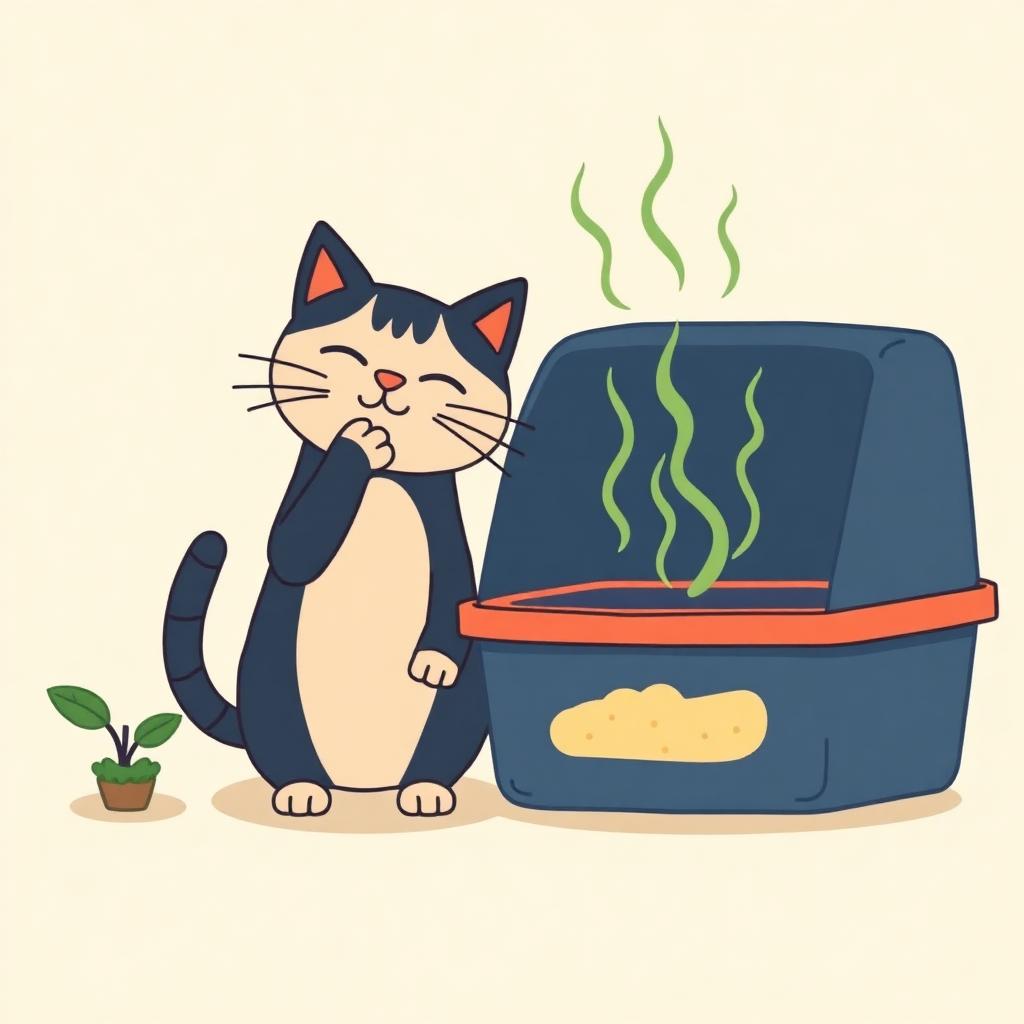
- A kitten may avoid a dirty box fast, even if they were using it well a day earlier.
- Over-cleaning with strong products can make the box smell unfamiliar and discourage use.
- Young kittens produce frequent small messes, so odor and tracking build up quicker than many owners expect.
- It is hard to tell whether accidents come from litter box cleanliness, stress, box setup, or a medical issue.
- Scoop clumps and stool at least twice daily, and more often for very young kittens or multi-cat homes.
- Keep a little scent continuity by changing soiled litter regularly without stripping the box bare every time.
- Do a full wash on a steady schedule using mild soap and warm water, then dry the box completely before refilling.
- Use a low-dust, unscented litter a kitten can dig in comfortably; plant-based options like NEKO can help with odor and daily scooping when the texture suits your cat.
Why kittens need a different cleaning rhythm
If you are trying to clean kitten litter box often enough to support training, the short answer is this: scoop at least twice a day, check the box after meals and naps, and do a full litter refresh and wash on a regular schedule based on how quickly it gets soiled. Kittens are not just smaller cats. They eat more frequently for their size, poop more often, and can change their bathroom habits quickly if the box feels dirty or strange. A mature cat might tolerate a missed scoop. A kitten often will not. That matters because litter box habits form early. A young kitten learns, through repetition, that this box is the safe and correct place to go. If the box is loaded with waste, smells sharply of urine, or has damp litter under the surface, that lesson gets messy. On the other hand, if you scrub the box too aggressively or switch everything at once, the box can lose the familiar scent cues that help a kitten return to it. The goal is not sterile. The goal is clean, consistent, and recognizable. Think of it as maintenance, not renovation.
What happens when the box is too dirty or too clean
A dirty litter box creates problems that are practical and behavioral. Practically, waste builds odor, bacteria, and moisture. Clumps break apart, stool gets stepped in, and the litter bed stops feeling dry under a kitten’s paws. Many kittens dislike that texture long before the smell becomes obvious to humans. Behaviorally, a dirty box can cause hesitation, perching on the edge, incomplete covering, or outright avoidance. The result is often accidents on bath mats, rugs, laundry piles, or quiet corners. But the opposite extreme can also backfire. If you dump every grain of litter too often, wash the pan with heavy fragrance, and refill it with a different texture or scent, the box may feel unfamiliar. Cats rely heavily on scent marking and routine. A kitten may enter, sniff, then leave because the box no longer smells like the place they have been using. That is why daily scooping and periodic washing work better than constant total resets. Remove the waste, keep the surface comfortable, and preserve some continuity. You want the box to say, clearly, this is still your bathroom, just not a gross one.
A practical schedule that works for most kittens
Most homes do well with a simple three-part schedule. First, scoop morning and evening every day. If your kitten is under about four months, has soft stool, or uses the box heavily after each meal, add a midday check. Second, top up litter as needed so the depth stays comfortable for digging. Many kittens prefer a shallow-to-moderate layer rather than a deep bed that feels unstable. Third, do a full litter change and box wash whenever the litter stops performing well, smells stale even after scooping, or has too many small contaminated bits left behind. In some homes that may be weekly. In others it may stretch longer, especially with one small kitten and good clumping litter. The better guide is condition, not a rigid calendar. A useful rule: if the box still smells after you scoop, inspect the bottom corners and litter depth. There is usually urine-saturated material hiding there. Keep one or two boxes in easy-to-reach spots, especially in larger homes. Young kittens do not always make long trips in time. If you are training a new kitten, watch their pattern for the first week. Most go shortly after waking, after eating, and after active play. Those are ideal times for a fast scoop and a quick cleanliness check.
How to scoop without disrupting litter training
Scooping sounds simple, but technique matters. Use a slotted scoop that removes clumps cleanly without shaking waste dust back into the box. Lift from the bottom, where urine clumps tend to stick first. Break apart only what is already loose. If you leave half-broken clumps behind, they spread damp litter through the clean area and make the whole box feel used. Remove stool promptly when you see it. Kittens often revisit the same area, and fresh stool odor can make that spot unpleasant fast. After scooping, level the litter gently instead of stirring the whole box like cake batter. Too much mixing distributes odor and contaminated fines. When you add fresh litter, blend only enough to keep a consistent surface. This is also a good reason to avoid heavily scented products and strong deodorizers. They solve the human nose problem while creating a cat problem. Unscented, low-dust litter is usually easiest for a kitten to accept. A plant-based clumping litter can be useful here because it lets you remove wet spots precisely rather than replacing the entire tray every day. If your kitten likes the texture, NEKO fits that approach well: daily scoops, steady top-ups, and fewer dramatic changes.
When to do a full wash, and how to do it safely
A full wash is not the same thing as routine scooping. Scooping keeps the toilet usable. Washing resets the container when residue has built up on the sides, base, or corners. For most kittens, wash the box when odor lingers after scooping, when urine clumps start sticking to the pan, after a stomach upset, or during a regular litter refresh. Empty the litter, scrape off residue, then wash the pan with warm water and a small amount of mild, unscented soap. Skip bleach, strong disinfectants, and intense citrus or floral cleaners unless your vet has specifically told you to disinfect for a medical reason. Those smells can repel cats, and residues are not worth the risk. Rinse thoroughly and dry the box completely before adding fresh litter. Damp plastic holds odor and can make clean litter cling to the bottom. If the box is scratched and permanently smelly, replace it. Plastic traps odor over time, especially with frequent urine contact. This matters more with kittens because their training window is sensitive. A box that smells wrong every time they step in can start a habit problem you then blame on the litter. Sometimes the issue is simply an old pan that should have retired quietly months ago.
Signs your kitten needs more frequent cleaning
Your kitten will usually tell you, just not in words anyone enjoys. The obvious signs are accidents near the box, stepping into waste, dirty paws, stronger odor between scoops, or lingering damp patches that do not clump cleanly. More subtle signs include scratching the wall beside the box instead of the litter, balancing on the edge to avoid the surface, jumping out too quickly, or using only one corner while avoiding the rest. Some kittens become selective and hold urine longer than they should, which is not a habit you want to encourage. Stool consistency also changes the schedule. Soft stool, parasites, diet transitions, and stress can all make a box dirtier faster, which means your standard twice-daily scoop may not be enough for a few days. In a multi-cat home, assume the box gets used more than you think. One kitten and one adult cat can fill a small pan surprisingly fast. If you smell the box before you see the waste, increase checks for a week and track what you find. This is not glamorous data, but it works. If cleanliness is good and avoidance continues, look beyond hygiene to box size, location, litter texture, household stress, or a possible medical problem.
Common mistakes that make a clean box less usable
Owners usually miss in one of two directions: neglect or overcorrection. Neglect is straightforward. The box is too full, too smelly, too small, or too far away. Overcorrection is sneakier. You buy a scented litter because the room smells bad, switch to a covered box to hide the smell, use deodorizer powder, line the pan with a crinkly bag, and deep-clean every other day. To a human, that sounds efficient. To a kitten, it can feel loud, perfumed, slippery, and unfamiliar. Covered boxes trap odor at nose level, which many cats dislike even when people find them neat. Liners shift under tiny paws and can catch claws. Fine fragrance can overwhelm a kitten’s preference for a neutral bathroom space. Another common mistake is using too little litter after cleaning because you want to reduce mess. If the layer is too thin, urine reaches the pan quickly and creates sticking and odor. Too much litter can also be awkward for very small kittens to navigate. Aim for a stable digging surface and adjust based on what your kitten actually uses well. Cleanliness should support habit formation, not turn the box into a science experiment with a lid.
Special situations: tiny kittens, illness, and multiple boxes
Some situations call for a tighter schedule. Very young kittens, especially those still settling into a new home, may need a check after every meal and nap because their bathroom timing is predictable and frequent. Kittens recovering from diarrhea, deworming treatment, antibiotics, or diet change can soil a box much faster and may step in stool if it is not removed promptly. In those periods, scoop as soon as practical and consider a second backup box so there is always a clean option. If you have more than one cat, the usual rule of thumb is one box per cat plus one extra. That matters less as a slogan than as a logistics fix: more boxes spread out the traffic and reduce the chance that one dirty pan causes avoidance. Place boxes in quiet, low-traffic areas, but not so hidden that a small kitten cannot reach them quickly. Stairs, closed doors, and noisy laundry rooms can all interfere with good habits. If your kitten suddenly stops using a clean box, strains, cries, produces very little urine, or has ongoing diarrhea, do not keep adjusting the cleaning routine and hope for the best. Call a vet. A litter box problem is sometimes a litter box problem. Sometimes it is the first clue that your kitten feels awful.
Common questions
How often should I clean a kitten’s litter box each day?
For most kittens, scoop at least twice a day and check after meals, naps, and active play. Very young kittens or kittens with soft stool may need an extra midday scoop. If you can smell the box between cleanings, your schedule is probably too light for that kitten.
Can I clean kitten litter box often enough without changing all the litter daily?
Yes. To clean kitten litter box often, focus on removing waste promptly rather than dumping the whole box every day. Daily scooping keeps the surface usable. Full litter changes and washing should happen when odor lingers, residue builds up, or the litter stops clumping cleanly.
Is it bad to wash the litter box too often?
It can be, if frequent washing removes all familiar scent and adds strong cleaner smells. Kittens like consistency. Scoop daily, but do full washes on a steady need-based schedule with mild, unscented soap. The box should smell clean, not perfumed.
What if my kitten still has accidents even though the box is clean?
Check the full setup. The box may be too small, too hard to reach, too close to noise, or filled with a litter your kitten dislikes. Also look for stress, constipation, diarrhea, or urinary issues. If accidents continue despite a clean, accessible box, talk to your vet.
Should I use scented litter to keep odor down?
Usually no. Most cats prefer unscented litter, and kittens can be especially sensitive to fragrance. Better odor control comes from frequent scooping, enough litter depth, and a litter that clumps well. If odor is strong even with good cleaning, the box likely needs a fuller refresh.
One switch. Four problems, gone.
Start a NEKO subscription and get your first 7L bag for 40% off. Free shipping, delivered every 4–6 weeks. Skip, pause, or cancel anytime.