Is Tofu Litter Better Than Crystal Litter for Sensitive Cats?
Compare tofu and crystal litter for dust, texture, odor, and litter box comfort with a focus on sensitive cats.
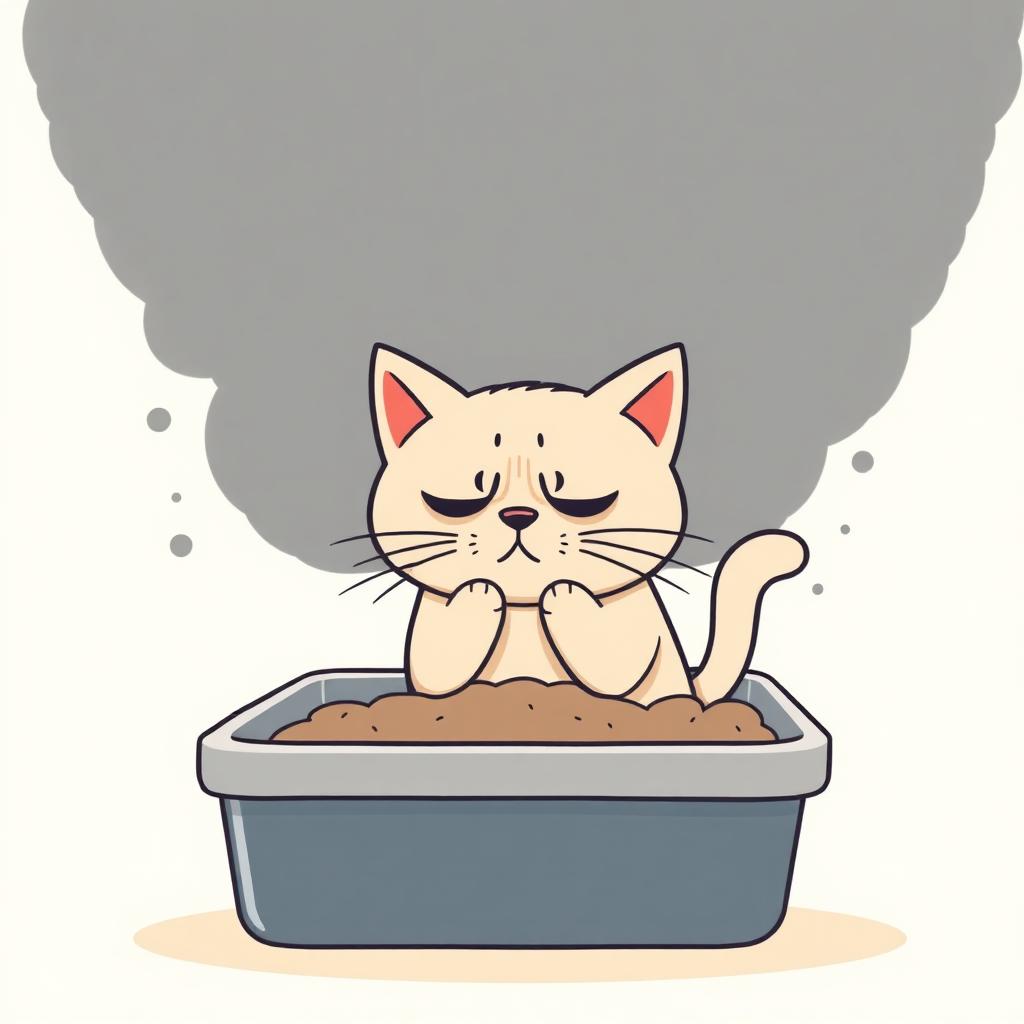
- Your cat sneezes, avoids the box, or tracks litter after a switch
- Dust or strong fragrance seems to irritate eyes, nose, or paws
- Crystals control odor for some cats but feel harsh underfoot
- You want lower mess and better comfort without making odor worse
- Choose a low-dust, unscented litter with a softer texture for sensitive paws and airways
- Transition gradually over 5–7 days so your cat accepts the new feel and smell
- Scoop often and keep litter depth consistent; even good litter fails in a dirty box
- If your cat does best with soft, low-dust plant litter, NEKO tofu litter is a sensible option
What sensitive cats actually need from a litter
When people ask whether tofu litter better than crystal is the right choice, the real issue is usually sensitivity rather than simple preference. A sensitive cat may react to litter with sneezing, watery eyes, paw shaking, excessive grooming, box avoidance, or peeing beside the tray. Kittens, seniors, cats with asthma, and cats recovering from urinary or skin problems often notice litter details more than healthy adult cats do. Four factors matter most: dust, texture, odor, and stability. Dust can irritate the nose and lungs during digging. Texture matters because some cats dislike sharp or coarse particles and will perch awkwardly on the edge of the box rather than step in fully. Odor is not just about your nose. Strong fragrance can make the box smell hostile to a cat whose sense of smell is far better than yours. Stability means predictable clumping and a surface that does not collapse under the paws. Sensitive cats usually do best with a litter that stays low-dust, feels soft, has little to no added scent, and does not leave wet spots sitting in the box. That combination often points people toward tofu, but the details matter.
How tofu and crystal litter are made, and why that changes the experience
Tofu litter is typically made from plant fibers, often repurposed soy byproduct compressed into pellets or small granules. When wet, those fibers absorb liquid and form clumps that can be removed. Crystal litter is made from silica gel beads or granules designed to absorb moisture into the particle itself. That difference sounds technical, but your cat feels it every time they use the box. Plant fiber litters tend to have a softer, more matte surface underfoot. Crystal litter tends to feel harder and more granular, and some versions have angular pieces that sensitive paws notice immediately. The moisture behavior is different too. Tofu litter usually localizes urine into a clump, which means the rest of the box stays relatively unchanged if you scoop promptly. Crystal litter spreads moisture through the bed and relies on evaporation and absorption to manage odor over time. For some homes that works well. For some cats it means stepping on litter that feels increasingly saturated between full changes. Plant-based litters also tend to produce less airborne particulate than many mineral litters when poured or scraped, though quality varies by manufacturer. The mechanism matters because sensitivity is often a response to what touches the paw and what goes into the nose.
Dust and respiratory comfort: where tofu usually has the edge
If your cat sneezes during digging or you notice a little cloud when you pour fresh litter, dust should move to the top of your list. Sensitive cats, especially those with asthma or chronic upper respiratory irritation, generally do better with litter that creates less airborne material. Tofu litter often performs well here because the pellets are denser and larger than many fine-grain litters, so there is usually less loose particulate flying around the box. Crystal litter is often marketed as low dust, and some products are. The catch is that crystals can still break down with use, creating fine fragments or powder at the bottom of the box. Scooping and stirring can then kick that material back into the air. There is also a human factor: if dust bothers you when cleaning, it is probably not ideal for a cat standing inches away while digging. Box setup can make either option better or worse. A large open box with good room to turn, no heavy perfume, and a mat outside the tray reduces stress and mess. If your cat has known respiratory issues, low-dust, unscented litter is usually the safest place to start. That is one of the strongest reasons sensitive-cat households often prefer tofu over crystals.
Texture, paw feel, and box comfort are not minor details
Cats are picky about substrate for a reason. In the wild, they bury waste in material that feels diggable, stable, and safe. If a litter is too sharp, too slippery, or too uneven, some cats change their bathroom behavior almost overnight. Crystal litter can be a problem here. Those small beads may not hurt every cat, but a cat with tender paws, arthritis, declaw history, skin irritation, or just a low tolerance for odd textures may hesitate to dig or may leave waste uncovered. You might see them scratch the wall instead of the litter, which is the feline version of filing a complaint. Tofu litter usually has a gentler texture and gives slightly under the paws. Pellet shape matters though. Very large pellets can feel unfamiliar to cats used to finer litter, while very soft pellets may break down faster in multi-cat homes. Sensitive cats often prefer a texture that is soft without turning mushy after one use. Comfort also includes traction. Older cats need a stable surface that does not shift too dramatically when they step in. If your cat has any mobility issue, test how confidently they enter, squat, and cover. The best litter is the one your cat uses willingly every time, not the one with the most impressive marketing language.
Odor control works differently, and that matters for sensitive noses
Crystal litter and tofu litter manage odor in different ways. Crystal litter absorbs moisture into the granules and can suppress smell for a while if the box is stirred and the bed is not overloaded. The downside is that urine stays in the box until a full change, so odor control depends heavily on absorption capacity, evaporation, and how often the box is refreshed. Once the system is overwhelmed, the smell tends to arrive all at once and the whole box needs replacing. Tofu litter usually traps urine in scoopable clumps, which means the source leaves the box earlier. That can be a better match for sensitive cats because the box stays more consistent day to day. It is also useful for owners monitoring urine volume or color, since clumps are easier to inspect than damp crystals. Fragrance complicates everything. Added scent may make a room smell cleaner to people, but many cats hate it. A heavily perfumed crystal litter can be especially unpleasant because the perfume and urine odor can mix into a smell that offends everyone. Unscented tofu litter is often the safer choice for a cat with odor sensitivity, recent litter box aversion, or urinary concerns. Scoop frequency still matters. No litter can overcome a box that is left to marinate.
When crystal litter may still be the better fit
Tofu is not automatically better for every cat. Crystal litter can be useful in a few specific situations. Some owners like that it does not form heavy wet clumps, which can make boxes lighter to carry before a full change. Some cats simply prefer a drier-feeling box bed and are perfectly comfortable on crystals. In very low-output households with diligent stirring and regular replacement, crystal litter can keep odor manageable with less daily scooping. It may also track less in some homes because the particles are larger and less likely to stick to long fur when the box stays dry. The key question is whether your cat is truly sensitive to dust, scent, or texture. If the answer is no, and your current crystal litter is unscented, low-fragment, and well tolerated, there may be no reason to switch. Trouble starts when owners keep trying to solve discomfort with deodorizers, liners, or covered boxes instead of changing the substrate itself. If your cat shows even mild avoidance, breathes noisily around the box, or leaves crystals stuck between the toes, those are signs the theoretical benefits are not translating into real comfort. Sensitive-cat decisions should be based on observed behavior, not on what worked for someone else’s robust orange menace.
How to switch a sensitive cat without causing litter box drama
Even if tofu is the better option for your cat, a bad transition can make it look like the wrong choice. Most cats do best with a gradual change over several days. Start by adding a small amount of tofu litter to the existing crystal litter, just enough for your cat to smell and feel the difference without losing the familiar substrate. Increase the tofu portion every day or two while keeping total depth consistent. Aim for a box that is deep enough to dig comfortably but not so deep that the surface shifts like beach sand. Keep everything else unchanged during the transition: same box, same location, same cleaning routine. If you change litter, box style, and room placement all at once, you learn nothing useful. Watch for subtle signals such as shorter visits, less digging, scratching at the box frame, or eliminating right after you clean instead of throughout the day. Those can indicate uncertainty rather than rejection. For highly sensitive cats, offering two boxes side by side can work better than mixing litters. One stays familiar while the other tests the new substrate. If the cat consistently chooses the tofu box, you have your answer without a standoff in the hallway.
The details that make tofu litter work better in real homes
Once you choose tofu litter, setup determines whether it stays clean, low-dust, and comfortable. Use a box large enough for a full turn and a natural digging motion. Small boxes make any litter seem worse because waste concentrates quickly and the cat ends up stepping where they would rather not. Scoop clumps at least daily, more often in multi-cat homes. Tofu litter performs best when clumps are removed before they break down from repeated traffic. Keep the litter bed reasonably level instead of constantly stirring the whole box, which can crush pellets and create unnecessary fines. If tracking is a problem, place a mat outside the box and trim long fur around the paw pads if your cat tolerates grooming. Choose unscented if your cat is sensitive, and store litter in a dry place so pellets do not soften before use. If you use an automatic box, check the manufacturer’s guidance on pellet size and clump firmness because some tofu formulas move through the rake or sifter better than others. NEKO’s tofu litter is worth considering if you want a plant-based, low-dust option aimed at daily scoopability and a softer feel. Not every cat will write a thank-you note, but many will quietly stop objecting, which is close enough.
Common questions
Is tofu litter better than crystal for cats with asthma or allergies?
Often, yes. Sensitive cats usually do better with litter that is low dust and unscented. Tofu litter commonly fits that profile and may feel gentler during digging. Crystal litter can work for some cats, but if the crystals break down into fine fragments or the product is scented, it may irritate airways or eyes. If your cat has diagnosed asthma, ask your vet and keep the box especially clean.
Do cats generally prefer tofu litter or crystal litter?
Many cats prefer the softer feel of tofu litter, especially if they have tender paws, arthritis, or litter box hesitation. Crystal litter is tolerated by plenty of cats, but it can feel hard or odd underfoot. Preference is individual, so the best test is behavior: how quickly the cat enters, whether they dig normally, and whether they keep using the box without accidents.
Does tofu litter control odor as well as crystal litter?
It can, but it works differently. Tofu litter controls odor by clumping waste so you can remove the source quickly. Crystal litter absorbs urine into the bed and manages smell over time until the full change. In homes that scoop daily, tofu often keeps the box smelling more consistent. In homes that want less scooping, crystal may seem easier at first but can fade fast once saturated.
Will switching from crystal to tofu confuse my cat?
It can if you switch too fast. Most cats handle the change well when it happens gradually over about 5–7 days, or when they are offered a second box with the new litter. Keep the box location and cleaning routine stable. If your cat is already stressed, recovering from illness, or has a history of avoidance, go slower rather than forcing the issue.
Is tofu litter safe if my cat sometimes tastes litter?
Tofu litter is generally plant-based, but that does not mean a cat should eat it. Small accidental tastes are usually less concerning than ingesting mineral-based litter, but persistent chewing or eating any litter deserves a vet call because it can point to nausea, pica, or dietary issues. Kittens should be watched closely during any litter transition.
One switch. Four problems, gone.
Start a NEKO subscription and get your first 7L bag for 40% off. Free shipping, delivered every 4–6 weeks. Skip, pause, or cancel anytime.