How to Build a Litter Box Routine for a Young Kitten
Use timing, repetition, and observation to create a predictable bathroom routine that helps kittens learn faster with less stress.
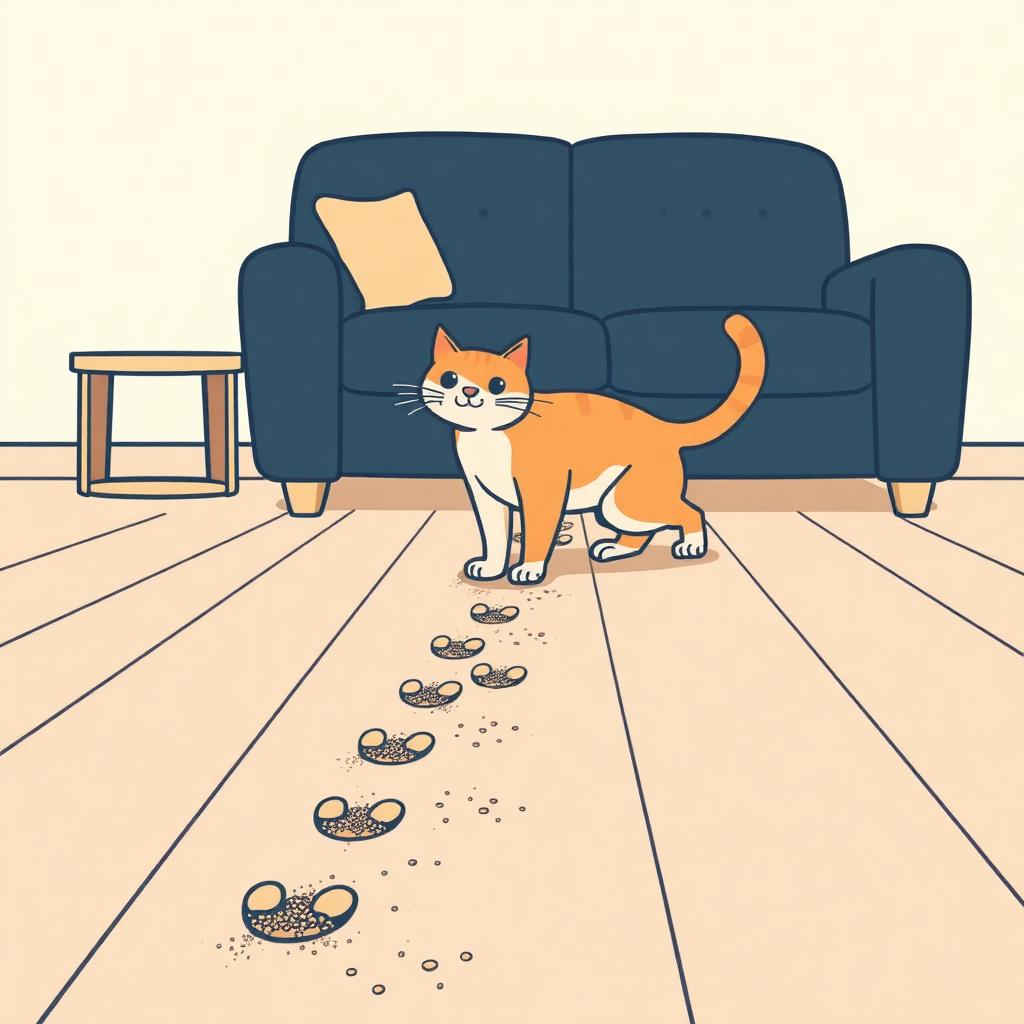
- A young kitten uses the box sometimes, then has accidents on rugs, bedding, or corners.
- The litter box is technically available, but the kitten does not seem to connect the urge with the right place.
- Owners often clean accidents well yet miss the timing and repetition that teach the habit.
- Stress, box setup, location, or litter texture can quietly disrupt otherwise normal litter training.
- Create a predictable schedule: box trips after waking, after meals, after play, and before sleep.
- Use one easy-entry box in a quiet area first, then add more boxes as the kitten gains range in the home.
- Watch body-language cues and interrupt gently, moving the kitten to the box before the accident starts.
- Choose a soft, low-dust litter many kittens accept easily; some owners prefer plant-based options like NEKO for a lighter, gentler texture.
Why a kitten litter box routine matters more than punishment
A reliable kitten litter box routine works because kittens learn by repetition tied to body signals, not by lectures and certainly not by punishment. Very young kittens have small bladders, fast metabolisms, and limited ability to hold the urge for long. They also move abruptly from playing to needing the bathroom in a matter of seconds. That is why accidents can seem random when they are actually predictable. Most happen after sleeping, eating, drinking, energetic play, or wandering into a quiet corner. If you wait for the kitten to figure it out alone, learning takes longer. If you build the day around those natural trigger points, learning usually speeds up. Punishment does the opposite. It can make a kitten fear you, fear the room where the accident happened, or fear the litter box itself if the correction happens too close to the box. The better approach is simple: make the right choice easy, repeat it often, and remove friction. A good routine gives the kitten a map. Same box, same location, same litter, same timing cues. Predictability reduces stress and turns bathroom habits into muscle memory before bad habits settle in.
How kittens actually learn the habit
Litter training is partly instinct and partly environment. Many kittens are attracted to loose substrate they can dig in and cover. That helps, but instinct is not a full training plan. A kitten still needs a clear route, a box that feels safe, and enough timely practice to link the sensation of needing to go with the location of the box. Think of it as a chain: urge, movement toward the box, digging, eliminating, covering, then leaving. If any link in that chain is hard, learning breaks down. A high-sided box can stop a tiny kitten at the entrance. A noisy laundry room can interrupt the process. A strongly scented litter can create avoidance. So can a dirty box. Repetition strengthens the full chain. Each successful trip makes the next one more likely. Your job is to increase successful reps. That means escorting the kitten to the box at likely times, keeping the distance short, and praising calmly after success. Quiet praise is enough. No celebrations, no dramatic clapping. Cats are not interns waiting for performance reviews. Also, expect progress to look uneven. A kitten may do well for two days and then miss once after a long play session. That does not mean the routine failed. It means the routine needs tighter timing.
Set up the box so a young kitten can succeed
Before focusing on schedule, fix the physical setup. A young kitten needs an easy-entry litter box with low sides or one cut low on one edge. If climbing in requires athletic commitment, you are starting with a design problem. Place the box in a quiet, low-traffic area that is easy to reach. Not hidden behind obstacles, not next to a slamming door, and not beside food and water. Most cats prefer separation between bathroom and dining for obvious reasons. Start with at least one box in the room or small area where the kitten spends most of the day. In a larger home, add boxes rather than expecting a young kitten to sprint down a hallway and make strategic life choices under pressure. Keep the litter depth moderate so the surface feels diggable without becoming unstable. Unscented litter is usually the safest starting point. Fine, soft textures are often accepted readily because they feel natural under small paws. If you want a plant-based option, choose one that is low dust and gentle underfoot; that is one reason some owners like NEKO. Scoop frequently. A kitten may reject a dirty box faster than an adult cat because there is less established habit keeping them loyal. Cleanliness is not a luxury here. It is part of the lesson.
Build the daily schedule around trigger moments
The practical core of a routine is timing. Take the kitten to the litter box after every nap, after each meal, after active play, after long drinks of water, and right before settling for the night. Those moments matter because they line up with the body’s natural urge to eliminate. For a very young kitten, this can mean a lot of trips early on. That is normal. You are compressing the learning curve. Place the kitten in the box gently, then step back and stay quiet for a minute or two. If the kitten jumps out immediately, try again a few minutes later rather than turning it into a wrestling match. During the first week, keep the kitten’s world small enough that the box is always close. One room is often easier than full-house freedom. Freedom should expand after the routine is reliable, not before. Track successes and misses for a few days. Patterns appear quickly. Some kittens almost always need the box ten minutes after eating. Others go right after waking. Once you know the pattern, your timing becomes much more accurate. This is where owners often improve results dramatically: not by changing litter every day, but by noticing the exact windows when the kitten is most likely to need the box and meeting them there.
Use observation and gentle interruption to prevent accidents
Kittens usually telegraph their intentions if you know what to watch for. Common pre-bathroom cues include sudden sniffing of floors, circling, scratching at a rug or blanket, ducking behind furniture, freezing in a corner, or abruptly leaving play to investigate a secluded spot. The moment you see that sequence begin, intervene calmly. Pick the kitten up gently and place them in the litter box. If they use it, offer soft praise and move on. If they do not, keep the environment small and try again shortly. The goal is interruption before the act, not after. Once the accident is happening, startling the kitten often just teaches them that eliminating in front of you feels unsafe. That can create secretive habits, which are a nuisance to find and harder to retrain. Clean accidents thoroughly with an enzymatic cleaner so lingering odor does not mark that spot as a repeat bathroom area. Standard soap may remove the stain while leaving the message. If one surface becomes a repeat target, block access temporarily or change the texture by covering it with something less appealing. Observation also helps you notice when the kitten avoids the box for a reason. Hesitation at the edge, scratching outside the box, or repeated entering and exiting can signal dislike of the setup rather than confusion.
What to do when the routine breaks down
If accidents continue despite a decent schedule, assume there is friction somewhere and troubleshoot methodically. First, reduce space. A kitten roaming several rooms may simply be too far from the box when the urge hits. Second, review the box itself. Is the entrance too high, the location too noisy, or the box too close to appliances, dogs, or heavy foot traffic. Third, consider the litter. Strong fragrance, excessive dust, or a texture the kitten dislikes can all cause avoidance. Fourth, increase scooping frequency. Even one clump in a small box can matter to a fussy kitten. If the kitten is using the box for urine but not stool, or vice versa, that can also point to a setup issue or to constipation or diarrhea making the experience unpleasant. Watch for straining, crying, repeated trips with little output, very loose stool, or sudden refusal after previous success. Those are medical flags, not character flaws. Most vets recommend contacting your clinic if a very young kitten is consistently missing the box despite a good routine, or if there are any signs of pain or digestive trouble. Training only works when the body is comfortable. No routine can out-coach a urinary or gastrointestinal problem.
How to expand from one room to the whole home
Once the kitten has several days of consistent success in a smaller area, start expanding access gradually. Open one additional room, not the entire house at once. Put another litter box in or near that new area so the habit travels with the kitten. This matters because kittens do not automatically generalize well. Knowing where the box is in one room does not mean they will make the same choice after chasing a toy into a hallway and forgetting all civilised standards. Keep escorting the kitten to the nearest box at the usual trigger times even after expansion. The routine should loosen slowly, not disappear overnight. If accidents return, that is useful information. It usually means the increase in space happened too fast, the box spacing is too sparse, or there is a preferred but inconvenient substrate somewhere else, like a bath mat or a pile of laundry. Remove the temptation and tighten the routine again for a few days. Multi-level homes generally need a box on each level during training. Stairs are not impossible, but urgency changes the math. If you have other pets, protect the kitten’s box access. A box that feels ambushed by a curious dog or an overconfident adult cat stops feeling safe. Privacy is part of reliability.
Routine details that make training faster and cleaner
A few small adjustments can make a good routine work much better. Keep feeding times consistent. Regular input often creates more predictable output, which is helpful when you are trying to anticipate bathroom windows. Leave the box in the same place during the learning phase. Moving it because it looks nicer in another corner is a very human idea and a very inconvenient feline one. Scoop on a schedule, not only when you happen to notice. Morning and evening is a solid baseline, with extra scooping as needed. If you are transitioning to a different litter, do it gradually so the box still smells and feels familiar enough to use. For overnight success, place the box close to the sleeping area rather than hoping the kitten navigates a dark obstacle course at 3 a.m. If the kitten is especially small, weak, or newly adopted, err on the side of more supervision and less square footage. Plant-based litters can be useful here because some are softer, lower dust, and easier to handle in a small home setup; the best one is simply the one your kitten uses comfortably and consistently. The headline principle stays the same: routine beats guesswork. Timing, access, and comfort do more than any one training trick.
Common questions
How long does it take to establish a kitten litter box routine?
Many kittens learn the basics quickly when the setup and timing are good, often within several days to a couple of weeks. Consistency matters more than speed. Very young kittens, stressed rescues, or kittens adjusting to a new home may need longer. If progress stalls, reduce their space and tighten the routine around naps, meals, and play.
What is the best kitten litter box routine for a new home?
Start small. Keep the kitten in one quiet room with food, water, bed, and an easy-entry box placed away from food. Take the kitten to the box after waking, after meals, after play, and before bed. Scoop often, use unscented litter, and watch for sniffing or circling so you can redirect before accidents happen.
Why does my kitten use the litter box sometimes and the floor other times?
That usually points to timing or access, not stubbornness. Kittens can go from playing to urgent bathroom need very fast. If the box is too far away, too dirty, too high to enter easily, or in a stressful location, misses happen. Track when accidents happen and look for patterns around meals, naps, and specific rooms.
Should I put my kitten in the litter box after every meal?
Yes, that is often helpful, especially during the first week or two. Meals are one of the most reliable bathroom triggers for young kittens. Also take them after naps and active play. You are not forcing a behavior so much as increasing the odds that the urge and the location connect at the right moment.
What kind of litter is easiest for kittens to accept?
Most kittens do best with an unscented, low-dust litter that feels soft and easy to dig in. Avoid strong fragrance and textures that seem harsh or noisy underfoot. Some kittens take well to plant-based litters for that reason. If you switch litters, do it gradually so you do not disrupt a routine that is already working.
When should I worry that litter box problems are medical?
Call your vet if the kitten strains, cries, passes very little urine, has diarrhea, seems constipated, suddenly stops using the box after doing well, or appears painful or lethargic. Training issues are common, but discomfort changes behavior fast. If the body is not comfortable, no routine will fully solve the problem.
One switch. Four problems, gone.
Start a NEKO subscription and get your first 7L bag for 40% off. Free shipping, delivered every 4–6 weeks. Skip, pause, or cancel anytime.