Could Your Cat’s Litter Be Causing Paw Irritation?
Learn the signs of contact sensitivity on paws and skin, plus which litter qualities may be worth avoiding.
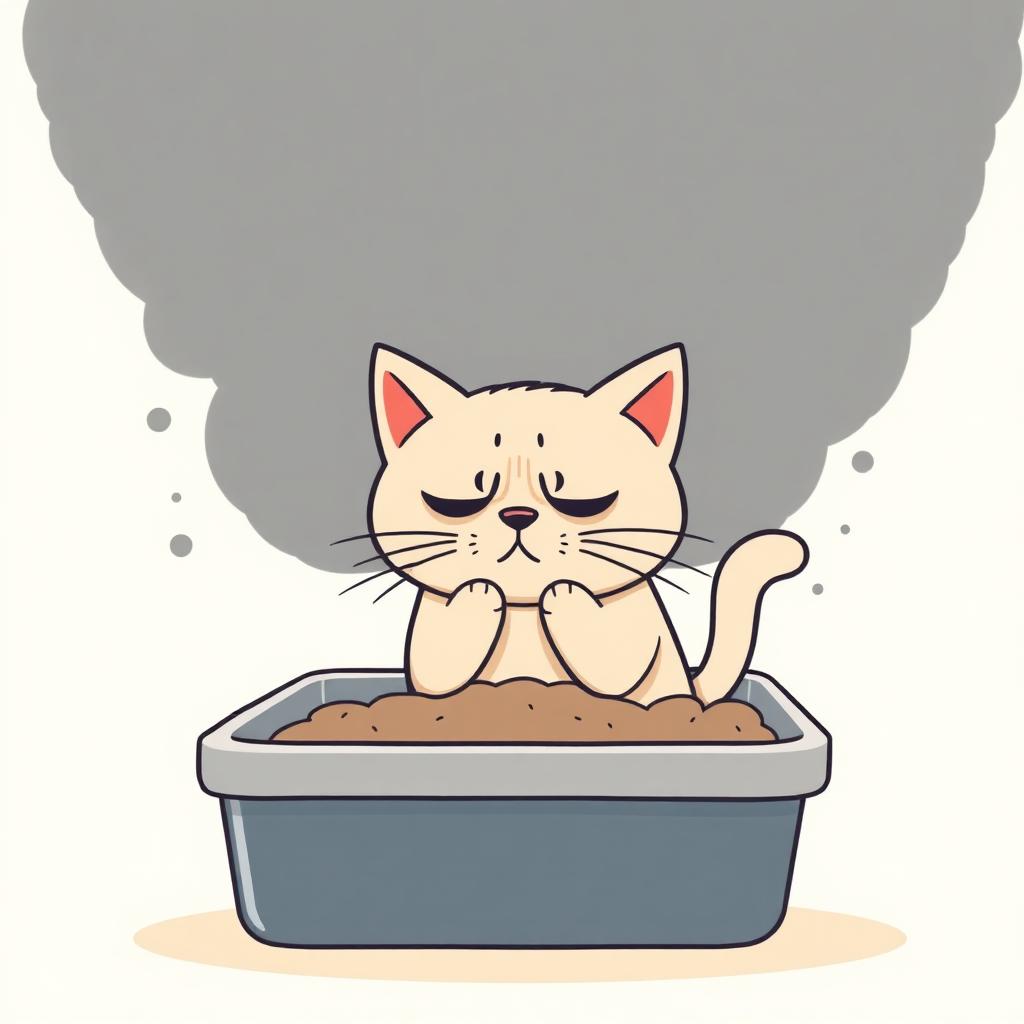
- Your cat licks, shakes, or chews their paws after using the box
- Paw pads look red, dry, flaky, or sore with no obvious injury
- The litter tracks dust onto fur and skin, causing repeat exposure
- You are not sure if the problem is the litter, allergies, or an infection
- Switch to a low-dust, unscented litter and avoid abrupt changes in texture
- Wash the litter box fully before refilling so old fragrance and residue do not linger
- Check paws daily for cracks, swelling, or discharge and call your vet if skin looks infected
- If your cat does better on softer, cleaner litter, a plant-based option like NEKO may be worth trying
When litter is the problem, the paws usually tell you first
Cats are in direct contact with litter several times a day, so cat paw irritation litter problems often show up before you notice anything else. The earliest signs are usually subtle. A cat may flick one paw after leaving the box, spend longer grooming their feet, or hesitate before stepping into fresh litter. Some cats start perching on the edge of the tray to avoid digging. Others scratch less, bury waste poorly, or begin avoiding the box altogether because they associate it with discomfort. If the skin reaction is stronger, paw pads can look pinker than usual, feel dry, or develop tiny cracks around the edges. Fur between the toes may look damp from licking. Dust can also settle on the lower legs, belly, and rear, so irritation is not always limited to the feet. The key point is timing. If symptoms flare right after a litter change, after you open a heavily scented bag, or after you top up a dusty box, litter moves much higher on the suspect list. That does not make it the only possible cause, but it is one of the easiest variables to test and one of the most commonly overlooked.
What irritation from litter actually looks like
Contact sensitivity is not always dramatic. Many cats do not get obvious hives or large raw patches. Instead, you see a pattern of low-grade irritation that keeps repeating. Common signs include frequent paw licking, chewing between the toes, shaking the feet, limping for a few steps after using the tray, or grooming the belly and inner thighs more than usual. On close inspection, paw pads may be mildly red, shiny, dry, or flaky. In long-haired cats, the fur around the toes can trap fine particles, holding moisture and residue against the skin for longer. Some cats develop dandruff-like debris on the paws from excessive dryness. If irritation goes on for days, secondary problems can follow. A cat that keeps licking may create small sores, and broken skin is more vulnerable to infection. You may then notice swelling, a bad smell, discharge, or a sudden increase in pain. Behavior matters too. A cat with sore paws may stop digging, urinate over the side of the box, or choose a softer surface like a rug or bath mat. Those changes are not spite. They are often the cat choosing comfort over compliance, which is a fair criticism of the litter rather than of the cat.
Why some litters bother skin more than others
Most litter-related irritation comes down to four things: dust, fragrance, texture, and residue. Dust is the obvious one. Fine particles stick to damp paw pads, settle between the toes, and can dry out skin with repeated exposure. Fragrance is another common trigger. Added perfume may smell clean to humans, but a cat is standing in it with bare feet and a much more sensitive nose. Some litters also rely on deodorizing additives that leave residue on skin and fur. Texture matters more than many owners realize. Sharp granules, very coarse crystals, or hard pellets can be uncomfortable for cats with thin, cracked, or aging paw pads. Kittens and senior cats tend to notice this sooner. Clumping performance also plays a role. A litter that forms sticky clumps can adhere to fur and pads, increasing contact time and encouraging licking. Even a litter that is not inherently irritating can become a problem if the box is overfilled with powdery breakdown from old granules. That is why two cats can react differently to the same product. One cat has tougher pads and less grooming behavior. The other has sensitive skin, longer toe fur, or a habit of meticulous foot cleaning that turns minor exposure into a bigger issue.
Dust is not just an air issue
Owners usually think about litter dust as a breathing problem, but the skin side matters too. Fine dust settles on paw pads every time the cat digs, covers waste, or simply turns around in the box. If the cat has even slight moisture on the feet from grooming, that powder can cling surprisingly well. It then gets rubbed into the skin by normal walking and licked during grooming, creating repeated contact. In multi-cat homes, dust levels also build faster because litter breaks down more quickly under heavier use. A box can start the week reasonably clean and end it with a layer of powder at the bottom that coats every paw that touches it. The problem gets worse when owners top off litter without fully emptying the tray, because the oldest particles remain underneath. If you suspect dust, pay attention to what happens when you pour a new bag, scoop the box, or sweep nearby. A visible cloud is not a great sign. Neither is a chalky film on the box rim, mat, or floor. Gentler options tend to be low-dust, unscented, and less prone to crumbling. That does not guarantee zero irritation, but it reduces two major exposure routes at the same time: skin contact and inhalation.
How to tell whether it is the litter or something else
Paw irritation has a long list of possible causes, so it helps to think like a detective. Litter is more likely when symptoms started after a product switch, affect all four paws fairly evenly, or improve when your cat stays away from the box for a while. The pattern may also include belly or rear-leg irritation from sitting in the tray. Other causes often leave different clues. A cut, splinter, torn nail, or foreign body usually affects one paw and tends to be more painful. Yeast or bacterial infections may come with odor, swelling, or greasy debris. Parasites and environmental allergies often involve the ears, face, or widespread itching, not just the paws. Chemical exposure from floor cleaners can mimic litter irritation if your cat walks through residue after leaving the box. Even winter dryness can crack paw pads and make normal litter feel harsher than usual. If you are unsure, a simple elimination approach is useful. Remove obvious irritants first: switch to an unscented low-dust litter, deep-clean the box, and avoid scented cleaners around the tray. Then monitor for several days. If the reaction eases, that strongly suggests contact was part of the problem. If it worsens or you see open sores, it is time for a veterinary exam rather than more home experiments.
The safest way to test a new litter for sensitive paws
If you think the box is contributing to discomfort, change one variable at a time. Start by replacing the current litter with an unscented, low-dust option that feels softer underfoot. Before adding it, wash the box with mild soap and water, rinse well, and dry it fully. Skip strongly scented detergents and disinfectants. Residue from cleaning products can be as irritating as the litter you are trying to remove. For cats that are particular about box habits, a gradual transition over several days often works best, but if the current litter seems clearly irritating, some cats do better with a faster switch. Watch behavior closely. Improvement often looks like less paw licking, more normal digging, and fewer awkward steps after using the tray. Trim long fur between the toes only if your cat tolerates it well and you know how to do it safely, because trapped granules can prolong contact. A clean litter mat outside the box can help catch loose particles before they spread through the house. If you want a practical place to start, plant-based litters with low dust and no added perfume are often easier on sensitive skin. That is one reason some cats do well on products like NEKO, though the real test is always your individual cat’s response.
When the box setup is making the irritation worse
Sometimes the litter is only half the story. The rest is box management. A shallow layer can force cats to scrape against hard plastic, while a very deep layer encourages vigorous digging that throws more dust and granules onto the legs and belly. Boxes placed in damp rooms can also make litter break down faster or hold more moisture, increasing the chance of residue sticking to paws. Scoop frequency matters because urine-saturated particles and waste residue are harder on skin than fresh litter. If your cat has sensitivity, leaving the box one extra day is not a neutral act. It changes what the paws are touching every single visit. Box size matters too. Tight spaces increase contact with dirty walls and make cats stand in soiled areas while turning around. For large cats, a cramped tray can be the difference between stepping on clean litter and stepping in yesterday's clump fragments. Mats deserve a mention. Some rough plastic mats trap litter well but can feel abrasive on already irritated feet. Softer woven or fabric-style mats are often more comfortable if you still clean them regularly. The broader point is simple: a gentle litter works best when the whole setup supports it. Good litter cannot fully compensate for a dusty, crowded, overdue box.
Cats at higher risk of litter-related paw problems
Certain cats are more likely to react to a marginal litter than others. Kittens have more delicate skin and may be more bothered by coarse textures. Senior cats often have thinner paw pads, arthritis, or reduced mobility, so they spend longer adjusting their stance in the box and can be less tolerant of sharp granules. Cats with long fur between the toes trap more particles, especially if they also groom obsessively. Hairless breeds and cats with a history of skin disease can be more prone to irritation in general. Weight matters as well. Heavier cats place more pressure on the pads, which can make rough or dry litter feel harsher over time. Then there are the cats with medical overlap: allergies, autoimmune skin disease, diabetes, chronic infections, or past burns from stepping in caustic cleaners. For them, minor contact issues can become major ones quickly. If your cat falls into one of these groups, choose softness and low dust from the start rather than waiting for a reaction. Keep the box impeccably clean, inspect paws regularly, and avoid scented products around the litter area. Sensitive cats are not being difficult. They are just less willing to ignore the things their feet are telling them, which is not the worst character trait.
When paw irritation needs a vet, not another litter trial
Home changes are reasonable for mild irritation, but there is a line where you stop troubleshooting and book the appointment. See your vet promptly if a paw is swollen, bleeding, hot, or painful to the touch, if there is discharge or odor, or if your cat is limping, hiding, or refusing the litter box altogether. Deep cracks, missing skin, and sores between the toes need medical attention because infection can set in quickly. The same goes for recurring irritation that improves with one litter but never fully resolves. That may still involve litter, but an underlying skin problem could be lowering your cat’s tolerance. Your vet may look for infection, parasites, foreign material, nail disease, allergy patterns, or less common conditions affecting the paw pads. Bring useful details: when signs started, whether you changed litter or cleaners, whether all paws are affected, and photos from the worst days if the skin looks better by the time of the visit. Meanwhile, avoid applying random creams meant for humans unless your vet has approved them. Cats lick their feet, and many common products are not safe to ingest. A cleaner, gentler litter can reduce exposure, but it is not a substitute for treatment when skin has already crossed from irritated to injured.
Common questions
Can cat paw irritation litter issues cause litter box avoidance
Yes. If the litter hurts or stings the paws, some cats start avoiding the box or use it awkwardly. You might see them perch on the edge, dig less, or choose softer surfaces like rugs. Avoidance is often about discomfort, not behavior problems.
What type of litter is best for cats with sensitive paws
Most cats with sensitive paws do best with litter that is unscented, low-dust, and soft in texture. Avoid heavy perfume, very sharp crystals, and products that leave a lot of powder or sticky residue. A gentle plant-based litter can work well if your cat accepts the texture.
How fast will my cat improve after switching litter
If litter is the main trigger, mild signs may ease within a few days. More irritated skin can take longer, especially if the cat has been licking a lot. If there is no improvement after a reasonable trial or the skin looks worse, get veterinary advice.
Can scented litter irritate a cat’s paws
It can. Fragrance and deodorizing additives may bother cats with sensitive skin, especially with repeated contact several times a day. Even if the paws look normal, you may notice extra licking, shaking of the feet, or reluctance to dig.
Should I wash my cat’s paws if I think the litter is causing irritation
You can gently wipe the paws with plain water on a soft cloth if your cat tolerates it, then dry them well. Do not scrub. Avoid soaps, essential oils, or medicated products unless your vet recommends them. The bigger fix is removing the suspected irritant from the box.
One switch. Four problems, gone.
Start a NEKO subscription and get your first 7L bag for 40% off. Free shipping, delivered every 4–6 weeks. Skip, pause, or cancel anytime.