Corn vs Walnut Cat Litter: Comparing Clumps, Smell, and Tracking at Home
This comparison helps cat owners weigh performance, mess, and texture when choosing between two plant-based litter types.
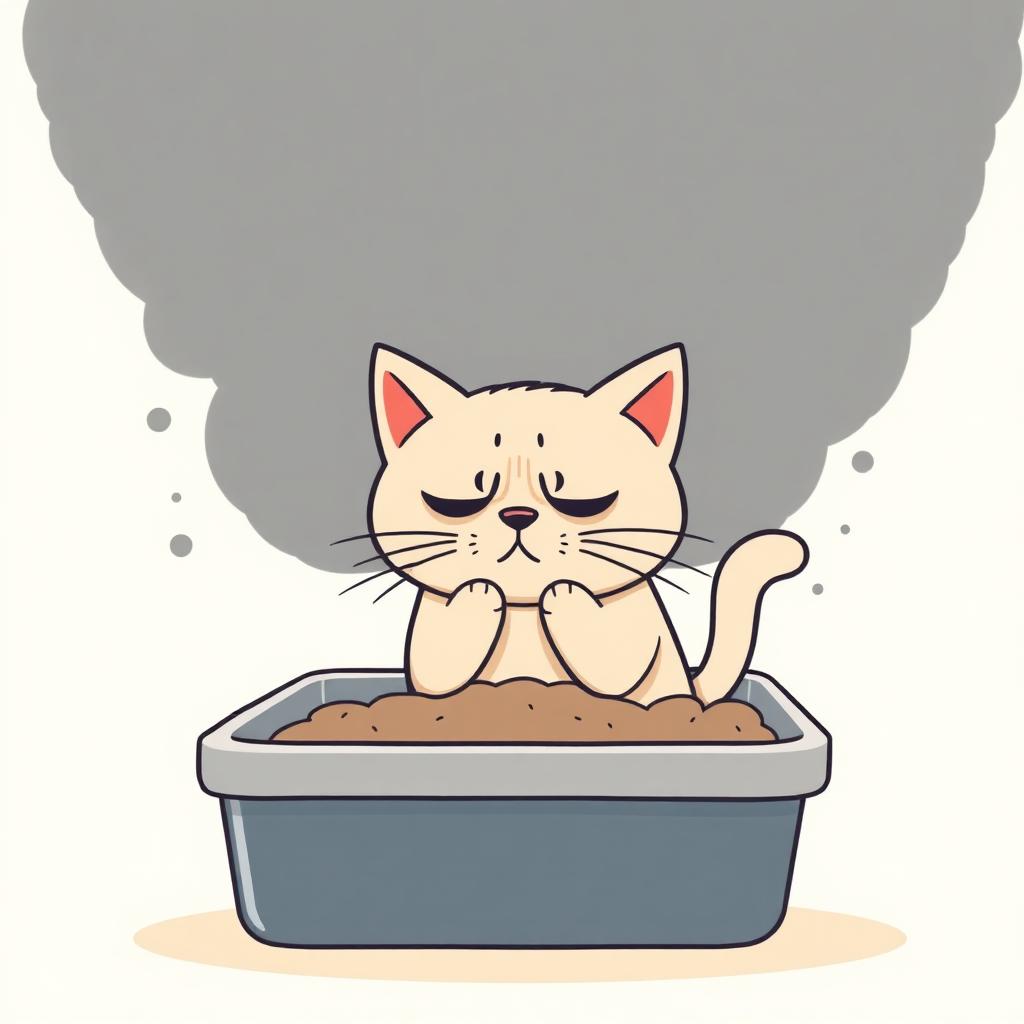
- Clumps look solid at first, then break apart during scooping
- Odor control changes fast once urine builds up at the bottom of the box
- Fine particles stick to paws and spread outside the litter area
- A litter that smells acceptable to humans can still put off a picky cat
- Choose by performance trait first: clumping, odor control, tracking, or paw feel
- Match particle size and box setup to your cat’s habits, not just the ingredient
- Keep litter depth consistent and scoop at least daily to protect clump strength
- If you want a plant-based option with low mess and fast absorption, NEKO’s tofu format is worth considering
What cat owners usually mean when they search corn vs walnut litter
Most people comparing corn vs walnut litter are not debating farming methods or ingredient labels. They want to know three practical things: which one clumps cleanly, which one controls smell longer, and which one ends up all over the floor. Those are the real decision points at home. Corn litter is usually made from processed plant material that forms relatively light clumps and tends to feel softer under paw. Walnut litter is typically made from ground walnut shells, which are darker, denser, and often better at hiding urine discoloration. Both are sold as natural alternatives to clay, but they do not behave the same once a cat starts using the box several times a day. Texture, absorbency speed, and particle size matter more than the fact that both come from plants. A confident choice starts with your cat’s habits. A high-volume urinator needs fast absorption and stable clumps. A long-haired cat needs lower tracking. A sensitive cat may reject a rough or dusty texture even if odor control is strong. Ingredient type matters, but box performance matters more. That is why this comparison needs to stay grounded in how litter behaves after a week of real use, not how attractive the bag sounds on a shelf.
Clumping performance: where the biggest differences show up
Clumping is mostly about how quickly the material grabs moisture and whether that wet zone stays intact when you lift it. Corn litter often forms lighter clumps that are easy to scoop when fresh, but some formulas can soften if urine reaches the bottom layer before enough material binds around it. That leads to the classic problem: the top looks solid, the scoop goes under, and half the clump crumbles back into the box. Walnut litter is usually denser and can form heavier clumps, especially when the particle grind is fairly even. That can be helpful for adult cats with larger urine output because the clump often holds together better during removal. The tradeoff is that some walnut litters produce flatter, broader wet patches rather than tight compact balls, so you may remove more clean litter with each scoop. Depth matters with both. A shallow fill encourages wet spots to stick to the bottom and break apart. A box with enough depth gives either material more room to absorb before it hits plastic. If clumps are your top priority, look for fast absorption, uniform granule size, and a litter bed deep enough to support clump formation. Plant-based litter can work very well, but weak maintenance habits expose weak clumping fast.
Odor control depends on absorption speed more than marketing claims
Bad litter box odor usually comes from one of two failures: urine sits exposed too long, or small broken bits of soiled litter stay behind and keep releasing smell. Corn litter often does a respectable job early because it absorbs quickly and can trap moisture before ammonia builds. But if clumps break and leave damp residue in the box, odor control drops fast. Walnut litter has a natural advantage in one practical area: its darker color can hide staining and moisture marks, though that is not the same as neutralizing odor. In many homes, walnut performs well because it handles repeated use without looking saturated immediately, and the shell material can absorb a decent amount before obvious odor appears. Still, the winner depends on the cat and the cleaning routine. In a single-cat home with diligent scooping, either can be acceptable. In a busy box with inconsistent scooping, the litter that leaves less residue usually smells better by day three or four. Covered boxes can complicate this because trapped humidity can make both materials work harder and smell stronger to the cat than to you. If odor control is the main issue, the best fix is not just switching ingredients. It is pairing a good absorber with daily scooping, enough depth, and full litter replacement before the bottom layer turns into a damp history of poor decisions.
Tracking around the house: particle shape wins or loses this battle
Tracking is less about whether a litter is natural and more about the size, weight, and shape of each piece. Corn litter is often lighter and can cling to paws, fur, and the spaces between toe beans, especially if the formula uses small granules. That means more pieces outside the box after a cat covers aggressively or launches out like it has somewhere important to be. Walnut litter varies a lot by grind. Finer walnut products can behave almost like dark sand and travel farther than you expect. Coarser walnut tends to stay put better because the pieces are heavier and less likely to hitch a ride, but rougher particles are not every cat’s favorite texture. The box setup matters almost as much as the litter. A large mat with actual depth, not a decorative afterthought, catches far more debris than a small flat one. High-sided boxes help with digging scatter, while top-entry designs can reduce exits with loaded paws for some cats and annoy others. Long-haired cats often turn any fine litter into a home delivery service. If tracking is your top complaint, compare particle size before comparing eco claims. This is one place where pellet-style plant litters, including tofu-based formats such as NEKO, can honestly have an edge because larger pieces are typically less likely to migrate through the house.
Texture and acceptance: the best litter on paper still fails if your cat hates it
Cats care about foot feel more than most humans realize. A litter can have excellent odor control and still lose if it feels sharp, unstable, or dusty under paw. Corn litter often feels softer and more familiar to cats that prefer fine or lightweight textures. That can help during transitions away from clay because the change in feel is less dramatic. Walnut litter can be a little more variable. Some cats accept it immediately, while others dislike the coarser or slightly gritty texture, especially if the grind is uneven. The color can also matter in an indirect way. Dark litter makes it harder for owners to spot small stool fragments or urine changes, which matters if you monitor health through the box. On the other hand, some cats seem less bothered by a litter that visually hides prior use, particularly in multi-cat situations where a pristine-looking surface can encourage return visits. Kittens, senior cats, and declawed or mobility-limited cats can be more sensitive to texture than healthy adults. If your cat has ever refused pellet litter, a coarse walnut formula may be a hard sell. If your cat kicks fine material everywhere, very soft corn may create a mess problem even if acceptance is high. The right answer is the one your cat uses consistently without stress behaviors such as hovering, perching on edges, or eliminating next to the box.
Dust, cleanup, and what happens after a week of real use
The first pour tells you very little. The useful test happens after several days of scooping, moisture buildup, and repeated scratching. Corn litter can start relatively tidy but produce more small fragments over time if clumps fracture. Those fragments mix into the clean litter bed and create the stale smell many owners blame on the ingredient itself. Walnut litter can be cleaner to scoop when clumps stay intact, but some formulas shed fine dark dust or leave visible residue on pale floors and litter mats. That is not dangerous by definition, but it is annoying, and the cleanup is more obvious than with lighter-colored materials. Both litter types can stick to the bottom of the box if depth is too shallow or the box is left too long between scoops. A nonstick box interior helps, but maintenance still does most of the work. Good litter should not require chiseling. If you have to scrape regularly, either the absorption speed is poor for your cat’s output or the bed is too thin. Weekly reality also exposes smell rebound. A litter may seem fine on day one and noticeably tired by day five once residual fines accumulate. When comparing options, judge how the box looks and smells after several normal days, not after a fresh full change. Litter that ages gracefully saves more effort than litter that performs only in its opening scene.
Which type works better in small apartments, multi-cat homes, and busy routines
Context changes the answer. In a small apartment, odor and tracking usually matter more than almost anything else because there is nowhere for mistakes to hide. If your cat tracks heavily, a lighter corn litter can become a daily floor issue unless paired with a very good mat and a contained setup. Walnut may control visible mess better if the particle size is coarser, though darker residue can show more on light surfaces. In multi-cat homes, clump durability becomes critical. Boxes get used back to back, and weak clumps get crushed before you ever scoop them. Walnut often has an advantage there if the formula forms sturdy clumps under repeated traffic, but individual products vary enough that the ingredient alone is not a guarantee. For owners with a busy routine, forgiving litter matters. If you miss a scoop, which material turns into a swamp first. Usually the one that leaves more residue and allows damp fines to build. Box size also matters more in multi-cat setups than people want to hear. Even good litter struggles in undersized boxes because cats concentrate urine in the same area and overwhelm the bed. If your home needs a lower-mess plant-based option with easy daily handling, this is where tofu litter can make practical sense. It is not magic, but larger uniform pieces often simplify tracking and cleanup compared with very fine corn or walnut formats.
How to choose between them without wasting money on trial and error
Start with the problem that bothers you most, then choose the litter type that best addresses that specific issue. If your main frustration is broken clumps, test the denser option first and keep the bed deep enough to support proper binding. If your issue is tracking, avoid very fine grinds regardless of ingredient and prioritize larger particles or pellet-like shapes. If cat acceptance is uncertain, transition slowly over about a week by mixing the new litter into the old rather than making a sudden swap and hoping for cooperation. Use the same box, same location, and same depth during the test so you are evaluating the litter rather than a changed environment. Watch what actually happens: Does the cat dig normally, cover normally, and return without hesitation. Do clumps lift cleanly after several hours, not just immediately after one use. Is the floor cleaner after three days. Those observations tell you more than any front-of-bag promise. Also remember that there is no prize for loyalty to a raw ingredient. If corn tracks too much and walnut feels too rough for your cat, a different plant-based format may fit better. NEKO’s tofu litter is one honest example because its larger, uniform pieces are designed to reduce mess while still absorbing quickly. The smartest comparison is not natural versus natural. It is which litter causes the fewest problems in your specific home.
Common questions
Which is better: corn vs walnut litter for odor control?
It depends on clump integrity and cleaning habits more than the ingredient alone. Corn can control odor well when it absorbs fast and clumps stay intact. Walnut can hold up better in some busy boxes, especially if clumps remain solid under repeated use. If either leaves damp residue behind, odor will build quickly.
Does walnut litter track less than corn litter?
Often, but not always. Coarser walnut litter usually tracks less because the particles are heavier. Fine walnut can still travel. Many corn litters use lighter granules, which can stick to paws more easily. Particle size and your cat’s coat type matter as much as the base ingredient.
Is corn vs walnut litter safer for cats with sensitivities?
The safer choice is usually the one with lower dust, a comfortable texture, and reliable acceptance. Some sensitive cats prefer the softer feel of corn. Others do fine with walnut if the grind is not too coarse. If your cat has respiratory or paw sensitivity, avoid dusty formulas and change litters gradually.
Which clumps harder, corn or walnut cat litter?
Walnut often forms denser, heavier clumps, which can help with clean scooping. Corn can clump well too, but some formulas make lighter clumps that break more easily if the box is shallow or the litter is left too long. The specific formula and litter depth make a big difference.
What if my cat dislikes both corn and walnut litter?
Try a different texture rather than giving up on plant-based litter entirely. Some cats dislike very fine granules, while others reject coarse gritty material. A tofu-based litter can be a practical middle ground because it is typically low mess, absorbent, and more uniform in shape than many loose natural litters.
One switch. Four problems, gone.
Start a NEKO subscription and get your first 7L bag for 40% off. Free shipping, delivered every 4–6 weeks. Skip, pause, or cancel anytime.