Signs Your Cat May Be in Urinary Pain
Cats hide discomfort well, so this guide explains subtle body language and litter box behaviors linked to urinary pain.
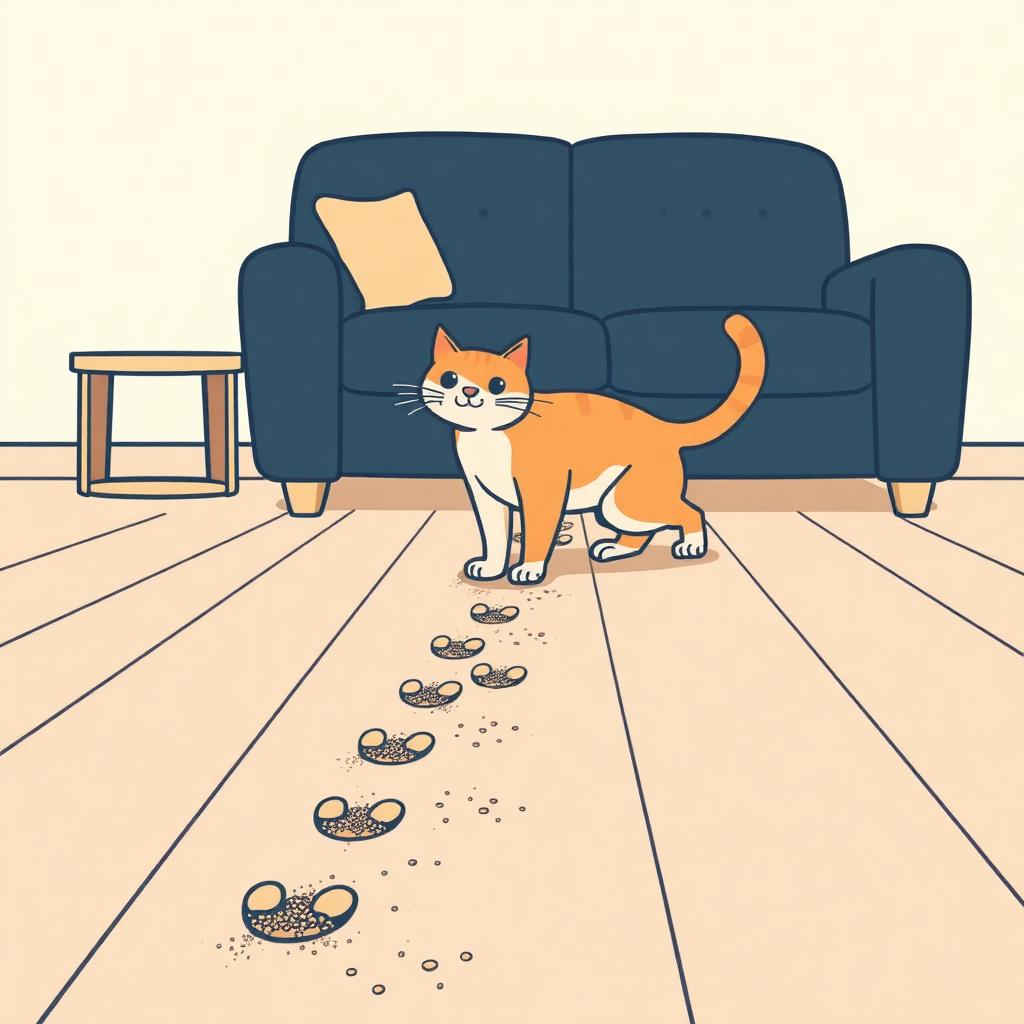
- Cats often hide urinary discomfort until the problem is already advanced.
- Small litter box changes are easy to miss, especially in multi-cat homes.
- Urinary pain can come from several causes, including stress, inflammation, crystals, or infection.
- A blocked cat can decline quickly, and waiting too long can become an emergency.
- Watch for patterns: frequent trips, straining, vocalizing, and smaller urine clumps than usual.
- Track litter box output daily so subtle changes stand out earlier, not after a crisis.
- Use a litter that makes urine clumps easy to see and scoop; that visibility helps you notice problems faster.
- Call your vet promptly for any suspected urinary pain, and seek urgent care if your cat cannot pass urine.
Why cat urinary pain signs are easy to miss
Cat urinary pain signs are often subtle because cats are built to hide weakness. A cat with bladder discomfort may still eat, greet you at the door, and jump on the sofa, while quietly making six unproductive trips to the litter box. That is why owners often notice the mess on the bath mat before they notice the medical issue. The problem is not bad behavior. It is usually a cat trying to avoid a place associated with pain, or trying repeatedly to urinate with very little success. The earliest clues are often about pattern, not drama: more box visits, longer time squatting, tiny clumps instead of normal ones, licking the genital area, or a sudden preference for cool, smooth surfaces like tile. In multi-cat homes, this gets harder because you may not know which cat produced which clump. A good rule is simple: any noticeable change in litter box frequency, posture, output, or comfort level deserves attention. Urinary pain can be caused by inflammation, crystals, stones, infection, or a urethral blockage. Those conditions do not all look identical, but they often start with the same quiet message: your cat is trying to pee, and it does not feel normal.
Litter box behaviors that point to pain, not stubbornness
The litter box usually tells the story first. A cat in urinary pain may enter and exit the box repeatedly, dig frantically, squat for longer than usual, or produce only a few drops at a time. You might see multiple tiny clumps where you would normally expect one or two larger ones. Some cats vocalize while urinating, turn to look at their flank, or shoot out of the box as if something hurt. Others begin urinating just outside the box, on rugs, laundry, or the bathtub. Owners often read that as spite. Cats do not write protest letters in urine. More often, they are associating the box with discomfort or urgently choosing a nearby surface when the urge hits. Blood can appear as pink-tinged spots, orange-brown staining, or very small clumps with darker centers, though not every painful urinary problem causes visible blood. If you use a highly perfumed litter or one that masks clump shape, these clues can be harder to spot. A litter that forms clear clumps and allows you to monitor output can make a real difference. That is one practical reason many owners prefer simple, low-dust formulas such as tofu litter like NEKO: less noise, less masking, more visibility.
Body language clues outside the litter box
Cats do not need to be in the box to show urinary pain. Outside it, the body language can look vague unless you know what to watch for. Common clues include crouching with a tense abdomen, walking stiffly, hiding more than usual, or settling into a hunched posture instead of fully relaxing. Some cats repeatedly lick the genital area or lower belly because the sensation is irritating. Others seem restless, unable to get comfortable, and rotate between the box, the floor, and a hiding spot. You may notice less grooming overall, or the opposite: compulsive grooming of the painful area. Appetite can drop, but not always at first. A usually social cat may become withdrawn, or a quiet cat may grow unusually clingy. Pain can also make a cat seem irritable when picked up around the belly. Watch their breathing and facial expression too. A painful cat may keep the ears slightly out to the side, whiskers forward, and eyes half-open in a guarded way. None of these signs prove a urinary problem on their own, but a cluster of them alongside litter box changes is meaningful. Cats are subtle. That does not mean the problem is minor.
What is happening inside the urinary tract
Urinary pain is not a single disease. It is a symptom that can come from several different processes in the bladder or urethra. In many cats, especially younger to middle-aged adults, the bladder becomes inflamed without a simple bacterial cause. Stress often plays a role, and the bladder lining becomes irritated, making the urge to urinate feel constant and painful. Some cats develop crystals or stones that scrape and inflame the urinary tract. Others, especially males, can have debris, mucus, crystals, or stones partially or fully obstruct the urethra. Infection is possible too, though it is less common in otherwise healthy younger cats than many owners assume. The reason these problems look similar is that they all irritate a system designed to hold and pass urine smoothly. When the lining is inflamed or the outflow is narrowed, the bladder contracts more often, the urge becomes urgent, and only tiny amounts may come out. That is why straining can mean very different things medically, from inflammation that needs prompt care to a blockage that is life-threatening. You cannot diagnose the cause by guesswork alone. Vets usually sort this out with an exam, a urine sample, and sometimes imaging.
When urinary pain becomes an emergency
The red-flag situation is a cat that is trying to urinate and cannot pass urine, or is producing only droplets despite repeated straining. This is especially urgent in male cats because their urethra is narrower and more likely to block. A blocked cat may make frequent box trips, vocalize, lick the area, vomit, hide, or become suddenly weak. The belly can feel tense and painful. This is not a wait-until-morning problem. A complete blockage can become critical fast because waste products build up and the bladder remains under pressure. If your cat is straining in the box, assume urinary trouble first, but know there is one confusing detail: severe constipation can also look like straining. Either way, if your cat seems distressed and is not producing normal urine, call a vet immediately. It is safer to be embarrassingly cautious than impressively late. Visible blood in the urine, sudden accidents in a previously tidy cat, or a dramatic increase in litter box trips also deserve prompt veterinary advice even if urine is still coming out. Painful urination is never something to monitor casually for several days.
What to do at home while you arrange veterinary care
First, observe and document. Note how often your cat goes to the box, whether urine is actually produced, whether there is vocalizing, blood, or licking, and when the change started. If you can, take a quick video of the straining or repeated box visits. That can help your vet, especially if your cat acts perfectly normal in the exam room, which many cats do out of spite for accuracy. Offer fresh water in more than one location and keep the environment calm, but do not force food, medications, or home remedies. Human pain relievers are dangerous for cats, and random supplements can muddy the picture. Make the litter box easy to access, clean, and quiet. In a multi-cat home, separate the symptomatic cat if possible so you can monitor output. Scoop frequently and look at clump size. This is where litter choice matters more than people think. If clumps are distinct and easy to count, changes are easier to catch. Avoid strong fragrances or dusty litters that may discourage a sore cat from using the box. NEKO’s plant-based tofu litter can help with visibility and cleanup, but it is not a treatment. The treatment is a veterinary diagnosis. Your job at home is to lower stress, gather useful information, and move quickly.
Why some cats get recurring urinary flare-ups
Recurring urinary pain often has more than one trigger. Stress is a major one. Cats are creatures of routine, and bladder flare-ups can follow household tension, moving, travel, construction noise, schedule changes, new pets, or even a litter box setup they suddenly dislike. Hydration also matters. Cats naturally have a low thirst drive, so concentrated urine can be more irritating to the bladder and may make crystal formation more likely in some cases. Box hygiene counts too. If the box is dirty, placed near a washing machine, or guarded by another cat, some cats delay urinating, which does not help an already sensitive bladder. Male cats deserve extra caution because their anatomy raises the stakes if inflammation or debris narrows the urethra. Prevention usually works best as a package: encourage water intake, feed the diet your vet recommends, reduce stressors, keep boxes plentiful and clean, and watch output instead of waiting for obvious distress. The usual box rule is one per cat plus one extra, placed in separate easy-to-reach spots. If your cat has had urinary trouble before, routine observation becomes part of care. You are not being paranoid. You are doing quality control on a very quiet system.
Advanced monitoring tips that help you catch problems earlier
Owners who catch urinary issues early tend to notice tiny deviations, not dramatic scenes. Start by learning your cat’s normal. How many times a day do they usually urinate. What size are the clumps. Do they spend ten seconds in the box, or thirty. Normal varies by cat, but once you know the baseline, change becomes easier to spot. In multi-cat homes, periodic solo-box time can help identify who is producing what. Weighing your cat regularly matters too, because chronic pain or recurrent urinary disease can affect appetite and body condition over time. Keep a simple note in your phone if your cat has a history of urinary problems: date, signs seen, litter box changes, diet changes, stress events, vet findings. Patterns appear faster on paper than in memory. Consider the setup around the box. High sides may help one cat and discourage another with pain or stiffness. Covered boxes can trap odor and stress some cats. Strong litter perfume can be enough to tip a sensitive cat into avoidance. A low-dust, unscented litter with clear clumping gives you better information with less guesswork. None of this replaces a veterinary exam, but it does shorten the time between first clue and action. With urinary pain, that time matters.
Common questions
What are the most common cat urinary pain signs?
The most common cat urinary pain signs are frequent litter box trips, straining, crying or vocalizing while urinating, very small urine clumps, licking the genital area, and peeing outside the box. Some cats also hide, hunch, or seem restless. If your cat is trying to pee and little or nothing is coming out, contact a vet right away.
How can I tell if my cat is straining to pee or to poop?
It can be hard to tell because the postures look similar. Watch where the effort happens and what comes out. A cat with urinary trouble usually makes repeated box trips, produces tiny clumps or drops, and may lick the genital area. A constipated cat may pass little or no stool and strain longer. Either problem warrants prompt veterinary advice if your cat seems distressed.
Is peeing outside the litter box a sign of urinary pain?
Yes, it can be. Cats with urinary pain often avoid the box because they associate it with discomfort, or they feel an urgent need and cannot make it in time. Sudden accidents in a previously reliable cat should not be dismissed as behavior first. Rule out a urinary problem with your vet before treating it as a training issue.
Do male cats have a higher urinary risk than female cats?
Male cats are at higher risk of dangerous urethral blockage because their urethra is narrower. Both male and female cats can have painful bladder inflammation, crystals, stones, or infection, but a male cat who is straining and not producing normal urine is an emergency. Do not wait to see if it resolves on its own.
Can a different litter help me notice urinary problems sooner?
It can help with monitoring, not treatment. A litter that forms visible clumps, creates less dust, and is not heavily perfumed makes it easier to notice smaller output, blood, or extra box visits. That is one reason some owners choose simple tofu litter formulas like NEKO. If you suspect pain, though, the next step is still a vet exam.
One switch. Four problems, gone.
Start a NEKO subscription and get your first 7L bag for 40% off. Free shipping, delivered every 4–6 weeks. Skip, pause, or cancel anytime.