Tofu vs Grass Cat Litter: How They Compare for Dust, Clumping, and Smell
This guide breaks down the everyday differences between tofu and grass litter so you can pick the right plant-based option.
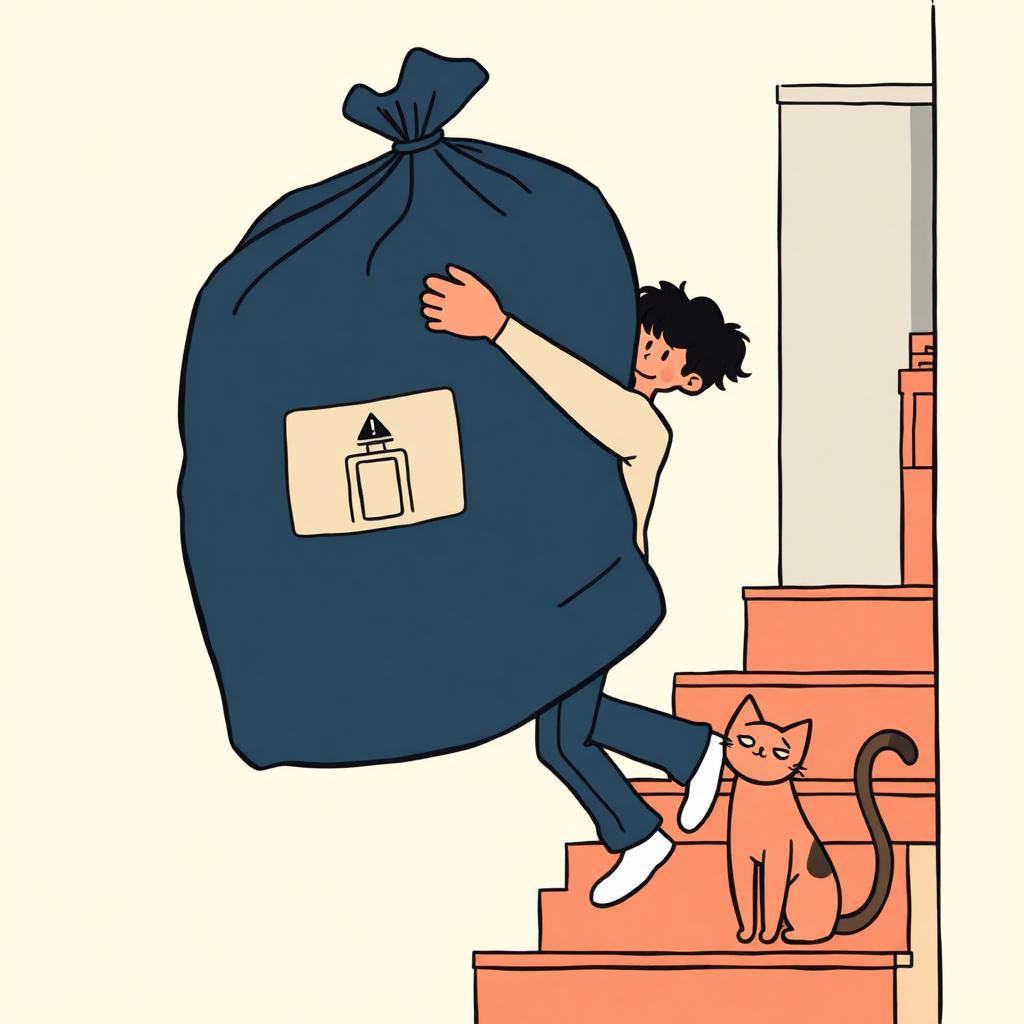
- Plant-based litters can look similar online but behave very differently in the box
- Some low-dust formulas still track badly or break apart during scooping
- Odor control often depends more on clump structure than the marketing on the bag
- A litter your cat dislikes can create box avoidance, even if it seems eco-friendly
- Compare pellet shape, moisture absorption, and clump strength before switching
- Match the litter to your home: small apartments need stronger odor control and cleaner scooping
- Transition gradually over several days so your cat accepts the new texture and scent
- If you want a plant-based option with firm clumps and low dust, a quality tofu litter like NEKO is often the easier daily-use choice
What tofu vs grass litter really means in daily use
When people search tofu vs grass litter, they usually are not asking about raw ingredients. They are asking a much more practical question: which one is less annoying to live with every day. Both are plant-based alternatives to clay, but they tend to feel and perform differently once urine, stool, paws, and a litter scoop are involved. Tofu litter is typically made from soy byproducts pressed into pellets or small granules. Grass litter is usually made from grass fibers or grass seed material processed into lightweight particles. That difference in structure matters. Tofu pellets often absorb liquid into a tighter, more defined mass. Grass litter often starts out soft and light, which many cats accept easily, but some formulas can scatter more and create looser clumps. Neither material is automatically better in every home. A quiet single-cat household may do well with either. A busy apartment with one box and strong odor concerns usually exposes weaknesses fast. The real comparison comes down to three things: how much dust the litter creates during pouring and digging, whether the clumps stay intact during scooping, and how well the box smells on day three instead of day one.
Dust: why particle shape matters more than the label
Dust control is one of the biggest reasons people leave clay litter, but not all plant-based litters solve it equally well. Tofu litter often has an advantage because many formulas are extruded into denser pellets. Heavier particles usually create less airborne dust when you pour the bag, top off the box, or watch your cat perform its usual excavation project. Grass litter tends to be lighter and finer. That can feel soft under paw, but lighter particles are easier to kick up and easier to spread outside the box. The tricky part is that “low dust” on packaging can mean low visible dust in ideal conditions, not after half a bag has rubbed against itself and created fines. Dust also builds over time as particles abrade and clumps are broken. If anyone in the home has allergies or asthma, this is not a minor issue. Watch the box during refill, then again after a week of use. Fine haze, residue on dark floors, and a dusty scoop are better indicators than marketing. High-quality tofu litter is often cleaner here, especially if the pellets hold their shape instead of crumbling. If your priority is the least airborne mess, tofu usually wins the dust comparison.
Clumping performance comes down to absorption speed and structure
Good clumping is less about convenience than sanitation. A litter that forms a tight clump removes more urine from the box, leaves behind less damp residue, and slows odor buildup. Tofu litter generally clumps by pulling liquid into the pellet matrix and binding it into a compact mass. When the formula is well made, the result is a scoopable clump that lifts cleanly with less sticking to the tray bottom. Grass litter can absorb quickly too, but clump strength is where performance often varies. Some grass formulas form soft clumps that look fine for an hour and then shear apart when you try to lift them. That means small wet fragments stay behind and start affecting the rest of the box. In a single-cat setup with frequent scooping, you might not mind. In a multi-cat home, weak clumps become work fast. They also force you to replace the whole box sooner because moisture spreads through the clean litter. If you test the two side by side, do not judge them only right after the first use. Scoop at different times: immediately, after a few hours, and the next morning. A litter that remains intact on a delayed scoop is usually the one that saves more time and keeps the box cleaner across the week.
Smell control is usually about waste removal, not perfume
Odor control in cat litter is often misunderstood. Strong fragrance is not the same thing as effective odor control, and many cats actively dislike perfumed litters. The better question is whether the litter limits the exposure of urine and stool to air. Tight clumps help by trapping moisture in a smaller mass that can be removed before ammonia odors spread. This is one reason tofu litter often performs well in smaller homes. If it forms a firm clump and absorbs moisture quickly, the box stays drier between scoops. Grass litter can smell pleasantly neutral when fresh, but if the clumps are softer or if urine spreads wider before binding, odor usually catches up sooner. Stool odor is another issue. Some plant fibers do a decent job muting smell for a short period, but no litter can truly hide uncovered stool in a neglected box. The practical rule is simple: scoop at least once daily, keep enough depth in the tray, and watch for damp bits left behind after scooping. Those leftovers are often the real source of persistent smell. If your box starts smelling sour even after regular maintenance, the problem is usually clump failure or saturation, not a lack of fragrance.
Tracking, paw feel, and whether your cat will actually use it
The best litter on paper fails if your cat hates the texture. This is where grass litter sometimes gains points. Its lighter, finer texture can feel more similar to what many cats naturally prefer for digging. Some cats take to it immediately, especially kittens or cats that dislike larger pellets. Tofu litter, depending on the cut and shape, can feel chunkier under paw. That does not bother many cats, but very texture-sensitive cats may need a slower transition. On the other hand, softer and lighter usually means more tracking. Grass particles can cling to paws and fur, especially in long-haired cats or enthusiastic diggers. Tofu pellets often track less because the pieces are larger and heavier, though broken bits can still travel outside the box. Box setup also matters. A high-sided box, a litter mat, and enough litter depth can reduce mess more than switching formulas repeatedly. If your cat is older, arthritic, or declawed, prioritize soft landing and easy digging over everything else. If your cat is healthy but your floor is constantly covered in litter, weight and particle size matter more. The right answer is not purely about performance metrics. It is about the balance between your cat’s acceptance and your tolerance for sweeping the same patch of floor every day.
Which litter tends to work better in small apartments, multi-cat homes, and automatic boxes
Context changes the answer. In a small apartment, low dust and strong odor control usually matter more than anything else because the litter box shares air with the rest of your life. Tofu litter often fits that environment well if the clumps are firm and the dust stays low. In multi-cat homes, clump durability becomes critical. A litter that works fine for one cat can fail quickly when several cats add repeated moisture and constant traffic. Tofu is often the safer choice here because better clumps mean less wet breakdown and fewer full-box resets. Grass litter can still work, but it usually demands more attentive scooping and more frequent refreshes. Automatic litter boxes are another edge case. Some systems handle pellet-style litters poorly, while others struggle with lightweight particles that shift unpredictably or break apart. Before switching, check your box manufacturer’s guidance and test a small amount first. Flushability is also worth caution. Even if a plant-based litter is marketed as flushable, plumbing systems vary and many vets and plumbers recommend avoiding routine flushing entirely. For homes where reliability matters more than experimentation, a dense, low-dust tofu litter is often the simpler option. That is one reason products like NEKO can make sense for cat owners who want plant-based without creating extra maintenance.
How to switch from grass to tofu, or tofu to grass, without box drama
Most litter transitions fail because the change is too abrupt. Cats care about smell, texture, and routine more than humans expect. If you are moving from grass to tofu or the other way around, start by mixing a small amount of the new litter into the old. A common approach is to begin with mostly familiar litter and increase the new type every day or two over roughly a week. Sensitive cats may need longer. Keep the box in the same place, keep cleaning frequency consistent, and do not switch box style at the same time unless you enjoy solving multiple problems at once. Watch for signs that the texture is the issue: standing on the edge, scratching outside the box, urinating but not burying, or holding waste longer than usual. If that happens, slow the transition instead of forcing it. For households with two boxes, offering one with the old litter and one with a gradual mix can help you see genuine preference. Also check depth. Some cats reject a new litter simply because it is too shallow or too deep. A smooth transition is usually less about brand loyalty and more about respecting how cautious cats are with bathroom changes.
How to evaluate a plant-based litter after one week, not one scoop
A litter should be judged over several days of normal use, not by a first impression from a clean box. Start with four checks. First, pour dust: is there visible haze when you fill or top off the box. Second, clump integrity: can you scoop urine clumps without them splitting and leaving damp debris. Third, odor on a delayed schedule: how does the box smell the morning after a busy day, not right after cleaning. Fourth, tracking: how much ends up outside the box after repeated visits. It also helps to look at waste on the scoop. If the clump smears, sticks heavily to the pan, or crumbles through the slots, maintenance will get old quickly. Check the bottom corners of the tray too. That is where weak clumps reveal themselves. By day five to seven, most litters show their true behavior. Some start clean but degrade as fines accumulate and moisture spreads. Others stay stable with only minor top-offs. If you want a simple rule, choose the litter that leaves the driest box and requires the least corrective effort. For many homes, that points toward tofu. Grass can still be a good fit, especially for cats that prefer a finer texture, but it needs to earn its place past the first scoop.
Common questions
Is tofu vs grass litter better for odor control?
Usually, tofu litter has the edge because it often forms tighter clumps that remove more urine cleanly. Better clumps mean less damp material left behind to create odor. Grass litter can smell neutral at first, but if clumps break apart or spread moisture, odor tends to build faster. Daily scooping matters with both.
Does grass litter create more dust than tofu litter?
Often yes, though it depends on the formula. Grass litter is usually lighter and finer, which can mean more airborne particles during pouring and more loose bits after digging. Tofu litter is commonly made in denser pellets, so it tends to stay more settled and produce less visible dust over time.
Which clumps better: tofu or grass cat litter?
Tofu litter typically clumps more firmly and holds together better during scooping. Grass litter can absorb quickly, but some formulas make softer clumps that break apart if you scoop later. If you want cleaner removal and less residue left in the box, tofu is usually the more reliable option.
Will cats prefer grass litter because it feels softer?
Some do. Cats that are sensitive to texture may like grass litter because the particles are often finer and softer under paw. Others use tofu litter without hesitation. If your cat is picky, transition slowly and watch behavior around the box instead of assuming any plant-based litter will feel the same.
Is tofu litter or grass litter better for multi-cat homes?
In many multi-cat homes, tofu litter works better because stronger clumps and lower dust hold up under heavier use. Grass litter can work, but weak clumps become a bigger problem when several cats use the same box. The more traffic you have, the more important scoopable, durable clumps become.
One switch. Four problems, gone.
Start a NEKO subscription and get your first 7L bag for 40% off. Free shipping, delivered every 4–6 weeks. Skip, pause, or cancel anytime.