Small Urine Clumps in the Litter Box: When to Worry
Learn what tiny or unusually frequent clumps may mean and how to tell normal variation from a urinary red flag.
- You’re seeing tiny clumps, more clumps than usual, or both.
- It’s hard to tell normal litter-box variation from a urinary problem.
- Cats can look fine while developing bladder irritation or blockage.
- Multi-cat homes make it difficult to know which cat is producing what.
- Track clump size and frequency for 24–48 hours instead of guessing from one scoop.
- Watch for straining, repeated box trips, licking, crying, or peeing outside the box.
- Increase moisture intake with wet food and fresh water; hydration often changes clump size fast.
- Use a low-dust clumping litter that makes urine output easy to see, such as NEKO if your cat tolerates it well.
What small clumps can mean in a cat litter box
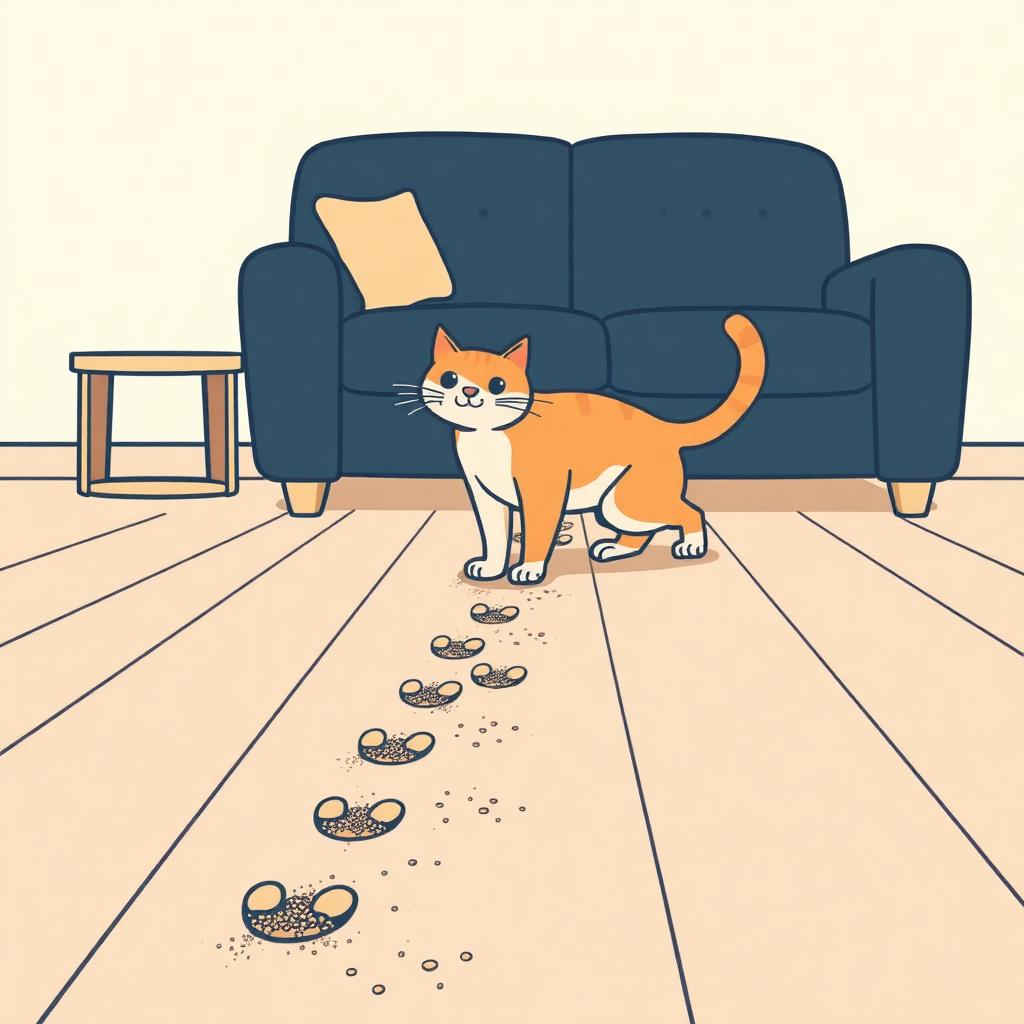
Seeing a small urine clumps cat pattern is not automatically an emergency. Sometimes the clumps are small because your cat truly produced a small amount of urine. That can happen after a short nap, a recent normal pee, a warm day with mild dehydration, or a diet shift that changes water intake. Some litters also make clumps look smaller or tighter than others, especially if they absorb quickly and compact hard. The problem is frequency and context. A single tiny clump is usually not the issue. Multiple tiny clumps over a few hours, especially with repeated trips to the box, can point to bladder irritation, stress cystitis, crystals, infection, or partial obstruction. Cats do not always advertise pain clearly. Many simply squat often, leave little deposits, and walk out acting almost normal. The first question is not “Is this clump too small.” It is “Is my cat making many small clumps, straining, or changing behavior.” If your cat is visiting the box more often than usual, licking the genitals, vocalizing, crouching for a long time, or producing tiny clumps with little output, take it seriously. For male cats in particular, small frequent clumps can be the early stage of a blockage, and that can become urgent fast.
What normal urine output variation looks like
Normal is broader than most owners think. Clump size changes with body size, food moisture, activity, weather, and timing. A cat eating mostly wet food often produces larger, heavier clumps than a cat eating only dry food. A cat that drinks right after play may make one larger clump later and then several smaller ones across the day. Senior cats can also have changing patterns, especially if they have kidney disease, diabetes, or thyroid disease. Litter itself matters more than people realize. Different materials spread differently on contact. A highly absorbent litter can pull urine into a compact puck. A lightweight litter may create flatter clumps. Depth matters too. In a shallow box, urine can hit the bottom before fully clumping and break apart during scooping, which makes output look smaller than it was. That is why one odd scoop is weak evidence. Look at the pattern over at least a day. Ask: how many clumps are there, how big are they compared with this cat’s usual output, and is the box behavior different. If your cat produces a few small clumps but otherwise acts normal, eats well, and is not making frequent box trips, that may be ordinary variation rather than a medical red flag.
Why tiny or frequent clumps can signal a urinary problem
A healthy bladder stores urine and empties in a reasonably efficient stream. When the bladder lining is inflamed, that system gets messy. Inflammation makes the bladder feel full before it really is, so the cat squats often and passes only a small amount. Crystals, mucus, or spasm can narrow the urethra and reduce flow. The result in the litter box is classic: many small clumps instead of a few normal ones. Feline idiopathic cystitis is a common cause, especially in stressed indoor cats. It can appear suddenly and cause urgency, straining, blood tinging, and peeing outside the box. Bacterial infection is less common in younger cats than many owners assume, but it becomes more likely in older cats and those with other health issues. Bladder stones can irritate the lining and create the same pattern. The most dangerous possibility is urethral obstruction, especially in male cats. A blocked cat may still enter the box repeatedly and produce only drops or nothing at all. Owners sometimes mistake this for constipation because the cat strains. If you see repeated unsuccessful squatting, crying, a tense painful belly, vomiting, lethargy, or your male cat is making almost no urine, that is same-day emergency care territory. This is not the kind of problem to “monitor over the weekend.”
How to tell whether the clumps are truly getting smaller
Most people rely on memory, and memory is terrible at litter-box math. If you are concerned, gather better evidence. Scoop on a regular schedule for the next day or two and note the number of urine clumps, their rough size, and any behavior you observe. You do not need a spreadsheet worthy of a tax audit. “Five pea-to-walnut clumps overnight, cat in box every hour” is already useful. So is “three normal clumps in 24 hours, eating and acting fine.” If you have one cat, take a quick photo before scooping. A coin or scoop placed near the clumps can help you compare size from one check to the next. If you have multiple cats, things get trickier. Temporarily separate the cat you are watching with its own box, food, and water if possible. Even 12 to 24 hours of individual monitoring can clarify a lot. Also inspect the box setup. Keep at least a few inches of litter so urine can clump before reaching the base. If your current litter crumbles or smears, it becomes hard to judge output. A clumping litter with clear, tight clumps makes trend-spotting easier. That is one reason some owners like tofu-based formulas such as NEKO: if the clumps stay defined, you can see changes instead of guessing through dust and mush.
Behavior changes matter more than clump size alone
The litter box is only one piece of the puzzle. A cat that makes small clumps but behaves completely normally is lower concern than a cat producing similar clumps while showing discomfort. Watch for repeated box visits, long squatting, getting in and out without much result, genital licking, hiding, irritability, or sudden accidents on rugs, bathtubs, or laundry. Cats often choose smooth or cool surfaces when urination hurts. That is not spite. It is a symptom. Appetite and energy help you sort urgency. A cat with mild bladder irritation may still eat and interact normally, though it may be more restless. A cat that is blocked or becoming systemically unwell often looks dull, nauseated, withdrawn, or painful. Vomiting with urinary signs is a particularly bad combination. Also remember that not every tiny clump equals pee. Some cats make a brief box visit to posture, pass only a drop, then leave. Others may scratch, sit, and produce nothing. If your cat is trying repeatedly with little or no output, focus on the effort, not the clump. Owners can get distracted by the amount they do see and miss the more important fact that the cat is failing to empty the bladder normally. In urinary cases, behavior usually tells the truth before the scoop does.
What to do at home in the first 24 hours
If your cat is still passing urine and seems comfortable, start with practical monitoring and hydration support. Switch or add wet food if your cat will eat it. Offer fresh water in multiple spots and clean the bowls well. Some cats drink more from wide bowls, fountains, or a quiet location away from food. Better hydration often increases urine volume and can make clump size rebound quickly in mild cases. Reduce stress where you can. Keep the box very clean. Make sure there is easy access and no ambush points from other pets or children. In multi-cat homes, add boxes in separate quiet areas. The general rule most vets give is one box per cat plus one extra. It sounds excessive until one cat starts guarding the only acceptable bathroom. Do not give human pain medicine, leftover antibiotics, cranberry supplements, or random urinary products without veterinary guidance. Cats are not small people, and urinary disease is not one single condition with one simple fix. If the pattern of small frequent clumps continues beyond a day, if you see blood, or if your cat appears uncomfortable, call your vet. If there is straining with little output, especially in a male cat, skip the home experiment and get seen urgently.
When a vet visit is necessary and what the vet may check
Make the appointment promptly if your cat has repeated small clumps for more than 24 hours, any visible blood, increased frequency, discomfort, accidents outside the box, or a past history of urinary problems. Go urgently the same day if your cat is a male producing little to no urine, straining, crying, vomiting, or acting lethargic. Time matters because a partial blockage can become a complete one. At the clinic, the vet will usually start with a physical exam and palpate the bladder. A large firm bladder in a straining cat raises immediate concern. Urinalysis is often the next key step because it can reveal blood, inflammation, concentration, crystals, and signs that suggest infection. Some cats also need imaging, especially if stones are suspected. Older cats or those with repeat issues may need bloodwork to look for underlying disease affecting thirst and urination. Bring useful details. Tell the clinic whether the problem is many small clumps, fewer clumps overall, visible straining, or no output at all. Note whether your cat eats wet or dry food, drinks more or less than usual, and whether this is a one-cat or multi-cat household. If you have photos of the box pattern, bring them. Your vet has seen worse. Probably before lunch.
Litter-box setup changes that make urinary issues easier to catch
A good setup does not prevent every urinary problem, but it makes changes easier to notice and reduces avoidable stress. Start with the box itself. Many cats prefer a large open box they can turn around in comfortably. Covered boxes trap odor for human noses less, but many cats dislike the enclosed feel. If a cat already has urinary discomfort, a cramped box can make avoidance worse. Keep the litter deep enough to clump cleanly and scoop at least daily. When urine remains in the box too long, new output blends with old clumps and trend tracking becomes guesswork. Place boxes in quiet, low-traffic areas with more than one route of entry and exit. A cat that feels cornered may hold urine longer or choose another location. Litter texture matters too. Strong fragrance and heavy dust can make some cats hesitant, and hesitation is not helpful when you are trying to monitor normal habits. Choose a clumping litter that forms distinct clumps without excessive dust or crumble. Plant-based litters such as tofu formulas can work well for owners who want a clear visual read on urine output, provided the cat accepts the texture. The best litter for urinary monitoring is the one your cat reliably uses and that allows you to see when the pattern shifts from normal variation to something worth calling the vet about.
Common questions
Are small urine clumps in the litter box always bad?
No. A few small clumps can be normal, especially if your cat recently urinated, eats mostly dry food, or has mild day-to-day changes in water intake. The concern is repeated small clumps with frequent box trips, straining, discomfort, or blood. Pattern matters more than one isolated scoop.
How many small clumps are too many for a cat?
There is no universal number because cats vary in size, diet, and hydration. What matters is a clear change from your cat’s usual routine. If your cat is making many tiny clumps over several hours, going in and out of the box often, or producing less urine overall, contact your vet. If a male cat is straining with little output, treat it as urgent.
Can dehydration cause a small urine clumps cat pattern?
Yes. Lower water intake can lead to smaller, more concentrated urine output and therefore smaller clumps. But dehydration is not the only explanation. Bladder inflammation and partial obstruction can also cause tiny frequent clumps. If increasing moisture does not quickly normalize the pattern, or your cat seems uncomfortable, get veterinary advice.
Why is my cat peeing tiny amounts but going to the box a lot?
That pattern often suggests urinary tract irritation. Common possibilities include stress-related bladder inflammation, crystals, stones, infection, or in male cats, obstruction. The bladder feels urgent even when it contains very little urine, so the cat keeps trying. Frequent attempts with small output deserve prompt attention, especially if there is straining or licking.
How can I monitor urine clumps better in a multi-cat home?
The simplest option is temporary separation with one cat, one box, one food station, and one water source for at least 12 to 24 hours. Scoop on a schedule and note how many clumps appear. Clean clumping litter that forms distinct clumps helps a lot because you can compare output more reliably than with crumbly or dusty litter.
One switch. Four problems, gone.
Start a NEKO subscription and get your first 7L bag for 40% off. Free shipping, delivered every 4–6 weeks. Skip, pause, or cancel anytime.