Tofu or Paper Litter: Which Is Better for Sensitive Paws and Easy Cleanup?
Learn the practical differences between tofu and paper litter, including softness, odor control, and box maintenance.
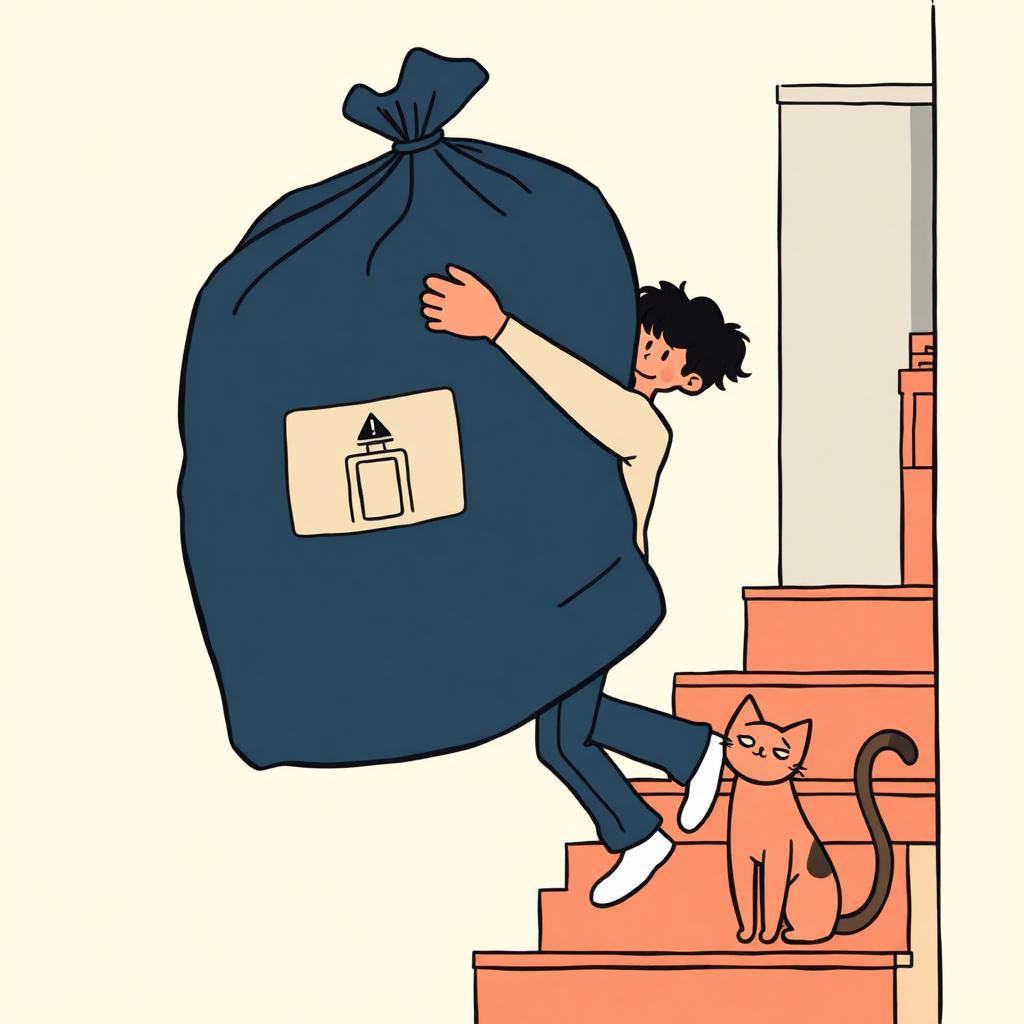
- Your cat seems picky about texture and may avoid the box if the litter feels rough or unfamiliar.
- Odor builds up fast when absorbency is weak or urine spreads through the tray instead of clumping.
- Cleanup gets annoying when pellets crumble, stick to the box, or need frequent full changes.
- You want a gentler, lower-dust litter but do not want to trade away hygiene or convenience.
- Choose litter based on how it behaves after urine hits it, not just how soft it feels dry.
- For cats with sensitive paws, start with a shallow layer and a gradual transition to avoid box refusal.
- If odor control and daily scooping matter most, tofu litter usually gives a cleaner routine because it clumps.
- If your cat needs extra-soft, low-dust material and is less sensitive to odor, paper can still work; NEKO tofu litter is often the better middle ground for comfort plus easy cleanup.
What cat owners are really asking when they compare tofu or paper litter
Most people searching tofu or paper litter are not hunting for an abstract pros-and-cons list. They want to know which one will stop the box from smelling by day two, feel comfortable under tender paws, and make cleanup less of a chore. Those are three different jobs, and the two litters handle them differently. Paper litter is usually made from recycled paper compressed into pellets or soft granules. It is known for being low dust and gentle, especially for kittens, seniors, or cats recovering from surgery. Tofu litter is usually made from plant fibers such as soybean byproduct and is designed to absorb liquid quickly and form scoopable clumps. That one difference changes almost everything about daily maintenance. A soft litter that does not trap urine in a compact clump can still leave the box damp and smelly. A litter with better clumping can reduce odor and save time, but if the texture is too sharp or dusty, a sensitive cat may reject it. The right choice depends less on marketing words like natural or eco-friendly and more on your cat’s paws, your cleaning habits, and whether you want to scoop waste daily or dump and refresh the whole tray more often.
How each litter feels under sensitive paws
Texture matters more than many owners realize. Cats do not just step into the litter box. They dig, turn, cover, and sometimes stand in one spot while deciding whether the setup feels safe. Paper litter is often the gentler first impression. Soft paper granules compress easily, and even pellet formats tend to feel less abrasive than mineral litter. That is why paper is commonly recommended after declaw-related injuries in the past, after paw wounds, or when a cat is adjusting to a new box routine. Tofu litter can also be paw-friendly, but the experience depends on pellet size, shape, and how fast it softens when wet. Many tofu litters start as small, lightweight pellets that are not harsh, though some cats dislike the firmer feel compared with paper. For truly sensitive paws, depth matters too. A deep layer forces more digging pressure. A shallow layer of either material can help a cautious cat accept it. If your cat has arthritis, trimmed paw fur, healing pads, or a history of litter aversion, comfort should be the first filter. Still, softness alone is not enough. A litter can feel pleasant and still fail at keeping the tray dry, which eventually makes many cats avoid the box anyway.
Why odor control usually separates the two
Odor control depends on speed. The faster a litter absorbs urine and isolates it from the air, the less smell escapes into the room. This is where tofu litter usually pulls ahead. Because it forms clumps, urine stays concentrated in one removable mass instead of spreading through the base of the tray. Scoop the clump soon enough and much of the odor leaves with it. That keeps the remaining litter fresher for longer. Paper litter absorbs, but many versions do not clump tightly. Urine can disperse across several pellets, settle lower in the box, or saturate the bottom layer before the smell becomes obvious. Once that happens, the tray can develop that familiar warm, stale smell even if the top looks clean. Solid waste is another factor. Lightweight paper pellets can cover stool less effectively than finer litters, which leaves more odor until you remove it. None of this means paper litter is bad. It means it often needs more frequent full-box changes and a stricter cleaning schedule to stay pleasant. If your home is small, the box sits near living space, or you are sensitive to smell, clumping tofu tends to make everyday life easier simply because it removes the source more efficiently.
Cleanup is where clumping changes the whole routine
The biggest practical difference between tofu and paper litter is not environmental claims or package weight. It is your Tuesday morning. With tofu litter, the standard routine is simple: scoop feces, remove urine clumps, top up the clean litter, and do a deeper box wash on schedule. Because only the used portion leaves the tray, you usually waste less clean litter and spend less time doing full resets. Paper litter often asks for a different rhythm. Since many paper products break apart or hold moisture without forming a neat clump, you may need to stir the tray, spot-remove the wettest patches, and replace the whole contents more often. That can be manageable in a single-cat household with very regular cleaning. It gets less charming in a multi-cat home. Damp paper also has a way of sticking lightly to the tray base or creating a soft layer that is not hard to remove, just annoying enough to resent. Tofu litter is not perfect either. If you overfill the box or leave clumps too long, they can break apart during scooping and create crumbs. But in most homes, a decent clumping tofu litter turns litter maintenance into a predictable daily task instead of a repeated partial overhaul. Your back, your bin, and your patience usually notice the difference.
Dust, tracking, and mess outside the box
Sensitive paws often come with another concern: sensitive airways, both feline and human. Paper litter is generally one of the lower-dust options, especially in larger pellet form. That can make it a sensible choice for cats that sneeze around dusty litter or for homes where respiratory irritation is part of the decision. Tofu litter is also typically much lower in dust than many clay litters, though exact dust levels vary with pellet structure and how much the bag settles during transport. Tracking is more complicated. Paper pellets are larger, so they usually travel less on paws, but they can scatter when cats dig enthusiastically. Softer paper granules may stick more than pellets do. Tofu pellets are often smaller and lighter, which can mean a few pieces leave the box, especially with long-haired cats or cats that launch themselves out of the tray like they have urgent appointments. A textured mat solves a lot of this for either type. Box design matters too. High sides reduce scatter; a cramped hooded box can worsen tracking if the cat brushes against the entrance on the way out. If your priority is the least dust possible, paper often has a narrow edge. If your priority is the cleanest scoop-and-go routine with manageable tracking, tofu usually lands in the more balanced spot.
When paper litter makes more sense than tofu
Tofu litter wins a lot of practical comparisons, but paper still has clear use cases. The most obvious is medical recovery. After a procedure or with open paw irritation, many vets prefer a soft, low-dust substrate that is less likely to cling to wounds or create fine particulate around healing tissue. Kittens can also do well on paper when owners want a simple, gentle texture during early litter habits. Some cats with strong litter preferences accept paper immediately because it feels non-threatening and clean. Paper can also suit owners who do very frequent complete changes and care more about softness than clumping performance. If the box is in a ventilated area and odor is less of a concern, paper becomes easier to live with. There is also the matter of transition from no-litter or shelter environments. A cat that is stressed, recently adopted, or recovering from a rough period may need the least challenging texture first, and paper can provide that. The catch is maintenance discipline. Paper tends to ask for more tray monitoring, more replacement, and less forgiveness if you miss a cleaning window. It is the gentler specialist option, not usually the easiest all-around option. If your cat specifically needs that softness, it can be the right call. If not, the trade-offs become harder to justify.
When tofu litter is the better all-around choice
For most healthy adult cats, tofu litter is the better everyday compromise between comfort, hygiene, and effort. It tends to be soft enough for normal paws, absorbent enough to keep urine from spreading through the tray, and easy enough to scoop that owners actually stay consistent with maintenance. That last point matters more than people admit. The best litter is often the one that makes good habits easiest. A clumping litter gives visible feedback: remove the waste, top up the box, done. That routine helps keep the tray dry, which in turn supports better litter box acceptance. Tofu also works well in homes where odor needs to stay under control without heavy fragrance. If your cat dislikes perfume-heavy products, a low-dust, unscented tofu formula can be a practical answer. This is where a product like NEKO makes sense to mention honestly. A premium tofu litter is useful when you want the paw-friendliness of a plant-based material without giving up the clean removal that paper often lacks. It is not magic. You still need the right box size, regular scooping, and enough litter depth to form solid clumps. But if you want one material that handles daily life with fewer compromises, tofu is usually the more functional choice.
How to switch litters without causing box refusal
Cats do not admire your research. They care that the bathroom floor changed overnight. Any switch between paper and tofu should be gradual unless a vet has told you to change immediately for medical reasons. Start by mixing a small amount of the new litter into the old one. Keep the box in the same place, keep the depth similar, and do not also change the box shape, liner, room, or cleaning product at the same time. Too many variables turn a simple texture change into a trust exercise. Increase the new litter over several days until the old one phases out. If your cat is hesitant, offer a second box with the new material instead of forcing a single choice. Watch behavior, not just usage. A cat that enters, sniffs, and leaves may be tolerating the litter poorly even if accidents have not started yet. Sensitive cats often prefer a depth around a couple of inches rather than a deep bed that shifts underfoot. Scoop promptly during the transition so the new texture does not get unfairly associated with a dirty box. If you are moving from paper to tofu for easier cleanup, the goal is not speed. The goal is acceptance. A clean, slightly boring transition is exactly what you want.
Common questions
Tofu or paper litter: which is better for sensitive paws?
Paper litter usually feels softer right away, so it often suits cats with very tender paws, recent injuries, or post-procedure sensitivity. Tofu litter is still gentle for many healthy cats, especially in smaller pellet form, but it is usually chosen for its balance of comfort and easier cleanup rather than maximum softness alone.
Does tofu litter control odor better than paper litter?
Usually yes. Tofu litter typically clumps, which helps isolate urine and remove it from the box quickly. Paper litter absorbs well but often does not clump tightly, so moisture can linger in the tray and smell stronger unless you replace the litter more often.
Is paper litter safer for kittens or cats after surgery?
It can be a good option because it is soft and generally low dust. Many vets prefer a gentle substrate during recovery, especially if paws or surgical areas are sensitive. Follow your vet’s specific instructions, since the best litter after surgery depends on the procedure and how the cat is healing.
Which litter is easier to clean every day?
Tofu litter is usually easier because you can scoop both solid waste and urine clumps without replacing the whole box as often. Paper litter may need more frequent full changes, especially in homes where odor builds quickly or the bottom layer stays damp.
Will tofu litter track more than paper litter?
Often a bit more. Tofu pellets are usually smaller and lighter, so some pieces may leave the box on paws. Paper pellets tend to track less but can still scatter during digging. A litter mat and a roomy box with high sides make a noticeable difference with either type.
One switch. Four problems, gone.
Start a NEKO subscription and get your first 7L bag for 40% off. Free shipping, delivered every 4–6 weeks. Skip, pause, or cancel anytime.