The Weight Problem: Nobody Wants a 40-lb Litter Box
Clay is basically rock. Tofu weighs a third as much and lasts twice as long.
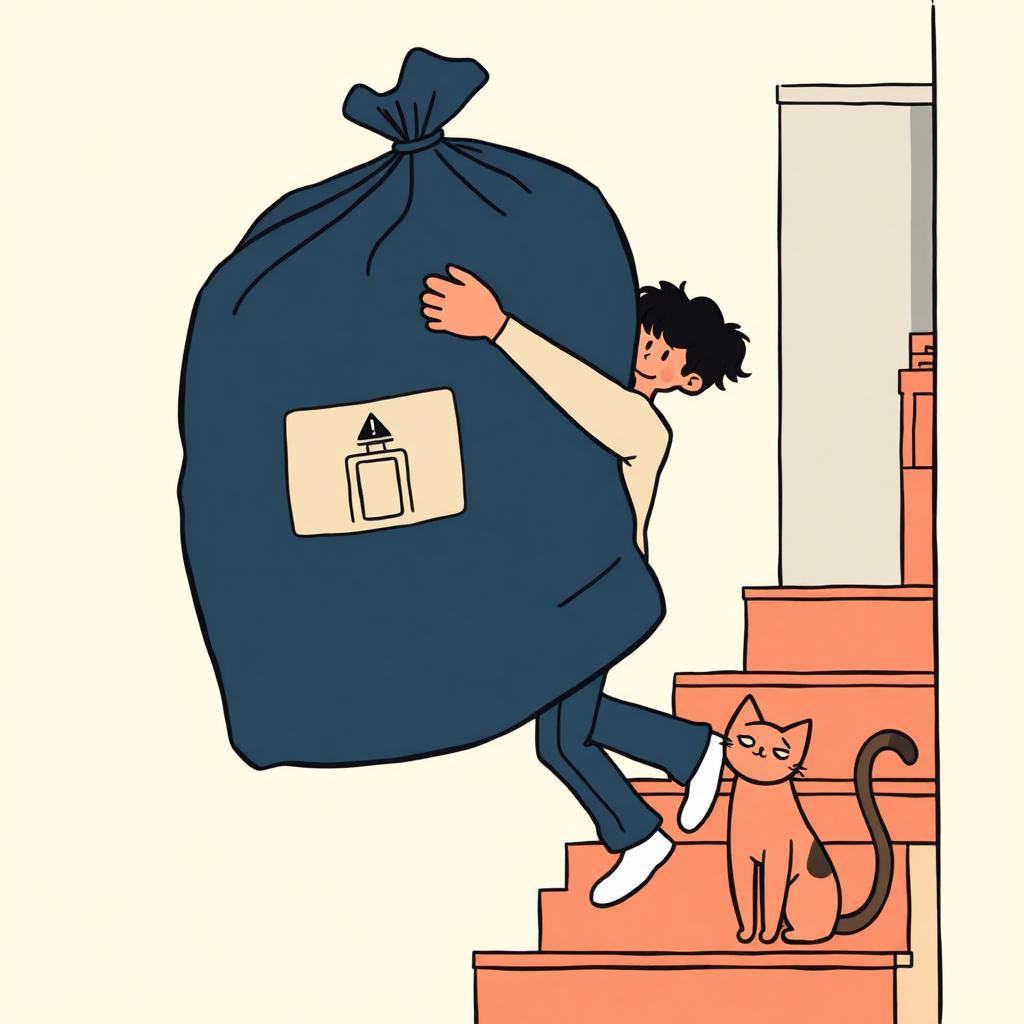
- A 40 lb bucket of clay is the standard purchase — because clay needs to be deep to clump.
- Apartment dwellers, seniors, and anyone without a car end up dreading refill day.
- Heavier litter also means heavier landfill contribution — clay is inorganic and stays forever.
- One 6 lb bag of NEKO replaces roughly 20 lb of clay by usable volume.
- Ships to your door on a schedule you control — no more curbside hauling.
- Fully compostable and flushable in small amounts.
Why clay is so heavy
Bentonite is a dense sedimentary clay — 1.6 g/cm³ dry, closer to 2.0 g/cm³ once it's absorbed urine. That's why the bucket you carried in becomes the bag you can barely lift out.
Why tofu is light
Plant fiber has an intrinsic density around 0.5 g/cm³. NEKO's extrusion process traps micro-air pockets, which is why the pellets absorb 3× their weight in liquid before clumping. Less mass, more absorbency, same box height.
What this means for a monthly routine
One NEKO subscription box covers a single cat for four to six weeks. It arrives at your door in a package a child can carry. Nobody wrestles a bucket up three flights of stairs.
Common questions
Does lighter litter get kicked out of the box more?
Not with pellet-shaped tofu — the pellet weight per grain is actually higher than a clay granule, so they stay put.
Is it really flushable?
Small clumps, yes — city sewer systems handle it. Septic tanks: compost it instead.
One switch. Four problems, gone.
Start a NEKO subscription and get your first 7L bag for 40% off. Free shipping, delivered every 4–6 weeks. Skip, pause, or cancel anytime.