Pine vs Clay Cat Litter: A Clear Comparison for Smell, Dust, and Tracking
Compare pine and clay litter for odor management, cleanup style, box mess, and how cats may respond to each texture.
- The litter box smells fine on day one, then turns sour or musty fast.
- Dust coats the floor, sticks to paws, or hangs in the air when you pour.
- Tracked litter spreads through the house and ends up in beds, rugs, and socks.
- Your cat may reject a new litter because the texture feels wrong underfoot.
- Match the litter to your real problem first: odor, dust, tracking, budget, or cat acceptance.
- Use box size, litter depth, and scooping routine to improve either litter type before blaming the material.
- If dust and heavy perfume are the issue, a low-dust plant-based option like NEKO can be a practical middle ground.
- Transition gradually over several days when changing texture, especially for picky cats or multi-cat homes.
How pine and clay differ in the box
The useful way to think about pine vs clay cat litter is simple: they solve different problems by different mechanisms. Clay litter, usually made from absorbent mineral granules, is built around fast moisture capture. In clumping versions, wet spots form scoopable masses that you remove daily. That is why clay often feels familiar and convenient. Pine litter works differently. It is made from compressed wood fibers or pellets that absorb liquid, break down into sawdust, and help manage smell through natural wood compounds and moisture control. That difference changes the whole user experience. Clay usually gives easier spot cleanup. Pine often gives lower dust and a lighter, more natural smell, but cleanup can be less intuitive if you are used to clumps. Texture also matters. Most cats accept fine, sand-like clay quickly because it resembles loose soil. Pine pellets are larger, firmer, and more noticeable under the paws. Some cats adapt without drama. Others act like you replaced their bathroom with gravel. So the better choice is not the one that wins every category. It is the one that fits your cat’s texture tolerance, your cleanup habits, and the mess you are trying to reduce.
Odor control: sharp ammonia versus damp wood smell
Odor control is where people often expect a clear winner, but smell depends on what kind of smell you mean. Clay litter tends to do a strong job with urine at first because it isolates wet waste in clumps that you can remove before bacteria multiply. If you scoop at least once daily, that system works well. If you miss scooping, the box can shift from neutral to ammonia-heavy quickly, especially in a small box or a humid room. Pine handles odor in a different way. It absorbs moisture into wood fibers and often gives off a mild wood scent rather than a perfume cloud. Many owners prefer that because it smells cleaner and less chemical. The tradeoff is that once pellets break down and damp sawdust accumulates, the box can start smelling musty if you do not sift or replace the spent material on schedule. For stool odor, neither material is magic. Immediate scooping matters more than the litter itself. In single-cat homes with consistent maintenance, both can perform well. In multi-cat homes, clumping clay often feels easier to keep ahead of urine odor, while pine can still work well if the box is large, deep enough, and cleaned with a proper sifting routine.
Dust levels and air quality are not a small detail
Dust is not just an annoyance on a dark floor. It affects noses, lungs, shelves, and the general sense that the litter box is taking over the room. Clay litter is the usual culprit here, especially fine clumping formulas. Even products marketed as low dust can release a visible cloud when poured or when a cat digs with enthusiasm. That dust settles on the box rim, nearby furniture, and sometimes the cat’s coat. For cats with respiratory sensitivity, older cats, or people with asthma, that matters. Pine is usually much lower in airborne dust when fresh because larger pellets do not powder up the same way during pouring. The catch is that used pine breaks into fine sawdust, so the box can still get dusty over time if it is not sifted and refreshed. Dust also depends on how roughly litter is handled. Dumping a full bag from shoulder height will make almost anything dusty. A practical rule: if your main complaint is breathing in litter when scooping, pine often has the edge over traditional clay. If you want low dust without the pellet texture issue, this is one of the honest reasons some owners move to a plant-based tofu litter like NEKO. It gives a finer texture many cats accept readily, but typically without the heavy mineral dust associated with clay.
Tracking and floor mess: what leaves the box with your cat
Tracking is mostly physics. Small, light particles wedge between toes and stick to paw pads more easily than large, smooth pieces. That is why fine clay granules often end up far beyond the litter mat. If your cat exits the box like it has a train to catch, expect a trail. Pine pellets usually track less because the pieces are larger and heavier. They may bounce out of the box during enthusiastic digging, but they are less likely to hitch a ride down the hallway. Once pine pellets break down into sawdust, however, the mess changes shape. Instead of crunchy granules in the kitchen, you get soft wood particles around the box area. Many people find that easier to contain with a mat and regular sweeping. Box style also affects tracking more than owners expect. A large open box with high sides often outperforms a cramped covered box because cats can turn comfortably and step out cleanly instead of scrambling. A mat with actual depth and texture helps, but no mat can fix overfilled litter or a box placed in a high-traffic corner. If tracking is your number one complaint, pine usually has an advantage over fine clay, though a low-track plant-based granule can narrow that gap considerably.
Cleanup style: clumps, pellets, sifting, and full changes
The best litter is often the one you will maintain properly. Clay and pine ask for different habits. Clumping clay is straightforward. Scoop urine clumps and stool daily, top up the level, and do a full box refresh periodically. It is easy to understand and easy to spot when waste needs to go. Pine pellets require a small workflow adjustment. Urine does not usually become a tidy ball. Instead, pellets absorb liquid and crumble into sawdust, which needs to be separated from intact pellets with a sifting box or scoop strategy. Stool still gets scooped right away. Some owners love this system because it feels less sticky and less muddy than clay. Others find it annoying because they cannot just lift out one neat urine clump and be done. Neither reaction is wrong. It depends on your tolerance for routine. If you are comparing effort honestly, clay usually wins for daily simplicity. Pine can win for people who dislike scraping damp clumps from the bottom of the pan or hauling heavy used clay to the trash. A good middle path for owners who want scoopable cleanup without mineral dust is a plant-based clumping litter such as NEKO, but only if your cat accepts the texture and you still commit to regular scooping.
How cats respond to texture, smell, and box feel
Cats do not care about your sustainability goals if the box feels wrong. Texture is often the deciding factor. Fine clay tends to be accepted more easily because it is soft, diggable, and familiar under the paws. A cat can cover waste with minimal effort, which seems trivial until you switch to pellets and watch your cat stand there looking betrayed. Pine pellets feel larger, firmer, and louder. Some cats adapt in a day or two. Some avoid the box, perch awkwardly on the edge, or start eliminating elsewhere. Kittens, seniors with sore joints, declawed cats, and very fastidious cats can be especially texture-sensitive. Smell matters too. Strongly perfumed clay can repel cats even when owners think it smells clean. Pine’s natural wood scent is often less offensive, but a cat that dislikes change may still object. The safest way to test any switch is gradual mixing. Start with mostly familiar litter and increase the new material over several days, watching for hesitation, reduced digging, or accidents. If your cat has a history of litter box issues, prioritize acceptance over theoretical benefits. A slightly dustier litter that your cat uses consistently is better than the perfect low-track option they boycott. The cat, annoyingly but decisively, gets a vote.
Cost, weight, and waste disposal in real life
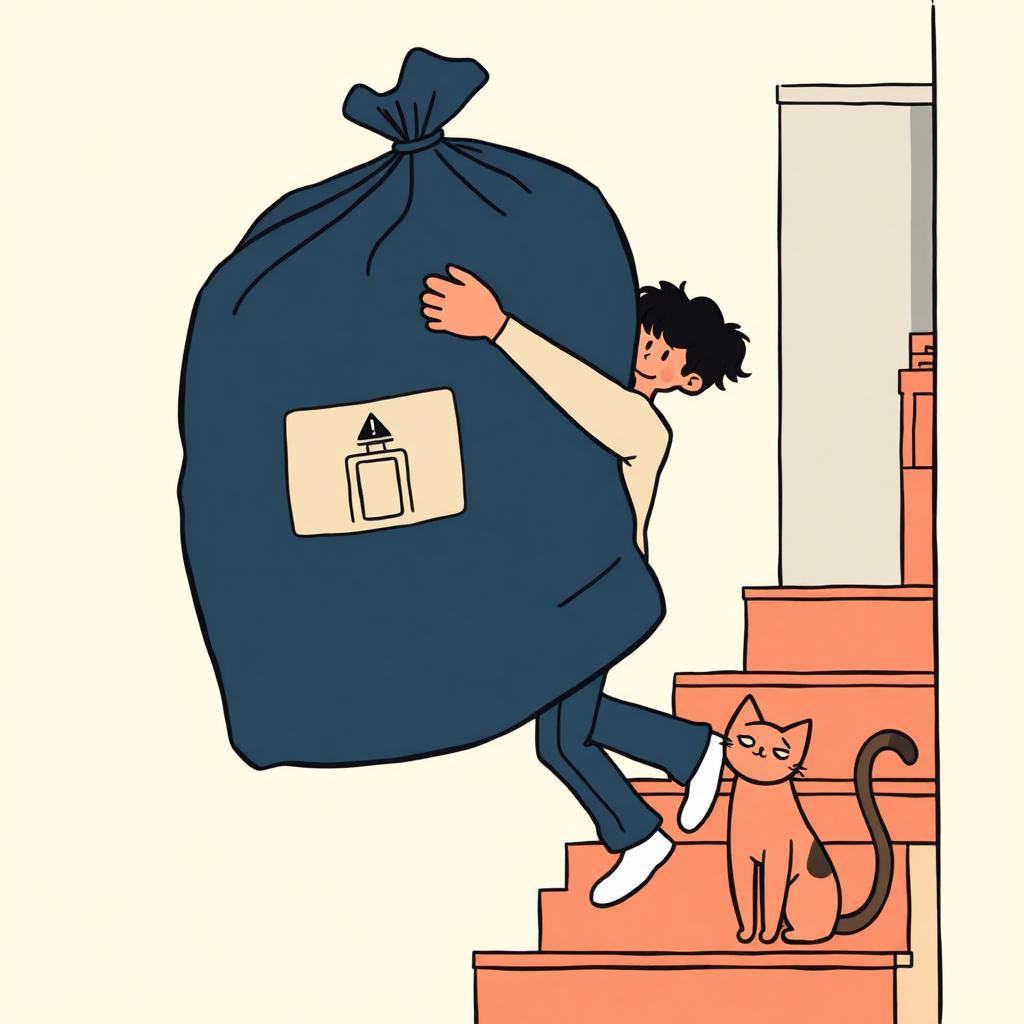
People often compare litter by bag price and miss the practical costs. Clay is usually heavy. Carrying it upstairs, pouring it into a box, and hauling used waste to the bin gets old fast. In return, clumping efficiency can make daily maintenance feel precise and economical, especially if your cat produces reliable clumps and you top up rather than fully dumping often. Pine is typically lighter by volume and easier to move around, which matters if you buy in bulk or maintain several boxes. Because it breaks down as it absorbs urine, replacement patterns can feel different. You may not be removing as much material with each scoop, but you do need to refresh the broken-down portion before the box turns into damp sawdust soup. Disposal also varies. Some people prefer the lighter, less dense feel of used pine waste. Others dislike dealing with a mix of pellets and sawdust. One caution: do not assume any litter is safely flushable unless the manufacturer says so and your plumbing can handle it. Even then, many households are better off avoiding that experiment. If weight and hauling are major pain points, pine has appeal. If you value compact, predictable scooping and do not mind the heft, clay remains a very practical default.
Which homes do best with pine, clay, or a third option
A single recommendation for every cat home would be lazy. Pine tends to suit owners who want lower dust, less tracking, and a more natural-smelling box, and who do not mind using a sifting system or learning a new cleanup rhythm. It can work especially well in a laundry room, garage-adjacent space, or other area where a bit of sawdust near the box is manageable. Clay tends to suit cats that demand a soft, diggable texture and owners who want the simplest possible daily scoop. It is also a practical choice for multi-cat homes where urine clumps need to be identified and removed quickly throughout the day. But if you read this comparison and think, I want clay’s familiar feel without the mineral dust and pine’s natural profile without the pellet texture, that is exactly where plant-based tofu litter earns attention. NEKO fits that middle ground honestly. It is not a miracle fix for every cat, but it can make sense for households dealing with dusty clay, tracked granules, or cats that refuse pellets. The real win is matching litter characteristics to your cat’s preferences and your tolerance for mess, not forcing one category to solve problems it was never designed to solve.
Common questions
Is pine vs clay cat litter better for odor?
It depends on your cleaning routine. Clumping clay usually controls urine odor very well if you scoop daily because it removes wet waste in solid clumps. Pine often smells more natural and less perfumed, but once broken-down sawdust builds up, it can turn musty. For stool odor, fast scooping matters more than the litter material.
Do cats prefer pine or clay litter?
Most cats accept fine clay more readily because it feels softer and more familiar under the paws. Pine pellets are larger and firmer, so some cats adapt easily while others resist. If your cat is picky, elderly, declawed, or has a history of box avoidance, introduce pine slowly or consider a softer plant-based litter.
Which litter tracks less, pine or clay?
Pine pellets usually track less than fine clay because the pieces are larger and heavier. Clay granules often get caught between toes and travel farther through the house. Pine can still create some mess as pellets break down into sawdust, but that mess usually stays closer to the box and is easier to contain with a mat.
Is pine litter less dusty than clay?
Usually, yes. Fresh pine pellets tend to create much less airborne dust than traditional clay when poured or dug through. The exception is after use, when wet pellets break down into sawdust and need to be sifted out. If dust is your biggest complaint, pine or a low-dust plant-based litter is often a better fit than standard clay.
How do you switch a cat from clay to pine litter?
Mix a small amount of pine into the current clay litter and increase it gradually over several days. Keep the box clean, maintain normal box location, and watch for hesitation or accidents. If your cat stops using the box, slow down the transition or reconsider the texture change. A second box with the new litter can help.
One switch. Four problems, gone.
Start a NEKO subscription and get your first 7L bag for 40% off. Free shipping, delivered every 4–6 weeks. Skip, pause, or cancel anytime.