Why Is My Cat Sneezing After Using the Litter Box?
Explore common reasons cats sneeze around the litter box, from dust exposure to fragrance sensitivity and household irritants.
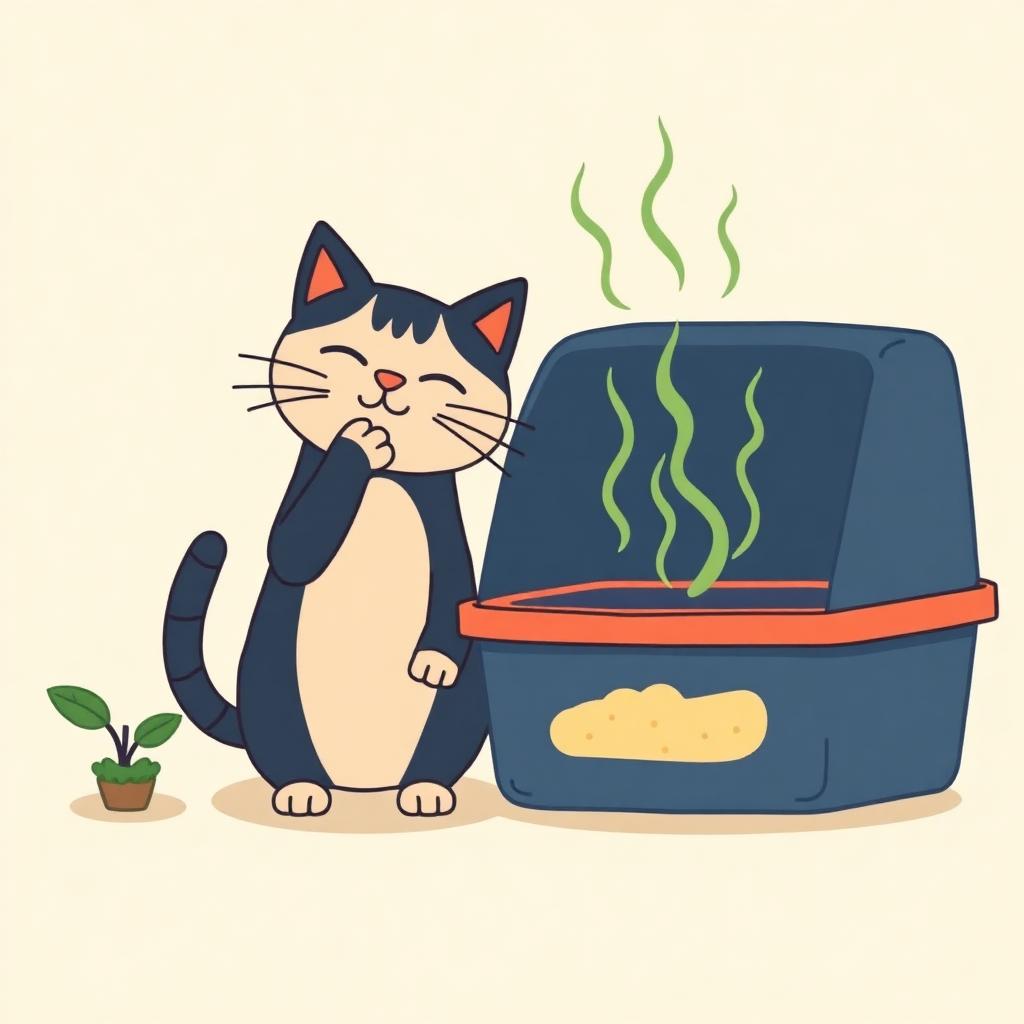
- Your cat sneezes right after digging, covering, or stepping out of the box
- Dust clouds, scented litter, or cleaning products may be irritating the nose
- It is hard to tell the difference between mild irritation and a medical problem
- Changing litter too fast can make symptoms worse instead of better
- Switch to a low-dust, unscented litter and avoid heavily perfumed formulas
- Clean the box gently and skip strong sprays, deodorizers, and bleach fumes nearby
- Place the box in a well-ventilated area away from smoke, candles, and laundry products
- If your cat tolerates tofu litter, a low-dust plant-based option like NEKO can help reduce airborne particles
When sneezing around the box is probably litter-related
A cat sneezing litter box pattern usually has one obvious clue: the sneezing happens during digging, covering, or within a few minutes of leaving the tray. That timing matters. It points more toward irritation inside the nose than a whole-body illness. The most common trigger is airborne material your cat inhales at close range. Fine litter dust, fragrance oils, deodorizer powders, and fumes from nearby cleaners can all hit the nasal lining at exactly the wrong moment. Cats put their faces low to the surface when they sniff and bury waste, so they get a concentrated dose. One or two sneezes after a dusty digging session can be simple irritation. Repeated sneezing every time they use the box is a sign the setup needs attention. Watch the pattern closely. Does it happen with one box but not another. Does it start after opening a fresh bag of litter. Does your cat sneeze only during deep digging, or also while resting elsewhere in the house. Those details help separate litter irritation from an upper respiratory infection, allergies, or a foreign body in the nose. Timing is not everything, but it is a strong first clue.
Dust is the usual suspect, and cats get a face full of it
Dust is the most common litter-box trigger for sneezing because it is easy to overlook and hard to measure by eye. A litter can look clean in the bag but still release fine particles when poured, scooped, or kicked around. Clay formulas are often the main culprit, especially if they break down with use. Even some natural litters can create dust once pellets crumble. The issue is not just what you see floating in sunlight. The smallest particles are often the most irritating because they stay airborne longer and reach farther into the nasal passages. Cats are low to the ground, close to the source, and enthusiastic diggers. It is a bad combination. Kittens, seniors, and flat-faced cats may be more sensitive because their airways are already less forgiving. If your cat sneezes after burying waste, tap the side of the box or pour a little fresh litter and watch for a puff. Another clue is residue on the rim, nearby floor, or your own hands after scooping. Low-dust litter helps because there is simply less material available to become airborne. That is one reason some cats do better with tofu litter when the pellets hold their shape and produce less powder during normal use.
Fragrance sensitivity is common, even when the scent seems mild to you
Cats experience smell very differently from humans. A fragrance that seems barely noticeable to you can be intense to a cat standing inches away from it. Scented litter, box deodorizers, air fresheners, laundry beads used on nearby mats, and even perfumed trash bags can all add up. Fragrance does not need to smell strong to be irritating. The problem is not only the perfume itself but the extra volatile compounds released into a small space your cat visits several times a day. Some cats respond with a few sharp sneezes. Others avoid the box, urinate elsewhere, or become hesitant and restless before going in. If sneezing started after you switched to a fresh scent, that is a useful clue, even if the packaging says natural or light. Natural does not automatically mean gentle. Essential-oil-heavy products can still bother a cat's nose. Unscented is usually the safest choice for litter and for anything used around the box. If odor control is the reason you picked fragrance, improve the cleaning routine instead. Scoop more often, wash the box with mild unscented soap, and replace litter on schedule. Perfume often tries to cover a maintenance problem, and cats are rarely fooled by that strategy.
It may not be the litter at all: the box area can be the real trigger
Sometimes the litter gets blamed when the actual irritant is the environment around it. Litter boxes often end up in laundry rooms, bathrooms, basements, or utility corners full of respiratory triggers. Bleach fumes, ammonia-based cleaners, scented mop solutions, fabric softener residue, dryer sheets, dusty vents, and poor ventilation can all irritate a cat's nose. Add a covered box that traps odors and particles, and you have built a tiny sneeze chamber. Smoke from cigarettes, fireplaces, candles, and incense can make the problem worse, especially in small apartments where air circulation is limited. Even renovation dust or a new rug near the box can be enough to trigger sneezing in a sensitive cat. Take a hard look at location. If the box sits next to a washer exhaust, toilet cleaner, or a cabinet of household sprays, move it. If it is inside a closet with little airflow, crack the door wider or relocate it entirely. Covered boxes help some households with tracking and odor, but they can concentrate dust and fragrance where your cat has to breathe it. An open, well-ventilated setup is often easier on the nose, even if it is slightly less elegant in the room design department.
How to test whether the litter box is the cause
The best way to figure this out is a controlled, boring trial. Boring is good. Change one variable at a time so the result means something. Start with the highest-probability fix: switch to an unscented, low-dust litter and keep everything else the same for several days. If you can, set up a second box with the new litter beside the old one and see which your cat chooses and whether the sneezing changes. Avoid adding deodorizer, liners, or fresheners during the test. Also stop using strong cleaning products near the area. Clean the box with warm water and a mild unscented soap, then rinse well and let it dry fully. If sneezing improves, the box setup was likely part of the problem. If nothing changes, inspect the room itself for other irritants or think beyond the litter box. Video can help more than memory. Record a few box visits and note the timing of sneezes, whether there is nasal discharge, and whether your cat paws at the face or seems congested. One useful detail: sneezing only while digging points more toward dust; sneezing throughout the day suggests a wider nasal issue. If you try a tofu litter such as NEKO, transition gradually so you are testing respiratory comfort, not creating a separate litter-aversion problem.
How to switch litter without creating a new problem
Cats are creatures of habit, and the respiratory fix still needs to be acceptable under their paws. A fast change can backfire if your cat dislikes the texture, pellet size, or smell of the new litter. Then you end up with less sneezing but more peeing beside the box, which is not much of an upgrade. The usual approach is gradual mixing over about 5 to 7 days, sometimes longer for cautious cats. Start with mostly old litter and a smaller amount of the new one. Increase the new litter bit by bit as long as your cat keeps using the box normally. During the transition, keep the box in the same location and do not change the box style, cleaning routine, or room setup unless necessary. That way you know what your cat is responding to. If your cat strongly prefers fine grains and rejects pellets, try offering two boxes temporarily so you can compare behavior. Scoop frequently during the switch because some cats judge unfamiliar litter harshly after one damp clump or one stray smell. If sneezing is the issue, the goal is a material that stays low-dust in daily use and is also acceptable enough for consistent box habits. Respiratory comfort and litter-box compliance need to happen together.
When sneezing means something more than irritation
Sneezing linked to the box is often minor irritation, but not always. Call your vet if your cat has thick or colored nasal discharge, noisy breathing, coughing, eye discharge, reduced appetite, lethargy, facial swelling, bleeding from the nose, or sneezing that continues even when away from the litter area. Those signs can point to an upper respiratory infection, dental disease affecting the nasal passages, inflammation, nasal polyps, or a foreign object lodged in the nose. Some cats also develop chronic rhinitis, where the nasal lining stays inflamed and overreacts to ordinary triggers like dust. If your cat sneezes in bursts many times a day, a simple litter change may not solve the whole problem. Kittens, older cats, and cats with known respiratory disease deserve a lower threshold for an exam. The same goes for flat-faced breeds, which can already have narrower airways. Bring your observations to the appointment: when the sneezing happens, whether it started after a litter or cleaner change, and whether the discharge is clear or thicker. That history helps your vet separate temporary irritation from a condition that needs treatment. Not every sneeze is dramatic. Some deserve more respect than the internet gives them.
Advanced ways to reduce litter-box sneezing in sensitive cats
Once you have handled the basics, a few setup details can make a real difference for sensitive cats. Keep litter depth moderate rather than excessive. Deep litter encourages more enthusiastic digging and more airborne particles. Pour fresh litter slowly and preferably when your cat is out of the room. Instead of dumping from height, lower the bag closer to the box. Scoop gently rather than sifting like you are panning for gold. A high-quality scoop with slots that match the litter size helps avoid grinding material into dust. Wash nearby mats regularly with unscented detergent, and skip fragranced sprays entirely. If your home is dry, especially in winter, ask your vet whether modest humidity support in the room is reasonable for your cat, since dry air can make nasal tissue more reactive. Keep one extra box if you have the space so litter can stay cleaner between full changes; stale, broken-down litter often gets dustier over time. If your cat does best with plant-based litter, tofu can be a good fit because it is typically unscented, low tracking, and lower in airborne dust than many alternatives when handled gently. The principle is simple: reduce particles, reduce perfume, improve airflow, and make the box a place your cat can use without taking a blast to the nose each time.
Common questions
Can cat sneezing litter box episodes be normal?
A single sneeze once in a while can be normal, especially after vigorous digging. Repeated sneezing every time your cat uses the box is not something to ignore. That pattern usually suggests irritation from dust, fragrance, or fumes in the box area. If sneezing also happens away from the box or comes with discharge, eye symptoms, or low appetite, talk to your vet.
Can dusty litter make a cat sick?
Dusty litter can irritate the nose and airways, especially in sensitive cats or those with existing respiratory issues. For many cats, the result is sneezing rather than serious illness. But ongoing irritation is still worth fixing. If your cat has coughing, breathing changes, or persistent congestion, the problem may be larger than litter dust alone and should be checked by a vet.
Is scented litter bad for cats with sneezing?
It can be. Many cats are more sensitive to fragrance than people realize, and scented litter is a common trigger for sneezing or box avoidance. Unscented litter is usually the safer choice when respiratory irritation is suspected. Also remove nearby deodorizers, air fresheners, and strong cleaning products so you are not solving one scent problem while leaving three others in place.
How fast should I switch litter if my cat is sneezing?
Usually over 5 to 7 days, sometimes longer for cautious cats. Mix the new litter in gradually so your cat keeps using the box. A sudden switch can cause litter-box avoidance, which creates a different headache. If symptoms are severe and a specific litter seems to be the clear trigger, ask your vet how quickly to change while still keeping your cat comfortable with the box.
Should I use a covered litter box to contain dust?
Not always. A covered box may reduce what you see escaping into the room, but it can also trap dust and fragrance right where your cat is breathing. For a sneezing cat, an open box in a well-ventilated area is often the better setup. If you use a covered box for space or privacy reasons, focus even more on low-dust unscented litter and gentle cleaning products.
One switch. Four problems, gone.
Start a NEKO subscription and get your first 7L bag for 40% off. Free shipping, delivered every 4–6 weeks. Skip, pause, or cancel anytime.