Wheat vs Walnut Cat Litter: Which Plant-Based Option Performs Better?
Compare walnut and wheat litter on odor, scooping, tracking, and texture to make a more confident switch.
- You want a plant-based litter but do not want to trade away odor control or easy scooping.
- One cat may accept a softer litter while another rejects a coarse texture or strong natural smell.
- Some natural litters track badly, stick to the box, or break into weak clumps that waste half the pan.
- It is hard to tell from the bag whether wheat or walnut will work better in a small home or multi-cat setup.
- Compare the two by four things that matter in daily use: odor, clump strength, tracking, and paw feel.
- Match the litter to your cat and your home, not the marketing. Texture-sensitive cats often decide the winner fast.
- Transition slowly over several days so you can judge performance without triggering litter box refusal.
- If you want a cleaner plant-based option with quick clumping and a finer texture than many coarse natural litters, NEKO is worth a look.
What matters most in wheat vs walnut litter
The real wheat vs walnut litter question is not which one sounds more natural. It is which one keeps the box usable after day three. Most cat owners care about four things: odor control, clump quality, tracking, and how the litter feels under a cat’s paws. Wheat litter is usually made from processed wheat byproducts that absorb moisture and form clumps. Walnut litter is typically made from ground walnut shells, which are fibrous, dark, and naturally good at absorbing liquid. On paper, both count as plant-based alternatives to clay. In practice, they behave differently. Wheat often feels softer and more sand-like, which can help with acceptance, but some formulas can get sticky or dusty when overfilled with urine. Walnut tends to hide waste visually because of its dark color and can absorb a lot, but the texture is often coarser and more likely to leave small bits around the box. If your cat is picky, texture may matter more than odor performance. If you live in a small apartment, odor control and tracking probably decide the winner. Start there rather than getting distracted by eco claims on the front of the bag.
How each litter controls odor
Odor control comes down to how fast the litter traps moisture and how well it limits exposed urine. Feces smell is mostly a scooping schedule issue. Urine smell is where litter earns its keep. Wheat litter often controls odor by absorbing liquid quickly and forming a cap around it. When the clump holds together, smell stays lower because less wet litter is left behind. The weak point is saturation. If a cat repeatedly urinates in the same corner and the clumps break during scooping, that damp residue starts to smell fast. Walnut litter usually does a solid job with urine absorption, and many owners notice less ammonia early on because the shell material can pull moisture down efficiently. The catch is that odor performance depends heavily on particle size. Coarser walnut litter can leave more air pockets and a rougher surface, which does not always seal smell as neatly as a finer grain. In multi-cat homes, either litter can struggle if the box is shallow or under-scooped. A clean box with enough depth almost always matters more than the material alone. If odor is your top priority, pick the litter that makes the strongest, cleanest clump in your box setup, not the one with the boldest claims.
Clumping strength and scoopability in daily use
Good clumping is not a luxury. It is the difference between removing waste cleanly and slowly turning the whole box into a sour swamp. Wheat litter often clumps quickly, which is useful for cats that re-enter the box soon after use. A fast set can stop urine from spreading to the bottom pan. But clump strength varies a lot. Some wheat litters start strong, then crumble at the edges when you lift them, especially if you scoop too early or keep the litter bed too shallow. Walnut litter can form firm clumps too, but some versions are denser and heavier, so each scoop carries more weight. That is not a crisis unless you are cleaning several boxes a day. What matters more is whether the clump releases cleanly from the base. If either litter sticks to the bottom, the problem is often depth and timing. Most plant-based litters perform better with a generous layer and a few minutes to fully set before scooping. For busy owners, consistency beats peak performance. A litter that forms slightly less dramatic clumps but does so reliably every day is easier to live with than one that works brilliantly on Monday and disintegrates by Thursday.
Tracking, dust, and the mess outside the box
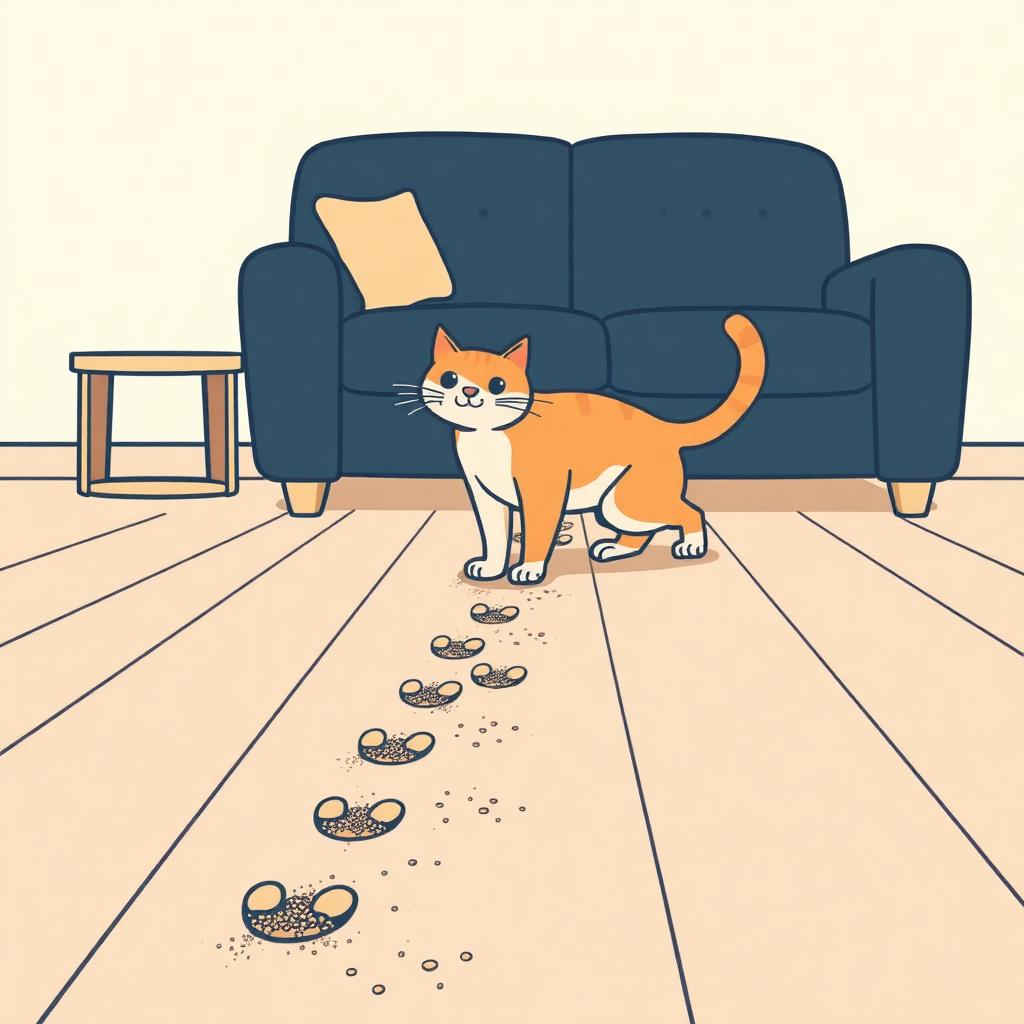
Tracking is where many natural litters lose fans. Cats do not care that a litter is biodegradable if it ends up in the bed. Wheat litter is often lighter and finer, which can feel nice underfoot but also means particles may hitch a ride in toe fur or drift onto the floor during enthusiastic digging. Dust varies by formula, but fine plant particles can become noticeable when you pour a fresh bag or top up too aggressively. Walnut litter is usually darker, which makes tracked pieces very obvious on light floors and rugs. Its larger granules may not cling in exactly the same way as a very fine litter, but coarse bits can still travel farther than you would like because they are kicked out of the box with more force. The shape of the box matters here. A high-sided box or one with a well-placed exit mat can do more for tracking than changing litter types. Humidity also matters. Drier conditions can make lightweight particles scatter more easily. If your cat launches from the box like it owes them money, no litter will stay perfectly contained. In homes where floor cleanliness is a constant battle, finer clumping plant litters with low dust tend to be easier to manage than coarse shell-based products.
Texture, smell, and whether cats actually accept it
A litter can test well on paper and still fail because the cat hates stepping on it. Acceptance usually comes down to texture first, scent second. Many cats prefer a litter that feels close to soft soil or sand. Wheat litter often has an advantage here because the particles can be smaller and gentler under sensitive paws. Senior cats, declawed cats, and cats recovering from paw irritation may be especially opinionated about this. Walnut litter has a more irregular texture in many formulas, which some cats tolerate perfectly and others avoid for reasons known only to them. The natural smell of the litter itself also matters. Plant-based does not mean odorless. Wheat can have a mild grain scent. Walnut can have an earthy, woody smell. Neither is necessarily bad, but cats notice far more than people do. A strongly scented litter, even a naturally scented one, can be enough to trigger hesitation. If your cat has a history of box avoidance, the safest move is usually a fine-textured, unscented litter and a slow transition. This is one place where a product like NEKO can make sense if you want a plant-based option that stays closer to the soft, low-fuss feel many cats accept more readily than chunkier natural litters.
Which works better in small apartments and multi-cat homes
Your layout changes the answer. In a studio or smaller apartment, odor and visible mess are amplified because the litter box shares air with everything else you own. Here, the better litter is usually the one that forms tighter clumps and creates less tracked debris, even if both are technically good absorbers. Wheat litter can work well in smaller spaces when it clumps cleanly and stays low in dust, but if it starts smearing or leaving damp residue, apartment odor gets noticeable fast. Walnut litter may absorb heavily used spots well, yet the dark tracked pieces can make a clean floor look dirty within hours. In multi-cat homes, traffic is the real stress test. Repeated use exposes weak clumps, shallow fill levels, and corners that stay damp under the surface. Some owners prefer walnut in busy boxes because it can handle volume decently, while others find wheat easier to scoop before the box gets overloaded. The deciding factor is maintenance. A high-performing natural litter still needs frequent scooping and enough box space per cat. If you are trying to reduce smell in a crowded setup, adding another box usually helps more than switching materials. Litter choice matters, but box count, depth, and scoop frequency often matter more.
How to switch without causing litter box refusal
The worst way to test a new litter is a full swap on a stressful week. Even confident cats can object when the box suddenly smells and feels different. Start with a small mix of the new litter into the old one, then increase the percentage gradually over several days. If your cat is highly routine-driven, stretch that timeline longer. Watch behavior, not just whether they technically use the box. Excessive sniffing, perching on the edge, scratching at nearby surfaces, or holding urine too long are signs the transition is not going smoothly. Texture-sensitive cats often tell you quickly whether walnut is too coarse or wheat too unfamiliar. If you have multiple boxes, an easy test is to convert one box first and leave the others stable. That gives your cat a choice and gives you cleaner data. Also keep everything else boring. Do not change box location, liners, deodorizers, and litter all at once. If a cat refuses the new material, back up to the previous mix ratio rather than forcing the issue. A slow switch is not overcautious. It is cheaper than cleaning urine from a rug and less emotionally interesting for everyone involved.
When wheat makes sense, when walnut makes sense, and when neither is ideal
Choose wheat if your cat prefers a softer feel, you want faster clumping, and you are willing to stay on top of scooping so damp residue never builds up. It is often a practical fit for single-cat homes, cats that care about texture, and owners who want a more familiar underpaw feel than some coarse natural litters provide. Choose walnut if absorption is your priority, your cat is not fussy about texture, and you do not mind seeing dark granules outside the box now and then. It can be a reasonable option for heavier-use boxes if clump integrity is solid in your setup. Neither is ideal if your cat has a known grain sensitivity concern, if the product formula is notably dusty, or if the clumps consistently glue themselves to the bottom pan. In those cases, the issue is not that plant-based litter is bad. It is that this specific plant base may not fit your cat or your cleaning routine. The sweet spot for many households is a plant-based litter that combines fine texture, strong clumping, and low mess without relying on heavy perfume. That is the standard to judge against. If wheat or walnut cannot meet it in your home, keep looking rather than settling.
Common questions
Is wheat vs walnut litter better for odor control?
It depends on clump quality more than the ingredient itself. Wheat litter can control odor very well when it forms tight clumps and is scooped promptly. Walnut litter often absorbs liquid efficiently and can do well with urine odor too. In real homes, the better odor performer is usually the one that leaves less damp residue behind after scooping.
Do cats usually prefer wheat or walnut litter?
Many cats accept finer, softer litter more easily, which can give wheat an edge. Walnut litter is often a bit coarser and more irregular in texture, so sensitive cats may hesitate. That said, some cats use either one without complaint. If your cat is picky, test one box first instead of changing every box at once.
Does walnut litter track more than wheat litter?
Not always, but it often looks worse when it does because the dark pieces stand out on floors. Wheat litter can track too, especially if the particles are very fine. Tracking depends on granule size, your cat’s digging style, box design, and whether you use a litter mat. There is no universal winner on tracking across every formula.
Is wheat litter safe for kittens?
For very young kittens, many vets recommend extra caution with any clumping litter because kittens may ingest litter while exploring. Once a kitten is reliably using the box and no longer tasting everything in sight, many owners transition to a clumping plant-based litter. If you are unsure, ask your vet based on your kitten’s age and habits.
How long should I take to switch from clay to plant-based litter?
A gradual change over about 5–7 days works for many cats, though cautious or sensitive cats may need longer. Start by mixing a small amount of the new litter into the old, then increase it step by step. If your cat starts avoiding the box or seems stressed, slow down the transition rather than pushing through.
One switch. Four problems, gone.
Start a NEKO subscription and get your first 7L bag for 40% off. Free shipping, delivered every 4–6 weeks. Skip, pause, or cancel anytime.