Does Litter Box Ventilation Matter for Cat Respiratory Health?
Find out how airflow, room size, and placement can affect dust exposure and overall comfort for cats with sensitive airways.
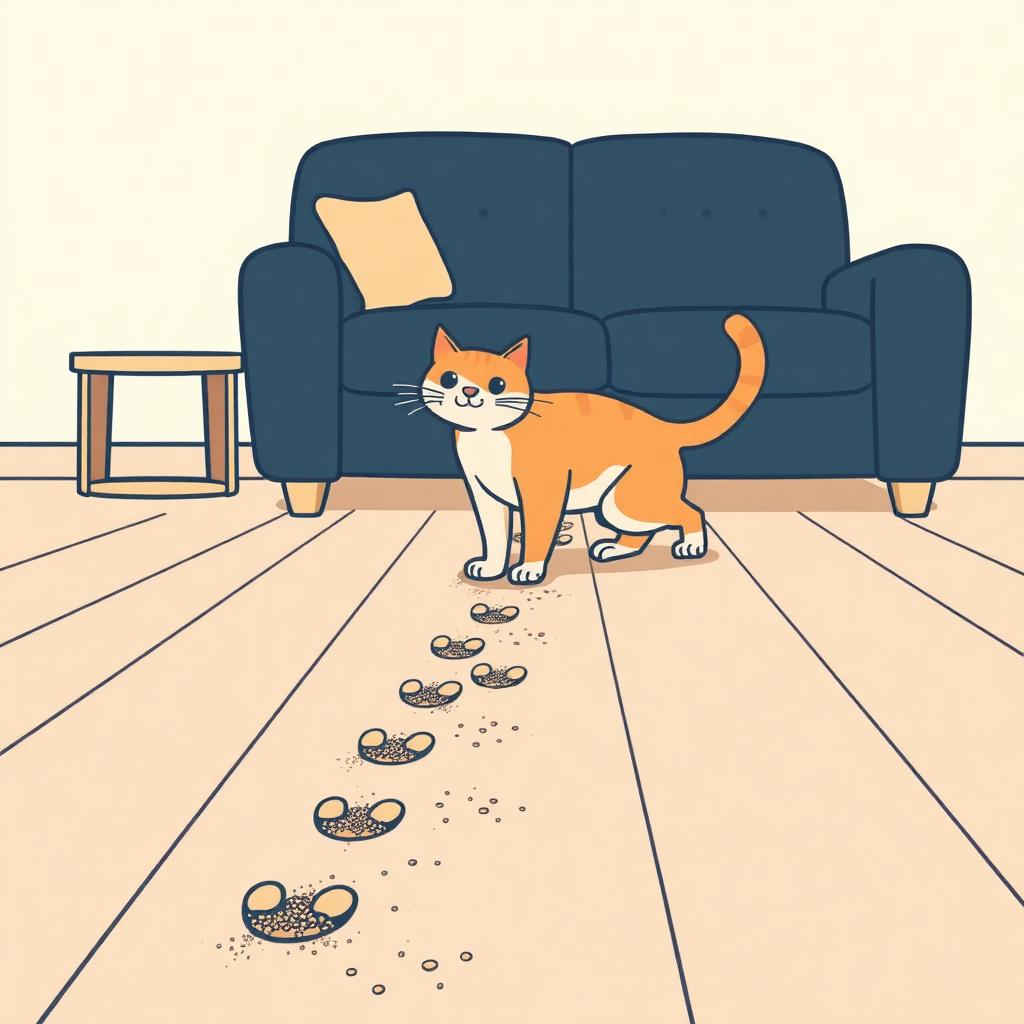
- Dust hangs around the box longer in small, stale rooms
- Covered boxes can trap odor, humidity, and fine particles near the cat’s face
- Sensitive cats may sneeze, avoid the box, or breathe harder in poorly ventilated areas
- Air fresheners and strong cleaners can add another airway irritant on top of litter dust
- Place the box in a larger room or one with steady air exchange, not a sealed closet
- Choose a low-dust litter and pour it slowly to reduce airborne particles; NEKO is designed to stay low in dust
- Skip scented sprays near the box and clean with mild, unscented products
- Use airflow that refreshes the room without blowing directly across the box or into the cat’s face
Why litter box ventilation matters more than most owners think
Litter box ventilation matters because a cat uses the box with its nose close to the litter surface, exactly where dust, ammonia, and humidity are most concentrated. In a poorly ventilated space, those particles and gases linger instead of dispersing. That does not mean every cat in a small apartment will develop breathing trouble. It means the environment can become harder on cats that already have sensitive airways, flat faces, chronic sneezing, asthma, or a history of avoiding dusty litter. The problem is often not one dramatic exposure. It is repeated low-level exposure several times a day. Ventilation also affects the owner’s choices. If a room smells stale, people often reach for perfumed deodorizers, stronger cleaners, or tightly covered boxes. Those fixes can make the air around the box worse, not better. Good litter box ventilation reduces the need for all of that by moving stale air out and bringing fresher air in. It also helps moisture evaporate, which can limit that damp, concentrated odor cloud that forms after use. A box in a laundry room with the door shut all day is very different from a box in a larger bathroom with an exhaust fan and regular airflow. Same litter. Very different air.
What actually irritates a cat’s airways near the box
Most respiratory irritation around the litter box comes from a mix of fine dust, odor compounds from urine breakdown, and added fragrance. Dust is the obvious one. It becomes airborne when you pour fresh litter, when a cat digs, and when dried particles break down over time. The smallest particles stay in the air longer, especially in still rooms. Cats do not need visible clouds of dust for irritation to happen. A room can look clean and still have enough airborne particles to bother a sensitive nose or throat. Then there is ammonia. Fresh urine itself is not the issue people imagine; the stronger smell builds as urine sits and breaks down, especially in warm, damp conditions or when clumps are left too long. Poor airflow lets that odor concentrate close to the box. Fragrance can compound the problem. Scented litter, deodorizer powders, plug-ins, and heavily perfumed cleaners may mask odor to humans while making the air harsher to breathe. Cats are not impressed by ocean breeze or mountain rain. They would prefer less chemistry. The practical takeaway is simple: control the source first. Less dust, prompt scooping, dry litter, and better air exchange beat perfume every time.
Room size, air exchange, and placement make a bigger difference than fancy gear
The best spot for a litter box is usually a room with enough volume and enough natural or mechanical air exchange to dilute what the box releases. A large bathroom used throughout the day often works better than a narrow utility closet with a shut door. Bigger rooms do not magically clean the air, but they reduce concentration spikes. Air exchange matters even more. An exhaust fan, a slightly open door, or routine airflow through the room helps move airborne dust and odor away before it builds up. Placement inside the room matters too. Avoid boxing the box in. If the litter tray is tucked under a low shelf, jammed between appliances, or parked in a dead-air corner, particles and smells collect where the cat crouches. Keep some open space around the box. Also avoid placing it right next to HVAC supply vents that blast air across the surface. Strong crossflow can kick up dust every time the system runs. The goal is gentle room-level ventilation, not a tiny sandstorm. If your only option is a small room, compensate with diligent scooping, a low-dust litter, and consistent airflow. Good placement is not about interior design. It is about giving airborne particles somewhere to go other than back into your cat’s face.
Covered boxes can help with mess, but they can worsen stale air
Covered boxes are useful for some homes. They contain scatter, hide visual mess, and may give shy cats a sense of privacy. But from an airflow standpoint, they are often a mixed bag. The cover creates a small enclosed chamber where humidity, odor, and airborne particles can build up between cleanings. When a cat digs in that space, dust has fewer escape routes. That may sound good until you remember who is inside the chamber with the dust. The cat is. This does not mean every covered box is bad or every open box is good. Some cats strongly prefer one style, and litter box acceptance always matters. A perfect ventilation setup is useless if the cat refuses to use it. But if you have a cat with asthma, chronic upper respiratory sensitivity, or frequent sneezing around the box, an open-top box is often worth trying. If you keep a covered box, clean it more often than you think you need to, because enclosed boxes trap residue and odor on the interior walls. Wash the lid with unscented soap, dry it fully, and monitor whether the cat seems to rush out, sneeze after use, or hesitate before entering. Cats are subtle critics, but they do leave notes.
Litter type and maintenance can reduce airborne exposure more than a room spray ever will
Ventilation is only half the equation. The box cannot ventilate away a litter that produces a lot of dust or a tray that is cleaned too slowly. Material matters. Some litters stay low in dust and break down less during digging, while others shed fine particles as they age. A practical test is what happens when you pour, scoop, and stir. If you can see a cloud, your cat is breathing part of that cloud at nose level. Pouring slowly, topping up in smaller amounts, and storing litter somewhere dry all help reduce airborne release. Daily scooping matters because it cuts down odor at the source. Once urine and stool sit, airflow can only dilute the problem, not remove it. Replace litter on a regular schedule before it becomes saturated and crumbly. Wash the box with mild, unscented soap and water, then dry it fully before refilling. Skip bleach, ammonia-based cleaners, and perfumed deodorizers around the tray. They can leave residues or scents that irritate airways or discourage use. If you want a lower-dust option, a plant-based formula can make sense when it genuinely stays cleaner in the air during pouring and digging. NEKO is designed with that goal in mind, which is useful if you are trying to reduce dust exposure without adding fragrance to the equation.
Cats with asthma, allergies, or flat faces need a stricter setup
Some cats have far less margin for error. Cats with feline asthma, chronic bronchitis, recurring upper respiratory irritation, or brachycephalic faces often do better when the litter area is managed almost like a trigger zone. That means no scented litter, no deodorizing powders, no plug-ins nearby, and no dusty top-offs dumped in one dramatic avalanche. It also means paying attention to early clues: crouching longer than usual, open-mouth breathing after exertion, noisy breathing, coughing, wheezing, or a pattern of sneezing after box use. For these cats, pick the room with the cleanest, steadiest air. A calm bathroom with regular ventilation may be better than a basement corner, garage, or laundry room full of detergent fragrance and appliance heat. Open boxes are often easier on the airways than covered ones. Keep the litter depth practical rather than excessive, because deeper fill can mean more material to disturb while digging. If your cat has diagnosed respiratory disease, environmental changes should support veterinary care, not replace it. Ventilation and litter choice can lower daily irritation, but they do not treat asthma attacks or infections. The right setup can, however, make the box one less thing your cat has to fight through.
How to improve airflow without creating drafts or stress
Better ventilation does not require an engineering degree or a shelf full of gadgets. Start with the simple hierarchy. First, choose the best room available. Second, keep that room from becoming sealed off for long stretches. Third, create gentle air exchange rather than direct airflow on the box. An exhaust fan used routinely after the box is used can help in bathrooms. In other rooms, a cracked door or passive airflow from the rest of the home may be enough if the space is not tiny. A portable air purifier can help with room air, but place it so it is not blowing right across the litter surface. What you want to avoid is a draft that startles the cat or stirs the litter every time the system switches on. Cats notice air movement more than people assume. A box next to a rattling vent, a slamming exterior door, or a fan aimed straight into the tray may become a box they avoid. Avoid putting food and water near the litter area as well; the ideal ventilation setup is still a toilet, not a dining room. If you are testing a new spot, change one variable at a time and watch use for several days. More airflow is only better if the cat still feels secure enough to use the box normally.
When the issue is not ventilation at all
It is easy to blame the room when the real problem is medical or behavioral. Sneezing near the box can happen because of dust, but chronic sneezing can also come from viral disease, nasal inflammation, dental problems, or polyps. Coughing after digging might suggest irritation, but it can also be a sign of asthma that needs a veterinary workup. Litter box avoidance can look like a complaint about smell, yet the cause may be arthritis, urinary pain, fear of another pet, or a box that is simply too small. A good rule is this: if improving litter box ventilation, switching to a lower-dust unscented litter, and cleaning more often do not change the pattern within a reasonable trial period, stop assuming and start investigating. Seek veterinary advice promptly if your cat wheezes, breathes with effort, has blue or pale gums, breathes with its mouth open, or shows any sudden respiratory distress. Those are not air quality experiments. They are urgent problems. Ventilation is part of a healthy litter setup, and for some cats it makes a meaningful difference. It is not a cure-all. Sometimes the room needs better airflow. Sometimes the cat needs better medicine. Often the trick is knowing which one you are actually dealing with.
Common questions
What is the best litter box ventilation setup for a small apartment?
Use the largest room you can spare with steady airflow, not a sealed closet. Keep the box out of dead-air corners and away from strong supply vents that blow directly across the litter. Scoop daily, use an unscented low-dust litter, and skip fragrance products near the tray. If the room has an exhaust fan, regular use helps.
Can poor litter box ventilation make my cat sneeze?
It can contribute, especially if dust, ammonia odor, or fragrance builds up around the box. Sensitive cats may sneeze more after digging or entering a covered box. But sneezing is not specific to ventilation. If it is frequent, persistent, or paired with nasal discharge, eye discharge, coughing, or labored breathing, a veterinary exam is a better next step than guessing.
Are covered litter boxes worse for respiratory health?
They can be for some cats. Covered boxes may trap dust, humidity, and odor in a small enclosed space where the cat’s face is close to the litter. An open box usually allows better air movement. That said, some cats strongly prefer a covered box, and box acceptance matters. If your cat has respiratory sensitivity, an open box is worth trying.
Does an air purifier help near a litter box?
It can help room air, especially with fine particles, but placement matters. Do not point the airflow directly at the box or you may stir up dust and create a draft the cat dislikes. Think of an air purifier as support, not the main fix. Litter choice, scooping frequency, and room ventilation usually matter more.
What kind of litter is best if my cat has asthma or sensitive airways?
Most vets recommend starting with an unscented, low-dust litter and avoiding deodorizing powders or perfumed products around the box. The best option is one that stays low in dust during pouring and digging and that your cat will reliably use. Plant-based litters can be a good fit if they genuinely keep airborne dust down.
One switch. Four problems, gone.
Start a NEKO subscription and get your first 7L bag for 40% off. Free shipping, delivered every 4–6 weeks. Skip, pause, or cancel anytime.