Why a Kitten Poops Outside the Litter Box
Discover common causes of poop accidents in kittens, from box aversion to digestive upset, and when a vet visit makes sense.
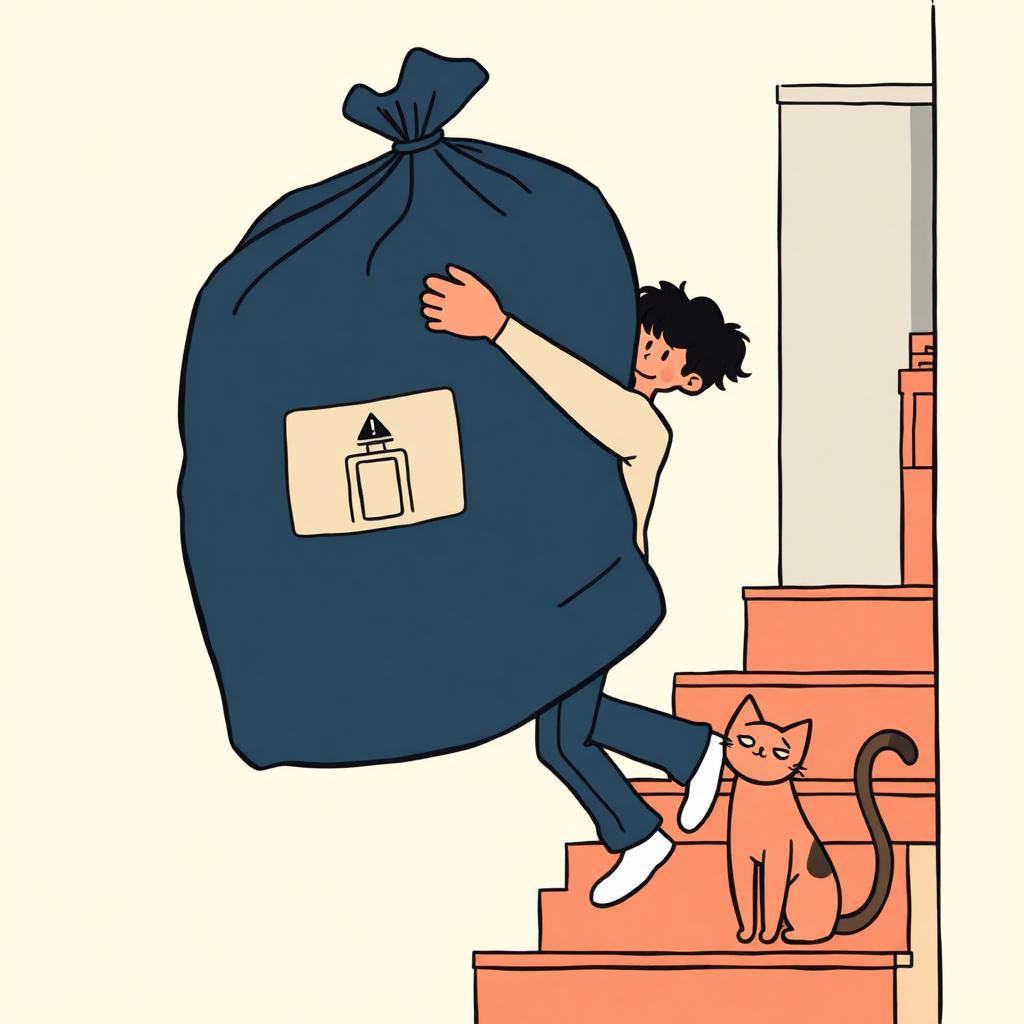
- Poop lands next to the box, on rugs, or in corners even though pee may still go in the box
- A young kitten seems to know the box exists but avoids it for bowel movements
- Accidents start suddenly after a move, new litter, new pet, or schedule change
- You are not sure whether this is training, stress, constipation, diarrhea, or a medical issue
- Rule out pain and digestive upset first, especially if the change was sudden or your kitten strains, cries, or has loose stool
- Set up more than one low-sided box in quiet spots and scoop often so the box stays easy to enter and appealing to use
- Use a soft, unscented litter many kittens accept readily; a gentle plant-based option like NEKO can help if texture or scent is part of the problem
- Clean accident spots with an enzyme cleaner and keep a simple log of timing, stool quality, diet, and box habits
What poop accidents in kittens usually mean
A kitten pooping outside box is usually not being stubborn or spiteful. In most cases, the problem is simpler: the kitten dislikes something about the setup, cannot get there in time, or associates pooping with discomfort. Poop accidents often have different causes than pee accidents. A kitten may still urinate in the box but choose the floor for bowel movements because defecation takes more effort, more time, and more privacy. If the box is cramped, dirty, noisy, hard to enter, or placed beside a washing machine that starts mid-squat, that can be enough. Digestive upset matters too. Loose stool creates urgency. Constipation creates straining and pain. Either can make a kitten avoid the place where the unpleasant feeling happened before. Very young kittens can also miss the box because they were separated early from the mother cat, had limited exposure to litter, or are adjusting to a new home routine. The useful question is not “How do I stop this behavior” but “What made the box fail for this one job.” Once you identify whether the issue is box aversion, access, stress, or stool quality, the fix is usually straightforward.
Litter box setup problems are the most common trigger
Start with the boring stuff, because the boring stuff causes a lot of chaos. Kittens need a box that is easy to find, easy to enter, and easy to use without feeling trapped. High sides can be a real obstacle for a small body, especially after a meal when the urge hits fast. Covered boxes can hold odor and make a kitten feel cornered. A box tucked in a laundry room, behind a door, or beside a barking dog may be technically available and still practically unusable. Size matters as well. If the kitten has to perch awkwardly with tail hanging out, poop may land over the edge or the kitten may choose the rug instead. Cleanliness is another big one. Many kittens will tolerate a box that is not spotless for peeing, then reject it for pooping because stool odor is stronger and lingering waste changes how the surface feels under their paws. A good baseline is at least one box per cat, plus one extra, in different quiet locations. Use low-sided, open boxes for young kittens and avoid liners, perfumed deodorizers, and sudden litter changes. If you recently switched to a strongly scented or coarse litter, reverse that decision before blaming the kitten.
Texture, scent, and depth of litter can change everything
Cats are remarkably opinionated about what touches their feet. Kittens are no exception. Some prefer a fine, soft substrate they can dig in easily. Others balk at pellets, sharp granules, strong fragrance, or a layer that is too deep and unstable underfoot. If your kitten enters the box, sniffs, paws once, then backs out to poop nearby, litter preference should move high on the list. This is especially common after adoption, when the new home uses something different from the rescue, foster setup, or breeder setup. The practical move is to make the box feel predictable and low-stress. Choose an unscented litter with a soft texture, keep the depth moderate rather than excessive, and avoid mixing in perfumes or baking soda products that alter smell. If you want a plant-based litter, pick one that stays gentle under the paws and controls odor without heavy fragrance. That is where a tofu litter like NEKO can honestly help, because some kittens do better with a softer, cleaner-smelling substrate than with dusty or perfumed options. Still, there is no universal winner. The right litter is the one your kitten reliably uses. When testing a change, offer two boxes side by side for several days rather than forcing a single option and hoping for a personality transplant.
Digestive upset can turn a trained kitten into an accident machine
When stool changes, litter habits often change with it. Diarrhea creates urgency. A kitten that needs to go now may not reach the box across the room, or may pass a little on the way. Soft stool can also cling to fur, creating a mess that looks like a box problem when the real issue is the gut. Common triggers include sudden diet changes, overfeeding treats, intestinal parasites, stress from rehoming, and the enthusiastic habit kittens have of tasting things that should not be tasted. Constipation causes a different pattern. The kitten may visit the box repeatedly, strain, cry, pass hard small pieces, or avoid the box after associating it with pain. In some cases, they posture to poop, then leave and finish on the floor. That is not a manners problem. It is a comfort problem. Watch the stool itself: too soft, too hard, mucus, visible worms, a sharp increase in frequency, or any blood. Keep meals consistent and avoid abrupt food swaps unless your vet directs one. Make sure water is available in more than one place. If the accident pattern began with a digestive change, focus there first. No amount of extra scooping will fix a kitten who has diarrhea every two hours or is trying not to repeat a painful bowel movement.
Stress, routine changes, and social friction matter more than people think
A kitten can be physically healthy and still poop outside the box because the environment feels wrong. Cats are routine-driven. A move, overnight guests, a new baby gate, another cat blocking the hallway, or even a box relocated to a busier area can be enough to break a habit. Defecation is a vulnerable act. Many kittens want privacy, a clear escape route, and no surprises. If another pet ambushes them near the box even once, they may choose a safer corner next time. Social tension is especially relevant in multi-cat homes. One cat does not need to launch a dramatic attack to create a problem. Staring, door-blocking, or simply claiming the preferred litter box room can do the job. Look for patterns. Do accidents happen when the house gets noisy, when one person leaves for work, or after the older cat starts patrolling? Try adding boxes on different floors or in separate rooms so one pet cannot guard them all. Keep feeding, play, and cleaning times regular. Give the kitten safe hideouts and short play sessions to reduce general stress. If the problem began after a major household change, the answer may be less about training and more about making daily life feel boring again. Boring is underrated in cat care.
How to retrain a kitten without making the box feel worse
Punishment is a fast way to make litter habits worse. Rubbing a kitten’s nose in stool, yelling, or carrying them to the box after the fact teaches fear, not location. The better plan is simple management plus repetition. Keep the kitten in a smaller, easy-to-clean area for several days if accidents are frequent, with food, bed, toys, and at least one low-sided box placed away from the sleeping area. Many kittens regain consistency when the distance to the box is short and the choices are limited. Place the kitten in the box after naps, after meals, and when you see sniffing, circling, or sudden departure to a corner. If they use it, leave them alone and reward calmly after they exit with praise or a tiny treat. Scoop promptly so each success happens in a clean place. Clean every accident site with an enzyme cleaner, not just soap, because lingering odor tells a kitten this is still a bathroom. If one surface keeps getting targeted, temporarily block access or place a box there while retraining. For kittens with long fur, check whether stool is sticking around the rear end and making the whole process more confusing. A gentle trim by a groomer or vet team can help in some cases.
Signs the problem is medical and not just a litter issue
Some red flags should move a vet visit from “probably soon” to “book it now.” Straining with little output, crying during defecation, repeated trips with no stool, vomiting, reduced appetite, lethargy, a swollen belly, or obvious pain are not training problems. Neither is blood in the stool, especially if it is more than a small streak associated with mild irritation. Kittens can become dehydrated faster than adult cats, so ongoing diarrhea matters more than many owners assume. Parasites are common in young cats and can cause messy stools and urgent accidents even in an otherwise bright kitten. Constipation can come from dehydration, diet issues, swallowed hair or material, or structural problems that need professional assessment. If your kitten was doing fine and then suddenly stopped using the box for poop, think medical until proven otherwise. Bring useful information to the appointment: when the problem started, how often it happens, stool appearance, diet details, whether pee habits changed too, and a photo of the setup if needed. A fecal sample is often helpful. The goal is not to rush every small accident to the clinic. It is to recognize that bowel discomfort changes behavior quickly, and kittens are not subtle when their digestive tract objects.
Advanced fixes for stubborn cases that keep repeating
If you have addressed box access, litter preference, cleanliness, stress, and obvious digestive issues, but the accidents keep happening, get more systematic. Track exactly when and where poop occurs for a week. Many kittens have predictable timing, often shortly after eating or active play. That gives you a chance to guide them to the box at the right moment instead of hoping they improvise wisely. Recreate the preferred surface if needed. If the kitten keeps choosing a bath mat, place a box nearby with a similar-feeling litter, then gradually shift the location once habits improve. Consider box geometry. Some kittens do better with a larger storage-bin style box cut low at one end, because it offers room without high entry barriers. For kittens who perch on edges and miss, a larger open box often solves what looked like defiance. In multi-cat homes, spread resources out so there is no single chokepoint. If stools are normal and the pattern seems tied to fear or hypervigilance, discuss behavior support with your vet. The answer may involve environmental changes rather than medication, but a professional view helps. Persistent poop accidents are frustrating, but they are usually a clue, not a character flaw. Cats are many things. Secretly plotting to ruin your rug is not high on the list.
Common questions
Why is my kitten pooping outside box but peeing in it?
This usually points to a problem specific to bowel movements rather than total litter box rejection. Pooping takes longer and often feels more vulnerable, so kittens may avoid a box that is cramped, dirty, noisy, or hard to enter. Constipation, diarrhea, or a painful past bowel movement can also make them choose a different spot even while they still pee in the box.
How do I stop my kitten pooping outside box?
Start by checking stool quality and comfort. If there is straining, crying, diarrhea, blood, or a sudden change, call your vet. At home, add more low-sided boxes in quiet places, scoop often, and use a soft unscented litter. Clean accident areas with an enzyme cleaner and guide your kitten to the box after meals and naps. Punishment usually makes the problem worse.
Is kitten pooping outside box a sign of worms?
It can be, but not always. Intestinal parasites can cause diarrhea, urgency, mucus, weight issues, and accidents. Kittens commonly pick up parasites, so it is worth considering if stool changed or the habit started suddenly. A vet can confirm with a fecal exam and recommend treatment. Do not assume every poop accident is worms, because stress and litter box setup problems are also common.
Should I change litter if my kitten keeps pooping next to the box?
Yes, if the timing fits. If the problem started after a litter switch, or your kitten seems hesitant to step on the litter, try an unscented option with a softer texture. Offer the new litter in a second box rather than replacing everything at once. Some kittens are sensitive to fragrance, dust, or coarse granules, and they make their opinion known by using the floor.
When should I take my kitten to the vet for poop accidents?
Go sooner rather than later if your kitten strains, cries, has repeated diarrhea, vomits, seems tired, stops eating, or has blood in the stool. Also book a visit if the accidents began suddenly after your kitten had been using the box normally, or if home changes have not helped within several days. Young kittens can get dehydrated and uncomfortable quickly.
One switch. Four problems, gone.
Start a NEKO subscription and get your first 7L bag for 40% off. Free shipping, delivered every 4–6 weeks. Skip, pause, or cancel anytime.