Best Litter Features for Monitoring Cat Urine Output at Home
See which litter characteristics make it easier to observe urine clumps, notice changes, and support better at-home health tracking.
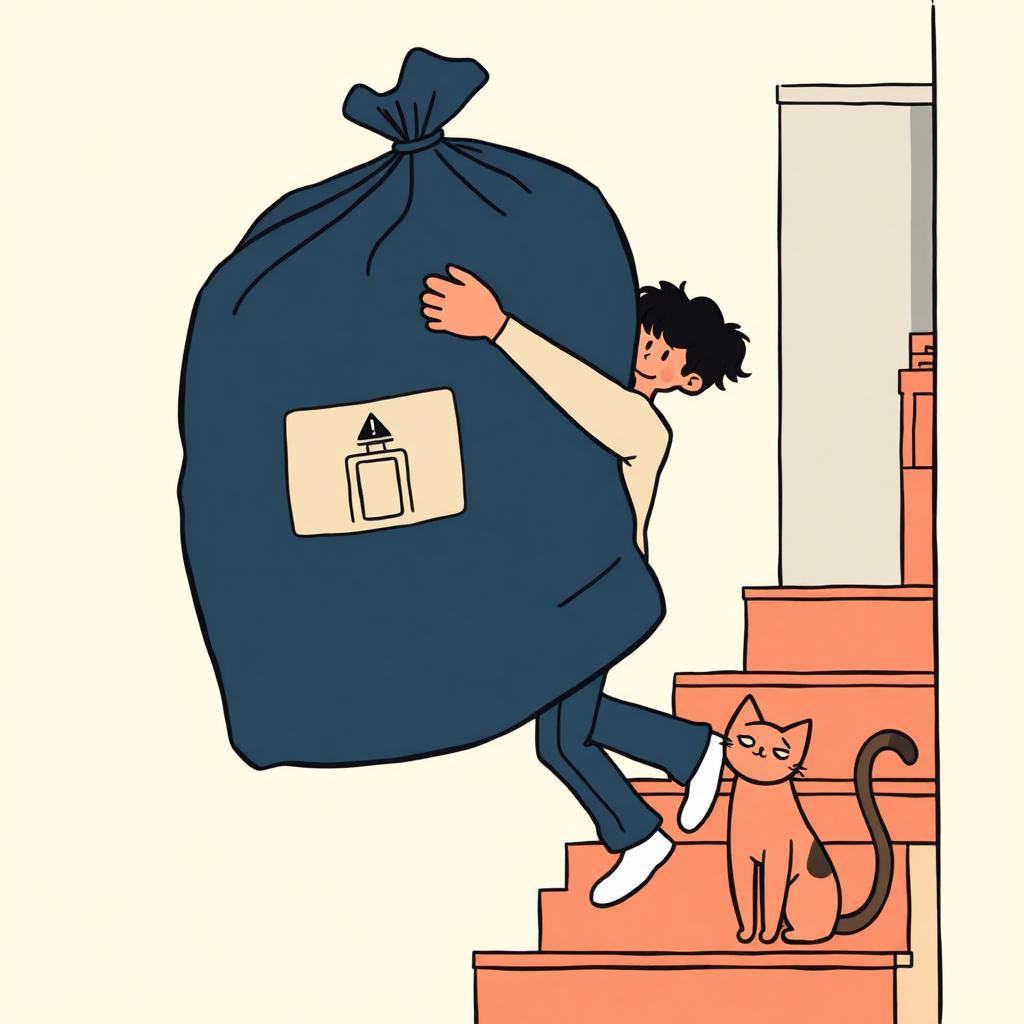
- Small, crumbly, or hidden clumps make urine output hard to judge
- Strong fragrance and dusty litter can mask changes you should notice
- Multi-cat boxes make it difficult to tell which cat produced which clump
- Sudden shifts in clump size or frequency are easy to miss without a simple system
- Choose litter that forms distinct, scoopable clumps you can see and compare day to day
- Use low-dust, unscented litter so odor, color, and texture changes are easier to notice
- Set up one box per cat plus one extra when you need cleaner urine tracking
- A plant-based clumping litter like NEKO can help by making clumps visible and easy to remove without heavy perfume masking the box
Why litter choice matters when you monitor cat urine
If you need to monitor cat urine at home, the litter itself can either help you or get in the way. Most owners are not measuring milliliters. They are looking for practical signals: how many clumps appeared, how large they are, how firm they feel, whether the cat is making repeated tiny spots, and whether anything about odor or color seems off. Those details are much easier to catch when the litter makes a clear clump instead of a damp patch that breaks apart under the scoop. The best litter for urine tracking creates clumps with defined edges, keeps them near the surface long enough to spot, and does not cover everything with heavy fragrance. Good monitoring also depends on consistency. If the litter behaves differently every few days, your observations become less reliable. One week the clumps look large because the box is overfilled; the next week they look small because the litter depth changed. That is why health tracking starts with a predictable litter setup, not just a quick glance into the box. You are trying to notice change over time, and change is only visible when the baseline is stable.
The most useful litter feature is clear, stable clumping
For urine monitoring, clumping quality matters more than fancy add-ons. A useful litter absorbs urine quickly and gathers it into one coherent mass rather than letting it spread across the box floor. That helps you estimate both frequency and volume. A normal-sized clump that holds together during scooping is easy to compare with the clumps from yesterday. Crumbly litter creates noise in the system. It breaks one urination event into several pieces, leaves wet fragments behind, and makes the box look busier than it really is. Overly soft clumps can also stick to the tray, which hides part of the urine output where you cannot see it. The ideal clump is firm enough to lift whole, but not so cement-like that it smears into the pan. Speed matters too. If urine sits before clumping, it can soak a wide area and produce oversized, shallow patches that exaggerate output. That does not mean every clump should be identical. Hydration, diet, stress, temperature, and activity all affect urine volume. What you want is a litter that reflects those changes honestly instead of distorting them.
Low dust and low fragrance make subtle changes easier to catch
Dusty, strongly scented litter is bad for observation. Dust coats the box, the scoop, and sometimes the clumps themselves, which can blur edges and make small fresh deposits harder to spot. It also gets kicked up during digging, leaving a layer of fine particles that can disguise dampness or discoloration. Fragrance causes a different problem. If the litter smells like perfume from the moment you pour it, you lose one of the basic clues owners often notice first: a change in urine odor. No litter will turn you into a lab technician, but heavy scent can hide warning signs that deserve attention, especially if a cat suddenly starts producing very concentrated urine or straining with frequent tiny clumps. Unscented or lightly scented litter is usually more practical when health monitoring is the goal. This is one reason some owners prefer plant-based formulas with a cleaner baseline smell. NEKO, for example, can be useful here because distinct clumping and a less masking scent profile make the box easier to read. The point is not to inspect every clump like a detective. The point is to avoid products that erase useful information.
Color, texture, and contrast affect what you can actually see
Visual contrast is underrated. If the litter and the wet clump look nearly identical, you have to work harder to identify fresh urine spots, especially in a box that has already been used several times that day. Litter that darkens clearly when wet or forms a noticeably different texture gives you better at-a-glance visibility. Texture matters because some pellets or large-grain litters can hide small urine events between pieces, while very fine litter may flatten everything into one vague damp zone. The sweet spot is a format that keeps the urine event visible without scattering so much that the whole surface looks disturbed after one trip to the box. The inside of the litter box matters too. A light-colored box interior often makes clumps easier to see than a very dark tray. So does maintaining the same litter depth every time you top up. If one corner is deep and another is shallow, clumps will look different based on where the cat happened to urinate. For owners tracking a senior cat, a cat with kidney concerns, or a cat recovering from urinary trouble, these simple visibility factors can make the difference between noticing a pattern early and realizing too late that the box has changed.
How to set up the box so urine output is easier to track
Good litter cannot fix a bad setup. Start with enough litter depth to allow clumping without immediate contact with the pan. Too little litter creates flat pancakes stuck to the bottom. Too much can bury fresh clumps so deeply that you miss them until later. Keep the depth consistent whenever you refill. Scoop on a schedule, ideally at the same times each day, because comparison works best when the box is reset regularly. If you are watching one cat closely, separate that cat from housemates for litter breaks when practical, or provide a dedicated box in a quiet area. In multi-cat homes, one box per cat plus one extra is still the most workable baseline, and temporary separation is often the only way to know who produced what. Use a simple note on your phone: time, number of clumps, rough size, and anything unusual such as repeated visits with tiny output. You do not need precision language. “Three medium clumps by 7 p.m.” is useful. “Looked weird” is less useful. If your veterinarian has asked you to observe urine habits, consistency beats perfection. The box should help you collect simple, repeatable information without turning daily cat care into a full-time auditing job.
What normal variation looks like and what deserves attention
Urine clumps naturally vary. A cat that drinks more after eating wet food may produce larger clumps than usual. Warm weather, extra activity, stress, medication, or a recent diet change can all shift output somewhat. That said, the pattern matters more than one odd clump. Repeated tiny clumps, frequent box trips with little production, obvious straining, crying in the box, or no visible urine despite repeated attempts are not things to watch for a week and hope away. On the other end, suddenly very large and frequent clumps over several days can also be worth discussing with a veterinarian, especially if you see increased thirst or weight changes. Blood is not always bright red and obvious; sometimes owners notice a rusty tint or an unusual discoloration on the clump surface or in surrounding litter. Litter will not diagnose the cause, but the right litter can make these changes visible soon enough for you to act. If your cat is male and seems blocked or unable to pass urine, that is an urgent situation. The value of at-home monitoring is not that it replaces veterinary care. It helps you recognize when the pattern has moved from normal variation into a real problem.
Common litter choices that make urine monitoring harder
Some products are simply poor tools for this job. Non-clumping litter makes volume much harder to estimate because urine spreads and disappears into the box material. You may smell that something happened without being able to count how often or compare amounts. Very strong deodorizing formulas can also work against you by masking changes in smell and making every box sniff test equally uninformative. Litters that produce lots of fines and dust leave a messy surface where small clumps blend into the background. Large crystal or pellet styles can be excellent for some households, but they often make urine tracking more about color change and less about distinct clump counting, which may not be ideal if your main goal is frequency and size comparison. Automatic boxes can also complicate monitoring if the cycle runs before you inspect the tray. They are convenient, but convenience is not the same as visibility. During periods when you specifically need to watch urinary habits, a plain box with predictable clumping litter is often the better tool. This is a case where the glamorous option is not necessarily the practical one. Health tracking usually works best when the box tells a simple, readable story.
Advanced tips for cats with urinary history, seniors, and multi-cat homes
If your cat has had urinary issues before, tighten the system. Weighing clumps at home is usually more trouble than it is worth unless your veterinarian specifically asks for it, but you can still improve quality of observation. Use the same box, same litter, same fill depth, and same scooping schedule every day. Photograph the box once or twice a day for a visual record if patterns have been inconsistent; owners often remember “a lot” or “a little” badly. For senior cats, choose litter that is not just observable but easy to enter and dig in, because discomfort can change urination behavior before output changes much. In multi-cat homes, temporary confinement with food, water, and a dedicated box can be the only reliable way to track one cat for a few days. If your cat tends to urinate near the edges, use a larger box so clumps do not merge at the walls and distort size. Replace the entire litter on a regular schedule rather than endlessly topping up, since older saturated particles can alter clump formation. This is where a consistent clumping litter earns its keep. You are not aiming for perfect measurement. You are creating conditions where meaningful changes are visible quickly and with as little guesswork as possible.
Common questions
What litter is best if I need to monitor cat urine at home
Choose a litter that forms clear, intact clumps, produces minimal dust, and does not rely on heavy fragrance. Those features make it easier to count urine events, compare clump size, and notice changes. Non-clumping or strongly scented litters are usually less helpful when observation is the goal.
Can clump size tell me how much my cat is urinating
Roughly, yes. Clump size can give you a practical estimate of urine volume, especially when you use the same litter depth and box setup every day. It is not a medical measurement, but a sudden shift toward repeated tiny clumps or much larger clumps over several days can be useful information to share with your veterinarian.
Is scented litter bad for urine monitoring
It can be. Strong fragrance may hide changes in urine odor that owners would otherwise notice. It can also make every box smell the same, which reduces one of the easier clues available at home. Unscented or lightly scented litter is usually better if you are tracking urinary habits.
How do I track urine output in a multi-cat household
The most reliable method is a separate box for the cat you are monitoring, ideally in a quiet space for several days. If that is not possible, keep one box per cat plus one extra and scoop on a schedule. A quick note about clump count and size after each check helps more than memory alone.
When should changes in litter box clumps worry me
Contact a veterinarian if you see frequent straining, repeated tiny clumps, no visible urine despite repeated box visits, pain signs, or blood. Male cats that seem unable to pass urine need urgent care. Larger or more frequent clumps over time can also matter, especially if your cat is drinking much more than usual.
One switch. Four problems, gone.
Start a NEKO subscription and get your first 7L bag for 40% off. Free shipping, delivered every 4–6 weeks. Skip, pause, or cancel anytime.