Training an Older Kitten Who Has Never Used a Litter Box
Help late-start kittens build bathroom habits with a calm approach that respects their age, mobility, and previous environment.
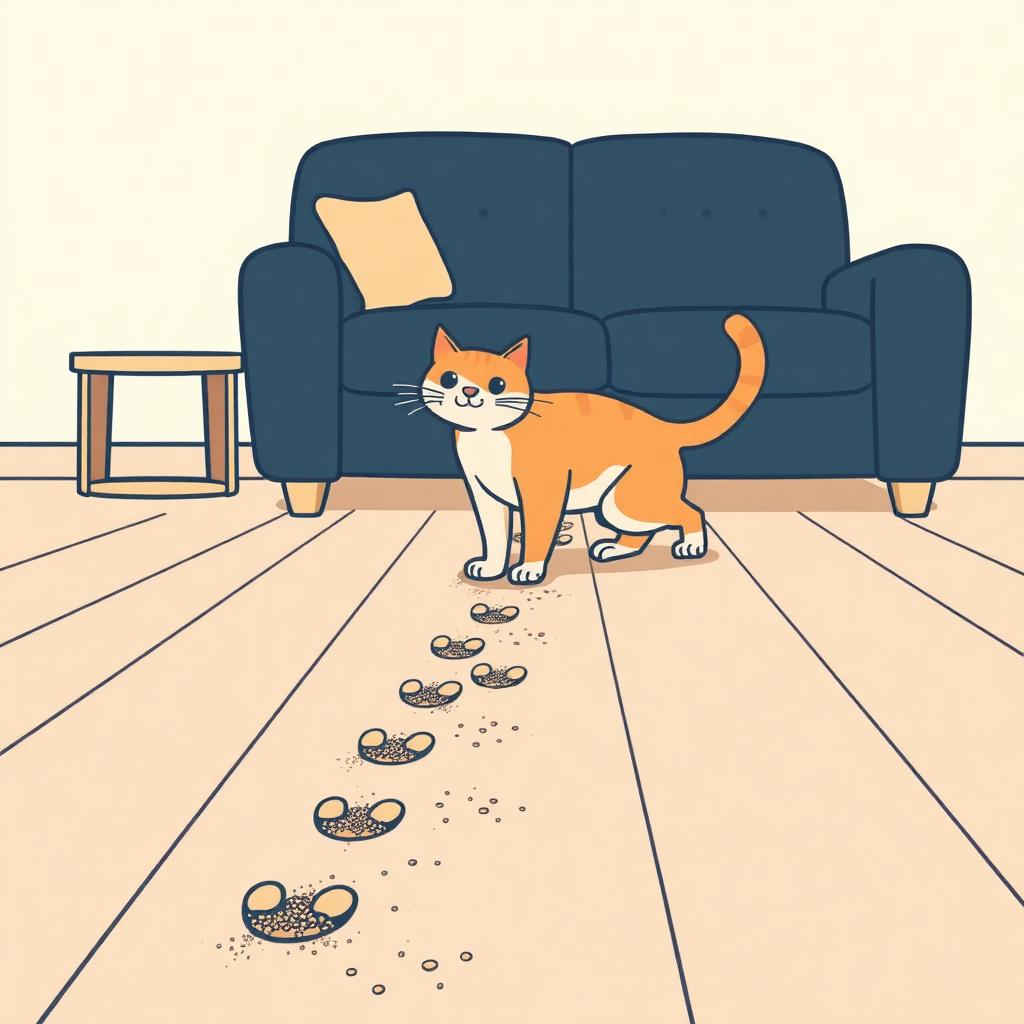
- The kitten may not understand what litter is for and treats soft corners, rugs, or bedding as the bathroom.
- Stress from rehoming, weaning late, or a crowded previous environment can override normal elimination habits.
- Box setup is often wrong for their age or body size: high sides, strong scents, bad location, or too much space too soon.
- Medical issues, parasites, pain, or diarrhea can look like a training problem when they are really a health problem.
- Start with one small, easy room and two low-entry boxes so the kitten can find the toilet spot within seconds, not minutes.
- Use an unscented, soft litter and keep it very clean; many kittens accept a gentle plant-based texture more readily than harsh, dusty litters.
- Interrupt mistakes calmly, place the kitten in the box after meals, naps, and play, and reward the right location immediately.
- If accidents continue beyond several days, or stool and urine look abnormal, have a vet rule out pain, parasites, constipation, or infection.
Why an older kitten never used litter box habits in the first place
If you have an older kitten never used litter box routines before, the first thing to understand is that this is usually a history problem, not a stubbornness problem. Kittens learn elimination habits from environment and repetition. A kitten raised in a clean foster room with a shallow tray often starts using a box almost by accident. A kitten raised outdoors, in a barn, in a crowded room, or in a dirty enclosure may never make that connection. They learn substrate instead. Carpet, laundry, towels, soil in a plant pot, and the dark corner behind a chair can all feel more familiar than litter. Age matters too. A 10- to 16-week-old kitten is bigger and more mobile than a tiny baby, but that does not mean they understand indoor rules. In fact, an older late-start kitten can be more opinionated because they already have a preferred bathroom surface. The good news is that older kittens usually learn fast once the setup is right. They have better coordination, better bladder control, and longer wake windows for practice. Your job is not to force the behavior. Your job is to make the box the easiest, safest, cleanest, and most obvious place to go.
Rule out health issues before calling it a training failure
A kitten who misses the box sometimes has a training gap. A kitten who strains, cries, dribbles, has loose stool, or suddenly avoids the box may have a medical issue. Most vets would rather check a kitten early than after a week of frustration. Diarrhea creates urgency. Constipation makes the box feel associated with pain. Fleas and intestinal parasites can upset the gut. A urinary issue can make a kitten squat frequently in random spots because they cannot hold it, not because they are being difficult. Watch for red flags: repeated trips with little output, blood, mucus, a hard swollen belly, lethargy, vomiting, poor appetite, or hiding. Also notice mobility. Some older kittens come in underweight, sore, or mildly injured. A high-sided decorative box may be physically annoying to enter, especially when urgency hits. If the kitten came from outdoors or a rough setting, a vet exam and fecal check are worth doing early. Training works best when the body feels normal. If everything looks medically fine, you can move forward with confidence and focus on behavior. But if the kitten has accidents plus abnormal stool or urine, fix the health piece first. No litter setup can out-train pain.
Set up a bathroom space that is almost impossible to get wrong
Most litter training problems improve when you shrink the kitten's world. Start in one quiet, easy-to-clean room for several days: a bathroom, small bedroom, or playpen-style area large enough for sleep, play, food, and toilet zones. Put in two boxes, not one. Multiple options matter because one may feel better than the other for reasons you will not predict. Use shallow, open boxes with low entry. Skip covered boxes for now. They trap odor, reduce visibility, and can feel risky to a kitten still figuring things out. Place the boxes away from food and water, but not hidden in a far corner behind obstacles. The kitten should be able to wake up and reach a box in a few steps. Fill each box with a modest depth of unscented litter. Texture matters more than marketing. Most kittens prefer something soft underfoot and low in dust. A gentle plant-based litter can work well because it is easy on paws and usually less abrasive in scent than perfumed clay. NEKO fits honestly into that category if you want a tofu-based option, but the bigger point is softness, cleanliness, and low odor. Keep the room simple. Remove piles of laundry, bath mats, cardboard boxes, and anything else that could become an attractive alternative toilet.
Teach the behavior with timing, not punishment
You do not need to show a kitten the box every ten minutes. You do need to catch the moments when elimination is most likely. The main windows are right after waking, right after meals, after active play, and after any period of intense sniffing or circling. Quietly place the kitten in the box during those windows. If they hop out, that is fine. Try again a few minutes later instead of turning it into a wrestling match. Many kittens will scratch, squat, and finish once the urge peaks. The second they use the box, reward them immediately with calm praise, a tiny treat, or a short play session. Timing matters. Reward within a few seconds so the kitten links the box with success. If you catch an accident starting, interrupt gently with a soft sound or by lifting them and placing them into the box. No yelling, no nose-rubbing, no chasing. Punishment teaches only one thing: hide when you need the toilet. That is how you end up with pee behind the sofa. If the kitten has already finished outside the box, clean it and move on. Training is mostly repetition plus environment. The clearer the routine, the faster the habit forms.
Pick the right litter and box details for a late-start kitten
Owners often focus on location and forget the sensory side of toileting. Cats care about what a box feels like, smells like, and sounds like. An older kitten with no prior box experience may reject a setup that seems fine to you. Start simple: unscented litter, open tray, low sides, easy footing. Avoid deodorizer crystals, liners that crinkle, and strong cleaning sprays around the box. Heavy perfumes can make a cat avoid the box entirely. If your kitten came from outdoors, they may prefer a finer, soil-like texture at first. If they were raised on blankets or towels, they may need a little more coaching because fabric-like surfaces feel familiar. In that case, remove rugs and soft piles from the training room so the box wins by default. Depth matters too. Too little litter can feel slippery; too much can feel unstable. A moderate layer is usually best. Scoop often. A kitten with only one or two successful experiences may decide a dirty box is not worth revisiting. If you want to test preferences, set up two trays with different textures and see which one gets used more. Keep every other variable the same. The kitten's behavior gives you the answer faster than any packaging claim.
Clean accidents the right way or the habit will repeat
Cats return to places that smell like a bathroom, even when humans think the area is clean. That is why one accident on a rug can turn into four. Use an enzymatic cleaner designed to break down urine and stool residue. Standard soap may remove the visible mess but leave scent markers behind. Blot urine first rather than rubbing it deeper into the fibers. Follow the cleaner instructions and allow enough dwell time. For bedding or washable fabric, clean thoroughly and keep it out of the training area until the habit is stable. If a spot keeps getting reused, block access temporarily with furniture, a closed door, or an upside-down laundry basket when you cannot supervise. Avoid ammonia-based cleaners because they can smell urine-like to cats. Do not leave a soiled paper towel inside the box as a trick unless it is just a tiny amount and you are actively observing. For some kittens it helps, but for others it makes the box smell dirty too early. The better strategy is to protect non-box surfaces and keep the actual box very attractive. If the kitten chooses one wrong corner repeatedly, place a box there for now. Reliability comes first. You can move the box gradually later once the behavior is established.
What to do if the kitten uses the box for pee but not poop, or vice versa
Split behavior is common and very fixable. A kitten who pees in the box but poops elsewhere may dislike the box condition after urinating, may want a second box, or may associate bowel movements with more urgency or discomfort. Scoop immediately after use and add another box nearby. If stool is loose, hard, or seems painful to pass, talk to your vet. A kitten who poops in the box but pees elsewhere may be marking, may be reacting to stress, or may dislike the litter texture specifically for urination. Watch patterns. If pee accidents happen on soft surfaces, the kitten may simply prefer absorbent material. Remove those options and keep them in the small training room longer. If accidents happen at room thresholds or far corners, the area may be too large too soon. Reduce roaming space and rebuild success. Some kittens also prefer one box for urine and one for stool. Humans find that high-maintenance. Cats do not care. Give them the option. If you are fostering multiple kittens, do not assume they can all share one setup. A rough estimate most rescue people use is more boxes than cats, not fewer. Competition, ambushing, and interrupted bathroom trips can derail training fast.
Expanding freedom without losing the habit
Once the kitten has several consecutive days of reliable box use in the starter room, increase freedom in stages. Open access to one adjacent room, not the whole home. Add another box in the new area before the first accident happens. The rule is simple: if distance from the kitten to the nearest box starts to feel long, add a box. Young cats do not plan bathroom trips the way adults do. They notice the urge and then need an easy option. During the expansion phase, keep routines boring. Feed on a predictable schedule, keep boxes in stable locations, and continue scooping frequently. If accidents restart, do not call the training ruined. Roll back to the previous successful territory for two or three days, then try a slower expansion. Households with dogs, children, or loud laundry rooms may need more caution because kittens avoid boxes placed near noise or ambush points. Put at least one box on every main level of the home. If stairs are involved, do not assume a late-start kitten will race downstairs in time. Older kittens usually catch on quickly once they understand the rule, but consistency matters more than speed. A well-trained cat is built through hundreds of easy, uneventful correct choices. Glamorous, it is not. Effective, it is.
Common questions
How long does it take to train an older kitten who has never used a litter box?
Many older kittens learn the basic idea within a few days when the setup is right, but solid reliability often takes a bit longer. Expect faster progress if you use a small room, two low-entry boxes, and close supervision after meals and naps. If there is no improvement after several days, review the setup and rule out medical issues.
Can an older kitten never used litter box habits still learn, or is it too late?
Yes. It is rarely too late. An older kitten can actually be easier to train than a very young one because they have better coordination and can hold urine and stool a bit longer. The challenge is not age. It is replacing an old surface preference with a better option and making the box obvious, easy, and safe.
What type of litter is best for a kitten that keeps going on the floor?
Start with an unscented, soft-textured litter in an open, shallow box. Many kittens dislike strong fragrance, dust, or rough granules. If the kitten came from outdoors, a finer texture may feel more natural. If you want a plant-based option, a gentle tofu litter like NEKO can be a good fit because it is typically soft on paws and low in added scent.
Should I put the kitten in the litter box after every meal?
After meals, naps, and active play is smart, especially during the first week. You are not forcing the kitten to go. You are helping them be in the right place when the urge happens. If they jump out, stay calm and try again a few minutes later. The goal is good timing, not restraint.
Why does my kitten use the box sometimes and the carpet other times?
Usually because one variable is still working against you. The carpet may feel softer, the box may be too dirty, the room may be too large, or there may not be enough boxes. Inconsistent use means the kitten has not fully accepted the box as the best bathroom surface yet. Tighten the setup and clean accidents with an enzyme cleaner.
One switch. Four problems, gone.
Start a NEKO subscription and get your first 7L bag for 40% off. Free shipping, delivered every 4–6 weeks. Skip, pause, or cancel anytime.