Tofu vs Paper Cat Litter: Which Works Better for Odor and Easy Scooping?
Compare tofu and paper litter on absorption, clumping, smell control, and softness to see which suits your cat and home.
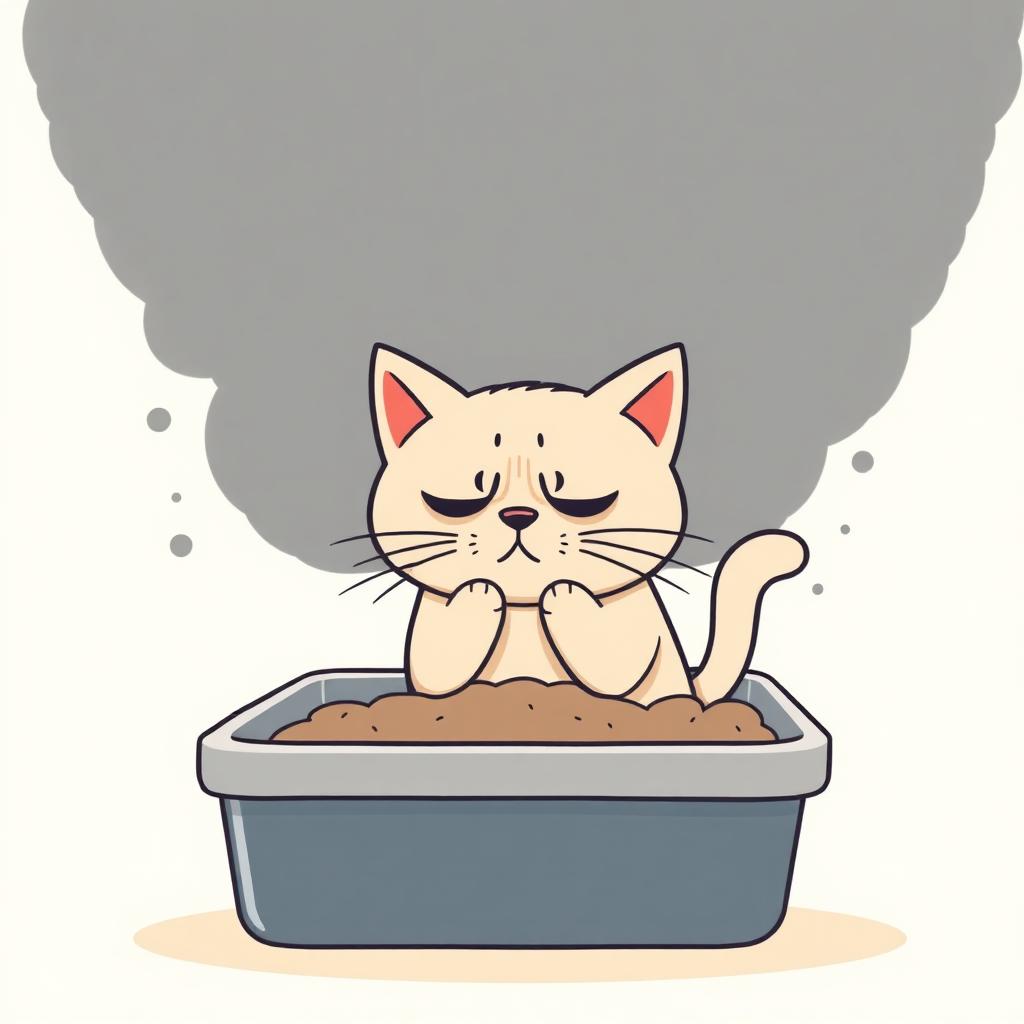
- The box still smells bad even when you scoop every day
- Wet litter turns to mush or sticks to the tray
- Your cat dislikes the texture and starts avoiding the box
- Tracking, dust, or heavy bags make routine cleanup harder
- Choose litter by the job it needs to do first: odor control, clumping, softness, or low dust
- Use a deep enough layer so liquid can absorb before it reaches the bottom of the tray
- If easy scooping matters most, a firm clumping tofu litter usually saves more time than paper
- For cats with very sensitive paws or post-op needs, paper can be a useful short-term option
What matters most when comparing tofu vs paper litter
Most cat owners do not care about litter theory. They care about three things: smell, scoopability, and whether the cat will actually use the box. That is the useful starting point for tofu vs paper litter. Tofu litter is usually made from plant fibers such as soybean byproduct pressed into pellets or granules. Paper litter is usually made from recycled paper formed into pellets or soft crumbs. They behave very differently once urine hits them. Tofu litter typically absorbs quickly and forms clumps, which means you remove the dirty part and leave the rest behind. Paper litter usually absorbs moisture into the pellet but does not clump tightly, so wet spots can break apart or sit in the box until a fuller change. That difference affects odor more than most people expect. A box that lets urine stay spread out over a larger area tends to smell sooner. Texture also matters. Some cats like the softer, lighter feel of paper, while others prefer the finer underfoot feel of small tofu granules. If your main frustration is lingering odor and sticky cleanup, tofu usually has the edge. If your cat needs the gentlest possible surface, paper can make sense.
Absorption and clumping decide how easy cleanup feels
The easiest litter to clean is not always the one that absorbs the most liquid on paper. It is the one that manages liquid in a way you can remove cleanly. Tofu litter usually absorbs urine fast and binds it into a compact clump. That matters because the liquid is isolated instead of spreading across the tray floor. When clumps hold together, scooping takes seconds and less clean litter gets thrown away. Paper litter handles moisture differently. The pellet swells, softens, and holds liquid inside the material, but it often does not create a neat mass you can lift out in one piece. In a single-cat home that may be manageable. In a multi-cat box, wet paper can become patchy, heavy, and harder to separate from clean litter. It can also leave damp areas behind, which means the tray needs wiping more often. This is why owners who want low-effort maintenance often move away from paper after the first few weeks. A good tofu litter, including products like NEKO when a plant-based clumping litter is what you need, tends to fit the daily scoop routine better. You remove waste, top up the box, and keep the rest of the litter working longer.
Odor control: the real issue is urine management, not perfume
Bad litter odor usually comes from urine sitting too long, not from a lack of fragrance. Once urine pools, bacteria begin breaking down urea into ammonia compounds, and the box starts to announce itself to the room. The best odor control comes from limiting that contact time and surface area. Tofu litter often does this well because quick clumping traps moisture in one place, so you can remove it before smell builds. Some plant-based litters also have a natural ability to absorb odor without adding strong scent, which many cats prefer. Paper litter is often low in smell when freshly changed, but it can lose ground after repeated use because moisture remains dispersed through softened pellets. That can be fine if you are doing frequent full changes, but less ideal if you want a scoop-and-go routine. Stool odor is a separate issue. No litter fully solves uncovered or loosely buried stool, but finer textures usually let cats bury waste more effectively than large paper pellets. If your box smells despite regular scooping, check two practical points before blaming the litter: is the box filled deeply enough, and are you removing urine clumps before they break down. The answer is often there.
Softness under paw: why some cats choose one texture over another
Humans tend to focus on smell and mess. Cats care a great deal about feel. A litter can be technically excellent and still fail if the cat dislikes the texture. Paper litter is often chosen for softness, especially after surgery or for kittens, seniors, or cats with irritated paws. The pellets are lightweight and usually gentle, though some pellet styles are actually quite bulky and awkward for digging. Tofu litter varies more by shape. Fine-grain tofu litters can feel closer to what many cats naturally prefer: a softer, diggable substrate that covers waste easily. Larger tofu pellets may track less, but some cats take longer to accept them. This is where observation matters more than marketing language. If your cat enters the box, balances on the edge, scratches the wall instead of the litter, or urinates quickly and leaves, texture may be the problem. For healthy adult cats, tofu often strikes a better balance between comfort and performance than paper. For very sensitive cats, paper can be helpful during a recovery period. If you are switching, mix old and new litter gradually over several days. Sudden texture changes are one of the fastest ways to trigger box avoidance.
Dust, tracking, and weight: the practical annoyances that change your routine
A litter can perform well and still be annoying enough that you stop buying it. Dust, tracking, and bag weight are not minor details when you deal with them every day. Paper litter is usually low dust, which is one reason vets often suggest it in certain medical situations. That can be a relief in a small flat or for households trying to avoid fine particles around the box. Tofu litter is also often relatively low dust compared with many mineral litters, though exact performance depends on how the pellets or granules are processed. Tracking is mixed for both. Large paper pellets may stay near the box, but small paper crumbs can wander. Tofu granules can stick lightly to paws and travel farther if your cat kicks vigorously, though a decent litter mat solves much of that. Weight is where both plant and paper litters can be easier to handle than heavier clay options, but paper often takes up more volume for the same job. One hidden factor is how often you need to replace the whole box. A litter that is low dust but needs frequent full changes may create more work overall than a cleaner-clumping option that stays fresh with top-ups.
When paper litter is the better choice
Paper litter does have clear wins, and pretending otherwise is not useful. It is often a sensible choice for temporary medical needs. Cats recovering from surgery may be advised to avoid fine, dusty, or strongly clumping substrates that could stick to wounds. In those cases, paper can offer a gentler surface and a simpler short-term setup. It can also suit households that prioritize very low dust over all else, especially if the cat is easygoing and the owner does not mind changing the box more often. Some cats also simply prefer the feel of paper, and preference matters. A cat who willingly uses a paper-filled box is better off than a cat who rejects a technically superior litter. That said, paper becomes less convincing when the home has multiple cats, one box gets heavy traffic, or odor builds quickly in warm rooms. Non-clumping absorbency starts to work against convenience. You may find yourself stirring, checking, and replacing larger amounts of litter to keep the tray from becoming damp. For short-term use, paper is often practical. For long-term daily management, especially where scooping efficiency matters, many owners eventually want something that clumps more decisively.
When tofu litter is the better fit for most homes
For routine use, tofu litter often suits the way most people actually maintain a litter box. The usual pattern is simple: scoop once or twice a day, top up what was removed, and do a full clean on schedule rather than out of desperation. That system works best with a litter that traps urine quickly, forms stable clumps, and does not turn the tray into a damp patchwork by day three. Tofu litter generally does that better than paper. It is especially helpful in smaller homes where box odor spreads fast, in multi-cat households where each tray gets more traffic, and for owners who want less waste from throwing out broad wet areas. Many plant-based tofu litters also come with finer textures that cats adapt to easily. NEKO belongs in this category when you want a premium tofu litter focused on quick clumping, odor control, and a cleaner scoop. That is not to say tofu is perfect for every cat. A cat recovering from paw issues may still do better on paper for a while. But for healthy adult cats and normal day-to-day maintenance, tofu tends to be the more efficient tool. It solves the daily problem rather than asking you to work around it.
How to switch litters without creating a protest pee situation
The best litter on earth is useless if your cat refuses it. Switches fail when owners change too much, too quickly. Start by keeping the box itself the same if possible. Cats notice box size, hood shape, room location, and cleaning smell, not just the litter. Begin with roughly three parts current litter to one part new litter for a few days, then move to half and half, then mostly new litter. Some cats are ready in less than a week. More sensitive cats may need longer. Watch for small signs of resistance before a full strike happens: hesitant digging, perching on the rim, spending less time burying, or urinating in a corner instead of the usual spot. If that starts, slow the transition rather than forcing it. Box setup matters too. Keep the litter depth consistent so the new texture does not feel strange simply because it is too shallow. Scoop promptly during the transition so the cat associates the new litter with a clean box. If you are moving from paper to tofu because of odor, expect the biggest improvement once the box is mostly tofu and old damp paper is fully gone. Hybrid boxes rarely show the full benefit immediately.
Common questions
Is tofu vs paper litter better for odor control?
Usually tofu litter. The main reason is clumping. When urine is locked into a scoopable clump, you can remove it before ammonia smell builds. Paper litter can absorb moisture well, but it often leaves wet material spread through the box, which tends to smell sooner unless you change it more often.
Is paper litter safer for kittens or after surgery?
It often is a good short-term option. Many vets recommend paper-based litter after certain procedures because it is low dust and less likely to stick to healing areas. For kittens, it can also be useful while they are still learning box habits. Once the medical or early-life stage has passed, many owners switch to a litter that clumps more effectively.
Does tofu litter track more than paper litter?
It depends on pellet size and your cat's digging style. Fine tofu granules can travel farther on paws than large paper pellets. On the other hand, soft paper crumbs can scatter too. A litter mat, a box with higher sides, and keeping the box away from high-traffic hallways make a bigger difference than most packaging claims.
Which is easier to scoop: tofu or paper?
Tofu is usually easier to scoop because it forms firmer clumps. Paper litter often absorbs urine without making a clean, liftable mass, so wet spots can break apart or remain in the tray. If easy daily maintenance is your priority, tofu generally feels less frustrating.
Can I switch from paper to tofu litter suddenly?
You can, but it is not the safest approach if your cat is particular. A gradual switch over several days is usually better. Mix a small amount of tofu into the current paper litter, then increase it step by step while keeping the box clean and the litter depth consistent.
One switch. Four problems, gone.
Start a NEKO subscription and get your first 7L bag for 40% off. Free shipping, delivered every 4–6 weeks. Skip, pause, or cancel anytime.