Pine vs Walnut Cat Litter: A Side-by-Side Comparison for Everyday Use
See how pine and walnut litter differ in dust, odor, scooping, and how much mess they create outside the box.
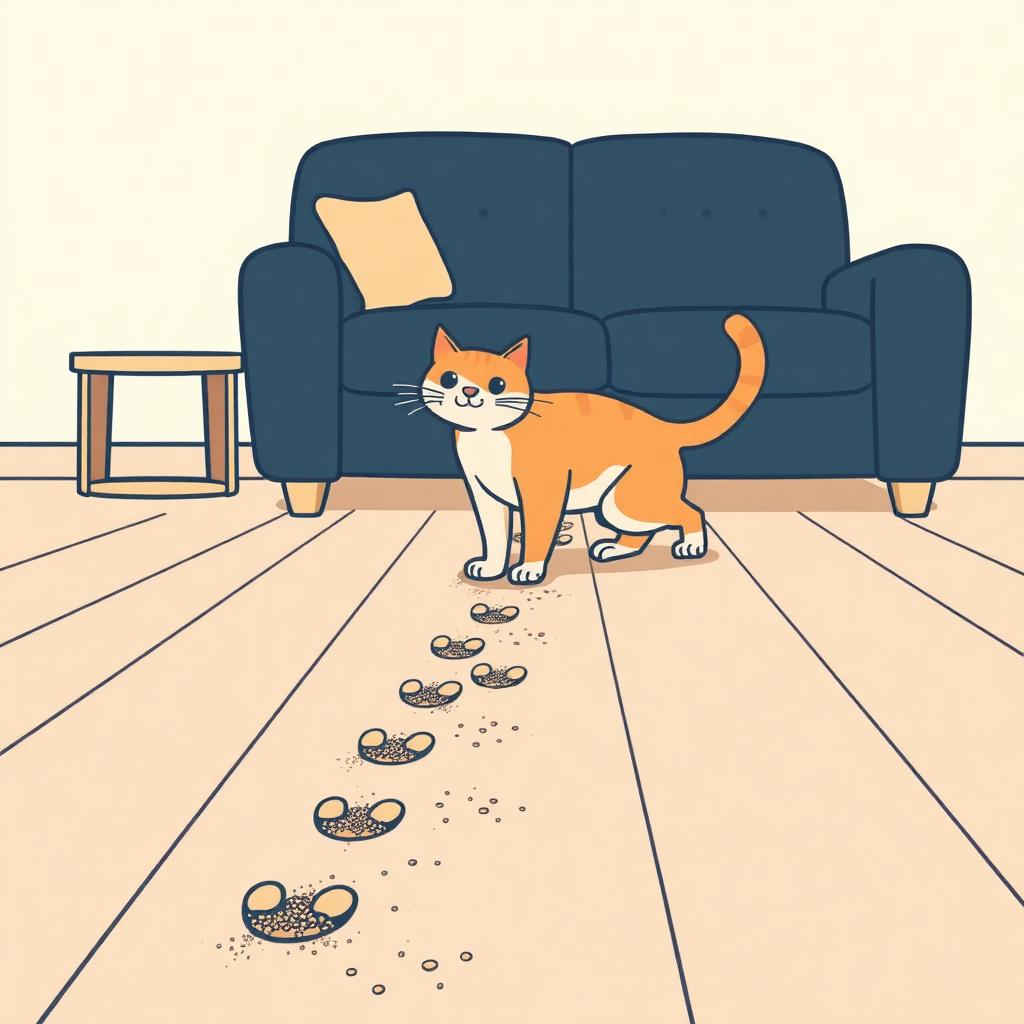
- Dust clouds during pouring or scooping can irritate cats and people.
- Some litters control odor well at first but struggle once urine builds up.
- Pellets, granules, or soft clumps can make daily scooping harder than expected.
- Tracked litter and dark debris outside the box create extra cleanup around the home.
- Match the litter format to your routine: pellets for lower tracking, clumping granules for easier spot cleaning.
- Use a large box, proper litter depth, and a mat to reduce mess regardless of material.
- If odor and daily scooping matter most, many cat owners do better with a low-dust clumping plant litter such as NEKO.
- Transition slowly over several days so your cat accepts the new texture and scent.
What cat owners usually mean when they compare pine vs walnut litter
Most comparisons of pine vs walnut litter are really about trade-offs in daily life, not raw ingredients. Pine litter is usually made from compressed wood fiber and sold as pellets or, less often, finer granules. Walnut litter is typically made from crushed walnut shells and is more often a loose, granular litter that can clump. That difference in form changes almost everything: how it feels under paws, how easily urine gets isolated, how much dust shows up in the room, and how much ends up on your floor. Pine pellets often appeal to owners who want a simpler, lower-tracking setup and do not mind replacing more of the box at once. Walnut tends to appeal to people who want to scoop urine clumps daily instead of waiting for pellets to break down. Neither option is universally better. A cat that likes soft, sand-like texture may reject large pine pellets. A home with asthma concerns may be more sensitive to fine walnut dust, depending on the product. The practical question is not which material sounds more natural. It is which one works with your cat’s preferences, your cleaning routine, and your tolerance for dust, smell, and tracked debris.
How the two litters actually work inside the box
Pine controls waste mostly through absorption and fiber structure. Pellets take in urine, swell, and gradually break apart into damp sawdust. That means the clean box depends on separating intact pellets from spent material or changing the box often enough that the broken-down layer does not sit too long. Odor control comes partly from moisture absorption and partly from the natural smell of wood, which can mask mild smells for a while. Walnut works differently. Crushed shell particles create a larger surface area and, in clumping formulas, bind around urine so you can remove the soiled portion. That changes the maintenance pattern from periodic full refreshes to frequent spot scooping. It also means the quality of the clump matters a lot. If the clump is firm, cleanup is easy. If it is soft or sticky, the litter can smear on the base of the box and create odor pockets. Stool handling also differs. With pine pellets, feces often sit on top and are easy to remove, but loose stool can coat pellets quickly. With walnut, stool can be buried more fully, which helps odor, but the fine particles can stick to soft waste. The better system depends on whether you prefer batch cleaning or steady daily scooping.
Dust levels: where the real difference shows up
Dust is one of the first things owners notice, and format matters more than marketing claims. Pine pellets are generally low dust when you first pour them because the pieces are large and heavy. That is a real advantage for people who hate a visible cloud or have a cat that sneezes around the box. The catch comes later. As pellets absorb urine and crumble, the bottom of the box can collect fine sawdust. If you stir the box aggressively or let too much spent material build up, dust can rise during cleaning. Walnut litter often starts finer from the beginning, so some products produce visible dust during pouring and scooping, especially if the bag contains lots of fractured particles. Dark dust is still dust; it just does not always look dramatic against a dark box. For cats with sensitive airways, either litter can work poorly if box maintenance is inconsistent. The best test is practical: pour a small amount from waist height, rake it lightly, then scoop after a few days of normal use. If your floor, the box rim, or your cat’s paws carry powder, the dust level is higher than you want. If low airborne mess is the top priority, pellet-style pine often has an edge over loose walnut granules.
Odor control over one day versus one week
A litter can smell acceptable on day one and still fail in real use. Pine often handles fresh urine reasonably well because dry wood fiber absorbs moisture fast and the natural wood smell can soften the initial ammonia note. But once enough pellets turn to damp sawdust, odor control can slide quickly. The box may smell fine from a distance and noticeably sour when stirred. That is why pine pellet systems usually reward frequent sifting or regular full changes rather than neglect. Walnut can perform better over several days if the clumps stay intact and are removed promptly. When urine is sealed into a firm clump, less moisture remains in the bed of litter, which slows odor buildup. The downside is obvious when clumps fail. Wet shell particles can stick to the box floor, crumble during scooping, and leave behind residue that keeps smelling even after you think you cleaned it. Stool odor is a separate issue. Pine’s larger pieces leave more air space, so uncovered stool can smell stronger unless removed quickly. Walnut’s finer granules can cover stool more completely, but if the litter itself holds onto odor after repeated use, the whole box can develop a heavier, earthy smell. If your schedule allows twice-daily scooping, walnut often has the better odor ceiling. If you prefer simpler low-contact cleaning, pine may feel cleaner for short stretches.
Scooping, sifting, and how much effort each one takes
The easiest litter is the one that matches the tools and habits you already use. Pine pellets are not usually ideal for a standard fine-slotted scoop because urine does not form classic clumps. Instead, many owners rely on a sifting tray or a larger scoop that separates intact pellets from sawdust. When that setup is dialed in, pine can be straightforward. Remove stool daily, sift out spent fiber, top up as needed, and replace the box contents on schedule. Without a good system, though, it becomes annoying fast. You end up pushing around heavy pellets while damp sawdust settles in corners. Walnut litter is usually more familiar to anyone who has used clumping litter before. Scoop the clump, shake off clean granules, and move on. But walnut’s convenience depends on clump strength and litter depth. Too shallow, and urine reaches the bottom before it can bind. Too deep, and soft clumps can break under their own weight. Most boxes do best when the litter is deep enough for your cat to dig without exposing the base. If your goal is the quickest daily routine, a reliable clumping litter usually wins over pellets. That is one reason some owners who like plant-based materials eventually move to a low-dust tofu litter such as NEKO, which gives a more traditional scoop-and-go workflow without mineral dust.
Tracking and floor mess: which one follows your cat home
Tracking is where many nice-sounding litter choices fall apart. Pine pellets are larger and heavier, so they are less likely to cling to fur or wedge deeply between toes. If your cat launches out of the box, a few pellets may bounce onto the floor, but they are easy to pick up and do not usually spread far. Once pellets break down into sawdust, however, the mess changes. Fine wood particles can collect around the box, especially if your cat likes to dig hard before or after peeing. Walnut litter tends to track more because the particles are smaller and closer to the texture of sand. That softer feel is pleasant for many cats, but it also means more bits hitch a ride on paws. The color can make the problem look worse or better depending on your flooring; dark shell particles stand out on pale tile, while pale wood dust shows up on dark mats. Long-haired cats amplify the issue with either litter. A high-sided box, a decent exit mat, and enough box space all help. So does keeping litter depth under control. Overfilled boxes create a launching pad for scatter. If your household cannot tolerate much debris outside the box, pine pellets usually have the advantage in raw tracking, while clumping walnut can create a wider ring of fine granules around the area.
Cat preference, paw feel, and who tends to reject which type
Cats care far more about texture than owners expect. Pine pellets are the bigger gamble because the pieces are large, firm, and unfamiliar compared with the loose, soil-like texture many cats naturally prefer. Kittens, seniors with sore joints, and declawed cats can be especially opinionated about hard pellets. Some adapt immediately. Others perch awkwardly, dig less, or start looking for softer places to eliminate. Walnut usually has a better chance of instant acceptance because it feels closer to traditional clumping litter underfoot. That soft granular texture also makes burying behavior easier, which many cats find satisfying. But walnut is not a guaranteed win. Some cats dislike the darker color, strong earthy smell, or dust on their paws. Multi-cat homes add another complication. One confident cat may accept pellets while another quietly stops using the box. If you are switching from clay or a fine plant litter, walnut is typically the gentler transition. If you want to test pine, offer a second box with pellets rather than forcing a full switch on day one. Watch for subtle stress signs: hovering in the box, scratching the wall instead of the litter, or eliminating right beside the box. Those are not bad manners. They are product feedback.
When pine makes sense, when walnut makes sense, and when neither is ideal
Pine makes sense when low initial dust, lower tracking, and simple natural material matter more than perfect clumping. It can work well in single-cat homes where the box is cleaned consistently and the owner does not mind using a sifting setup or doing more complete refreshes. It is also useful if your cat does not mind pellets and your floor situation makes tracked granules especially annoying. Walnut makes more sense when your priority is daily scooping and stronger medium-term odor control, assuming the product forms firm clumps. It often suits cats that insist on a soft digging texture and owners who want the familiar routine of removing urine and stool separately. Neither option is ideal if your main problem is a combination of low dust, strong clumping, low tracking, and high cat acceptance. That is a hard set of requirements for both pine and walnut to meet at once. In those cases, many owners end up preferring a plant-based tofu litter because it behaves more like a refined clumping litter while staying relatively low mess. NEKO fits honestly into that middle ground for households that want easier scooping than pine and less gritty scatter than many loose granule litters. The right answer is less about ideology and more about what keeps the box clean enough that your cat keeps using it.
How to test a new litter without creating box avoidance
A clean transition is more important than the material itself. Start with a second litter box if you have room. Put the new litter there and keep the old litter unchanged in the original box. This gives you real preference data instead of forcing compliance. If a second box is not possible, mix gradually over several days, increasing the new litter in small steps so the smell and texture shift does not feel abrupt. Keep the box in the same location, use the same box style at first, and avoid adding liners or deodorizers during the change. Those extra variables muddy the result. Scoop more often than usual during the trial. Cats are less tolerant of dirty boxes when they are already unsure about the substrate. If you test pine pellets after a soft litter, make sure the box is large enough that your cat can stand comfortably without balancing on a mound. If you test walnut, watch the box floor for weak clumps that stick and create odor. A fair trial usually takes several days, sometimes longer with cautious cats. If your cat urinates outside the box even once during the switch, do not push through stubbornly. Go back a step. Success comes from reducing friction, not winning an argument with a small carnivore that has access to your carpet.
Common questions
Is pine vs walnut litter better for odor control?
It depends on the product format and your cleaning routine. Pine can handle fresh odor well but often loses ground as pellets break into damp sawdust. Walnut usually has the advantage if it forms firm clumps and you scoop daily, because more urine leaves the box instead of staying behind. If clumps are weak, that advantage disappears quickly.
Does walnut litter have more dust than pine litter?
Often, yes. Pine pellets are usually lower dust when first poured because the pieces are large. Walnut litter is typically finer, so it can create more airborne dust during pouring and scooping. But used pine pellets can also create sawdust over time. The actual winner depends on the specific product and how often you clean the box.
Which tracks less around the house, pine or walnut?
Pine pellets usually track less because they are larger and heavier. You may find a few pellets near the box, but they do not usually spread far. Walnut litter tends to travel more on paws, especially with long-haired cats or enthusiastic diggers. A good mat helps either way, but pine generally creates less fine scatter.
Do cats prefer pine or walnut litter?
Many cats accept walnut more easily because the texture is softer and closer to traditional litter. Pine pellets can feel awkward underfoot, especially for picky cats, seniors, or cats with sore paws. Some cats do fine on pellets, but if your cat is texture-sensitive, walnut is usually the safer first test.
Is pine vs walnut litter better than tofu litter?
Neither is automatically better. Pine can be lower tracking, and walnut can be easier to scoop than pellets, but both involve trade-offs. Tofu litter often appeals to owners who want plant-based litter with low dust and cleaner clumping. If you want a middle-ground option, that is where products like NEKO can make more sense.
One switch. Four problems, gone.
Start a NEKO subscription and get your first 7L bag for 40% off. Free shipping, delivered every 4–6 weeks. Skip, pause, or cancel anytime.