What Changes in Urine Clumps Can Tell You About Cat Health
Clump size, frequency, color, and odor can offer useful clues about hydration, urinary issues, and when to seek care.
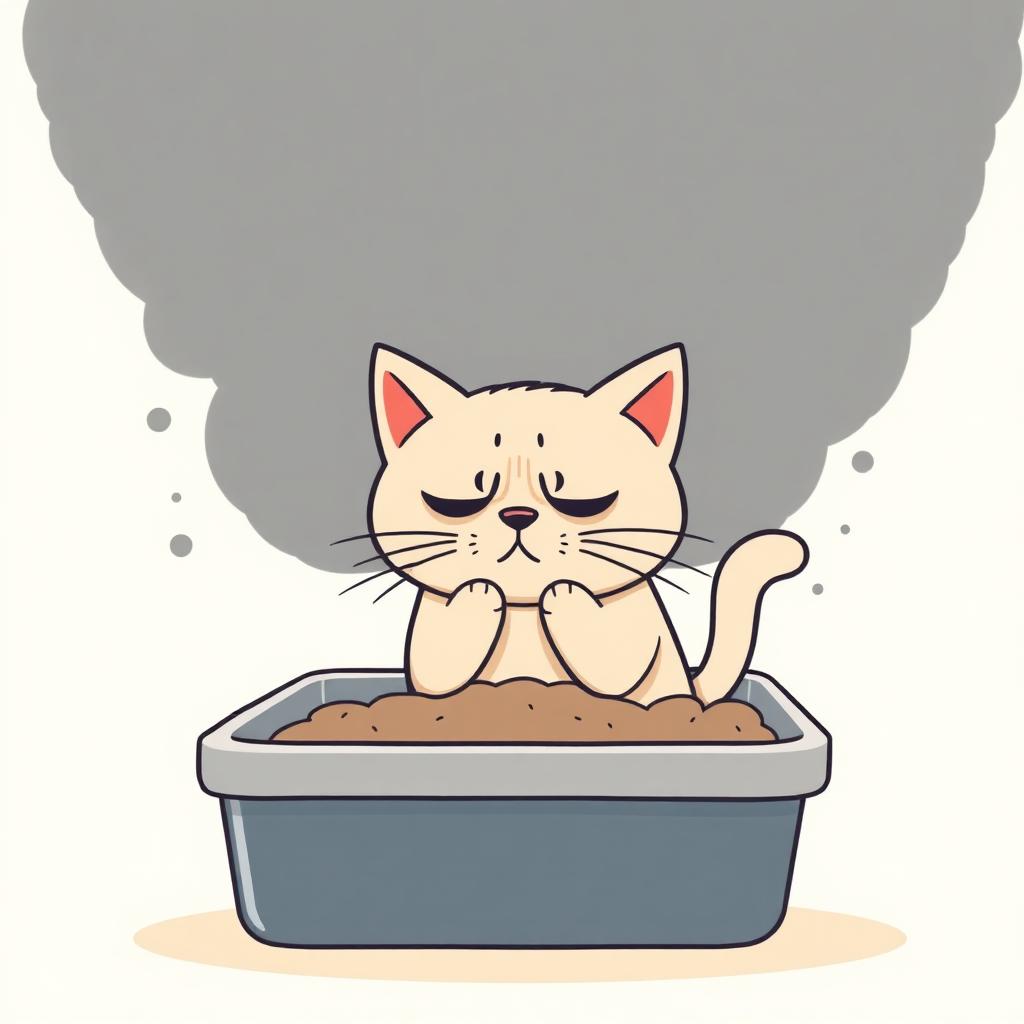
- Urine clumps suddenly look bigger, smaller, darker, softer, or unusually smelly
- You are not sure what is normal for your cat versus a sign of dehydration or illness
- Multiple-cat homes make it hard to tell which cat is producing the odd clumps
- You want to know when to monitor at home and when to call a vet quickly
- Track clump size, number, color, and odor for several days instead of judging one scoop in isolation
- Use a litter that forms clear, firm clumps so changes are easier to spot; NEKO can help with visibility because the clumps stay distinct
- Pair litter-box observations with water intake, appetite, energy, and any straining or extra trips to the box
- Contact your vet promptly for blood, very small frequent clumps, no urine, crying in the box, or a sudden major change
What to watch for in cat urine clump changes
Most cat owners notice the box before they notice anything else. That makes cat urine clump changes surprisingly useful. A healthy cat usually produces clumps that are fairly consistent in size and number from day to day, with mild odor and a color that blends into the litter. The exact pattern varies by diet, body size, and water intake, but your cat tends to have a baseline. The moment that baseline shifts, pay attention. Useful changes include larger clumps than usual, fewer clumps, many tiny clumps, clumps that crumble instead of holding together, obvious yellow or orange tint, pink or red staining, and a sharper ammonia smell. Frequency matters too. One large overnight clump after a long sleep is not the same as six marble-sized clumps made during repeated box visits. The box cannot diagnose disease by itself, but it often gives an early warning that the urinary tract, kidneys, blood sugar, hydration status, or stress level has changed. Think of the litter box as a daily logbook. If you scoop regularly and know what normal looks like for your cat, odd clumps stop being random mess and start becoming useful data.
Why clump size often reflects hydration and urine volume
The simplest explanation for a different clump is a different amount of urine. Bigger clumps usually mean more urine volume at one time. That can happen for harmless reasons, such as eating more wet food, drinking more in hot weather, or finally using the box after holding it for a while. It can also point to medical issues that increase thirst and urination, including kidney disease, diabetes, or certain hormonal problems. Smaller clumps can mean your cat is producing less urine overall, but context matters. A cat making many tiny clumps may be trying to urinate frequently and only passing a little each time, which raises concern for bladder inflammation, discomfort, or partial blockage. A cat making one or two small clumps because they barely drank all day may be dehydrated. This is why single clumps can mislead. Look at the full daily pattern. Count how many clumps appear in 24 hours, note whether each is quarter-sized or palm-sized, and compare with appetite and water use. If clump size changes for more than a day or two without an obvious reason, especially in an older cat, a vet check is sensible. Persistent extra-large clumps and increased thirst deserve attention even if the cat otherwise seems fine.
Frequent tiny clumps can be more urgent than one big one
Cat owners often worry about giant clumps and miss the pattern that matters most: repeated small clumps with repeated trips to the box. This can mean the bladder is irritated and the cat feels the urge to urinate even when very little urine is present. Common causes include feline idiopathic cystitis, urinary crystals, urinary tract infection in some cats, or a blockage developing in the urethra. Male cats are at higher risk of becoming obstructed because their urethra is narrower. That is an emergency. If your cat is going in and out of the litter box, squatting often, producing little or nothing, vocalizing, licking the genitals, hiding, or seeming restless, do not wait to see if it settles by morning. A blocked cat can become critically ill fast. Even when urine is still coming out, frequent tiny clumps tell you something is wrong. The key distinction is not just size but effort. A relaxed cat that urinates normally and leaves a modest clump is different from a cat who makes ten strained attempts to create ten tiny ones. When in doubt, watch the cat, not just the litter. Behavior plus clump pattern is far more informative than either alone.
Color changes: yellow, orange, pink, red, and cloudy urine
Most litter hides exact urine color, but some changes still show up in the clump or on the surface. Darker yellow can simply mean concentrated urine, often from less water intake. That may happen after a day of eating mostly dry food, during warm weather, or when a cat is mildly dehydrated. Orange-leaning urine may also reflect concentration, but if it is new or persistent, it deserves attention. Pink or red staining suggests blood. Sometimes it appears as a rust-colored patch rather than a dramatic red puddle. Blood can come from bladder inflammation, stones, crystals, infection, trauma, or other urinary issues. Cloudy residue may indicate sediment or inflammation, though litter type can make this hard to judge reliably. What matters most is a visible change from your cat’s normal pattern. If you ever see red or pink urine, contact your vet. It is not a wait-and-see sign. If you only notice darker clumps, improve hydration if possible and keep watching. Wet food, fresh water stations, and cleaned bowls often help. But if dark, concentrated-looking urine is paired with lethargy, reduced appetite, vomiting, or reduced urination, that moves out of the routine-monitoring category and into same-day veterinary territory.
What stronger odor can tell you, and what it cannot
A stronger smell is common, but it is not very specific. Cat urine naturally contains waste products that break down into ammonia compounds, so a box that is overdue for scooping will smell harsher even if the cat is perfectly healthy. Diet changes can also shift odor. More concentrated urine often smells stronger because there is less water diluting those waste products. That said, a sudden, clearly abnormal odor can still be meaningful. Some owners notice a sweet or unusual smell when a cat is drinking and urinating more than usual, which can be worth mentioning to a vet. Others describe infected urine as especially foul, though smell alone cannot confirm infection. The trap is assuming odor is either everything or nothing. It is neither. Use it as one clue alongside clump size, frequency, appearance, and your cat’s behavior. Also consider the litter itself. Scented litters can mask changes or create their own strong smell, making subtle shifts harder to catch. A low-dust, unscented clumping litter can make monitoring easier because you are smelling the urine, not perfume trying to pick a fight with it. If odor changes sharply and persists despite regular scooping, note the timing and any other symptoms before calling your vet.
How to monitor the litter box without turning into a detective full time
You do not need a spreadsheet and forensic training, though the spreadsheet people are often onto something. Start with a simple three-day baseline when your cat seems well. Scoop at the same times each day and note how many urine clumps you see, roughly how large they are, and whether anything looks or smells different. If your cat has a known health issue, make it a weekly habit. In a one-cat home, this is easy. In a multi-cat home, separate boxes can help, and temporary room separation may be worth it if one cat seems off. Keep the box clean enough that fresh clumps are obvious. A litter that forms firm, separate clumps helps because merged wet patches are hard to interpret. This is one place a tofu litter like NEKO can be practical rather than decorative: distinct clumps make trend-spotting easier. Take photos if a clump looks odd, especially if there is blood tint or unusual volume. Vets often find a picture more useful than a vague description of “weird.” Pair litter observations with body weight if your cat tolerates being weighed, plus appetite, thirst, activity, and any accidents outside the box. A pattern across several signs is what turns ordinary scooping into genuinely useful home monitoring.
When clump changes point to stress, environment, or litter issues instead of disease
Not every strange clump is a medical mystery. Cats are very good at turning stress into bladder drama. A move, visitors, another pet, a new baby, construction noise, or conflict around the litter box can all change urination habits. Some cats start visiting the box more often and passing smaller amounts. Others hold urine longer and produce larger clumps later. Environmental factors matter too. Dirty boxes, poor box placement, narrow covered boxes, or a sudden switch in litter texture can change how often a cat uses the box and whether they seem comfortable while doing it. Even the way a litter absorbs can influence what you think you are seeing. A softer clump does not always mean abnormal urine; it can mean the litter is near saturation or the box depth is too shallow. Before assuming illness, ask what changed this week. New food? Different litter? Less access to water? More tension between cats? If your cat is otherwise bright, eating normally, and not straining, it is reasonable to correct obvious setup issues and monitor closely for a short period. But stress and medical problems can overlap. A stressed cat can still develop real lower urinary tract inflammation, so worsening signs still warrant veterinary care.
The red flags that mean call now, not after a few more scoops
Some litter-box changes buy you time to observe. Others do not. Seek urgent veterinary care if your cat is trying to urinate and producing little or nothing, especially if the cat is male. That can indicate a urinary obstruction. Other urgent signs include crying in the box, repeated unproductive squatting, a hard or painful-looking belly, vomiting, collapse, marked lethargy, or hiding with obvious distress. Blood in urine should trigger a prompt call even if your cat is still passing urine. Large clumps combined with drinking much more than usual also deserve a timely appointment because metabolic or kidney disease can creep up quietly. For senior cats, a week of increased urine volume is enough reason to book a visit rather than keep guessing. Bring useful details: when the change started, whether clumps are larger or smaller, how often the cat is visiting the box, whether appetite or thirst changed, and whether there have been stressors or diet changes. If possible, bring a urine sample only if your vet has asked and you can collect it cleanly. Otherwise, focus on getting the cat seen. The goal is not to diagnose from the box. The goal is to notice patterns early enough that treatment starts before your cat ends up miserable.
Common questions
Are cat urine clump changes always a sign of illness
No. Cat urine clump changes can happen with diet shifts, hotter weather, more wet food, stress, or even a different litter. What matters is whether the change persists and whether your cat also shows signs like straining, drinking more, peeing more often, hiding, or reduced appetite. A one-day change may be nothing. A pattern lasting several days deserves closer attention.
Why is my cat making very small clumps over and over
Repeated tiny clumps usually mean repeated small urinations, which can happen with bladder irritation, crystals, infection, or a developing blockage. Watch your cat directly. If they are straining, making frequent trips, vocalizing, or producing almost nothing, contact a vet right away. In male cats, this can become an emergency fast.
Do bigger urine clumps mean kidney disease or diabetes
Not necessarily. Bigger clumps simply mean more urine volume. That can happen after increased water intake or more wet food. But if you are seeing consistently larger clumps along with increased thirst, weight loss, or appetite changes, a vet should evaluate your cat. Kidney disease and diabetes are two possible causes, especially in older cats.
How can I tell which cat has the abnormal clumps in a multi-cat home
Use separate boxes if possible and scoop on a schedule so fresh clumps are easier to assign. If one cat seems off, temporary separation for a day or two can help you track output accurately. You can also place one cat in a quiet room with food, water, and a box for short monitoring periods if needed and if the cat tolerates it.
What litter makes urine clumps easiest to monitor
An unscented clumping litter that forms distinct, firm clumps is easiest to read. Heavy fragrance can hide odor changes, and weak clumping turns multiple urinations into one soggy patch. A tofu-based litter like NEKO can be useful because the clumps tend to stay separate and visible, which makes day-to-day changes easier to spot.
One switch. Four problems, gone.
Start a NEKO subscription and get your first 7L bag for 40% off. Free shipping, delivered every 4–6 weeks. Skip, pause, or cancel anytime.