Creating a Low-Irritant Home for Pregnancy and Pets
This guide combines litter area setup, ventilation, and fragrance reduction to support respiratory comfort during pregnancy.
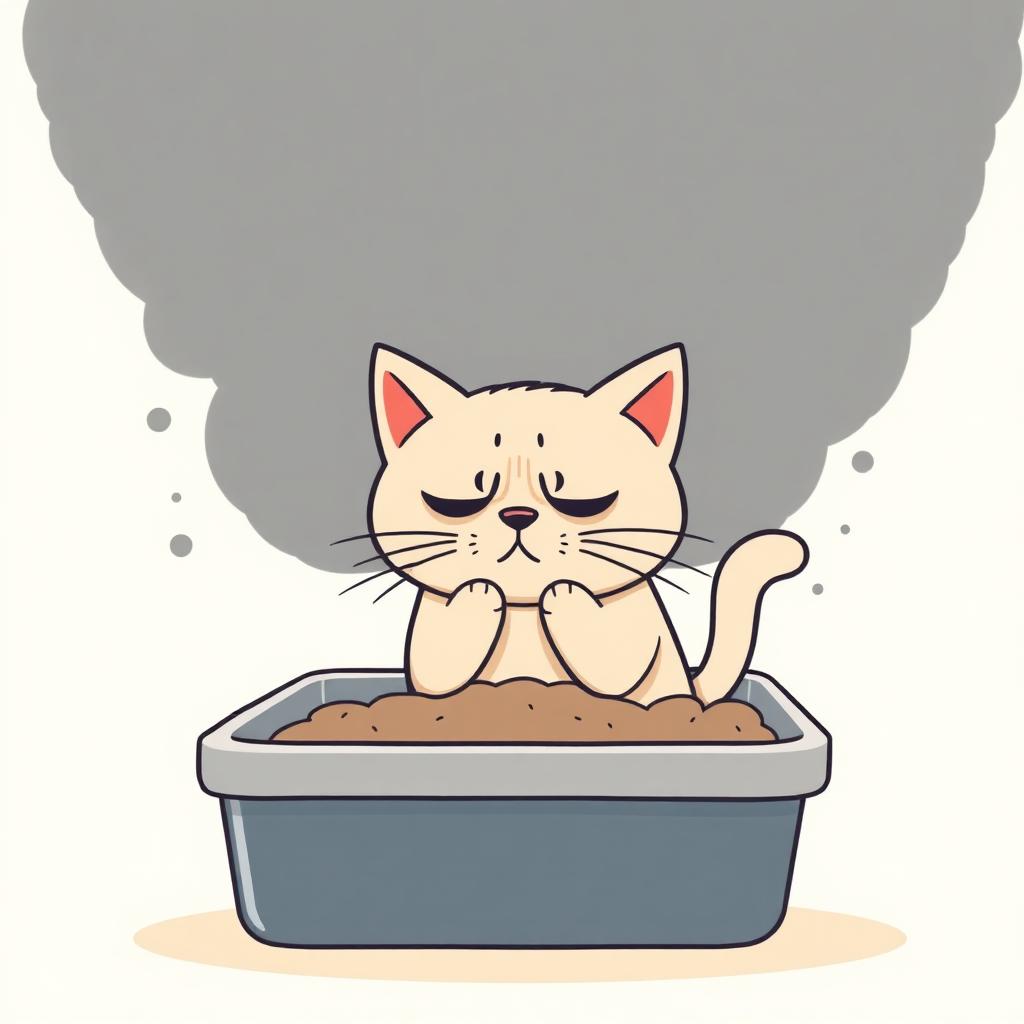
- Pregnancy can make normal household smells feel stronger and more irritating
- Cat litter dust, fragrances, and stale air can trigger coughing, nausea, or headaches
- Cleaning products and room scents often layer on top of pet odors instead of fixing them
- Many homes trap irritants around the litter area, especially in small bathrooms or laundry rooms
- Set up the litter area to reduce dust spread, odor buildup, and direct exposure during scooping
- Use steady ventilation and source control instead of masking smells with sprays or plug-ins
- Choose low-dust, unscented products across the home, including litter where possible
- If you want a plant-based option, NEKO tofu litter can help reduce airborne dust compared with many clay litters
Why respiratory comfort changes during pregnancy
A low irritant home pregnancy plan matters because pregnancy often changes how the air in your home feels. Smells that never registered before can suddenly turn your stomach. Mild dust can feel scratchy. A room with poor airflow can leave you headachy faster than usual. Part of that is simple mechanics: rising hormones can increase nasal swelling and congestion, so your airways may feel more reactive even when nothing dramatic has changed. Add pets, litter boxes, dander, and normal cleaning routines, and the home environment can start to feel busy in all the wrong ways. The goal is not to create a sterile house. It is to cut avoidable irritants so your lungs, nose, and throat have less to handle every day. For most households, the main offenders are not exotic chemicals. They are the ordinary stack of litter dust, scented products, aerosol cleaners, stale air, and overdue scoop sessions. Fixing those basics usually gives the biggest payoff. If you share your home with cats, the litter area deserves special attention because it concentrates odor, particles, and moisture in one small zone.
The main irritants in pet homes are usually simple and fixable
Most respiratory triggers in a pet home come from a few repeat sources. First is particulate matter: litter dust, dried debris around the box, and ordinary household dust that settles on floors and shelves. Tiny particles do not need to be visible to irritate your nose or throat. Second is fragrance. Scented litter, deodorizing crystals, fabric sprays, plug-ins, candles, and heavily perfumed cleaners can all add volatile compounds to the air. They may smell clean for a minute and feel oppressive an hour later. Third is ammonia from old urine, which builds when scooping slips or a box is too small for the cat using it. Fourth is poor ventilation. Even a relatively mild odor becomes much more noticeable when it sits in a closed laundry room with no air exchange. Pet dander can add to the burden, especially if your cat spends time on upholstered furniture or bedding. None of this means cats and pregnancy are a bad combination. It means source control works better than cover-up. Remove waste promptly. Reduce dust at the box. Keep air moving. Cut the products that announce themselves from across the room. If your home smells strongly of "clean," it is often a sign there is too much fragrance in the system.
Set up the litter area so less dust and odor escape into the house
The best litter setup is boring, consistent, and easy to maintain. Start with box placement. Avoid tight, unventilated corners that trap odor, but do not put the box in the center of household traffic where every footstep kicks particles around. A spot with passive airflow, easy access, and a washable floor nearby works well. If you have room, keep the box away from heating vents that can blow dust into the air. Use a large box so waste is less concentrated and the cat is less likely to miss the target area. Fill to a practical depth so clumps form cleanly without turning the pan into a dust pit. Scooping once or twice daily reduces odor far more effectively than room spray. To limit tracking, place a litter mat outside the box and vacuum or wipe around it often. During pregnancy, many clinicians advise avoiding direct litter duty when possible because cat feces can carry parasites. If someone else can scoop, excellent. If not, wear gloves, wash hands thoroughly, and keep the routine prompt rather than letting waste sit. A low-dust, unscented litter helps here. Plant-based tofu litter, including options like NEKO, can be useful when you want less airborne dust than many traditional clay formulas.
Ventilation beats fragrance almost every time
If you want a house to feel cleaner to breathe in, move air first and add scent never, or almost never. Ventilation works because it dilutes and removes airborne irritants instead of asking you to ignore them. Open windows when weather and outdoor air quality allow. Run the bathroom fan after showering if the litter box is nearby, since lower humidity can also help with odor. Use the laundry room door strategically: closed can contain mess, but only if the room has actual ventilation. Otherwise you are just marinating the problem in a smaller space. A portable air purifier with a HEPA filter can help reduce particulates in rooms where cats spend time, but it is not a substitute for cleaning the source. Place it where airflow is not blocked by furniture. Replace filters on schedule. What usually does not help much is a constant parade of plug-ins, diffusers, incense, and sprays. These often combine with litter odor to create a smell that is both floral and questionable. During pregnancy, that combination can be especially rough. Unscented detergent, plain soap, and targeted cleaning are usually enough. If a room still smells bad after ventilation and cleaning, assume there is a source you have not fixed yet rather than reaching for a stronger fragrance.
Choose cleaning products that remove residue without adding more irritants
A low-irritant routine is mostly about restraint. You do not need ten specialized products. You need a few that clean effectively, rinse cleanly, and leave little behind. For the litter area, skip aerosol disinfectants and heavily perfumed floor cleaners when a simple wipe-down would do. Clean up tracked litter with a vacuum that has decent filtration or with a damp cloth so particles are captured instead of redistributed. For hard floors, use a mild unscented cleaner according to label directions. More product does not mean a cleaner floor; it often means more residue and more smell. Wash litter mats regularly because they trap both dust and odor. If your cat has an accident outside the box, remove solids, blot liquids, and clean the area thoroughly so the residue does not keep off-gassing or attract repeat marking. Avoid mixing products, especially bleach and ammonia-based cleaners, because the fumes are the last thing a pregnant person needs near a small room. For general home cleaning, focus on surfaces that collect dust and dander: baseboards, under furniture, windowsills, and fabric where the cat naps. Frequent light cleaning beats occasional chemical warfare. The air usually feels better when the house smells like nothing in particular.
Manage fabrics, humidity, and dust so irritants do not keep recirculating
Litter is not the whole story. Soft surfaces hold onto dander, dust, and fragrance residue long after the bottle is put away. Wash bedding regularly, especially if cats sleep with you or spend time on the bed. Vacuum rugs, sofas, and curtains on a predictable schedule, and do not forget under the couch where fur drifts like tumbleweed. If vacuuming stirs things up, consider leaving the room for a bit afterward or having another household member handle that chore. Humidity also matters. Air that is too dry can irritate your nose and throat, while too much humidity can make a room feel stuffy and intensify odors. Aim for a middle ground that feels comfortable rather than tropical. In bathrooms and laundry rooms, use fans and keep damp towels from piling up near the litter box. Replace HVAC filters on schedule, especially during shedding seasons. If the home has forced-air heating or cooling, a neglected filter can quietly spread dust through every room. One useful habit is creating a pet-free recovery zone, often the bedroom, with cleaner fabrics, no scented products, and strong airflow. You do not need to banish the cat forever. You just need one area where your body gets a break from the background load of fur, dust, and smells.
If nausea or sensitivity is severe, simplify the whole smell profile
Some pregnant people are not just mildly annoyed by smells. They are flattened by them. When that happens, the answer is usually simplification, not better perfume. Remove optional scent sources first: candles, reed diffusers, wax melts, plug-ins, fabric refreshers, and strongly fragranced body products used in shared spaces. Switch laundry products to unscented versions if possible, because clothes, towels, and bedding can become a constant low-level trigger. In the kitchen, run the exhaust fan during cooking and empty trash before it announces itself. With pets, keep food bowls clean and avoid storing open bags of strongly scented food in warm rooms. For the litter setup, choose unscented litter, scoop promptly, and store waste in a sealed bin that is emptied often. If one room remains difficult, spend less time there while you improve the setup. There is no prize for endurance. This is also where delegation matters. If a partner or housemate can take over litter duty, vacuuming, or bathroom cleaning for a stretch, that is practical medicine. Your job is not to prove toughness. It is to make the home livable while your body is doing a fairly elaborate construction project.
When symptoms suggest more than ordinary irritation
Sometimes the issue is not just a fussy nose. If you are wheezing, short of breath, coughing at night, getting frequent headaches in one part of the house, or developing itchy eyes and congestion that persist despite cleanup, it is worth looking beyond the obvious. A dusty litter area can certainly contribute, but so can mold, water damage, smoke exposure, old HVAC filters, or an air freshener you stopped noticing. If symptoms flare in one room, treat that as a clue. Check for hidden dampness behind the washing machine, under sinks, around windows, or near the box if spills have soaked into flooring. If your cat suddenly avoids the litter box, strains, or urinates more often, the odor problem may actually be a cat health problem, not a cleaning problem. Addressing the cat's medical needs can improve the air in the house more than any purifier. During pregnancy, it is sensible to mention ongoing respiratory symptoms to your clinician, especially if you have asthma or allergies already. The goal here is not alarm. It is to avoid normalizing a home environment that keeps making you feel unwell. Routine irritants should improve with practical changes. If they do not, keep investigating.
Common questions
How do I create a low irritant home pregnancy routine with a cat?
Start with the biggest triggers: unscented products, prompt litter scooping, and better airflow. Keep the litter box in a ventilated area, use a low-dust litter, vacuum or wipe around the box often, and skip plug-ins or sprays that mask odor instead of removing it. If possible, have someone else handle litter duty during pregnancy.
Is cat litter dust a problem during pregnancy?
It can be irritating, especially if pregnancy has made you more sensitive to dust or smells. The bigger medical concern is contact with cat feces, which is why many clinicians recommend avoiding litter box cleaning when possible. If you must do it, wear gloves, wash hands well, scoop daily, and choose an unscented low-dust litter.
Are scented candles and plug-ins a bad idea if I feel nauseous at home?
Often, yes. Fragrance can be a major trigger for nausea, headaches, or throat irritation during pregnancy. Candles, plug-ins, diffusers, and fabric sprays may make the air feel heavier rather than cleaner. Ventilation and source control usually work better than adding more scent to the room.
What type of cat litter is better for respiratory comfort?
Many people do better with an unscented, low-dust litter. Traditional dusty litters can throw particles into the air during pouring and scooping. Some plant-based tofu litters, including NEKO, may help reduce airborne dust compared with many clay options. The best choice is one your cat accepts and you can maintain consistently.
Should I use an air purifier near the litter box?
It can help with airborne particles, but it should support good cleaning, not replace it. A purifier with a HEPA filter is generally more useful than a scented deodorizer. Place it nearby but not where it blows directly across the box and stirs up dust. Keep filters changed on schedule.
One switch. Four problems, gone.
Start a NEKO subscription and get your first 7L bag for 40% off. Free shipping, delivered every 4–6 weeks. Skip, pause, or cancel anytime.