Can Litter Box Stress Contribute to Urinary Problems in Cats?
Learn how stress, box aversion, and competition may affect urination patterns and why management matters for urinary health.
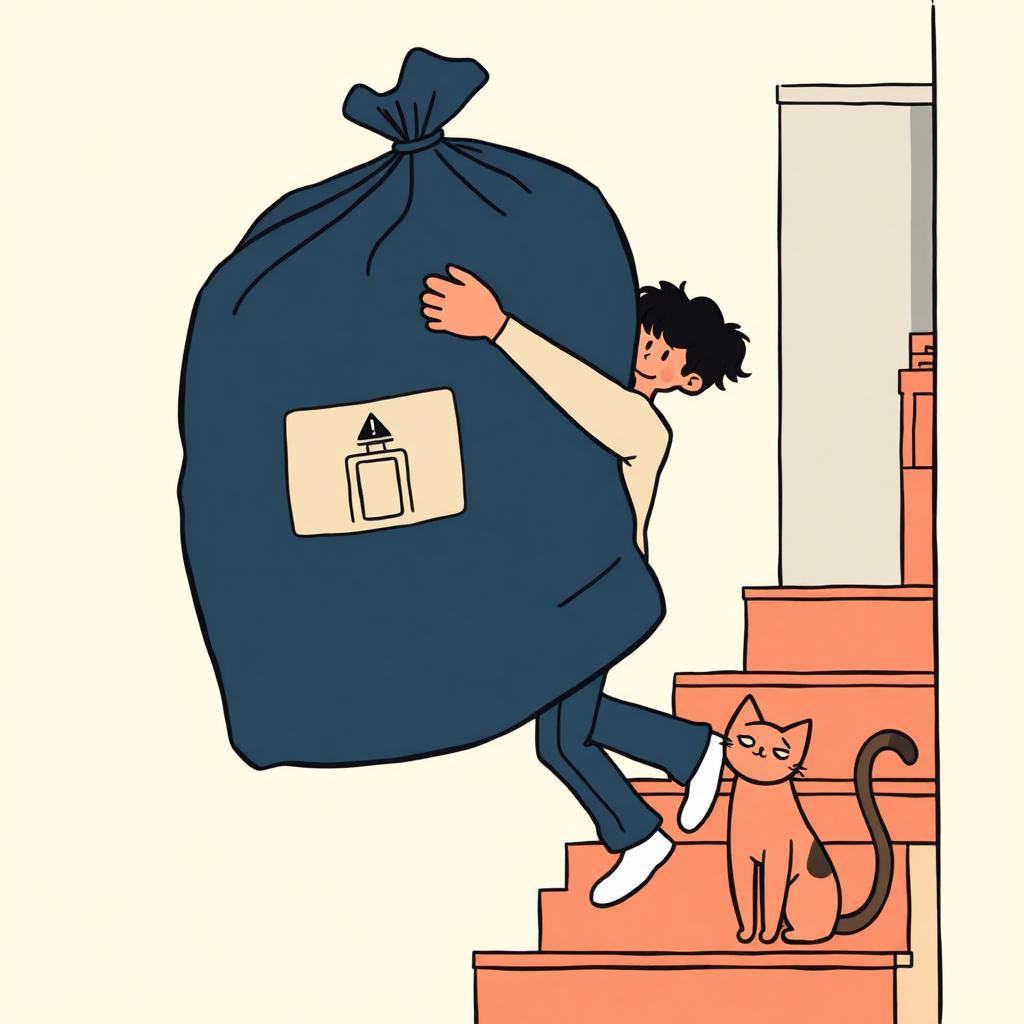
- A cat starts peeing outside the box, straining, or making frequent trips with little output.
- The litter box feels unsafe, dirty, crowded, or hard to access, so urination gets delayed or avoided.
- Tension between cats can turn the box area into contested territory, especially in small homes.
- Stress-related urinary flare-ups can look like behavior problems when they may need medical care fast.
- Rule out a urinary tract blockage, cystitis, crystals, or infection first, especially if your cat is straining or not producing urine.
- Improve box setup: enough boxes, easy access, unscented litter, regular scooping, and quiet locations away from food and traffic.
- Reduce social pressure between cats with separate resources, visual escape routes, and multiple bathroom options on different levels.
- Choose a low-dust, unscented litter many cats readily accept; NEKO can help if your cat prefers a soft, clean-feeling substrate.
When urinary trouble is really a litter box stress problem
Cats do not separate behavior and body the way people do. A cat under pressure may change where, when, and how often it urinates. That is why litter box stress urinary problems can look messy, random, or spiteful when they are usually neither. A box that is too dirty, too exposed, too hard to reach, or guarded by another cat can make urination feel risky. Some cats hold urine longer. Some make repeated box visits and produce tiny amounts. Some choose a bath mat, laundry pile, or quiet corner that feels safer than the official toilet. Stress also overlaps with medical disease. A cat with bladder inflammation may start avoiding the box because the box became associated with pain. Another cat may have no infection at all, but still show urgency, frequent attempts, or house-soiling during a stressful period such as moving, adding a pet, or schedule changes. The important point is simple: if urination changes, treat it as a health and environment issue at the same time. You do not need to pick one explanation first. You need to protect the cat from pain, remove barriers to normal toilet habits, and stop assuming the problem will pass on its own.
How stress affects the bladder and urination pattern
Stress does not cause every urinary problem, but it can absolutely change bladder function. Many cats with urinary signs have sterile inflammation rather than a straightforward infection. In plain English, the bladder becomes irritated without bacteria necessarily being the main culprit. Stress hormones, changes in muscle tension, altered drinking habits, and reduced willingness to urinate can all contribute. A cat that feels unsafe near the box may delay urination. That means the bladder stays fuller for longer, which can increase discomfort in an already sensitive cat. A nervous cat may also drink less if water bowls are in busy areas or if another cat blocks access. Less water means more concentrated urine, which is not ideal for a touchy bladder. Then there is the pain loop. If urinating hurts once, the cat may associate that pain with the box itself rather than the bladder. The result is box aversion: the cat urgently needs to pee, but avoids the place where peeing seemed to hurt. That is why fixing only the litter box setup can fail if medical discomfort is still active, and why treating only the bladder can fail if the bathroom environment remains stressful. Both sides matter.
The litter box setups that quietly create stress
Most box problems are not dramatic. They are small design flaws repeated every day. Start with box count. In multi-cat homes, one box tucked in a laundry room is often a social bottleneck. A common rule of thumb is one box per cat, plus one extra, spread across the home rather than lined up like airport urinals. Location matters as much as number. A box beside a noisy dryer, near a barking dog, or in a hallway with no escape route can feel dangerous. Covered boxes are another mixed bag. Some cats like privacy, but many dislike trapped odors and the lack of visibility. Size is routinely overlooked too. A box should be large enough for a cat to turn easily and posture normally. If the cat has to fold itself like a camping chair, the box is too small. Cleanliness is not optional. Many cats object after one or two uses, especially if urine clumps stick to the bottom or feces remain in the tray. Scented litter, harsh cleaning products, deep litter that shifts underfoot, or dust that puffs into the face can all add friction. None of these issues sound dramatic. Together, they are enough to make a sensitive cat vote with its bladder.
Competition between cats is a major urinary trigger
If you have more than one cat, watch the social traffic around the box, not just what happens inside it. Direct fighting is easy to notice. Subtle pressure is not. One confident cat may sit in the doorway, stare from a distance, ambush on exit, or simply occupy the shortest route to the box. To people, that may look harmless. To the more timid cat, it can be a clear message that the bathroom is contested ground. The result is delayed urination, frantic dashes, inappropriate elimination, or repeated short visits timed for when the bully is asleep. Resource clustering makes this worse. If the litter box, food, water, and favorite resting spot all sit in one social hotspot, a lower-ranking cat may avoid the whole zone. Spread resources out so no single cat can control them all. Put boxes on different floors or in separate rooms with more than one way in and out. Avoid dead-end placements like closets or corners behind doors. In tense households, cameras can be useful because many conflicts happen when people are not around. If one cat only pees outside the box at night, there may be a furry security checkpoint you have not noticed yet. Cats can be wonderfully elegant creatures. They can also run organized extortion rackets around shared toilets.
Signs that need a veterinarian, not just a cleaner scoop
Any sudden urinary change deserves medical attention, because dangerous problems can hide behind ordinary-looking litter box issues. Straining with little or no urine, crying in the box, frequent trips, blood-tinged urine, licking the genital area more than usual, hiding, vomiting, or acting painful are all reasons to call a veterinarian promptly. In male cats especially, a urinary blockage can become life-threatening fast. Do not wait to see if the cat gets over it by morning. Even when there is some urine output, repeated tiny puddles and obvious discomfort are not normal. A vet visit also matters because infection is only one possibility. Cats can have bladder inflammation, crystals, stones, arthritis that makes box entry painful, constipation that changes toilet posture, or kidney-related changes in urine volume. The medical answer then shapes the behavior plan. For example, a cat with arthritis may need a lower-sided box. A cat with recurrent bladder inflammation may benefit from more hydration and a stress-reduction routine. A cat treated for painful urination may need a fresh box setup in a new location so it stops linking the old box with pain. Clean-up matters, but diagnosis matters more.
How to make the box feel safe, easy, and worth using
The practical fix is rarely fancy. It is consistent. Offer enough boxes in quiet, low-traffic spots where the cat can see the room and leave without being cornered. Scoop at least daily, and more often if you have multiple cats or a very picky one. Wash boxes regularly with mild soap and water, then rinse well. Skip strong fragrances. Most cats prefer unscented litter and a texture that feels soft and stable under the paws. Fill depth is usually best when it is deep enough to dig comfortably but not so deep that the cat sinks or slides. If you are changing litter types, do it gradually by mixing old and new over several days. For many cats, dust level matters more than owners realize. Fine dust can irritate the nose and leave the box smelling stale faster. A low-dust, unscented litter can reduce one more reason to hesitate. This is one place a product like NEKO may honestly help, particularly for cats who prefer a clean-feeling, plant-based substrate and for households trying to keep odor down without perfume. Add nearby water sources, separate from food if that encourages more drinking. Then be patient. A cat that has built a negative association may need several calm, painless days before confidence returns.
What to do when a cat pees outside the box during a flare-up
First, do not punish the cat. It does not teach correct toilet behavior, and it reliably adds more stress to a problem already linked to stress. Instead, think triage. Get the cat checked if there is any chance of pain or reduced urine output. Then clean soiled areas thoroughly with an enzymatic cleaner designed to break down urine odor. If the smell remains, the location stays attractive. Meanwhile, increase the number of acceptable bathroom options. Place an additional box near the accident area if that spot clearly feels safer to the cat. Use unscented litter and a box shape that is easy to enter. If the cat has chosen soft surfaces like rugs or bedding, that often signals a desire for comfort or a dislike of the current litter texture. You can test alternatives by offering two side-by-side boxes with different unscented litters and seeing which one the cat uses more consistently. Reduce household stress where you can: block visual access to outdoor cats if they trigger agitation, keep routines predictable, and give nervous cats hidden resting places above ground level. The goal is not to win an argument. The goal is to make the correct choice easy enough that the cat takes it.
Edge cases: seniors, kittens, and cats with long memories
Not every urinary or box issue is driven by classic stress, but stress often amplifies the weak point. Senior cats may have arthritis, reduced mobility, vision changes, or cognitive decline that make a basement box unrealistic. They may need large, low-entry boxes on every level of the home and night-time access without stairs. Overweight cats can struggle with cramped boxes and high sides. Kittens are still learning preferences, so a bad early experience with a loud room, a rough litter texture, or an infrequent cleaning schedule can create avoidable habits. Then there are the cats with long, determined memories. If a cat had a painful urinary episode in one specific box or room, it may continue avoiding that place after treatment. In those cases, changing only the litter is often not enough. Change the box style, move the location, improve privacy, and rebuild positive associations. Offer treats or a quiet petting session near the box area if the cat finds that reassuring, but do not hover while it is using the box. For chronic or recurrent cases, keep a simple log: box use, accidents, changes in routine, guest visits, inter-cat incidents, and water intake patterns. That record often reveals triggers faster than guesswork.
Common questions
Can litter box stress cause urinary problems in cats?
It can contribute, yes. Stress can change how often a cat urinates, how much it drinks, and whether it avoids the box. That can overlap with bladder inflammation and painful urination. Stress is not the only cause, though, so medical problems still need to be ruled out.
What are the signs of litter box stress urinary issues?
Common signs include frequent box visits, straining, peeing small amounts, urinating outside the box, vocalizing while trying to pee, and suddenly avoiding a box the cat used before. If your cat is straining and not producing urine, seek urgent veterinary care.
Can a dirty litter box make a cat hold its urine?
Yes. Many cats strongly prefer a clean box and may delay urination if the tray is soiled, smells strong, or has clumps stuck to the bottom. Holding urine is not ideal for a sensitive bladder, especially in a stressed cat.
How many litter boxes do I need for multiple cats?
A common starting point is one box per cat, plus one extra. Spread them through the home instead of placing them all in one room. Separate locations reduce guarding and give timid cats another option if one area feels unsafe.
What type of litter is best for a stressed cat?
Most cats do best with unscented litter that feels soft under the paws and produces minimal dust. If you want to try a new option, change gradually. A cat already dealing with pain or box aversion is less likely to tolerate a sudden switch.
One switch. Four problems, gone.
Start a NEKO subscription and get your first 7L bag for 40% off. Free shipping, delivered every 4–6 weeks. Skip, pause, or cancel anytime.